Apple Aiming to Upgrade the iPhone Duo in Four Ways
Apple is currently targeting four major hardware enhancements for future iPhone Duo models, according to a report from Bloomberg reporter Mark Gurman. These key updates include integrating Face ID onto the outer display, adding a physical Action button, incorporating a dedicated telephoto camera, and significantly reducing the device's overall weight and thickness.
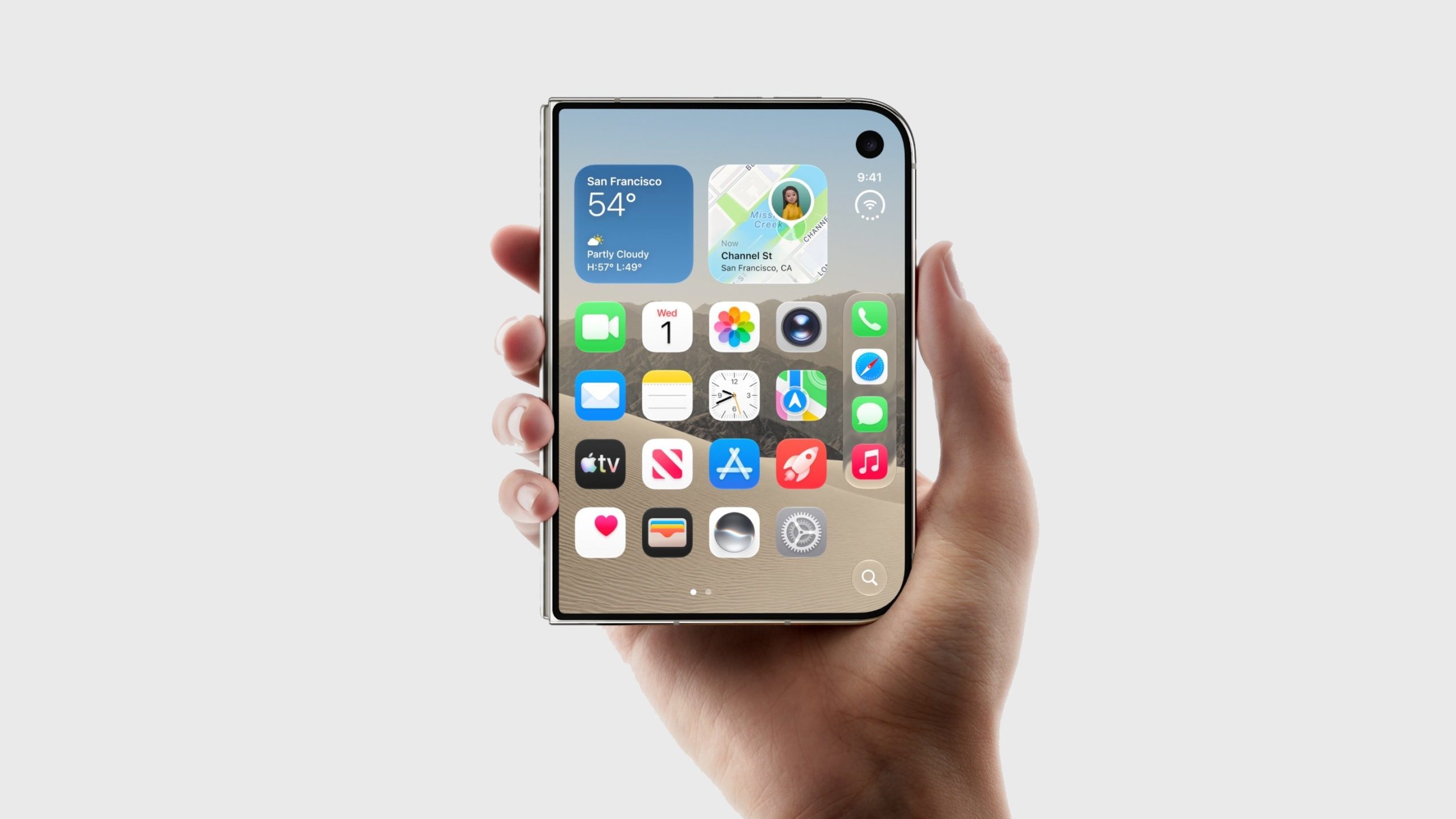
What Are Apple's Key Goals for Future iPhone Duo Upgrades?
According to Bloomberg's Mark Gurman today said that Apple's hardware design team is focusing on four distinct pillars to advance the iPhone Duo platform. The internal roadmap emphasizes user convenience, optical capabilities, physical ergonomics, and streamlined control interfaces.
As dual-screen and foldable device architectures continue to evolve, Apple aims to refine its hardware experience to meet user expectations. The four primary focus areas reported for upcoming generations are:
- Outer Display Face ID: Bringing secure facial recognition authentication directly to the cover screen.
- Action Button Integration: Incorporating a customizable hardware input button for quick actions and shortcuts.
- Telephoto Camera Upgrade: Adding a dedicated telephoto lens system for enhanced optical zoom capabilities.
- Thinner and Lighter Design: Reducing structural bulk and weight to improve overall portability and daily comfort.
While these improvements represent Apple's primary roadmap, the exact release schedule for each feature remains flexible based on engineering and production timelines.
Detailed Breakdown: The Four Major Upgrades Explained
Each of the four hardware goals outlined in the report addresses specific functional aspects of the overall user experience. Understanding these planned upgrades sheds light on Apple's long-term vision for its multi-display device architecture.
1. Face ID on the Outer Display
One of the most notable engineering targets is bringing Face ID facial recognition to the outer display of the device. Currently, accessing full biometrics across multiple screens presents unique sensor housing and space optimization challenges. By positioning Face ID components on the outer cover panel, users could unlock their device seamlessly without opening the main inner displays.
Reports indicate that Apple has already developed working iPhone Duo 2 prototypes featuring Face ID on the exterior panel. However, internal testing and manufacturing deadlines may impact whether this feature makes the final cut for the second-generation release. If development timelines run tight, outer display Face ID could be postponed to the third-generation release instead.
2. The Action Button
Another major addition planned for future hardware revisions is the physical Action button. First introduced on Apple's flagship smartphone line, the Action button replaces the traditional single-function mute switch with a multi-purpose tactile button that users can customize.
On a dual-screen device, an Action button provides instant access to user-selected shortcuts, such as triggering the camera, launching specific accessibility tools, starting voice memos, or activating system shortcuts. Incorporating this physical control requires careful positioning along the device chassis to ensure effortless operation regardless of whether the hardware is open or folded shut.
3. Telephoto Camera System
Photography capabilities remain a critical decision factor for modern mobile devices. Apple aims to expand the optical versatility of future models by incorporating a specialized telephoto camera module.
Integrating a dedicated telephoto camera allows for true optical zoom capabilities without sacrificing image clarity through digital cropping. Because telephoto camera assemblies require structural depth for optical elements, fitting a complex lens stack inside a dual-screen chassis presents a significant mechanical engineering puzzle. Achieving high-quality optical zoom alongside a slim profile is central to Apple's camera goal.
4. Thinner and Lighter Chassis Design
Multi-screen hardware naturally introduces extra weight, hinge components, and glass layers compared to conventional single-screen smartphones. To improve overall ergonomics, Apple's design teams are working to create a substantially thinner and lighter overall profile.
A lighter build enhances daily usability, reducing wrist fatigue during extended single-handed or dual-handed use. Shrinking the device thickness also makes it far easier to slip into pockets and small bags. Achieving this balance requires lighter structural materials, redesigned hinge mechanisms, and ultra-compact internal board layouts.
iPhone Duo 2 vs. iPhone Duo 3: Release Expectations
Timing plays a critical role in hardware feature adoption. While Apple's engineering team has built active prototypes for next-generation hardware, manufacturing deadlines dictate which features ship in immediate releases versus later iterations.
According to Gurman, Apple is actively balancing feature completion against strict launch schedules. Specifically regarding outer display Face ID, Apple is described as "running out of time" to fully finalize the implementation for the iPhone Duo 2 cycle.
If engineering constraints or validation timelines prevent outer display Face ID from reaching mass production readiness in time for the second-generation launch, Apple plans to transition the feature to the iPhone Duo 3 development pipeline. This iterative strategy allows Apple to launch updated hardware on schedule while reserving complex sensor integrations for subsequent generations.
Design and Usability Factors for Dual-Screen Devices
Developing hardware for complex, multi-display form factors demands a careful balance between component density and user comfort. Adding hardware components such as telephoto lenses, extra sensor arrays, and customizable buttons must not compromise device stability or thermal management.
The addition of an Action button, for example, must account for how users hold the device in various orientations. Whether folded closed or opened flat, the control interface needs to remain intuitive and accessible without causing accidental inputs.
Similarly, implementing a thinner and lighter design requires advanced structural materials. Engineers often rely on custom alloys and minimized glass thicknesses to shed weight while preserving durability across thousands of open-and-close cycles.
Summary of Reported iPhone Duo Goals
To recap, Apple's strategy for future device revisions focuses on four key enhancements that refine utility, photography, and overall portability:
- Outer Display Face ID: Biometric authentication directly on the front panel. Prototypes exist, but final inclusion for the next version depends on engineering deadlines.
- Action Button: Quick hardware access to customizable system functions and shortcuts.
- Telephoto Camera: Expanded optical zoom functionality for high-resolution photography.
- Thinner and Lighter Build: Improved portability and hand feel achieved through structural weight reduction.
Related Information and Community Links
For additional coverage, background information, and ongoing discussions regarding Apple's mobile hardware ecosystem, explore the following resources:
Check out the full iPhone Duo hardware overview and buyer details to learn more about device specifications. You can also follow updates directly on the Mark Gurman directory page or evaluate purchase options via the iPhone Duo (Buy Now) guide.
To view related discussions about general iOS hardware, visit the iPhone forum section. The original report, titled Apple Aiming to Upgrade the iPhone Duo in Four Ways, was originally published by MacRumors.com. Readers are welcome to join the discussion thread and Discuss this article on the community forums.
Final Thoughts on the iPhone Duo Roadmap
Apple's strategic roadmap demonstrates a clear commitment to maturing its multi-screen hardware offerings. By targeting an outer display Face ID sensor, a versatile Action button, enhanced telephoto camera optics, and a thinner-and-lighter footprint, Apple aims to address current limitations and deliver a refined user experience. Whether these features arrive all at once in the upcoming version or roll out across future iPhone Duo models, users can look forward to steady hardware innovations in upcoming product cycles.
from MacRumors
-via DynaSage

Post a Comment