We Just Had The Worst July For Console Sales In The U.S. Since The Pandemic As The RAM Crisis Ruins Everything
The $500 Milestone: Why Video Game Consoles Are More Expensive Than Ever
For decades, video game consoles were the ultimate budget-friendly gateway to high-quality interactive entertainment. While gaming PCs cost thousands of dollars, a dedicated home console offered a simple, plug-and-play experience for a fraction of the cost. However, the gaming landscape has shifted dramatically. Recent market data shows that the average price of a video game console in the United States has officially crossed the $500 mark.
This is a major milestone for the gaming industry. For many families and casual gamers, spending half a thousand dollars on a gaming system is a significant financial decision. But what drove prices to this level? Is it just corporate greed, or are there deeper economic and technological shifts at play? In this comprehensive guide, we will break down why video game consoles have become so expensive, look back at the history of console pricing, and help you decide how to get the most value for your hard-earned money.
The Current State of Console Pricing
To understand why the average console price has climbed above $500, we first need to look at what is currently on store shelves. The modern console market is dominated by three major players: Sony, Microsoft, and Nintendo. Each has a different pricing strategy, but the overall trend is pointing upward.
Let's take a look at the base retail prices for the primary consoles available today:
- Sony PlayStation 5 (Slim, Digital Edition): $399.99
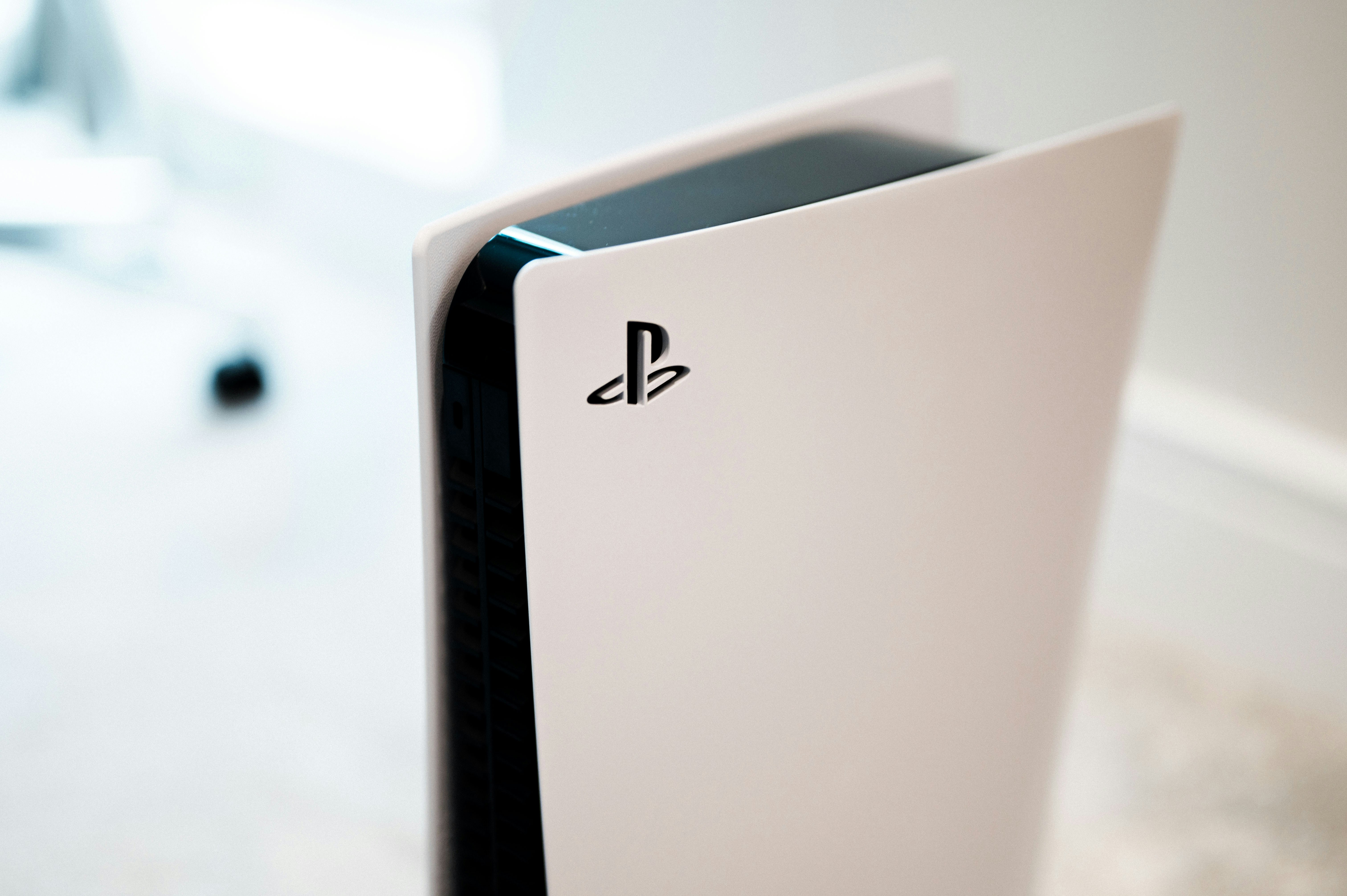
- Sony PlayStation 5 (Slim, with Disc Drive): $499.99
- Sony PlayStation 5 Pro: $699.99
- Microsoft Xbox Series S: $299.99 - $349.99
- Microsoft Xbox Series X: $449.99 - $499.99
- Nintendo Switch (OLED Model): $349.99
If you look at these prices, you might wonder how the average price exceeds $500 when several options are under $400. The answer lies in consumer demand, premium upgrades, and hardware bundles. Most shoppers prefer the higher-end systems with disc drives and larger storage capacities. When you factor in the massive launch of premium hardware like the Sony PlayStation 5 Pro, tax, and mandatory game bundles, the average amount leaving a gamer's wallet easily surpasses $500.
Key Factors Driving Console Prices Upward
The climb to a $500 average console price did not happen overnight. It is the result of several overlapping factors, from global economics to the physics of modern computer chips.
1. High-End Hardware and the Push for Realism
Modern gaming consoles are essentially specialized, high-performance computers. Gamers today expect stunning visual performance, including 4K resolution, real-time ray tracing (highly realistic lighting and reflections), and incredibly fast loading times.
To achieve this, companies like Sony and Microsoft must pack their machines with cutting-edge technology. The custom solid-state drives (SSDs) used in the PS5 and Microsoft Xbox Series X are incredibly fast, but they are also expensive to manufacture. Additionally, the graphics processors (GPUs) and central processors (CPUs) inside these systems require advanced silicon manufacturing processes, which have become increasingly costly over time.
2. Global Inflation and Increased Supply Chain Costs
Consoles are not immune to the economic forces affecting everything from groceries to gasoline. Over the last few years, global inflation has driven up the cost of raw materials, shipping, and labor.
In the past, console makers would absorb these rising costs or even lower the price of their consoles over time as manufacturing became more efficient. However, during this generation, we saw something unprecedented: Sony actually raised the base price of the PlayStation 5 in several international markets years after its release due to global economic pressures. When it costs more to ship a container across the ocean and more to pay factory workers, those costs eventually get passed down to the consumer.

3. The Death of the Heavy "Loss Leader" Strategy
Traditionally, console manufacturers used a "loss leader" business model. This meant they would sell the physical console at a financial loss, sometimes losing $100 or more on every unit sold. They did this because they knew they would make that money back through game sales, accessories, and online subscription services.
While this model still exists to some degree, the financial margins have shrunk. The cost of developing blockbuster, triple-A video games has skyrocketed, often exceeding $200 million per title. Because game development is now so risky and expensive, console makers can no longer afford to take massive losses on hardware. They need their hardware divisions to be profitable, or at least break even, much earlier in the product's life cycle.
4. The Mid-Generation "Pro" Upgrade Trend
We are currently living in the era of the mid-generation refresh. Instead of waiting seven to ten years to release an entirely new console, manufacturers are introducing premium, upgraded versions of their existing systems halfway through their life cycle.
The release of the PlayStation 5 Pro at a staggering $699.99 retail price is a prime example. This high-end console is designed for enthusiasts who demand the absolute best performance and are willing to pay a premium for it. Because these high-priced enthusiast machines are selling in significant numbers, they pull the overall average market price of consoles upward.
A Historical Look: Has Gaming Always Been This Expensive?
To put a $500 average price tag into perspective, it helps to look at the history of video game console launches. While $500 feels like a massive amount of money today, inflation-adjusted history tells a slightly different story.
Let's look at how famous console launch prices compare to modern dollars when adjusted for inflation:
| Console (Launch Year) | Original Launch Price (USD) | Estimated Price Adjusted for Inflation (2024 USD) |
|---|---|---|
| Atari 2600 (1977) | $199.00 | Over $1,000.00 |
| Nintendo Entertainment System / NES (1985) | $199.00 | Approx. $580.00 |
| Sega Genesis (1989) | $189.00 | Approx. $480.00 |
| Sony PlayStation 1 (1995) | $299.00 | Approx. $610.00 |
| Sony PlayStation 3 (2006) | $499.00 - $599.00 | Approx. $780.00 - $930.00 |
| Sony PlayStation 4 (2013) | $399.00 | Approx. $540.00 |
As the table shows, video games have always been a relatively expensive hobby. The legendary Atari 2600, when adjusted for inflation, would cost more than a high-end gaming PC today! Even the beloved Nintendo Entertainment System (NES) was close to $600 in today's money when packaged with its original accessories.
However, there is an important difference between the past and the present. In the 1990s and 2000s, console prices tended to drop rapidly after launch. A console that launched at $299 would often cost $149 just three or four years later. Today, those price cuts are not happening. The PlayStation 5 and Xbox Series X have maintained their launch prices for years, and in some cases, have actually become more expensive.
The Hidden Costs of Modern Console Gaming
When you buy a console for $500, that is rarely the end of your spending. The modern gaming ecosystem is built around ongoing, recurring expenses that can quickly double your total investment.

The Price of Games Is Going Up
For almost two decades, the standard price for a new, major video game was $59.99. With the arrival of the PlayStation 5 and Xbox Series X, publishers officially raised the standard price to $69.99. If you buy just three or four new games a year, that adds up to nearly $300 annually before sales tax.
Mandatory Online Subscriptions
Gone are the days when you could plug an internet cable into your console and play multiplayer games with your friends for free. Today, both Sony and Microsoft require active subscriptions to access online multiplayer modes.
- PlayStation Plus: Essential plans start at $79.99 per year, while premium tiers cost up to $159.99 per year.
- Xbox Game Pass: Ultimate tiers, which include online multiplayer and a massive library of games, cost around $240 per year when paid monthly.
These subscriptions are highly convenient and offer great value through curated game libraries, but they represent a continuous, unavoidable cost if you want to get the most out of your console hardware.
The Digital-Only Premium
Both Sony and Microsoft offer cheaper, digital-only versions of their consoles. While saving $100 upfront on a disc-less console sounds like a great deal, it can cost you more money in the long run.
Without a disc drive, you are completely locked into the official digital storefront of that console manufacturer (such as the PlayStation Store or Xbox Games Store). You cannot buy cheaper used physical games from local retail shops, you cannot borrow games from friends, and you cannot take advantage of physical clearance sales at major retailers. Over the course of a console's lifespan, the ability to buy cheap, used physical discs can easily save you hundreds of dollars.
How to Navigate the Expensive Console Market
If you want to enjoy modern video games but do not want to destroy your budget, there are several smart strategies you can use to save money.

1. Consider the Nintendo Switch or Xbox Series S
You do not need to buy the most expensive hardware to have an amazing gaming experience. The Nintendo Switch is a incredibly popular, versatile console that acts as both a home system and a portable device. With an entry price of just $299.99 (or $199.99 for the Switch Lite), it is an excellent, family-friendly alternative.
Similarly, the Xbox Series S is an incredible value. It plays all the same modern, next-generation games as the Xbox Series X, but at a lower resolution. If you do not own a massive 4K television or do not care about having the sharpest possible graphics, the Series S is a fantastic entry point to modern gaming for around $300.
2. Buy Refurbished or Used Hardware
Many major retailers and console manufacturers sell certified refurbished systems. These are consoles that were returned by customers, thoroughly inspected, cleaned, repaired if necessary, and repackaged with a warranty. Buying certified refurbished can easily save you $50 to $100 off the retail price while offering the same peace of mind as buying brand new.
3. Embrace Subscription Services Instead of Buying Individual Games
If you are buying a console on a budget, subscription services like Xbox Game Pass or PlayStation Plus Extra are your best friends. Instead of paying $70 for a single new game, these services give you instant access to hundreds of high-quality games for a flat monthly fee. For a casual gamer, a subscription can provide all the entertainment you need for an entire year for less than the cost of three standalone games.
4. Wait for Seasonal Sales and Bundles
Unless you absolutely must play a brand-new release on day one, patience is your greatest financial ally. During major shopping events like Black Friday, Cyber Monday, and summer sales, retailers often offer console bundles. These packages include a console plus a highly rated game or an extra controller at no extra cost, effectively saving you $60 to $100.
Conclusion: The Future of Gaming Hardware
The crossing of the $500 threshold is a clear sign that the console industry is evolving. Consoles are no longer just simple toys for kids; they are premium entertainment hubs built on complex, expensive technology. As manufacturing costs remain high and the demand for photorealistic performance continues to grow, it is highly unlikely we will ever see a return to the days of the cheap, $199 flagship console.
Fortunately, the gaming ecosystem is more diverse than ever. Whether you choose to invest in a premium, high-end powerhouse like the PS5 Pro, opt for a budget-friendly alternative like the Xbox Series S, or enjoy the portable charm of the Nintendo Switch, there are plenty of ways to enjoy this incredible hobby without breaking the bank.
from Kotaku
-via DynaSage

Post a Comment