New Mac Mini Reportedly Set to Launch Before iPhone 18 Pro Event
Apple's Next Big Reveal: A New Mac mini is On the Horizon
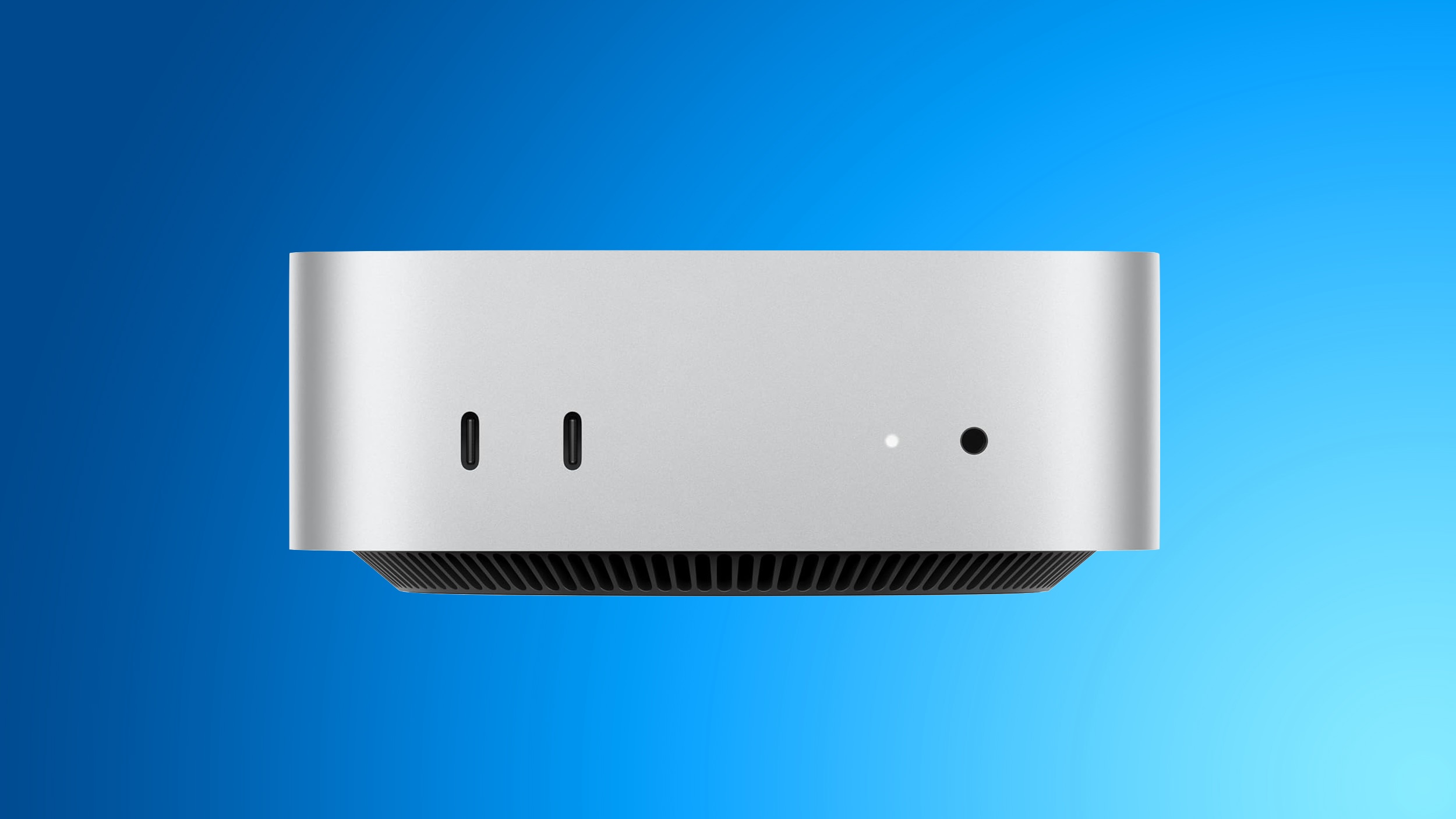
Get ready, tech enthusiasts! Apple is reportedly gearing up to introduce a brand-new Mac mini in the "coming days." This exciting news comes from a highly respected source, Bloomberg's Mark Gurman, who has a remarkable track record for accurately predicting Apple's product plans.
The Anticipation Builds: Before the iPhone 18 Pro Event
This upcoming Mac mini launch is particularly noteworthy because it's expected to happen even before Apple's much-anticipated iPhone 18 Pro event. That major event is likely scheduled for Wednesday, September 9. Such a pre-event announcement for a significant product like the Mac mini suggests Apple might opt for a press release or a quiet update to its online store, rather than a full-blown keynote presentation.
A Symbolic Launch: Tim Cook's Final Act?
Adding another layer of intrigue, Gurman's report also suggests that this new Mac mini could be the very last new product unveiled by Apple before Tim Cook steps down as CEO on September 1. If this speculation holds true, it would imbue the Mac mini's announcement with significant historical weight, marking the end of an era for Apple under Cook's direct product oversight. For this to happen, the new Mac mini would need to be announced before the end of August.
Tim Cook's tenure as CEO, which began in August 2011, has been characterized by incredible growth, diversification into services, and the successful transition to Apple Silicon for Mac computers. His leadership saw Apple become the most valuable company in the world. The prospect of the Mac mini being his final product reveal adds a poignant note to his departure, highlighting the ongoing innovation that defined his time at the helm.
Under the Hood: The Next Generation of Apple Silicon
One of the most exciting aspects of any new Mac is the chip inside, and the next Mac mini is no exception. According to Gurman, Apple has been internally testing versions of the Mac mini equipped with both the unreleased M5 and the even newer M6 chips. This indicates that Apple is pushing the boundaries of its custom silicon, aiming for significant performance and efficiency improvements.
M5 or M6: What Will Power the Future?
At present, it's still unclear which generation of chips Apple will ultimately choose for the production model. However, the fact that both are being tested suggests Apple is weighing its options carefully, perhaps balancing cutting-edge performance with supply chain readiness and market positioning. Regardless of the final choice, either the M5 or M6 chip would represent a substantial leap forward from the current generation.
To put this into context, the current Mac mini models offer configurations with the standard M4 chip or the more powerful M4 Pro chip. These chips already deliver impressive performance, combining a powerful central processing unit (CPU), a robust graphics processing unit (GPU), and a neural engine specifically designed for artificial intelligence (AI) tasks. Moving to M5 or M6 would mean even faster processing speeds, more capable graphics, and significantly enhanced AI capabilities, which are becoming increasingly important for modern computing.
Configuring for Power: RAM and Storage
Beyond the core processor, the Mac mini also allows for flexible configurations in terms of memory (RAM) and storage. Current models can be equipped with 16GB to a generous 48GB of RAM. RAM is crucial for multitasking and running demanding applications smoothly; more RAM means your computer can handle more tasks simultaneously without slowing down. The ability to upgrade to 48GB makes the Mac mini a compelling option for professionals working with video editing, 3D rendering, or complex software development.
For storage, users can configure the current Mac mini with up to a massive 8TB. This high-speed solid-state drive (SSD) storage ensures incredibly fast boot times, quick application loading, and rapid file transfers. Whether you're storing large media libraries, extensive game collections, or vast amounts of work data, the Mac mini offers ample space to meet diverse needs. The combination of powerful chips, ample RAM, and fast storage makes the Mac mini a versatile desktop solution, punching well above its compact size.
The Evolving Price Landscape of the Mac mini
Apple's pricing strategies are always a hot topic, and the Mac mini has seen some notable adjustments recently. In early May, Apple made a significant change by discontinuing the 256GB storage configuration, which was previously available at a more accessible price point of $599. This move effectively made the 512GB model, priced at $799, the new entry-level option. For many potential buyers, this increased the barrier to entry for the Mac mini lineup.
Reintroducing Configurations and Broader Price Hikes
However, the pricing story didn't end there. In a curious turn of events, Apple reintroduced the 256GB configuration in late June, but with a new price tag of $799. This means that while the smaller storage option returned, its price was now equivalent to the 512GB model before the changes. This reintroduction came shortly after Apple raised prices across a wide range of its products, including other Mac models, iPads, the Apple TV, HomePods, and even the Vision Pro headset.
These broad price adjustments reflect a complex interplay of factors, including global inflation, increased manufacturing and component costs, supply chain challenges, and potentially a strategic decision by Apple to position its products at a higher premium. For consumers, these changes mean careful consideration of configurations and budgeting, as the cost of entry for Apple's ecosystem continues to evolve.
Demand Surges: Mac mini and the AI Revolution
Despite the price adjustments and supply challenges, the Mac mini has seen a significant surge in popularity, leading to extended delivery estimates. Over the past few months, customers have faced waits of 4-10 weeks to receive their new Mac mini, depending on the specific configuration chosen from Apple's online store in the U.S.
The Rise of On-Device AI Models
A primary driver behind this heightened demand is the increasing popularity of using the Mac mini for "on-device AI models." As artificial intelligence becomes more integrated into our daily lives, there's a growing need for powerful yet accessible machines that can run AI tasks locally, without relying solely on cloud servers. The Mac mini, with its potent Apple Silicon chips and compact form factor, has emerged as an ideal candidate for developers, researchers, and enthusiasts looking to experiment with and deploy AI models directly on their desktops.
Running AI models on-device offers several advantages, including enhanced privacy (data doesn't leave your machine), reduced latency (faster responses), and the ability to work offline. For tasks like machine learning development, local data processing, or creating intelligent applications, the Mac mini provides a compelling blend of power and efficiency, making it a sought-after tool in the burgeoning AI landscape.
The Impact of the Memory Chip Shortage
Compounding the surge in demand is an ongoing global memory chip shortage. Memory chips (like RAM and the NAND flash used in SSDs) are fundamental components in virtually all modern electronic devices, from smartphones to servers and, of course, computers like the Mac mini. Various factors, including increased demand from other industries, production limitations, and geopolitical events, have contributed to this shortage.
When the supply of essential components like memory chips tightens, it inevitably impacts manufacturing output. Even if other components are readily available, a bottleneck in memory can delay the assembly of finished products. This global constraint, coupled with the Mac mini's newfound popularity for AI workloads, has created the perfect storm for extended delivery times, much to the frustration of eager customers.
A New Chapter: U.S. Assembly for the Mac mini
In a significant development for Apple's manufacturing strategy, the company announced in February that Foxconn, one of its primary manufacturing partners, would begin assembling some Mac mini units at a new factory in Houston, Texas, later this year. This initiative marks a notable step towards diversifying Apple's global supply chain and potentially increasing its manufacturing footprint in the United States.
Grand Opening in Houston
The new Foxconn facility in Houston officially opened its doors this month, with none other than Apple CEO Tim Cook himself joining U.S. government officials to celebrate the grand opening. Cook's presence underscores the strategic importance Apple places on this move. Such high-profile events are often used to signal a company's commitment to local economies and job creation, aligning with broader national interests.
This move towards U.S. assembly is not just about logistics; it also carries significant symbolic weight. For Apple, emphasizing "U.S. assembly" in its product announcements can resonate positively with consumers who value products made closer to home. It can also help mitigate some of the supply chain risks associated with heavily concentrated manufacturing in a single region, providing greater resilience against disruptions.
What "U.S. Assembly" Means
It's important to understand that "U.S. assembly" typically means the final stages of manufacturing and putting components together occur within the United States. Many of the individual components – chips, screens, cameras, and various other parts – are still sourced globally from specialized manufacturers. However, the critical last steps of integration, testing, and packaging happening domestically can lead to local job creation, stimulate local economies, and potentially reduce shipping times for products destined for the U.S. market. It's a strategic blend of global sourcing and localized finishing.
Therefore, it's highly plausible that Apple's official announcement for the new Mac mini will prominently feature and emphasize this aspect of U.S. assembly. This would align with corporate social responsibility goals, generate positive public relations, and showcase Apple's contribution to manufacturing jobs in the United States.
What This Means for Prospective Buyers
For anyone considering a new desktop computer, the impending launch of the Mac mini is undoubtedly exciting. Here's a quick summary of what to keep in mind:
- Cutting-Edge Performance: Expect significant speed and efficiency boosts with the new M5 or M6 chip, making it even more capable for demanding tasks, including AI.
- Configuration Choices: Anticipate flexible RAM and storage options to tailor the Mac mini to your specific needs, whether you're a casual user or a power professional.
- Pricing Considerations: Be mindful of Apple's recent pricing adjustments. The entry-level price might be higher than previous generations, so budget accordingly.
- Delivery Times: While the new model might initially face high demand, the U.S. assembly could eventually help improve availability, though initial waits are still possible due to the memory chip shortage.
- A Milestone Device: This Mac mini could hold historical significance as one of the final products launched under Tim Cook's direct product oversight, and it represents a step forward in Apple's domestic manufacturing efforts.
The Mac mini continues to be a unique offering in Apple's lineup, providing powerful desktop performance in an incredibly compact and versatile package. Its appeal to a broad range of users, from home office workers to creative professionals and now AI developers, ensures its continued relevance and evolution.
Looking Ahead: The Future of Mac mini
The Mac mini's evolution with Apple Silicon, its growing role in on-device AI, and the strategic shift towards diversified manufacturing like the Houston assembly plant all point to a robust future for this unassuming yet powerful desktop. As Apple continues to refine its custom chips and manufacturing processes, the Mac mini is poised to remain a cornerstone of its desktop computing strategy, adapting to new technologies and market demands.
Keep an eye out for Apple's official announcement in the coming days. The new Mac mini is not just another product; it's a testament to continuous innovation and strategic adaptation in a rapidly changing tech landscape.
This article, "New Mac Mini Reportedly Set to Launch Before iPhone 18 Pro Event" first appeared on MacRumors.com
Discuss this article in our forums
from MacRumors
-via DynaSage

Post a Comment