M6 iMac Coming This Year in New Colors
Get Ready for a Refresh: Apple's Next-Gen M6 iMac Set to Arrive This Year with Exciting New Colors!
Exciting news is buzzing in the Apple community! According to reliable reports from Bloomberg's Mark Gurman, Apple is on the verge of introducing updated iMac models. These aren't just minor tweaks; we're talking about a significant performance boost thanks to an upgraded chip and a fresh palette of color options, ready to revitalize your workspace.
The Heart of the Matter: Introducing the M6 Chip
At the core of these anticipated new iMacs lies the powerful M6 chip. Gurman, in his latest Power On newsletter, indicates that this new chip will replace the existing M4 model, which only made its debut in October 2024. For those unfamiliar with Apple's custom silicon, the "M" series chips are game-changers. They represent Apple's move away from Intel processors, bringing unparalleled integration of CPU (Central Processing Unit), GPU (Graphics Processing Unit), and Neural Engine (for artificial intelligence tasks) onto a single system-on-a-chip (SoC). This integrated design allows for incredible performance with remarkable power efficiency, a hallmark of modern Apple devices.
The jump from M4 to M6 signifies a substantial leap forward. While specific details about the M6 are still under wraps, Apple's typical progression between chip generations suggests considerable improvements. We can expect enhancements across the board: faster processing speeds for everyday tasks, more robust graphics performance for gaming and creative applications, and a much more capable Neural Engine for advanced AI workloads. For users, this translates into a snappier, more responsive computing experience, whether you're browsing the web, editing high-resolution videos, compiling complex code, or enjoying the latest games.
Consider the trajectory of Apple Silicon so far. The M1 chip, introduced in 2020, revolutionized the Mac lineup, offering incredible performance and battery life. Subsequent chips like the M2, M3, and M4 have continued this trend, pushing the boundaries of what's possible in compact, fanless (or low-fan) designs. The M6, following this lineage, is likely to feature a higher core count for both its CPU and GPU, improved memory bandwidth, and potentially new architectural advancements that further enhance efficiency and raw processing power. This means apps will launch faster, multitasking will be smoother, and computationally intensive tasks that once required dedicated professional machines will become more accessible on a consumer-friendly all-in-one desktop.
Beyond raw speed, the M6's enhanced Neural Engine is particularly noteworthy in an era increasingly defined by artificial intelligence. From intelligent photo organization and video editing features to real-time language translation and advanced machine learning models, the M6 will enable the iMac to handle sophisticated AI tasks locally on the device, offering faster results and improved privacy compared to cloud-based solutions. This future-proofs the iMac, ensuring it remains highly capable as AI tools become more integrated into our daily digital lives.
A Splash of New Hues: Expanding the iMac Color Palette
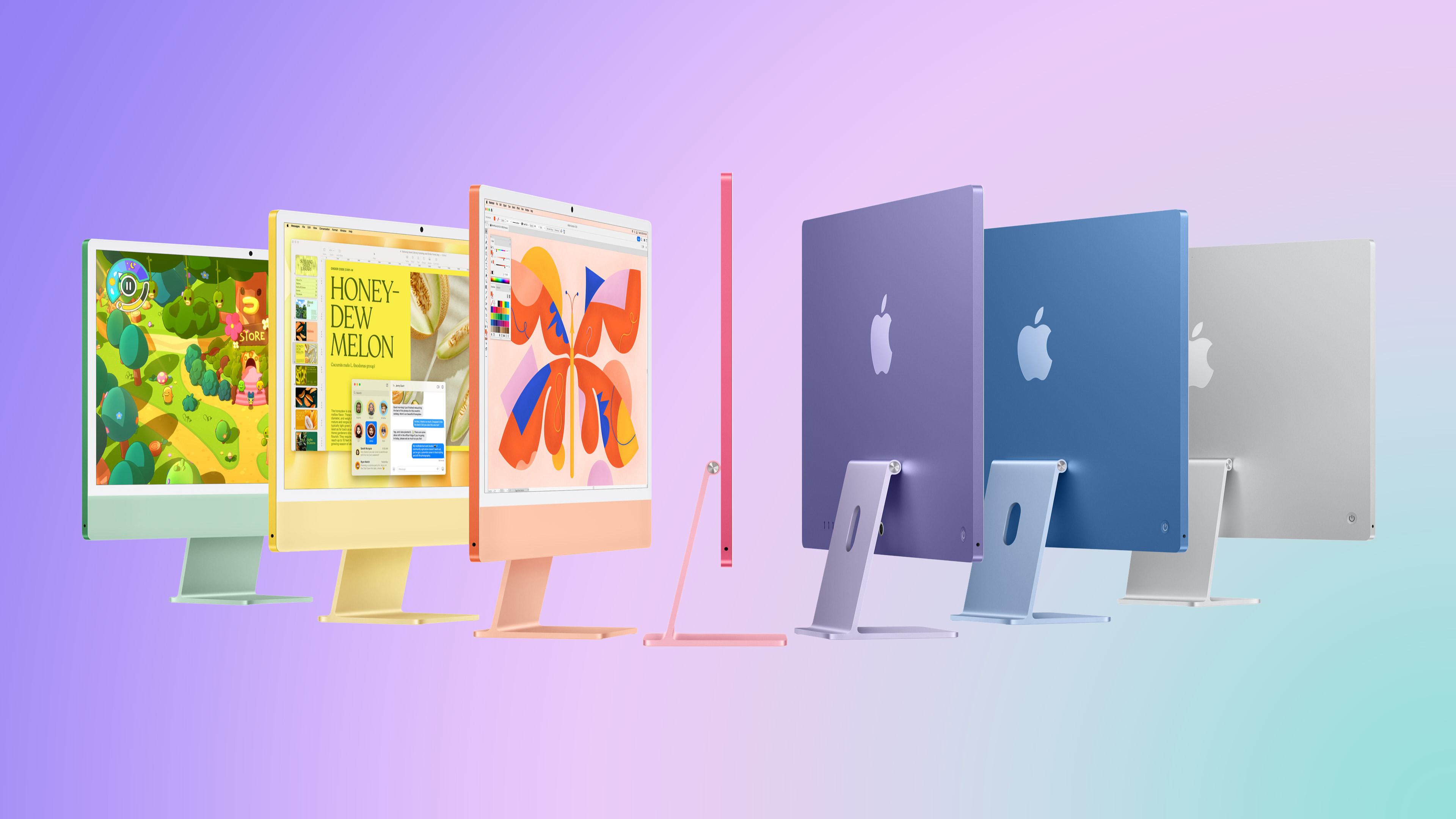
Beyond the internal powerhouse, Apple is also reportedly planning to introduce new color options for the 24-inch iMac. The current generation, launched in 2021, famously brought a vibrant array of choices: green, yellow, orange, pink, purple, blue, and silver. These colors were a deliberate throwback to the original Bondi Blue iMac G3 and instantly made the desktop feel more personal and less utilitarian. They transformed the iMac from just a computer into a piece of decor, allowing users to express their personality and integrate the machine seamlessly into their home or office aesthetic.
While Gurman hasn't specified what these new colors might be, the possibilities are exciting. Apple could delve into deeper, more sophisticated tones, perhaps richer jewel tones or more muted, earthy pastels that offer a different kind of elegance. We might see a return to some classic Apple colors with a modern twist, or entirely new shades that reflect current design trends. Imagine a deeper forest green, a warm terracotta orange, a sophisticated midnight blue, or even a soft lavender. The introduction of new colors could also mean a slight adjustment to the existing palette, perhaps refining some shades or offering alternatives to popular choices.
The strategic importance of color for the iMac cannot be overstated. Unlike more professional Macs like the Mac Studio or Mac Pro, which often come in a single, stoic silver, the iMac is designed for a broader audience, including families, students, and home office users. For these users, personalization and visual appeal are significant factors in their purchasing decisions. New colors can create a sense of freshness and excitement around a product that isn't undergoing a major design overhaul, making it feel new and desirable without incurring the significant engineering costs of a complete redesign. It provides a reason for current iMac owners to consider an upgrade and attracts new buyers who might be looking for a desktop that stands out.
Color psychology also plays a role. Bright, cheerful colors can evoke feelings of creativity and energy, while more subdued tones can convey professionalism and calm. By expanding the options, Apple caters to an even wider range of individual preferences, ensuring that virtually anyone can find an iMac that resonates with their personal style and fits perfectly into their living or working environment. This focus on aesthetic choice reinforces Apple's reputation for blending technology with artful design, making its products not just tools, but aspirational objects.
Design Continuity: No Major Changes Expected (For Now)
Despite the significant internal upgrades and new external colors, it appears that the overall design of the 24-inch iMac will remain largely unchanged. This means we can expect the same incredibly thin profile, the flat back, and the minimalist front design that has been a hallmark of this generation. The existing design, with its slim chassis and all-in-one form factor, has been well-received for its space-saving elegance and modern aesthetic. It's a design that prioritizes integration and simplicity, fitting seamlessly into various environments without clutter.
While some might hope for a radical new look, Apple often iterates on its designs, allowing successful forms to mature over several generations before introducing a major overhaul. This approach allows them to focus engineering resources on internal components and software, delivering performance enhancements that users feel directly. The current design is still relatively fresh, having been introduced a few years ago, and its minimalist appeal has strong staying power. Sticking with the existing chassis also likely helps keep production costs down and streamlines the manufacturing process, allowing Apple to focus on the chip and color refinements.
The 24-inch screen size is also expected to remain, offering a generous workspace that balances immersion with a manageable footprint. For many users, this size is ideal for productivity, creative work, and entertainment, providing ample screen real estate without overwhelming a desk. The excellent Retina display technology, known for its sharp text, vibrant colors, and high brightness, will undoubtedly continue to be a standout feature, ensuring a premium visual experience for all content.
The Future Glimmer: The Long-Awaited OLED iMac
While the immediate future of the iMac involves an M6 chip and new colors, the long-term vision includes a much-anticipated upgrade to an OLED display. Gurman's report also touches upon this, reiterating that an OLED-equipped 24-inch iMac is indeed in development, but it won't arrive for several years. This timeline is crucial for managing expectations, as the transition to OLED for a desktop monitor of this size presents unique challenges.
For those unfamiliar, OLED (Organic Light-Emitting Diode) display technology is renowned for its superior image quality. Unlike traditional LCD screens that require a backlight, each pixel in an OLED display emits its own light. This allows for true blacks, as pixels can be individually turned completely off, resulting in infinite contrast ratios. Colors appear more vibrant and accurate, and viewing angles are typically much wider. For a device like the iMac, which is often used for creative tasks involving photo and video editing, or simply for enjoying movies and games, an OLED display would be a transformative upgrade, offering a visual experience currently unmatched by LCD technology.
The reasons for the "several years" delay are multifaceted. Producing large-format OLED panels suitable for a desktop computer at Apple's scale is technically complex and expensive. There are also considerations regarding burn-in, a phenomenon where static images can permanently "etch" onto an OLED screen, though modern OLED technology has made significant strides in mitigating this issue. Apple is known for taking its time to perfect new technologies before integrating them into its mainstream products, ensuring reliability and a consistent premium experience. It's possible they are also waiting for manufacturing costs to decrease or for new generations of OLED tech (like hybrid OLED or tandem stack OLED) to become more viable for desktop applications, offering better brightness and longevity.
Until then, the current Retina display on the iMac remains an excellent panel, offering high resolution and accurate color reproduction. The eventual arrival of an OLED iMac will undoubtedly be a landmark event, but for the immediate future, the focus is on the power bump and aesthetic refresh with the M6 and new colors.
The Launch Window: "Before the End of the Year"
According to Gurman, "All signs point to the M6 models being close to launch," with the new iMacs expected to arrive "before the end of the year." This timeline aligns perfectly with Apple's typical product announcement cycles, which often feature significant Mac updates in the fall, ahead of the crucial holiday shopping season. An announcement in late October or November would be standard practice for the company, allowing them to capture consumer interest and sales during one of the busiest retail periods.
For potential buyers, this means a decision point is approaching. If you've been eyeing an iMac, waiting a few more months could net you a significantly more powerful machine with a fresh look. This launch timing also helps Apple maintain momentum across its Mac lineup, offering a compelling desktop option alongside its updated MacBook Pro and MacBook Air models, ensuring the entire ecosystem is powered by the latest Apple Silicon. The anticipation surrounding this release will undoubtedly generate considerable buzz, driving traffic to Apple's stores and online channels as consumers eager for an upgrade prepare for the official unveiling.
Who Is This New iMac For?
The 24-inch iMac has always held a unique position in Apple's product lineup. It's designed as the quintessential all-in-one desktop for everyday users, students, families, and professionals who don't require the extreme power of a Mac Studio or Mac Pro. An M6-powered iMac, especially with its rumored performance improvements, will continue to appeal to this broad audience, while also attracting users who might need a bit more muscle for creative tasks without the complexity of a modular setup.
- Everyday Users: For browsing, email, productivity suites, and streaming, the M6 iMac will be incredibly fast and responsive, offering a smooth experience for years to come.
- Students: Its compact design, vibrant screen, and powerful chip make it perfect for schoolwork, research, and entertainment in a dorm room or study area.
- Home Office Workers: With plenty of processing power for video conferencing, document management, and multiple applications running simultaneously, it's an ideal hub for productivity.
- Light Creative Professionals: Photo editing, graphic design, and even light video editing will see significant gains from the M6 chip, making it a capable machine for burgeoning artists and content creators.
- First-time Mac Buyers: The all-in-one simplicity, coupled with macOS's user-friendly interface and robust software ecosystem, makes it an excellent entry point into the Apple world.
The combination of a powerful M6 chip, new aesthetic options, and the proven all-in-one form factor makes the upcoming iMac a compelling choice for a wide range of users looking for a reliable, performant, and stylish desktop computer. It reinforces Apple's commitment to the consumer desktop market, offering a premium experience that integrates hardware, software, and design seamlessly.
What to Consider if You're Thinking of Buying
If you're currently in the market for a new desktop or considering upgrading your existing iMac, this news offers a clear path forward: wait. Given the "before the end of the year" timeline, purchasing an M4 iMac now would mean missing out on a significant performance upgrade and new color options that are just around the corner. The M6 chip is expected to offer a substantial boost that will future-proof your investment for several years, making the wait worthwhile.
For those still on Intel-based iMacs, the upgrade to an M6 model will be nothing short of revolutionary. The gains in speed, power efficiency, and quiet operation will transform your daily computing experience. Even users with an M1 iMac might find compelling reasons to upgrade, especially if they engage in more demanding tasks that can leverage the M6's enhanced CPU, GPU, and Neural Engine capabilities. The improved connectivity options, typically found in newer generations, could also be a factor, though no specifics have been mentioned for this refresh beyond the chip and colors.
Ultimately, the new M6 iMac promises to deliver a refined and powerful desktop experience that continues Apple's tradition of blending cutting-edge technology with thoughtful design. The prospect of a faster chip and fresh colors makes this an eagerly anticipated release for anyone looking to refresh their home or office setup with a stylish and high-performing machine.
Conclusion: A Bright Future for the iMac
The reports of an M6-powered 24-inch iMac with new color options coming this year paint an exciting picture for the future of Apple's consumer desktop. While a major design overhaul and the much-anticipated OLED display remain several years away, the immediate refresh promises significant performance enhancements and renewed aesthetic appeal. Apple continues to demonstrate its commitment to the all-in-one form factor, providing a seamless blend of power, elegance, and user-friendliness that defines the iMac experience.
As the year progresses, we'll undoubtedly see more leaks and official announcements from Apple. Until then, the anticipation builds for what promises to be a vibrant and powerful addition to the Mac lineup, ready to take on the demands of modern computing with grace and speed. Keep an eye out for official news, and prepare to be impressed by the next generation of the iconic iMac.
This article, "M6 iMac Coming This Year in New Colors" first appeared on MacRumors.com
Discuss this article in our forums
from MacRumors
-via DynaSage

Post a Comment