Gurman: iPhone Ultra Wows Early Testers, Except for Its Camera
Apple's Foldable iPhone Ultra: Early Insights Reveal Promise and Potential Pitfalls
The world of smartphones is constantly evolving, pushing the boundaries of technology and design. Few advancements capture the imagination quite like foldable devices, which promise the expansive screen real estate of a tablet in a pocketable form factor. For years, the tech community has eagerly awaited Apple's entry into this innovative category. Now, thanks to insights from trusted sources, we're getting a clearer picture of what to expect from the Cupertino giant's first foldable device, reportedly codenamed the "iPhone Ultra."
According to Bloomberg's highly respected Apple analyst, Mark Gurman, in his latest Power On newsletter, the initial reactions from a select few who have had hands-on experience with the upcoming foldable iPhone Ultra are overwhelmingly positive. These early testers are reportedly impressed with several key aspects of the device, from its ergonomic design to its robust mechanics and optimized software. However, even with all the praise, one area stands out as a potential point of contention for some users: the camera setup.
This report offers a tantalizing glimpse into Apple's vision for a foldable future, highlighting both the groundbreaking features that could redefine the user experience and the strategic compromises made to bring such an ambitious device to market. Let's delve deeper into what makes the iPhone Ultra so compelling, and where it might leave some users wanting.
The "Wow" Factor: What Testers Love About the iPhone Ultra
When Apple launches a new product, especially one entering an established yet still nascent market like foldables, expectations are sky-high. Gurman's report indicates that the iPhone Ultra lives up to much of this anticipation, particularly in areas critical to a foldable's success:
Seamless Portability: A Pocket-Friendly Revolution
One of the primary advantages of a foldable smartphone is its ability to offer a large display when needed, yet fold down into a more manageable, pocketable size. Gurman notes that early testers are particularly fond of "how it fits in your pocket." This seemingly simple detail is crucial. Many modern smartphones, especially those with "Pro Max" monikers, can feel unwieldy and struggle to fit comfortably in smaller pockets or bags. The iPhone Ultra, by design, aims to resolve this paradox. Imagine carrying a device that, when folded, is no larger than a traditional compact smartphone, yet when unfolded, transforms into an expansive canvas rivalling a small tablet. This blend of ultimate portability and versatile screen real estate is a game-changer for daily convenience, making it easier to carry a powerful device without compromise.
The engineering required to achieve this slim, pocketable form factor, especially for a foldable device, is immense. It speaks to Apple's meticulous design philosophy and its commitment to user-centric ergonomics. The comfort of carrying a device daily significantly influences user satisfaction, and the iPhone Ultra appears to hit the mark in this regard.
The Art of the Hinge: Durability Meets Elegance
The hinge is arguably the most critical component of any foldable smartphone. It's the mechanical heart that enables the device's transformation, and its durability and feel directly impact the user experience. Gurman's report highlights that testers praise "the feel and durability of its hinge mechanism." This is a significant vote of confidence, as early generations of foldable devices from competitors often faced scrutiny regarding hinge reliability, visible creases, and the overall robustness of their folding mechanisms.
Apple has a reputation for engineering excellence and precision. A smooth, satisfying hinge mechanism that inspires confidence in its longevity would be a hallmark of Apple's approach. A durable hinge means users can repeatedly open and close their device without worry, which is fundamental to the foldable concept. The "feel" aspect suggests that Apple has refined the tactile experience, ensuring that opening and closing the phone is not just functional but also aesthetically pleasing and reassuringly solid. This attention to detail in the mechanical design is a testament to Apple's commitment to delivering a premium, reliable product, distinguishing it from some earlier foldable offerings that were plagued by hinge-related issues.
Redefining Software: iPad-Like App Layouts on the Go
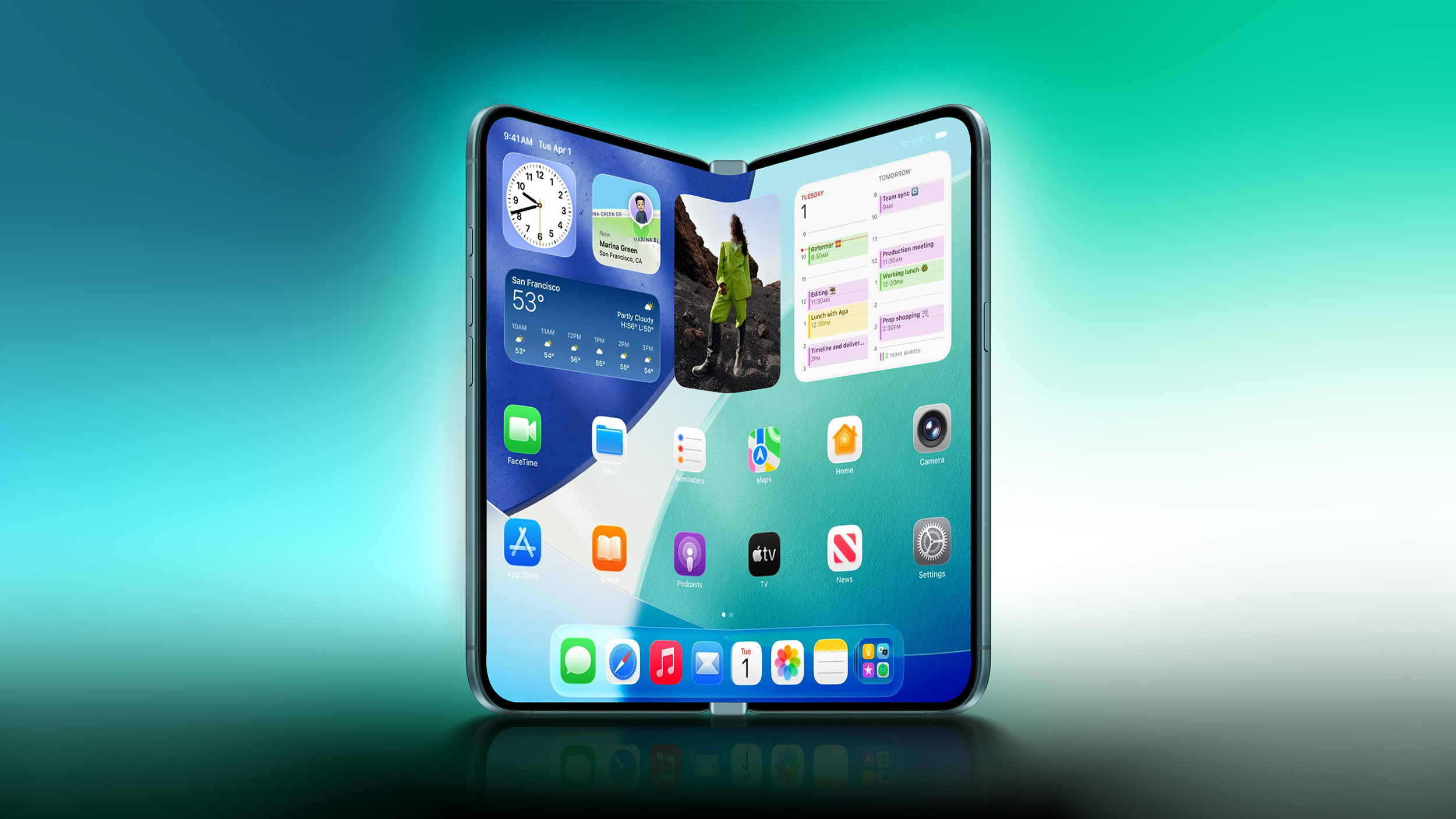
A large internal display offers immense potential, but its true value is unlocked by optimized software. Gurman states that testers have "praised the new iPad-like app layouts that take advantage of the larger internal display when the phone is unfolded." This is a crucial area where Apple's ecosystem strength truly shines. The company has years of experience optimizing applications for various screen sizes, from the smallest iPhone SE to the largest iPad Pro, and even the Apple Vision Pro. Leveraging its existing expertise with iPadOS, Apple can offer a highly refined and productive experience on the iPhone Ultra's expansive internal screen.
Imagine using two apps side-by-side seamlessly, managing complex spreadsheets, editing photos with greater precision, or enjoying immersive gaming and video content without squinting. The "iPad-like" description implies a sophisticated multitasking environment, possibly featuring improved split-screen functionality, floating windows, or unique app interfaces designed specifically for the unfolded canvas. This focus on software optimization means the larger screen isn't just bigger; it's smarter, more functional, and more capable of enhancing productivity, creativity, and entertainment. This thoughtful integration of hardware and software is often where Apple excels, setting its products apart in a crowded market.
The Camera Conundrum: A Closer Look at Potential Limitations
While the initial feedback on the iPhone Ultra's design and user experience is glowing, Gurman's report surfaces a notable area of concern: the camera setup. He points out that "the device lacks a telephoto lens, which could cost Apple some sales given the expected price." This is a significant detail, as camera performance has become a cornerstone of the premium smartphone experience, and Apple has long been a leader in mobile photography.
Understanding the Camera System: What's There and What's Missing
The report suggests the iPhone Ultra will feature a dual-lens rear camera system. This typically includes a primary wide-angle lens and an ultra-wide-angle lens. Specifically:
- 48-megapixel main lens: This high-resolution sensor is becoming standard in flagship iPhones. A 48MP main lens offers exceptional detail in well-lit conditions. It also enables advanced computational photography techniques like "pixel binning," where multiple pixels are combined into one larger "super-pixel" to capture more light in challenging low-light environments, resulting in brighter, less noisy photos. This also provides ample resolution for cropping images without significant loss of quality, giving users more flexibility in post-capture editing.
- Ultra-wide lens: This lens is perfect for capturing expansive landscapes, architectural shots, or large group photos where you want to fit more into the frame. It offers a unique perspective that can add drama and context to your images.
However, the significant omission is the **telephoto lens**. Modern premium smartphones, including Apple's Pro series iPhones and Samsung's Z Fold devices, typically include a telephoto lens, offering optical zoom capabilities. This lens allows users to zoom in on distant subjects without sacrificing image quality, which digital zoom often does by simply cropping and enlarging pixels. The absence of a telephoto lens means:
- No Optical Zoom: Users will rely solely on digital zoom for closer shots of distant objects, which inevitably leads to softer, less detailed images, especially at higher zoom levels.
- Compromised Portrait Photography: While software-driven portrait modes can simulate depth of field, a dedicated telephoto lens often provides a more natural and accurate background blur (bokeh) for portraits, making the subject stand out more effectively.
- Limited Versatility: The inability to optically zoom limits the device's versatility for capturing wildlife, sports, or any scenario where getting physically closer to the subject isn't possible.
Apple's Computational Photography: Can Software Compensate?
Apple has consistently pushed the boundaries of computational photography, using powerful processors and advanced algorithms to enhance images. Features like Deep Fusion, Smart HDR, and Cinematic Mode demonstrate Apple's ability to extract incredible detail and quality from its camera hardware. The question then becomes: can Apple's software magic sufficiently compensate for the hardware limitation of a missing telephoto lens?
While Apple might implement advanced digital zoom techniques that leverage the high-resolution 48MP main sensor (e.g., using a central crop of the full sensor data for a "lossless" 2x zoom, similar to what some devices do), it's generally accepted that optical zoom provides superior results for significant magnification. For many users who value camera performance, especially at the iPhone Ultra's expected premium price point, the absence of a dedicated telephoto lens could be a deal-breaker.
Interestingly, Gurman also states that the device "performs well as a camera viewfinder." This suggests that while the lens array might be limited, the expansive internal display significantly enhances the photography experience in other ways. A larger screen makes it easier to compose shots, review images instantly with greater detail, and navigate camera settings. This could be a compelling aspect for content creators or casual photographers who appreciate a more immersive viewing and editing experience directly on their device, even if the optical zoom capabilities are restricted.
Why the Compromise?
The decision to omit a telephoto lens is likely a deliberate one, driven by several factors inherent in designing a cutting-edge foldable device:
- Space Constraints: Foldable phones are engineering marvels packed with components. A telephoto lens module, especially one with periscope-style optics for extended zoom, requires significant internal space. Eliminating it frees up critical room for other components, like a larger battery or advanced hinge mechanisms.
- Thickness: Apple is renowned for its pursuit of thin and light designs. A telephoto lens adds to the overall thickness of the phone, particularly in the camera bump area. Achieving the rumored 4.5mm unfolded thickness would be extremely challenging with a comprehensive camera array.
- Cost: High-quality camera components, especially telephoto lenses, add to the manufacturing cost. Given the already expected high price point, this could be a way to manage expenses.
- Weight: Every component adds weight. For a device meant to be pocketable and comfortable, shedding unnecessary weight is often a priority.
Ultimately, this compromise highlights Apple's prioritization: a sleek, thin, and highly portable form factor, possibly at the expense of a fully featured camera system that would be expected on a non-foldable flagship at a similar price point. It forces potential buyers to weigh the benefits of the foldable design against the camera's limitations.
Design and Biometrics: Balancing Innovation with Practicality
Beyond the display and camera, several other design choices reveal Apple's strategy for the iPhone Ultra, particularly concerning biometrics and overall form factor.
Touch ID: A Traditional Approach for a Modern Device
In a surprising move for a high-end Apple device, the foldable iPhone Ultra is expected to "fall back on Touch ID integrated into the side button instead of in-display Face ID." This is presented as "a compromise Apple has reportedly made to keep it around 4.5mm thick when unfolded."
For years, Face ID has been Apple's flagship biometric authentication method, offering secure and convenient unlocking. The move back to Touch ID, even in a modern implementation on the side button, is noteworthy. This decision underscores the extreme engineering challenges associated with foldable displays. Integrating Face ID's complex TrueDepth camera system into a foldable screen, especially one that needs to be incredibly thin and durable, poses significant hurdles related to space, flexibility, and manufacturing yield.
However, as Gurman suggests, this "traditional biometric setup" might actually be preferred by "some users." Touch ID on the side button is a highly reliable and fast method of authentication. It's often quicker in situations where the phone is lying flat on a desk, or when wearing a mask. Many Android flagships, including some foldables, successfully employ this method. For users accustomed to this setup on devices like the iPad Air or certain Android phones, it might even be seen as a familiar and practical choice, prioritizing speed and reliability over the perceived "futuristic" aspect of in-display Face ID.
The emphasis on the 4.5mm unfolded thickness is critical here. Achieving such a slender profile for a device that essentially houses two screens and a complex hinge requires tough decisions. Sacrificing the internal space for Face ID's components for the sake of thinness indicates Apple's strong commitment to a sleek and lightweight design for its first foldable.
Display Dimensions: A Book-Style Design for Immersion
The report also provides concrete details about the iPhone Ultra's display sizes: "Like Samsung's recently released Z Fold 8, the iPhone Ultra is said have a 5.5-inch outer display and a roughly 7.8-inch inner display when opened, making for a wide book-style design."
This "book-style" design is characteristic of many current foldables, offering a compact external screen for quick tasks and a much larger, tablet-like internal screen for immersive experiences. Let's break down the implications:
- 5.5-inch outer display: This size is reminiscent of older, more compact iPhones, or even the iPhone SE. It's perfectly suited for one-handed use, quick notifications, checking messages, making calls, or navigating simple apps without needing to unfold the device. It provides immediate utility and maintains the traditional smartphone experience when a larger screen isn't necessary.
- 7.8-inch inner display: When unfolded, this offers a vast canvas. A 7.8-inch display is significantly larger than any current iPhone and approaches the size of the iPad Mini. This large internal screen is where the "iPad-like app layouts" will truly shine, enabling enhanced multitasking, immersive gaming, superior video consumption, and a more productive workflow. It’s ideal for detailed work, reading long articles, or enjoying media.
By opting for a similar form factor to Samsung's established Z Fold series, Apple is entering the market with a proven design paradigm. This wide, book-style foldable design offers the most direct "phone-to-tablet" transformation, maximizing the utility of both folded and unfolded modes. It's a pragmatic choice that leverages existing user familiarity with this form factor while applying Apple's signature polish and software integration.
Launch Details and Pricing: The Cost of Innovation
The final pieces of the puzzle revolve around when consumers can expect to get their hands on this innovative device and what impact it will have on their wallets.
Anticipated Launch Event: September's Big Reveal
Apple's first foldable is "set to be unveiled alongside the iPhone 18 Pro and iPhone 18 Pro Max at a launch event on or around September 9." This timing is significant. Apple typically holds its major iPhone launch events in September, making this a familiar and highly anticipated slot in the tech calendar. Launching the foldable alongside its next-generation flagship non-foldable iPhones signifies its importance within Apple's product lineup, positioning it as a premium, cutting-edge option for those seeking the ultimate mobile experience.
The simultaneous launch suggests a comprehensive strategy, offering traditionalists updated, powerful devices while introducing a completely new form factor for early adopters and tech enthusiasts. This approach allows Apple to dominate headlines across both segments of the smartphone market.
The Premium Price Tag: An Investment in the Future
Unsurprisingly, such advanced technology comes with a hefty price tag. Reports suggest the device "could start at $2,000 and even climb past $2,500 for higher storage tiers." This pricing places the iPhone Ultra firmly in the ultra-premium segment of the market, even above the most expensive traditional iPhones.
Several factors contribute to this high cost:
- Advanced R&D and Manufacturing: Foldable technology is still relatively new and complex to mass-produce. The research, development, and specialized manufacturing processes for flexible displays, sophisticated hinges, and intricate internal layouts are incredibly expensive.
- Premium Materials: Apple typically uses high-quality materials, and a foldable device likely incorporates durable, lightweight, and aesthetically pleasing components to justify its premium status.
- Early Adopter Tax: New, groundbreaking technologies often carry a higher price point initially, as manufacturers seek to recoup development costs and cater to an eager early adopter market willing to pay a premium for innovation.
- Market Positioning: Apple traditionally positions its most innovative products at the top tier of the market, and the iPhone Ultra is clearly designed to be a halo product that showcases Apple's engineering prowess and vision for the future of mobile computing.
This price point means the iPhone Ultra won't be for everyone. It targets affluent consumers, tech enthusiasts, and professionals who prioritize cutting-edge technology, unique form factors, and the seamless integration of Apple's ecosystem, and who are willing to invest significantly in their mobile device. The high price, combined with potential camera compromises, will undoubtedly be a key factor in its initial market adoption.
The Broader Foldable Landscape and Apple's Strategy
Apple's entry into the foldable market is a momentous occasion, signaling a maturing market and intensifying competition. Companies like Samsung, Google, Huawei, and Motorola have already been innovating in this space for several years, offering various foldable designs and experiences.
Apple's approach, as often seen with its entry into new product categories, tends to be deliberate and measured. Rather than being first to market, Apple typically waits, observes the competition, refines the technology, and then launches a highly polished and integrated product that aims to set a new standard. The iPhone Ultra, with its reported strengths in hinge durability, optimized software, and sleek design, appears to follow this strategy.
The impact of an Apple foldable device cannot be overstated. It will likely legitimize the foldable category further, attract more mainstream attention, and potentially drive innovation across the entire industry. Competitors will be watching closely to see how Apple addresses challenges like screen durability, crease visibility, and the software experience on a flexible display. The success of the iPhone Ultra could significantly influence the future direction of smartphone design and functionality for years to come.
Conclusion: A Glimpse into Apple's Foldable Future
Mark Gurman's insights paint a vivid picture of Apple's upcoming foldable iPhone Ultra. It emerges as a device brimming with promise, showcasing Apple's engineering prowess in crafting a durable, pocketable, and software-optimized foldable experience. The praise from early testers regarding its portability, robust hinge, and iPad-like app layouts points to a truly innovative and user-centric design.
However, the report also highlights the inevitable compromises required for such cutting-edge technology, particularly the absence of a telephoto lens and the reliance on Touch ID to achieve an incredibly thin profile. These trade-offs, combined with a premium price tag starting at $2,000, position the iPhone Ultra as a device for a specific segment of the market: those who prioritize a revolutionary form factor and Apple's ecosystem excellence above all else, even if it means a slightly less comprehensive camera system.
As the rumored September launch date approaches, the anticipation for the iPhone Ultra will only grow. It represents not just a new product, but Apple's definitive statement on the future of mobile technology, a future that is quite literally unfolding before our eyes.
This article, "Gurman: iPhone Ultra Wows Early Testers, Except for Its Camera" first appeared on MacRumors.com
Discuss this article in our forums
from MacRumors
-via DynaSage

Post a Comment