Camera AirPods Code Reveals Image Capture Resolution, Status Light, Person Detection, and More
Apple's Revolutionary Camera-Equipped AirPods: Unpacking the Code Secrets
Imagine a world where your earbuds do more than just play music. What if they could see, understand your surroundings, and even help you navigate the world with enhanced intelligence? This isn't science fiction anymore. Apple is actively developing camera-equipped AirPods, a groundbreaking innovation that promises to redefine wearable technology. Recent discoveries within Apple's macOS code, following a captivating demo video that surfaced earlier this week, have provided an unprecedented look into how these advanced earbuds might function.
The demo video itself, unearthed by MacRumors within the macOS Tahoe 26.7 release candidate, sparked immense excitement and speculation. But as often happens with Apple's meticulously crafted software, deeper secrets lay hidden beneath the surface. Further exploration of the code has unveiled an intricate framework that details the sophisticated imaging capabilities and "Visual Intelligence" that these future AirPods are designed to possess.
This isn't just about sticking a tiny camera onto an earbud. It's about integrating vision into a personal audio device, opening up a new dimension of contextual awareness and assistance that could fundamentally change how we interact with our digital and physical environments. The potential applications are vast, from accessibility enhancements to augmented reality overlays and deeply personal environmental insights. Let's delve into the fascinating technical revelations that paint a clearer picture of Apple's ambitious vision for the AirPods of tomorrow.
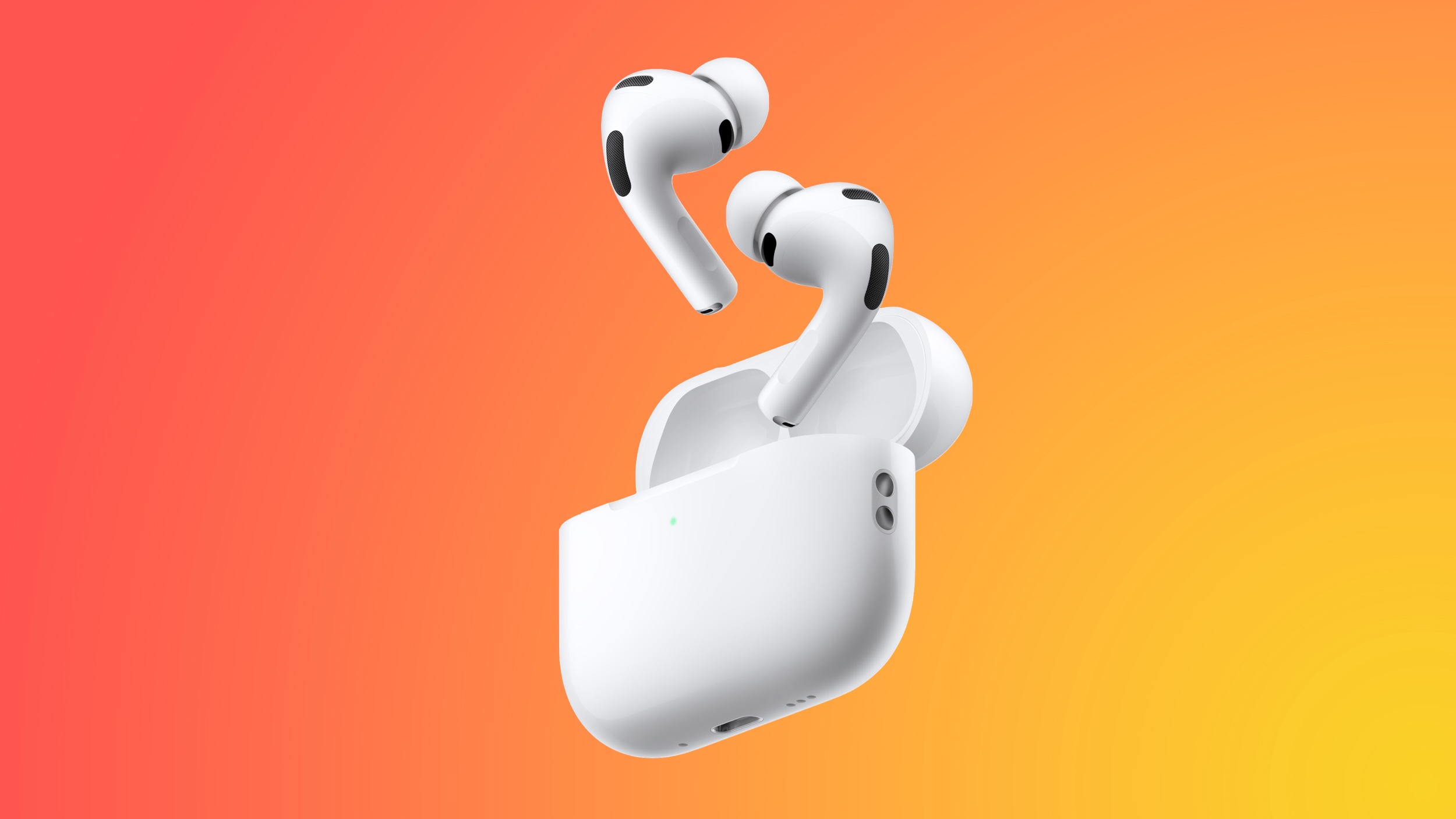
The Deep Dive: macOS Code Reveals Hardware Details
The journey into the inner workings of these futuristic AirPods began thanks to a keen observation by MacRumors forum member mactracker. This diligent user discovered a hidden macOS framework named "AccessorySensorManager." For those unfamiliar, a framework in software development is a collection of tools, libraries, and structures that provides a foundation for building applications. In this case, "AccessorySensorManager" is specifically designed to manage sensor data streaming from connected AirPods to a Mac, acting as the bridge between the physical hardware and the operating system's intelligence.
The discovery of this framework is significant because it's not just a theoretical concept; it's a tangible piece of software engineered to handle real-world sensor data. By analyzing the code within this framework, mactracker was able to pull back the curtain on several key features and operational specifics of Apple's camera-equipped AirPods, revealing a level of detail that goes far beyond initial speculation. These insights offer a fascinating glimpse into the intricate engineering and intelligent design considerations that Apple is pouring into its next-generation audio devices.
What the "AccessorySensorManager" framework unveiled wasn't just a single detail, but a comprehensive suite of capabilities, painting a picture of a device far more sophisticated than simply a camera on an earbud. It suggests a deeply integrated system designed for advanced environmental understanding and user interaction, laying the groundwork for what Apple refers to as "Visual Intelligence." Let's break down these critical findings one by one.
Dual Vision: How AirPods Capture Your World
One of the most striking revelations from the code is the confirmation that these AirPods are equipped with not one, but two camera sensors. The code indicates that both the left and right earbuds will house individual camera sensors. These aren't just independent cameras; they are designed to work in perfect harmony, capturing synchronized RGB (Red, Green, Blue) still images. These images can reach a resolution of up to 1 megapixel, and crucially, they come with matching frame IDs.
The significance of this dual-camera setup and synchronized capture cannot be overstated. By having two cameras, one on each earbud, the AirPods can capture the same scene from two slightly different angles simultaneously. This is the foundation of stereo vision, a crucial technology that allows a device to perceive depth and create a three-dimensional understanding of its environment, much like human eyes. With matching frame IDs, the system can precisely pair the images from each earbud, ensuring that the "Visual Intelligence" processing unit receives a coherent and accurate stereo pair.
This capability goes far beyond simple photography. It suggests that these AirPods are being engineered for advanced spatial awareness. Such a system could enable features like precise object tracking, real-time environmental mapping, and even augmented reality experiences directly through the AirPods. While the code specifically mentions RGB cameras for visible light, it doesn't rule out the possibility of other sensors, such as infrared cameras, which could provide additional depth data or function in low-light conditions. However, the primary focus evident in the code is on color imaging for comprehensive environmental understanding.
Still Images, Not Video: A Different Approach to Vision
Perhaps one of the most important distinctions to understand about the camera capabilities of these AirPods is their primary function: they are designed to take internal still frames for "Visual Intelligence" processing, rather than for traditional "taking pictures" or recording video in the way a smartphone does. This is a crucial design choice that highlights Apple's focus on contextual awareness and intelligence over conventional user-facing media capture.
The framework reveals two distinct modes of image capture: "active" and "passive." In "active" mode, the system can request a synced pair of images. This mode is likely triggered by a user, perhaps through a voice command to Siri, indicating an intentional interaction where the user wants the AirPods to "see" something specific. For example, a user might ask Siri to identify an object or provide information about their immediate surroundings, prompting an active capture.
The "passive" mode, on the other hand, operates more autonomously. In this mode, the AirPods can receive a capture rate, where pairs of still images are continually sent to the processing unit at a specified interval. This continuous, background capture is essential for constant environmental awareness, allowing the "Visual Intelligence" to monitor changes, detect patterns, and gather contextual data without direct user initiation. This distinction is key to managing battery life, processing power, and ensuring the cameras serve their intended purpose as intelligent sensors rather than just recording devices.
By focusing on still frames, Apple likely aims to optimize for specific types of data processing, such as object recognition, scene analysis, and spatial mapping, which can be performed efficiently on discrete image pairs. This approach helps conserve battery power, reduces the amount of data transmitted, and allows for more immediate, on-device intelligence without the continuous resource drain of full-motion video recording.
Understanding Image Resolutions and Their Purpose
The resolution at which these AirPods capture images varies significantly between the "active" and "passive" modes, reflecting their different operational goals. This intelligent design ensures that the earbuds consume only the necessary resources for the task at hand, optimizing both performance and battery efficiency.
Active Mode: User-Triggered High Fidelity
In "active" mode, which is likely engaged when a user deliberately interacts with the AirPods (for instance, via a Siri command asking for information about something they are looking at), the system captures a 640x640 pixel image. While this might seem modest by smartphone camera standards, it's about 0.4 megapixels of sampled image data. However, the framework then processes this into a larger 1024x1024 pixel output image, which is a little over 1 megapixel. As mactracker explains, this indicates that the system is not just raw capture, but involves significant on-device processing to enhance and interpret the visual information. The higher output resolution suggests that while the raw capture is efficient, the "Visual Intelligence" framework can generate a more detailed and refined image for analysis, providing richer data for complex tasks.
Passive Mode: Background Environmental Awareness
Conversely, "passive" mode, intended for continuous background monitoring and environmental awareness, operates at a lower resolution to conserve power and processing resources. In this mode, the AirPods capture a 320x320 pixel image. This captured data can then be processed and returned as either a 320x320 or a 512x512 pixel output. The lower resolution for passive capture is perfectly suited for tasks that don't require pixel-perfect detail, such as detecting movement, changes in light, or the presence of nearby objects. It's about gathering sufficient contextual information efficiently.
It's important to note, as mactracker adds, that these "capture-specific resolutions" do not necessarily represent the physical sensor's native resolution. It's plausible that the actual camera sensors themselves are capable of capturing images at a higher native resolution, but the system is programmed to extract and process data at these specific, optimized resolutions depending on the mode. This flexibility allows Apple to balance hardware capabilities with the specific computational and power constraints of a tiny, wearable device like an AirPod, ensuring effective performance for its "Visual Intelligence" goals.
Passive Mode: Your Environmental Guardian
The concept of "passive" mode is particularly intriguing as it highlights the AirPods' potential to act as a continuous, intelligent observer of your immediate environment. This mode appears to be specifically designed for "background environmental awareness," meaning the AirPods can gather visual information about your surroundings without explicit prompts or continuous user interaction. This capability could unlock a new realm of proactive assistance and contextual understanding, moving beyond simple audio input.
The framework mentions several "contextual conditions" that could potentially trigger a camera capture in passive mode. These include:
- Nearby speech: Detecting conversations or voices around you.
- Changes in the surrounding audio: Noticing sudden loud noises, specific sound patterns, or shifts in ambient soundscapes.
- Posture changes: Recognizing if you lean, stand, or change your body orientation.
- Head rotation: Tracking where you are looking or turning your head.
- Movement outside a defined area: Detecting objects or people entering or leaving your field of view.
While the code doesn't definitively state that every single one of these conditions triggers a camera capture, their inclusion strongly suggests a sophisticated system where visual input is intelligently integrated with audio and motion data. For instance, if the AirPods detect a sudden change in audio (like a car horn), they might quickly capture an image to visually identify the source or context of that sound. Or, if you turn your head sharply, the passive mode might take a snapshot to update the "Visual Intelligence" on your new field of view.
The potential applications for such an always-aware system are profound. For accessibility, it could mean real-time alerts about hazards in your path, recognizing faces of approaching individuals, or providing descriptive narration of your environment. For productivity, it might help filter out distractions or suggest relevant information based on what you're looking at. For general everyday use, it could enhance augmented reality experiences by constantly updating a digital overlay of your surroundings or offering contextual information about points of interest as you move through a city. Of course, such constant environmental monitoring also brings significant privacy implications, which Apple would undoubtedly need to address with robust safeguards and clear user controls.
Handling Head Movement: Smart Stabilization for Clear Vision
One of the most significant challenges for any camera system embedded in a wearable device, especially one worn on the head, is dealing with constant movement. Our heads are rarely perfectly still; we walk, turn, nod, and make subtle adjustments all the time. For the "Visual Intelligence" of AirPods to function effectively, it needs a stable and accurate stream of visual data, even amidst this natural motion. The "AccessorySensorManager" framework reveals that Apple has built in sophisticated mechanisms to tackle this very problem.
The code includes several critical features aimed at ensuring clarity and reliability:
- Lens distortion correction: Tiny camera lenses, especially wide-angle ones needed for a broad field of view from an earbud, often introduce distortions (like fisheye effects). The AirPods' system can digitally correct these distortions, ensuring that the images processed by Visual Intelligence are geometrically accurate.
- Dual-camera calibration: For the two cameras (one in each earbud) to provide accurate depth perception, they must be precisely calibrated relative to each other. This feature ensures that the stereo images are aligned perfectly, allowing the "Visual Intelligence" to correctly calculate distances and build a coherent 3D model of the environment.
- Camera-to-motion sensor calibration: AirPods already contain accelerometers and gyroscopes to track head movement and orientation. This calibration ensures that the visual data captured by the cameras is accurately correlated with the AirPods' (and thus the user's head's) precise movement. This synchronization is crucial for understanding *where* the AirPods are looking and *how* that view is changing over time.
Furthermore, the system is designed to be smart enough to filter out unreliable data. The framework indicates that it can "reject images affected by excessive movement or an occluded view." This means if you're jogging vigorously, or if an earbud's camera is accidentally covered by hair or clothing, the system won't waste processing power on blurry or obstructed images. Instead, it will intelligently discard them, waiting for a clearer capture. This level of self-correction is vital for maintaining the accuracy and efficiency of the "Visual Intelligence," ensuring that the AirPods provide reliable and meaningful information regardless of real-world usage conditions.
On-Device Intelligence and Privacy: "Peripheral Inference"
In an age where data privacy is paramount, especially when dealing with personal sensing devices, Apple's approach to processing is always a key area of interest. The code discovered in the "AccessorySensorManager" framework offers a promising glimpse into how these camera-equipped AirPods will handle sensitive visual data: through "peripheral inference."
"Peripheral inference" refers to the concept of performing computational analysis and making deductions directly on the "peripheral" device itself—in this case, the AirPods—rather than sending raw data to a connected device like an iPhone or Mac, or even worse, to cloud servers. The framework specifically mentions "on-device detection of whether a person is in view." This means that the AirPods themselves, equipped with their own processing capabilities, can analyze the captured still images to determine if a human figure is present within their field of view.
This commitment to on-device processing is a cornerstone of Apple's privacy philosophy. By performing initial analysis on the AirPods, sensitive raw image data can be processed into more abstract, privacy-preserving information (e.g., "person detected," "object identified") before being shared with other devices or applications. This minimizes the amount of potentially identifiable raw visual data that ever leaves the earbud itself, significantly enhancing user privacy and security.
Beyond privacy, on-device inference also offers substantial performance benefits. Processing data at the source reduces latency, allowing the "Visual Intelligence" to react more quickly to environmental changes. It also reduces the need for constant, high-bandwidth communication with a connected device, thereby conserving battery life on both the AirPods and the host device. This intelligent distribution of processing power is a hallmark of sophisticated, privacy-focused wearable technology.
The Crucial Indicator Light: Transparency and Trust
Any device that can record or capture information about its surroundings, especially in a discreet form factor like an earbud, raises immediate privacy concerns, not just for the user, but for those around them. Apple is clearly aware of this, and the code points to a thoughtful solution: a visible "capture indicator light."
The "AccessorySensorManager" framework contains code that allows it to remotely control a "hardware indicator and its brightness." This strongly suggests that each AirPod will feature a small, illuminated light designed to signal when the cameras are actively capturing still images. Much like the green indicator light on the camera of a MacBook or iPhone, this light would serve as a crucial visual cue, letting other people in the vicinity know that the AirPods' cameras are engaged.
This feature is a testament to Apple's commitment to transparency and social etiquette in its product design. It addresses potential discomfort or privacy invasions that could arise from a seemingly inconspicuous device silently recording visual information. By providing a clear, visible signal, Apple helps foster trust and ensures that the use of these advanced AirPods is respectful of others' privacy.
The ability to control its brightness also offers flexibility. For instance, the light could be brighter in well-lit environments to be easily noticeable, and perhaps dimmer in darker settings to avoid being overly intrusive, while still fulfilling its primary purpose of notification. This thoughtful integration of a physical indicator light underscores Apple's holistic approach to designing products that are not just technologically advanced, but also socially responsible and privacy-conscious.
The Future Vision: From Code to Reality (with a Caveat)
While the discoveries within the macOS code provide an incredibly detailed and exciting look at Apple's plans for camera-equipped AirPods, it's crucial to understand the context and potential caveats. The AirPods shown in the initial demo video, which featured cameras, were identified as a version of the AirPods Pro 3 with the codename B790. However, respected Bloomberg journalist Mark Gurman has reported that Apple no longer plans to release this specific B790 model.
Instead, Gurman suggests that Apple is now focusing its efforts on a new generation of AirPods with cameras, codenamed B798. This distinction is significant: it means that the detailed framework and features uncovered in the macOS code, while illuminating Apple's general direction and engineering prowess, are likely related to the *canceled* B790 model. Therefore, these findings should be viewed as an indication of *how Apple's camera-equipped AirPods could work*, rather than a guaranteed blueprint of the final product's features.
Technology evolves rapidly, and Apple often prototypes numerous ideas before settling on a final design. The core concepts—dual cameras, Visual Intelligence, active/passive modes, on-device processing, and a privacy indicator light—are highly likely to carry over to the B798 and subsequent models. However, specific resolutions, exact operational parameters, and even the form factor could be refined and changed. Gurman predicts that the B798 camera-equipped AirPods are currently planned for a 2027 launch, potentially coinciding with the release of the 20th-anniversary iPhone. This extended development timeline provides ample opportunity for Apple to further innovate, refine, and integrate these advanced capabilities into a truly polished product.
The shift from B790 to B798 underscores Apple's iterative development process and its commitment to delivering the best possible user experience. While we might not see the exact B790 features, the underlying philosophy and technological ambition revealed in the code provide a robust foundation for what promises to be a revolutionary leap in personal technology. The anticipation for these intelligent earbuds, capable of augmenting our perception of the world, only grows stronger with each new piece of information.
Conclusion: A Glimpse into the Future of Wearable Tech
The discovery of the "AccessorySensorManager" framework within macOS Tahoe 26.7 has pulled back the curtain on one of Apple's most ambitious and potentially transformative projects: camera-equipped AirPods. Far from being a mere gimmick, these revelations suggest a deeply integrated system designed to enhance our perception, understanding, and interaction with the world around us through "Visual Intelligence."
From the precise synchronization of dual 1-megapixel cameras providing stereoscopic vision, to the intelligent distinction between "active" user-initiated captures and "passive" background environmental awareness, every detail uncovered points to a meticulously engineered device. The varying resolutions for different modes, the robust stabilization mechanisms to counteract head movement, and the emphasis on on-device "peripheral inference" all highlight Apple's commitment to both efficiency and privacy.
Perhaps most importantly, the inclusion of a remote-controlled hardware indicator light demonstrates Apple's proactive approach to addressing the inherent privacy concerns that come with discreet imaging devices. This commitment to transparency and user trust will be crucial as such advanced wearables become more commonplace.
While the specific model discussed in the code (B790) may be an earlier iteration, the core principles and technological foundations laid out in the "AccessorySensorManager" framework offer an exciting preview of Apple's future. The projected 2027 launch for the next-generation B798 AirPods, possibly alongside a landmark iPhone, positions these camera-equipped earbuds as a pivotal step in the evolution of personal computing. We are on the cusp of a new era where our earbuds will not only connect us to sound but also to a deeper, more intelligent understanding of our visual world.
This article, "Camera AirPods Code Reveals Image Capture Resolution, Status Light, Person Detection, and More" first appeared on MacRumors.com
Discuss this article in our forums
from MacRumors
-via DynaSage

Post a Comment