Apple Watch Series 12 to Get Fitness Tracking Upgrades
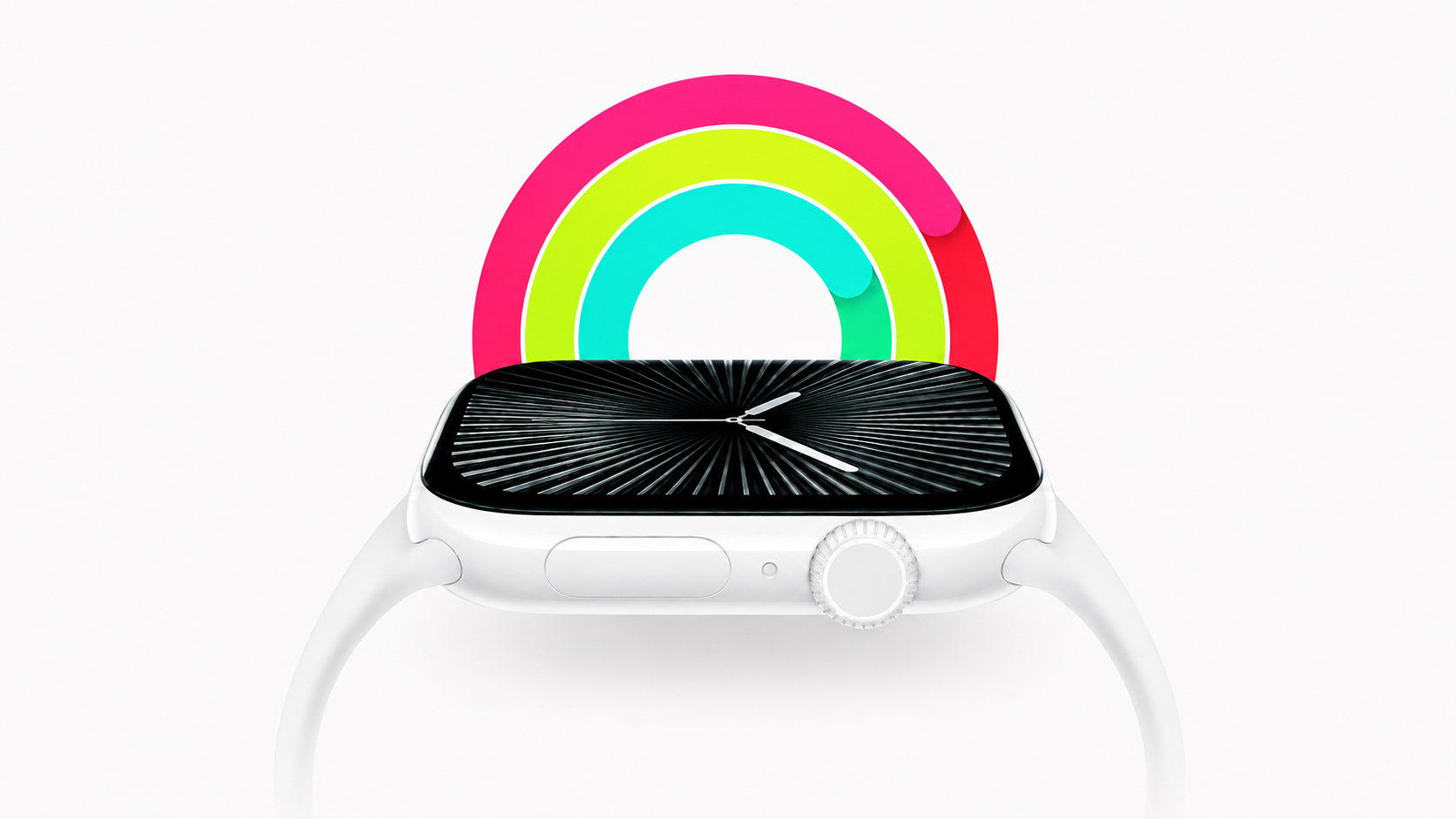 Exciting news is brewing in the world of wearable technology, as Apple gears up to release its latest iteration of the iconic Apple Watch. According to a recent report from Mark Gurman of Bloomberg, the upcoming Apple Watch models, likely the Series 12, are set to receive notable enhancements, particularly in the realm of fitness tracking. While Gurman characterized the overall changes to this year's lineup as "minor," the focus on improving health and wellness features suggests Apple's continued commitment to making its smartwatch an indispensable tool for personal well-being.
This isn't the first time we've heard whispers of such improvements. Gurman had shared similar insights back in July, highlighting expectations for faster performance and better health and fitness tracking capabilities. Crucially, these enhancements are anticipated without any major design overhaul, indicating that the familiar aesthetic of the Apple Watch is here to stay for at least another generation. For many users, incremental improvements to core functionalities like fitness and performance are often more valuable than purely cosmetic changes, especially when they contribute to a more reliable and insightful health companion on their wrist.
The Subtle Evolution: What "Minor" Changes Really Mean for Apple Watch Series 12
When an industry insider like Mark Gurman describes upcoming changes as "minor," it can sometimes dampen enthusiasm. However, in the context of Apple's meticulously planned product cycles, "minor" doesn't necessarily mean insignificant. For the Apple Watch, a device that has seen multiple iterations and refined its core offerings over the years, minor often translates to meaningful under-the-hood improvements that enhance user experience without necessitating a radical redesign. These could include more efficient processors, updated sensors, and software optimizations that leverage existing hardware in new ways.
A lack of a design overhaul typically implies that the form factor, screen size, and perhaps even the compatibility with existing bands will remain consistent. This is good news for users who have invested in a collection of bands or appreciate the current look and feel of their Apple Watch. Instead of focusing on outward appearances, Apple seems to be doubling down on what makes the Apple Watch truly powerful: its ability to track, monitor, and empower users in their health and fitness journeys.
The "minor" descriptor also suggests that Apple might be holding back bigger, more revolutionary features for future generations. This is a common strategy in tech, allowing companies to perfect existing technologies while developing groundbreaking innovations behind the scenes. For the Series 12, this means we can expect a more polished, more capable version of the Apple Watch we already know and love, rather than a completely reimagined device.
Diving Deep: The Future of Fitness Tracking on Your Wrist
The core of the Series 12's anticipated upgrades lies in its enhanced fitness tracking capabilities. The Apple Watch has long been a leader in this area, offering comprehensive activity tracking, robust workout metrics, and crucial health insights like heart rate monitoring and ECG readings. With each new generation, Apple refines these features, making them more accurate, more insightful, and more integrated into users' daily lives.
Enhanced Sensor Technology for Greater Accuracy
One of the most likely avenues for improved fitness tracking is through upgraded sensors. While the current sensors are highly capable, continuous advancements in biosensor technology could lead to even greater accuracy. This might involve:
- More precise heart rate monitoring: Especially during high-intensity workouts or for detecting subtle irregularities.
- Improved GPS accuracy: Essential for outdoor activities like running, cycling, and hiking, ensuring more reliable distance and pace tracking without needing to carry a phone.
- Enhanced motion sensors: Accelerometers and gyroscopes could become even more sensitive, leading to better recognition of various workout types, more accurate step counts, and potentially new ways to track movement and recovery.
- Better temperature sensing: While present in some models for cycle tracking, broader applications for fitness recovery or early illness detection could be explored.
These sensor improvements aren't just about raw data; they're about providing users with more trustworthy information, allowing them to make better decisions about their training, recovery, and overall health.
Unlocking New Health Metrics and Insights
Beyond existing metrics, the Series 12 could introduce new ways to understand our bodies. While specific new health sensors (like non-invasive blood glucose or blood pressure monitoring) are often rumored for future watches and are complex to implement, "fitness tracking upgrades" could still encompass:
- Advanced Recovery Metrics: Building on sleep tracking, the watch could offer more nuanced insights into recovery status, readiness for exercise, and stress levels, potentially using heart rate variability (HRV) with greater precision.
- Form Analysis for Workouts: Leveraging improved motion sensors and machine learning, the watch might offer real-time feedback on certain workout forms, like squat depth or running stride, to help prevent injuries and improve efficiency.
- Enhanced Hydration Tracking: While currently a manual input, future Apple Watches might explore passive ways to estimate hydration levels or provide smarter reminders based on activity and environmental factors.
- Environmental Health Insights: Integration with air quality data or UV exposure monitoring could become more sophisticated, offering warnings and recommendations for outdoor activities.
These new metrics would move the Apple Watch beyond just tracking activity to becoming a more proactive health coach, offering personalized guidance and insights.
Improving Activity Rings and Gamification
The iconic Activity Rings (Move, Exercise, Stand) are a cornerstone of the Apple Watch experience, brilliantly gamifying daily activity. Enhancements here might not mean new rings, but rather smarter ways to achieve them or more personalized goals. This could include:
- Smarter Goal Setting: Goals that adapt more dynamically to a user's fitness level, recent activity, and even recovery needs.
- More Engaging Challenges: New types of personal challenges or competitive elements within the Activity app to keep users motivated.
- Improved Haptic Feedback: More nuanced vibrations and alerts to encourage movement or signify progress throughout the day.
- Enhanced Integration with Apple Fitness+: Seamlessly connecting workouts from Apple Fitness+ with daily activity goals, making it easier to close rings and track progress.
The goal is to make the Activity Rings an even more compelling and personalized motivator for a healthier lifestyle.
Precision GPS and Outdoor Workouts
For outdoor enthusiasts, GPS accuracy is paramount. Whether it's tracking a marathon, mapping a hiking trail, or logging a bike ride, reliable GPS data is crucial. The Series 12 could see improvements that lead to:
- Multi-band GPS: Similar to what's found in high-end sports watches, this technology uses multiple satellite frequencies to provide more accurate positioning, especially in challenging environments like cities with tall buildings or dense forests.
- Faster GPS Lock-on: Reducing the time it takes for the watch to acquire a satellite signal before a workout.
- Improved Route Mapping: More precise mapping of routes and elevation profiles, offering a clearer picture of outdoor activities.
These enhancements would make the Apple Watch an even more reliable companion for adventurers and outdoor athletes.
Deeper Integration with Apple Fitness+ and the Health Ecosystem
Apple's ecosystem approach is one of its greatest strengths. The Apple Watch doesn't exist in a vacuum; it's part of a larger network of devices and services. Enhanced fitness tracking will undoubtedly tie into Apple Fitness+, the company's subscription workout service. We could see:
- More granular metrics during Fitness+ workouts: Providing real-time data on screen that goes beyond heart rate, perhaps incorporating more advanced movement analysis.
- Personalized Workout Recommendations: The watch could use its improved tracking data to suggest Fitness+ workouts that align with a user's current fitness level, recovery needs, and goals.
- Enhanced "Time to Walk/Run" features: Leveraging better GPS and potential new audio capabilities for an even more immersive experience.
This deeper integration would solidify the Apple Watch's role as the central hub for Apple's holistic health and fitness offerings.
Under the Hood: The Promise of Faster Performance
Gurman's mention of "faster performance" is another key takeaway. While fitness features often steal the spotlight, a snappier, more responsive operating system significantly improves the day-to-day user experience. For the Apple Watch, faster performance could mean:
- Smoother User Interface: Navigating watchOS, opening apps, and scrolling through complications will feel more fluid and immediate.
- Quicker App Launches: Apps will load faster, reducing wait times and making the watch feel more capable as a standalone device.
- More Efficient Sensor Processing: The new chip could handle the increased data from enhanced fitness sensors with ease, leading to faster data analysis and real-time insights.
- Improved Battery Life Management: Often, more efficient processors don't just make things faster, they also consume less power for the same tasks, potentially leading to better battery life or allowing for more features without draining the battery faster.
- Enhanced On-Device Machine Learning: A more powerful chip can run more sophisticated machine learning algorithms directly on the watch, leading to smarter, more personalized health insights without constant reliance on a connected iPhone.
These performance boosts, while seemingly minor, contribute significantly to the overall premium feel and utility of the Apple Watch, making every interaction more satisfying.
A Look Back: The Apple Watch Journey So Far
To truly appreciate the anticipated "minor" upgrades of the Series 12, it's helpful to briefly reflect on the Apple Watch's journey. Since its debut, the device has undergone a remarkable evolution:
- Original Apple Watch (2015): Introduced the concept of a smartwatch from Apple, focusing on notifications, fitness, and fashion.
- Series 2 (2016): Added GPS and water resistance, making it a true fitness companion for swimmers and runners.
- Series 3 (2017): Brought cellular connectivity, allowing users to make calls and stream music without their iPhone.
- Series 4 (2018): Featured a significant design refresh with a larger, edge-to-edge display and introduced the ECG app for detecting atrial fibrillation.
- Series 5 (2019): Introduced an always-on display, a compass, and improved international emergency calling.
- Series 6 (2020): Added blood oxygen monitoring and a faster S6 SiP.
- Series 7 (2021): Featured an even larger, more durable display with faster charging.
- Series 8 (2022): Introduced temperature sensing for advanced cycle tracking and crash detection.
- Apple Watch Ultra (2022): A rugged, high-end model for extreme sports with a larger battery and customizable action button.
- Series 9 (2023): Boasted the new S9 SiP with Double Tap gesture and improved Siri.
- Apple Watch Ultra 2 (2023): Enhanced Ultra with brighter display, S9 SiP, and Double Tap.
Each generation has built upon the last, incrementally adding features that solidify its position as a market leader. Given this trajectory, a year of "minor" yet impactful internal upgrades makes sense, focusing on perfecting the existing experience before potentially launching a groundbreaking new feature or design in the future.
Navigating the Buyer's Dilemma: Should You Upgrade?
The provided "Buyer's Guide: Apple Watch (Don't Buy)" link raises an important point that many consumers face. This advice typically appears when a new model is imminent, suggesting that potential buyers should hold off on purchasing the current generation because a newer, potentially better, one is just around the corner. It's a pragmatic recommendation for those who want the latest and greatest, or who are looking for specific improvements that the current model lacks.
For the Apple Watch Series 12, this advice is particularly relevant. If the fitness tracking upgrades and faster performance are appealing, waiting for the new model is a sound strategy. However, the decision to upgrade (or buy for the first time) isn't always straightforward:
- For existing users with recent models (Series 9, Ultra 2, Series 8): The "minor" upgrades might not be compelling enough for an annual upgrade. Unless there's a specific fitness metric or performance boost that directly addresses a current need, their current watch likely still serves them very well.
- For users with older models (Series 7 or earlier): The cumulative improvements over several generations – faster performance, better battery life, more advanced health sensors, larger displays – might make the Series 12 a very attractive upgrade. The enhanced fitness tracking could be the tipping point.
- For first-time buyers: Waiting for the Series 12 makes sense to get the most up-to-date technology. However, if budget is a concern, previous models often see price drops once new ones are released, offering excellent value.
Ultimately, the "Don't Buy" advice is a strategic nudge to consider future releases. For the Series 12, it implies that the incoming model, despite "minor" changes, will still offer a superior experience, especially for health and fitness enthusiasts.
Beyond Series 12: What's Next for the Apple Watch?
While the Series 12 focuses on refinement, the rumor mill is always buzzing about what revolutionary features might come to the Apple Watch in subsequent generations. These often include major health breakthroughs that could solidify its role as a medical device:
- Non-invasive Blood Glucose Monitoring: A holy grail for diabetes management, allowing users to track blood sugar levels without needles. This technology is incredibly complex but would be a game-changer.
- Blood Pressure Monitoring: Another highly anticipated feature that would provide continuous or on-demand blood pressure readings, crucial for managing hypertension.
- Micro-LED Displays: Offering even brighter, more power-efficient screens with better contrast and longevity than current OLED panels.
- Camera Integration: While tricky due to size and privacy concerns, a tiny camera could open up new possibilities for communication and interaction.
- Modular Designs: Some concepts envision modular Apple Watches where users could swap out sensors or components.
- Satellite Connectivity: Expanding emergency features beyond cellular networks, similar to what's seen on some iPhone models.
These future innovations highlight Apple's long-term vision for the Apple Watch: not just a notification device or a fitness tracker, but a comprehensive health and wellness platform that pushes the boundaries of wearable technology. The Series 12, with its focused fitness upgrades, is another step along this ambitious path.
The Competition and Apple's Edge
The smartwatch market is competitive, with strong offerings from brands like Samsung, Google (Pixel Watch), Garmin, and Fitbit. Each competitor has its strengths, from Garmin's deep dive into sports-specific metrics and battery life to Fitbit's focus on holistic health tracking. However, Apple Watch consistently holds a dominant position, and here's why:
- Seamless Ecosystem Integration: The tight integration with iPhone, AirPods, and other Apple services (like Apple Fitness+) creates a user experience that's hard for competitors to match.
- Comprehensive Health Features: From ECG to blood oxygen, fall detection, and crash detection, the Apple Watch offers a robust suite of health and safety features that often lead the industry.
- Intuitive watchOS: Apple's operating system for the watch is generally praised for its ease of use, app availability, and fluid navigation.
- Design and Customization: While the Series 12 might not have a design overhaul, the Apple Watch's iconic design and vast array of customizable bands appeal to a broad audience.
- Developer Ecosystem: A vibrant app store with thousands of third-party applications further extends the watch's utility.
The Series 12's focus on enhancing fitness tracking and performance reinforces Apple's commitment to these core strengths, ensuring it remains a formidable player in the wearable space.
Conclusion: A Smarter, Fitter Wrist Companion on the Horizon
The Apple Watch Series 12, while perhaps not bringing a radical new look, promises to be a significant step forward in making our wrists even smarter and healthier companions. Mark Gurman's insights point towards a device that will excel where it matters most: providing more accurate, insightful, and comprehensive fitness and health tracking, all powered by a snappier, more efficient processor.
For those deeply invested in their fitness journey or looking for a more robust health monitoring tool, these "minor" upgrades could make a major difference. The continuous refinement of sensor technology, the potential for new health metrics, and the seamless integration with Apple's growing health ecosystem all contribute to a compelling reason to anticipate the Series 12. As Apple continues to evolve its most personal device, users can look forward to an even more capable and intuitive tool for managing their well-being.
This article, "Apple Watch Series 12 to Get Fitness Tracking Upgrades" first appeared on MacRumors.com
Discuss this article in our forums
from MacRumors
-via DynaSage

Post a Comment