
Apple Wallet Driver's License Feature to Launch in Four More U.S. States
Your Digital ID is Expanding: Apple Wallet Driver's Licenses Coming to More States
In our increasingly digital world, the way we manage our personal information and prove our identity is rapidly evolving. One of the most significant advancements in this area is the ability to carry your driver's license or state ID on your iPhone and Apple Watch, integrated seamlessly into the Apple Wallet app. This feature offers a convenient, secure, and private way to display proof of identity or age at various locations, from select airports and businesses to certain applications.
Initially rolled out in a limited number of U.S. states, the program is steadily growing, signaling a major shift towards digital identification. Exciting news has recently surfaced, indicating that this convenient and secure feature is set to expand its reach to four additional states, further solidifying its presence across the country. This expansion is a testament to the growing acceptance and trust in digital identity solutions, making daily life a little bit easier and more secure for millions of Americans.
Let's dive into what this means for residents in these new states, how the system works, and why carrying your ID on your Apple device might just be the future of personal identification.
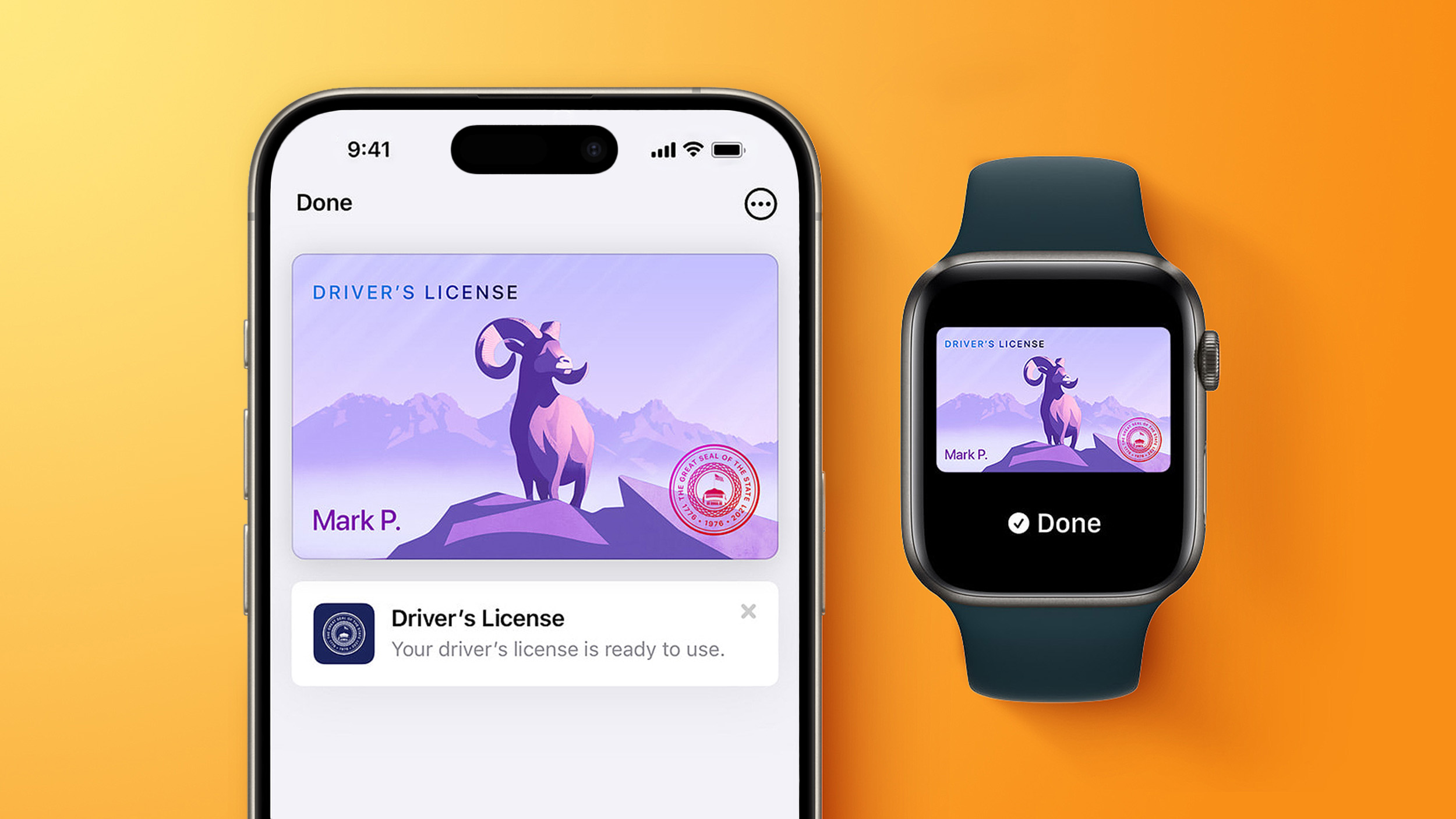
The Growing Map of Digital Identity: New States Join the Fold
The journey towards widespread digital identity in the United States continues to gain momentum. While several states have already adopted the Apple Wallet ID feature, the latest reports and insights from Apple's own code suggest a significant expansion. This development marks a crucial step in making digital identification more accessible nationwide, offering residents greater flexibility and security in how they manage their proof of identity.
According to recent announcements and technical evidence, the Apple Wallet ID program is confirmed to be heading to four more U.S. states. This expansion reflects a growing recognition among state governments of the benefits and increasing demand for secure, mobile-first identity solutions. For residents in these new states, this means the eventual ability to leave their physical wallet behind more often, relying instead on the devices they already carry every day.
North Carolina Leads with a Clear Rollout Plan
Among the newly announced states, North Carolina has provided the most detailed roadmap for its digital ID implementation. Just a few days ago, the North Carolina Department of Motor Vehicles (DMV) officially announced its plans to launch a comprehensive mobile ID program later this year. This proactive approach by North Carolina's DMV demonstrates a clear commitment to embracing modern technology for citizen services.
As reported by WRAL, residents of North Carolina will first be able to set up their digital identification through a new, dedicated "NC Wallet" app. This initial rollout is slated for December, providing an early opportunity for citizens to experience mobile ID. Following this launch, broader support for major digital wallet platforms, including Apple Wallet, Google Wallet, and Samsung Wallet, is anticipated to arrive in "early 2027." This staggered approach allows the state to fine-tune its system while gradually integrating with the widely used platforms consumers prefer.
The inclusion of North Carolina, with its clear timeline and multi-platform strategy, highlights the serious intent behind these digital identity initiatives. It also sets a precedent for how other states might approach their own rollouts, often beginning with a proprietary solution before extending compatibility to established tech giants.
Oklahoma, Utah, and Virginia: Next in Line
Beyond North Carolina's explicit announcement, evidence found within Apple's internal code, as observed by MacRumors, indicates that Apple Wallet IDs are also slated to arrive in Oklahoma, Utah, and Virginia. While specific timelines for these states have not yet been publicly disclosed, their inclusion in Apple's development plans signifies that official launches are indeed on the horizon.
The discovery of these states in Apple's code is often a reliable indicator of upcoming features. It suggests that the technical groundwork is being laid, and agreements between Apple and these state DMVs are likely either in progress or have been finalized. Residents in Oklahoma, Utah, and Virginia can look forward to the eventual availability of this convenient feature, though patience may be required until official announcements are made detailing their respective launch schedules.
In total, the Apple Wallet ID feature is expanding to these four states:
- North Carolina
- Oklahoma
- Utah
- Virginia
How to Set Up Your Digital ID in Apple Wallet
Adding your driver's license or state ID to Apple Wallet is designed to be a straightforward and secure process. Once the feature becomes available in your state, you can transform your physical card into a digital equivalent, ready to be used with your iPhone or Apple Watch. Here's a detailed guide on how to set up your digital ID:
Prerequisites for Digital ID Setup
- Compatible iPhone: You'll need an iPhone 8 or later running the latest version of iOS.
- Compatible Apple Watch: For Apple Watch integration, you'll need an Apple Watch Series 4 or later running the latest version of watchOS.
- Your Physical Driver's License or State ID: Have your current, unexpired physical ID card handy, as you'll need to scan it during the setup process.
- Face ID or Touch ID Enabled: For security purposes, Face ID or Touch ID must be set up and enabled on your iPhone.
Step-by-Step Setup Process:
- Open the Wallet App: On your iPhone, locate and open the pre-installed Wallet app. This is the same app where you might store credit cards, debit cards, transit passes, or loyalty cards.
- Tap the Plus Sign: In the top-right corner of the Wallet app interface, you'll see a small plus sign (+) icon. Tap on this to begin adding a new item to your wallet.
- Select "Driver's License and ID Cards": From the list of options that appears, tap on "Driver's License and ID Cards." You might see a brief explanation of the feature and its benefits.
- Choose Your State: A list of participating states will be displayed. Select your state from this list. If your state is not listed, the feature is not yet available there.
- Follow On-Screen Instructions: This is the most crucial part, as the exact steps may vary slightly by state, but generally include:
- Scanning Your Physical ID: You'll be prompted to scan both the front and back of your physical driver's license or state ID card. The Wallet app uses your iPhone's camera for this, guiding you to align the card correctly.
- Confirming Your Identity: To ensure that the digital ID truly belongs to you, you may be asked to take a selfie. This photo is then compared against the photo on your physical ID and potentially cross-referenced with your state's DMV records. This step is a critical security measure to prevent fraudulent ID creation.
- Performing Facial or Head Movements: In some cases, you might be asked to perform a series of facial or head movements to verify you are a live person and not just a static image.
- Verifying Personal Information: You might need to confirm details pulled from your physical ID, such as your name, date of birth, and address.
- Agreeing to Terms and Conditions: Review and accept the terms and conditions provided by your state's DMV and Apple regarding the use of your digital ID.
- Activation and Ready to Use: Once all steps are completed and your identity is verified by your state's DMV, your digital driver's license or state ID will be successfully added to your Apple Wallet. You'll receive a confirmation, and the ID will appear alongside your other cards in the Wallet app.
The entire setup process is designed with security and user privacy in mind, ensuring that your digital ID is securely linked only to your verified identity and device.
Using Your Apple Wallet ID: Convenience Meets Security
Once your digital driver's license or state ID is set up in Apple Wallet, using it for identity verification is remarkably simple, private, and secure. The system is designed to provide a contactless experience, ensuring that your device never has to leave your hand when you present your identification.
Presenting Your Digital ID in Person
The primary method for using your Apple Wallet ID in person is through a contactless tap. Where accepted, you can present your digital ID by simply tapping your iPhone or Apple Watch on an identity reader. This technology leverages NFC (Near Field Communication), similar to how you would use Apple Pay for transactions.
The Verification Process:
- Tap to Present: Hold your iPhone or Apple Watch near the identity reader. There's no need to unlock your device beforehand.
- Review Information Request: Your device will then display a prompt showing exactly what information the TSA agent or business is requesting from your digital ID. This could be your full name, photo, and age, or just your age verification (e.g., for purchasing age-restricted items).
- Authorize with Biometrics: Only after you have reviewed and approved the specific information request will you be prompted to authorize the release of that data using Face ID or Touch ID. This crucial step ensures that your identity information is never shared without your explicit consent and biometric authentication.
- Information Released: Upon successful authorization, the requested identity information is securely transmitted from your device to the identity reader. The verifying party receives only the specific data they need, enhancing privacy.
This method ensures that you do not need to unlock, show, or physically hand over your device to present an Apple Wallet ID. This design principle is fundamental to protecting user privacy and preventing unauthorized access to your phone or other personal data.
Where You Can Use Your Apple Wallet ID
At Airports (TSA Checkpoints):
One of the most prominent and impactful uses of Apple Wallet IDs is at Transportation Security Administration (TSA) checkpoints for domestic travel within the U.S. The feature is now accepted at TSA checkpoints in more than 250 airports nationwide. This significant adoption by the TSA highlights the federal government's trust in the security and reliability of Apple's digital ID system.
- Streamlined Travel: Travelers can enjoy a more seamless security experience, often through dedicated lanes, by simply tapping their device.
- Specific State Airport Inclusion: For North Carolina residents, this will notably include major hubs such as Charlotte Douglas International Airport and Raleigh-Durham International Airport, making air travel more convenient for many.
- Always Check Signage: Travelers are always advised to refer to TSA signage at the airport to confirm the availability of the feature at specific checkpoints, as technology deployment can vary even within the same airport.
At Participating Businesses:
While TSA adoption is widespread, the number of businesses that accept Apple Wallet IDs is still relatively small, especially compared to the ubiquity of physical IDs. These businesses typically need to invest in compatible identity readers and integrate the verification process into their systems. Examples of businesses that might adopt this technology include:
- Retail stores for age verification (e.g., alcohol, tobacco).
- Hotels for check-in.
- Car rental agencies.
- Event venues for entry and age checks.
For now, Apple Wallet IDs are primarily designed to be a convenient alternative where they are accepted, rather than a universal replacement for physical identification in all commercial settings.
In Select Apps:
The original text also notes that digital IDs can be used "in select apps." This capability extends the utility of your digital ID beyond physical interactions, allowing for secure identity verification within compatible applications. This could include scenarios like:
- Online age verification for websites or services.
- Opening new bank accounts or financial services remotely.
- Verifying identity for online government services.
This remote verification capability promises to reduce friction and enhance security for many online interactions that currently require physical documentation or less secure verification methods.
Unpacking Security and Privacy: Apple's Digital ID Advantage
One of the most compelling aspects of Apple Wallet IDs is the robust framework of security and privacy built into its core. Far from being a mere digital copy of your physical card, this system leverages advanced technologies to protect your personal information in ways that a traditional wallet cannot.
Privacy-First Design
Apple's approach to digital identity prioritizes user privacy above all else. The system is engineered to ensure that you remain in control of your data at all times, with several key features:
- No Handing Over Your Device: As mentioned, you never need to physically hand your iPhone or Apple Watch to a TSA agent or business employee. This eliminates the risk of someone accidentally or intentionally accessing other content on your device, such as photos, messages, or other apps.
- Selective Information Sharing: When you present your digital ID, you are shown exactly what pieces of information the verifying party (e.g., TSA, a merchant) is requesting. You can then choose to approve or deny that specific request. This "zero-knowledge proof" type of interaction means you only reveal the minimum necessary information required for the transaction, unlike a physical ID where all information is visible at once. For example, for age verification, only confirmation of "over 21" might be shared, without revealing your exact birthdate.
- Biometric Authorization Required: Every single time information is released from your digital ID, it requires explicit authorization using Face ID or Touch ID. This strong biometric authentication ensures that only the device owner can share their identity information, making it extremely difficult for anyone else to use your digital ID even if they gain access to your unlocked phone.
State-of-the-Art Security Measures
Beyond privacy controls, the underlying technology for Apple Wallet IDs incorporates several layers of security to protect your identity information from fraud and unauthorized access:
- Secure Element Protection: Your digital ID is stored in the iPhone's Secure Element, a dedicated, certified, and tamper-resistant chip designed to protect sensitive data like payment information and digital keys. This hardware-level security is isolated from the rest of the phone's operating system, making it incredibly difficult for malware or unauthorized software to access your ID data.
- Encryption: All identity information is heavily encrypted both when stored on your device and when transmitted to an identity reader. This ensures that your data remains unreadable to anyone without the proper decryption keys, which are securely managed by your device and the verifying system.
- Dynamic Data and Anti-Fraud: The digital ID is not a static image. It incorporates dynamic elements that make it difficult to counterfeit or tamper with. When presented, it might display animated holograms or other visual cues that confirm its authenticity, making it a more secure form of identification than a simple photo.
- Direct Verification with Issuing Authority: The system is designed to allow the verifying party to confirm the authenticity of the digital ID directly with the issuing state's DMV, if necessary. This real-time verification capability adds another powerful layer of anti-fraud protection that a physical ID cannot offer.
In many ways, a digital ID in Apple Wallet offers a superior level of security and privacy compared to its physical counterpart. While a physical card can be lost, stolen, or easily photographed, a digital ID is protected by advanced biometrics, hardware security, and selective information sharing, giving users greater control and peace of mind.
Important Limitations and Practical Considerations
While the Apple Wallet ID brings undeniable convenience and security, it's crucial to understand its current limitations and practical considerations. It's not yet a universal replacement for your physical driver's license or state ID, and knowing when and where to use it (and when not to) is key.
Not Accepted by Law Enforcement
This is perhaps the most significant limitation to be aware of: Apple Wallet IDs are generally not accepted by law enforcement for situations like traffic stops. Therefore, carrying a physical ID is still legally required for these types of interactions. There are several reasons for this:
- Current Legal Frameworks: Laws and regulations governing identity verification during law enforcement encounters often specifically refer to physical documents. Updating these laws across all jurisdictions takes time.
- Roadside Verification Technology: Police vehicles and officers are not yet universally equipped with the necessary identity readers or systems to securely and efficiently verify digital IDs on the roadside.
- Safety and Practicality: In a traffic stop, officers may need to quickly verify identity without the added complexity of interacting with a mobile device or relying on a driver's phone battery.
Until these aspects evolve, always ensure you have your physical driver's license with you when driving.
Limited Business Adoption (Beyond TSA)
As highlighted earlier, while TSA adoption is robust, the number of private businesses (retailers, restaurants, bars, etc.) that accept Apple Wallet IDs is still quite small. Businesses need to invest in compatible identity readers and integrate new verification protocols into their operations. This adoption process takes time and resources.
The North Carolina DMV, in its FAQ on its website, wisely advises: "Your mobile ID is a valid form of identification in North Carolina. However, as retailers, restaurants and other businesses transition to mobile IDs, some may not be set up to accept them right away. For now, carrying your physical card gives you a backup when needed." This advice holds true for all states where the feature is available.
Expect a gradual increase in acceptance over time, but for the foreseeable future, your physical card will often be necessary for age verification or identity checks at many commercial establishments.
Device Dependency: The Battery Factor
One practical limitation of any mobile digital solution is its reliance on your device's battery. If your iPhone or Apple Watch runs out of power, you won't be able to present your digital ID. This is another compelling reason to always carry your physical driver's license or state ID as a reliable backup, especially if you're out for an extended period or traveling.
Domestic Travel Only (Currently)
Currently, Apple Wallet IDs are designed for domestic travel within the U.S. They are not accepted for international travel at border crossings or by airlines for international flights, where a physical passport is typically required.
In summary, while Apple Wallet IDs offer incredible convenience and enhanced security in specific contexts, they are designed to be a supplemental form of identification. They serve as a powerful alternative where accepted, but for now, they do not fully replace the need for your physical ID in all situations, particularly with law enforcement and at many private businesses.
The Trailblazers: States Already Embracing Digital IDs
The expansion to North Carolina, Oklahoma, Utah, and Virginia adds to a growing list of U.S. states that have already adopted the Apple Wallet ID feature. This expanding network underscores a national trend towards modernizing identity verification and providing citizens with more convenient and secure options. The pioneering states have laid the groundwork, demonstrating the feasibility and benefits of digital IDs.
As of late 2026, the following 14 states, along with Puerto Rico, are already offering Apple Wallet IDs:
- Arizona (since March 2022): Arizona was one of the very first states to embrace this technology, setting an early standard for its implementation.
- Maryland (since May 2022): Following closely, Maryland further cemented the early adoption phase.
- Colorado (since November 2022): By late 2022, the momentum for digital IDs was clearly building.
- Georgia (since May 2023): The trend continued into 2023, showcasing steady progress.
- Ohio (since July 2024): Mid-2024 saw more states recognizing the value of digital identity.
- Hawaii (since August 2024): Adding an island state to the mix demonstrates broad geographical interest.
- California (since September 2024): The inclusion of populous states like California significantly expands the reach and impact of the feature.
- Iowa (since October 2024): Demonstrating adoption across diverse state demographics.
- New Mexico (since December 2024): Wrapping up 2024 with more states on board.
- Montana (since August 2025): Moving into 2025, the pace of adoption continued.
- North Dakota (since September 2025): More states from different regions joined.
- West Virginia (since October 2025): Consistent expansion throughout the year.
- Illinois (since November 2025): Another major state adding significant numbers to the user base.
- Arkansas (since May 2026): The most recent additions indicate ongoing expansion.
The feature is also available in Puerto Rico, further expanding its geographical footprint beyond the contiguous U.S. states.
This steady growth from just a few states in 2022 to nearly two dozen by late 2026 showcases a clear trajectory. Each new state and territory that joins the program contributes to the standardization and wider acceptance of digital identification, paving the way for a more integrated and efficient future.
The Future of Digital Identity: What's Next?
The expansion of Apple Wallet IDs to more states is just one piece of a much larger puzzle in the evolution of digital identity. As technology advances and societal acceptance grows, we can anticipate a future where digital IDs play an even more central role in our daily lives, offering unparalleled convenience, security, and personal control.
Wider Adoption and Interoperability
It's highly probable that eventually, all U.S. states will offer a digital ID option, whether through Apple Wallet, Google Wallet, or their own proprietary apps. The challenge then will shift to achieving seamless interoperability between different state systems and digital wallet platforms. Standardized protocols and clearer federal guidelines could accelerate this process, ensuring that a digital ID from one state is easily verifiable in another, much like physical IDs are today.
Enhanced Use Cases Beyond Airports and Basic Businesses
As the infrastructure for digital ID verification matures, we can expect its application to broaden significantly:
- Healthcare: Securely accessing medical records or verifying identity at doctor's appointments.
- Voting: Potentially a more secure and convenient method for voter identification.
- Financial Services: Streamlining loan applications, account openings, and other sensitive transactions.
- Age-Restricted Deliveries: Enabling more secure and verifiable home delivery of age-restricted products.
- Smart City Integration: Potentially interacting with public services or transportation in innovative ways.
The secure, selective sharing of information unique to digital IDs could unlock entirely new possibilities for privacy-preserving interactions.
Evolution of Verification Technology
The methods for verifying digital IDs will also likely evolve. Beyond current NFC readers, we might see advancements in:
- QR Code Scanning: For quick verification without a dedicated reader.
- Blockchain Technology: Potentially offering decentralized and immutable records of identity, enhancing trust and security even further.
- Advanced Biometrics: Continuous authentication methods that passively verify identity throughout an interaction.
These technological advancements will further secure the system and make it more adaptable to various environments.
Apple's Continued Role
Apple, as a key player in this space, will undoubtedly continue to innovate. This could involve integrating digital IDs more deeply into the iOS ecosystem, perhaps allowing for identity verification in Safari for web services, or expanding the feature to international markets where regulatory frameworks allow. Their commitment to privacy and security will remain a driving force in how these features develop.
The future promises a world where our identity is not just a card in our wallet, but a dynamic, secure, and privacy-protected digital asset on our most personal devices. The current expansion of Apple Wallet IDs is a vital step on this exciting journey, bringing us closer to a truly digital and convenient identity experience.
Conclusion: A Step Towards a More Convenient and Secure Future
The latest expansion of the Apple Wallet Driver's License and State ID feature to North Carolina, Oklahoma, Utah, and Virginia marks a significant milestone in the journey towards widespread digital identity in the United States. This development, building upon the foundation laid by 14 other states and Puerto Rico, underscores a growing national embrace of modern, secure, and convenient ways to carry and present proof of identity and age.
From the detailed rollout plan in North Carolina, starting with its own NC Wallet app before integrating with Apple Wallet, to the anticipation in Oklahoma, Utah, and Virginia, the momentum for digital IDs is undeniable. The ability to add your driver's license to your iPhone or Apple Watch simplifies interactions at over 250 TSA checkpoints nationwide, including major airports like Charlotte Douglas International and Raleigh-Durham International, offering a faster and more streamlined travel experience.
More than just convenience, the Apple Wallet ID provides robust security and privacy features. By requiring biometric authentication (Face ID or Touch ID) for every interaction and allowing for selective sharing of information, it ensures that your personal data remains under your control. The secure storage on your device's Secure Element further protects your identity from unauthorized access, making it in many ways more secure than a traditional physical card.
However, it is crucial to remember that while the digital ID offers incredible advantages, it is not yet a universal replacement for your physical card. For instances like traffic stops, where law enforcement currently requires a physical document, or at businesses that are still transitioning to mobile ID acceptance, your physical driver's license remains essential. Always carrying your physical card acts as a reliable backup, ensuring you're prepared for any situation.
As more states join this initiative and businesses continue to adapt, the future of digital identity looks promising. We are moving towards an ecosystem where identity verification is more efficient, more secure, and more tailored to the needs of the individual. The Apple Wallet ID is at the forefront of this transformation, empowering users with greater control over their most important personal information.
Stay informed about the availability of this feature in your state, and consider taking advantage of the enhanced convenience and security it offers as digital identity continues to shape our connected world.
This article, "Apple Wallet Driver's License Feature to Launch in Four More U.S. States" first appeared on MacRumors.com
Discuss this article in our forums
from MacRumors
-via DynaSage
