Ads Coming Soon to Apple Maps
Apple Maps Is Getting Ads: What Businesses and Users Need to Know
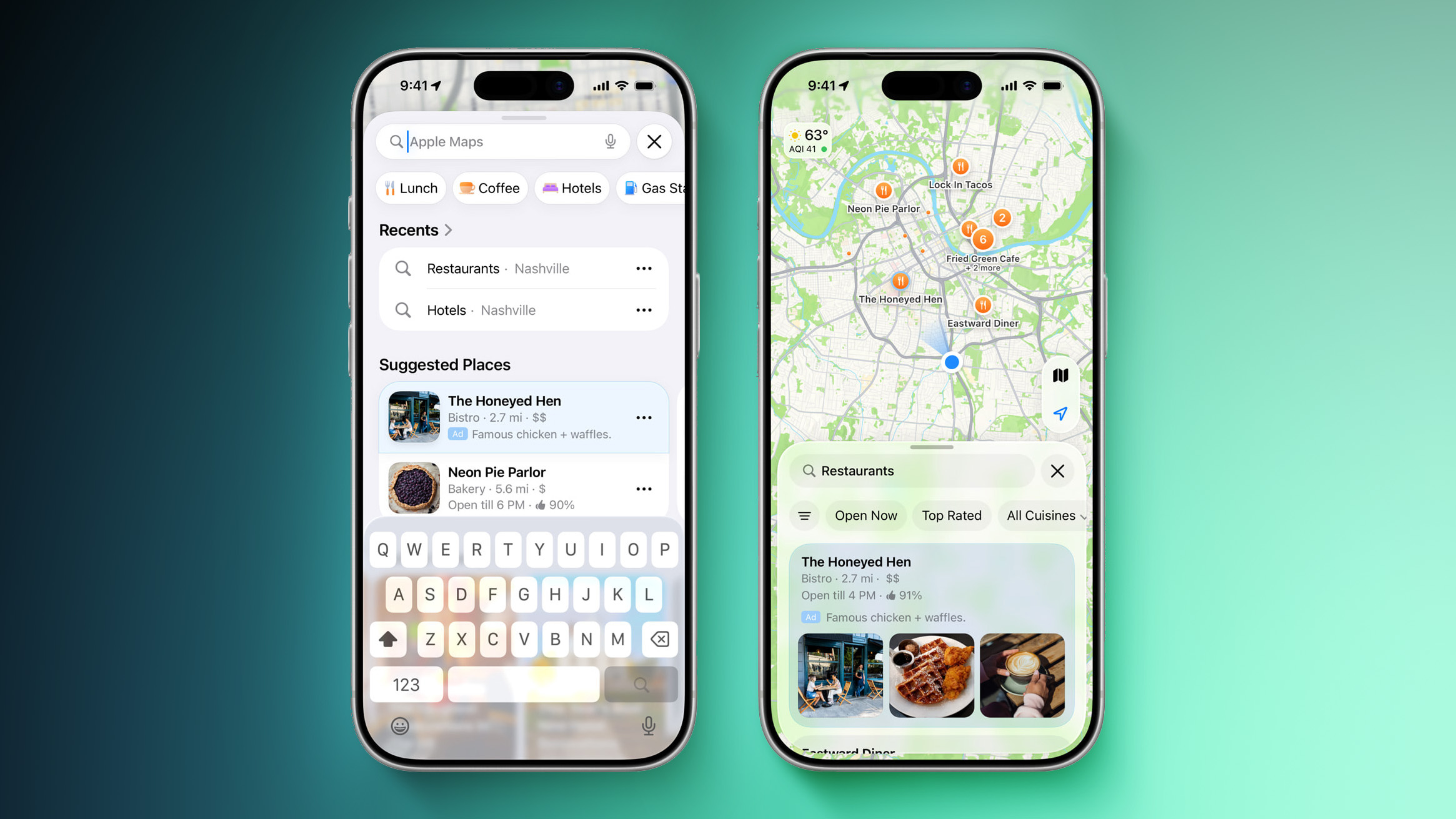 A significant shift is underway in the world of digital mapping and advertising. As officially reported by MediaPost, Apple has begun allowing businesses in the U.S. and Canada to buy advertising slots within Apple Maps. This marks a new era for Apple's mapping service, opening up fresh opportunities for local businesses to connect with customers and for Apple to further expand its burgeoning services revenue. While these ads aren't visible to users just yet, they are expected to roll out soon, aligning with Apple's previous announcement that the ads would go live at some point in summer 2026. This move is more than just about adding advertisements; it represents a strategic evolution in how businesses can engage with a vast and dedicated user base, directly influencing discoverability and local commerce.
The introduction of ads into Apple Maps is a pivotal moment, reshaping how millions of users will interact with the app. For advertisers, it provides a powerful new channel to reach potential customers at a crucial decision-making point – when they are actively looking for places, services, or products nearby. This article delves into what this development means for both businesses looking to grow their presence and for the everyday users navigating with Apple Maps. We'll explore where these ads will appear, the benefits they offer to advertisers, the potential impact on user experience, and how this fits into Apple's broader business strategy.
The Dawn of Advertising in Apple Maps
The announcement that businesses can now purchase ad slots in Apple Maps is a clear signal of Apple's intent to deepen its engagement with local commerce. Initially available to businesses operating in the United States and Canada, this rollout allows advertisers to gain prime visibility within one of the most widely used navigation apps. This isn't just a small-scale test; it's a full-fledged offering designed to integrate seamlessly into the user experience.
To entice early adopters, Apple is offering an introductory incentive: advertisers can receive a 15% credit towards future ad spend. This credit applies to up to $1,000 per month of spending over the first year. This kind of offer is standard practice for new ad platforms, aiming to reduce the barrier to entry and encourage businesses to experiment with the new advertising channel without a significant initial commitment. It’s a smart move to quickly build a robust advertising ecosystem within Apple Maps, ensuring a diverse range of businesses participates from the outset.
While the ads are technically available for purchase, they are not yet live for users to see. This phased approach allows Apple to fine-tune the backend systems, gather advertiser interest, and ensure a smooth launch for the end-user experience. The expectation is that users will begin to see these ads integrated into their Apple Maps interface very soon, aligning with the "summer 2026" timeline previously communicated by Apple. This anticipation builds excitement among businesses keen to get ahead of their competition by securing premium ad placements.
Understanding Apple Maps Ads: Where They Will Appear
One of the most critical aspects for both businesses and users to understand is exactly where these advertisements will be displayed within Apple Maps. Apple has outlined two primary locations where ads will appear, both strategically chosen to maximize visibility and relevance without overly disrupting the user experience.
Top of Search Results
The most prominent placement for Apple Maps ads will be at the very top of search results. When a user types a query into Apple Maps – for example, "coffee shops near me," "restaurants downtown," or "auto repair in Brooklyn" – relevant sponsored listings will appear before the organic, non-paid results. This "top of search results" placement is highly coveted in any digital platform because it guarantees immediate visibility. In a crowded marketplace, being the first result a user sees can significantly increase click-through rates, drive foot traffic, and ultimately boost conversions for businesses.
Imagine a user searching for a "pizza place." Instead of sifting through several organic listings, they might immediately see a sponsored ad for a local pizzeria offering a special deal, prominently displayed at the top. This direct visibility can be a game-changer for businesses vying for attention, especially in competitive urban areas where many similar establishments exist. Apple's approach here is similar to how search engines like Google display ads, making it a familiar and effective model for advertisers.
Top of a New "Suggested Places" Section
Beyond search results, Apple Maps will also feature ads at the top of a new "Suggested Places" section. This section is likely designed to offer proactive recommendations to users, perhaps based on their location, time of day, past searches, or popular local trends. By integrating ads here, Apple is tapping into the discovery aspect of its maps service, allowing businesses to be recommended even when a user hasn't explicitly searched for them.
For instance, a user opening Apple Maps in a new city might see a "Suggested Places" section showcasing local attractions, popular restaurants, or essential services. An ad for a specific restaurant, museum, or retail store could appear at the top of this list, catching the user's eye as they explore their surroundings. This placement is particularly valuable for businesses looking to generate awareness and introduce themselves to potential customers who might not have known they existed. It moves beyond direct search intent and into the realm of serendipitous discovery, guided by smart algorithms and strategic ad placements.
Apple's careful selection of these two ad placements reflects a common strategy in digital advertising: placing ads where user intent is highest (search results) and where discovery is encouraged (suggested places). This dual approach aims to balance advertiser needs for visibility with user expectations for helpful, relevant information, minimizing disruption while maximizing value.
Benefits for Businesses: Why Advertise on Apple Maps?
For businesses, the introduction of advertising within Apple Maps represents a significant new opportunity in their digital marketing strategy. There are several compelling reasons why advertisers should consider allocating a portion of their budget to this platform.
Reach a Premium and Engaged Audience
Apple's user base is famously dedicated and often associated with higher disposable income. By advertising on Apple Maps, businesses can tap into millions of iPhone, iPad, and Mac users who rely on the service for navigation and local discovery. This audience is often "on the go" and actively seeking places to visit, shop, or eat. Reaching users precisely when they have high commercial intent – when they are navigating or exploring their surroundings – is incredibly powerful. The context of their use makes them highly receptive to relevant local advertisements.
Leverage Proximity and Location-Based Targeting
One of the strongest advantages of advertising on a mapping service is the inherent location-based targeting capabilities. Businesses can target users who are physically close to their establishment, or who are searching for services within a specific geographical area. This hyper-local targeting ensures that ad spend is efficient, reaching individuals who are genuinely able to visit the business. For a restaurant, coffee shop, retail store, or service provider, reaching customers within a few miles can translate directly into foot traffic and sales. Apple Maps ads put businesses directly in front of customers who are ready to make a local purchase decision.
Gain Top-Tier Visibility and a Competitive Edge
In today's competitive market, standing out is crucial. Appearing at the top of search results or within the "Suggested Places" section provides unparalleled visibility. Many users don't scroll past the first few results, making these premium placements invaluable. By advertising, businesses can ensure they are seen before their non-advertising competitors, giving them a significant edge in capturing customer attention. This can be particularly impactful for new businesses trying to establish themselves or existing businesses looking to dominate their local market.
Drive Direct Action and Measurable Results
Apple Maps ads are designed to drive direct action. Users who click on an ad are likely to be presented with options such as "Get Directions," "Call," "Visit Website," or "View Menu." These immediate calls to action streamline the customer journey from discovery to engagement. Like other digital ad platforms, Apple Maps will likely provide analytics and reporting tools, allowing businesses to track impressions, clicks, directions requests, calls, and other key performance indicators. This measurability helps advertisers understand their return on investment and optimize their campaigns for better results.
Take Advantage of the Introductory Offer
The 15% credit on up to $1,000 per month of spend over the first year is a compelling reason for businesses to jump in early. This offer effectively reduces the cost of entry and allows businesses to experiment with the platform at a discounted rate. It's an excellent opportunity to test different ad creatives, targeting strategies, and budget allocations without committing to full price immediately. Early adopters can gain valuable insights and refine their approach before the platform becomes more saturated, securing a strong position in this new advertising channel.
In essence, advertising on Apple Maps offers a powerful combination of reach, precision, visibility, and measurable results, making it an attractive proposition for any business focused on local customer acquisition and growth.
What Does This Mean for Apple Maps Users?
While the benefits for businesses are clear, it's natural for users to wonder how the introduction of ads will affect their experience with Apple Maps. Apple has a strong reputation for prioritizing user experience and privacy, so it's likely they will integrate ads thoughtfully to minimize disruption.
Improved Discovery of Relevant Businesses
One potential positive for users is an enhanced ability to discover relevant businesses. If ads are effectively targeted and genuinely helpful, they could lead users to excellent local spots they might not have found otherwise. For example, if you're searching for "bookstores," an ad for a charming independent bookstore offering a unique selection might appear, guiding you to a new favorite spot. In this scenario, ads become a tool for discovery rather than just commercial interruption.
Apple's ad system is expected to prioritize relevance. This means that ads you see should ideally correspond to your search queries or your likely interests based on context. This is a significant difference from random, untargeted banner ads, suggesting that Apple aims for a more integrated and less intrusive advertising model.
Potential for Clutter and User Experience Concerns
The primary concern for users whenever ads are introduced to a beloved service is the potential for clutter and a degraded user experience. No one wants their navigation app to be filled with irrelevant promotions. If ads are too numerous, too prominent, or poorly targeted, they could make the app feel less intuitive and more commercial, potentially frustrating users who value a clean interface.
However, Apple typically takes a minimalist approach to advertising within its ecosystem. Unlike some other platforms that might overload users with various ad formats, Apple tends to integrate ads more subtly, often making them blend in with organic content, clearly labeled as "Sponsored" or "Ad." This approach aims to maintain the clean aesthetic and ease of use that Apple users expect. The specified ad placements – top of search results and suggested places – suggest a controlled integration rather than widespread ad banners across the map interface itself.
Apple's Commitment to Privacy
Apple has consistently positioned itself as a champion of user privacy. This commitment is likely to extend to its advertising platform. While specific details about the privacy mechanisms for Apple Maps ads haven't been fully disclosed, it's reasonable to expect that Apple will emphasize privacy-preserving ad delivery. This might involve on-device processing of user data for ad targeting, aggregated and anonymized data for advertisers, and clear controls for users to manage their ad preferences.
Users can likely expect transparency regarding why they are seeing certain ads and options to limit ad tracking. This focus on privacy could differentiate Apple Maps ads from competitors and reassure users that their location data and search history are not being indiscriminately shared or exploited for commercial gain.
Ultimately, the user experience will depend on how finely Apple tunes its ad algorithms and how strictly it enforces its ad policies. If done right, Apple Maps ads could be a useful tool for discovering local businesses; if done poorly, they could become a source of frustration. Given Apple's track record, it's probable they will lean towards a more curated and less intrusive approach.
How Apple Maps Ads Compare to Competitors (Google Maps, Waze)
Apple is not the first company to integrate advertising into its mapping service. Google Maps and Waze have had robust ad platforms for years, and understanding their models can shed light on Apple's strategy.
Google Maps Advertising
Google Maps is arguably the most dominant mapping application globally, and its advertising capabilities are extensive. Google offers various ad formats within Maps, including:
- Promoted Pins: Businesses can pay to have their location displayed with a branded pin on the map, even when users aren't actively searching.
- Search Ads: Similar to Apple's approach, businesses can appear at the top of search results for relevant queries.
- In-App Banners: Some Google Maps ads appear as small banners within the app interface.
- Local Campaigns: Google offers specific campaign types designed to drive foot traffic to physical stores, leveraging Maps, Search, YouTube, and the Display Network.
Google's ad ecosystem is vast, benefiting from decades of experience in search advertising and a massive dataset. Businesses often find Google Maps advertising to be highly effective due to its immense reach and sophisticated targeting options. Apple Maps will likely aim to compete by offering a more premium, curated experience and leveraging its unique integration with the Apple ecosystem and user data.
Waze Advertising
Waze, also owned by Google, takes a more community-driven approach to navigation. Its advertising model is highly focused on local businesses, especially those along common routes. Waze ads typically include:
- Branded Pins: Similar to Google Maps, businesses can show their logo on the map.
- Search Promotion: Businesses can appear at the top of search results within Waze.
- Takeovers: When a user is stopped (e.g., at a red light), a full-screen ad for a nearby business can appear.
- Nearby Ads: Displaying an ad for a business as a driver approaches it.
Waze's strength lies in its ability to target drivers in motion, making it excellent for gas stations, fast food, and retail stores situated near major roads. Apple Maps, with its broader user base and integration into the iOS experience, will likely offer a more comprehensive solution for all types of local businesses, not just those along driving routes.
Apple's Unique Position and Differentiators
Apple Maps enters this competitive landscape with several distinct advantages:
- Native Integration: Apple Maps is deeply integrated into iOS, appearing as the default mapping application for millions of iPhone users. This default status provides an enormous captive audience.
- Privacy-Centric Approach: As mentioned, Apple's strong stance on privacy could be a key differentiator. Businesses and users concerned about data privacy may prefer Apple's platform.
- Premium User Base: Apple users often represent a demographic with higher purchasing power, which can be attractive to certain advertisers.
- Ecosystem Synergy: Ads in Apple Maps could potentially integrate with other Apple services, offering a holistic advertising solution across the Apple ecosystem, including the App Store, Apple News, and Stocks.
While Google Maps boasts superior data and broader adoption, Apple Maps offers a premium, integrated, and privacy-focused alternative. Businesses looking to reach a specific segment of the mobile population may find Apple Maps ads to be a highly effective and targeted solution, complementing rather than replacing their existing digital marketing efforts.
The Broader Strategy: Apple's Growing Ad Business
The move to integrate ads into Apple Maps is not an isolated decision but rather a key component of Apple's broader strategy to expand its services division. Over the past few years, Apple has been aggressively growing its services revenue, which includes everything from the App Store and Apple Music to iCloud and Apple TV+. Advertising has emerged as a significant, albeit often understated, contributor to this growth.
Apple already runs advertising businesses within several of its apps:
- App Store: Developers can pay to have their apps appear at the top of search results within the App Store, similar to the new Maps ad placements. This has been a very successful revenue stream for Apple.
- Apple News and Stocks: Publishers and brands can place ads within the Apple News and Apple Stocks apps, reaching users consuming content.
- TV+ (upcoming): While Apple TV+ itself is ad-free, there are reports and speculation about potential ad-supported tiers or integrations in the future, especially as streaming services become more competitive.
By adding Apple Maps to this portfolio, Apple is strategically diversifying its ad offerings and tapping into the lucrative local advertising market. This move allows Apple to generate additional revenue streams without solely relying on hardware sales, thereby strengthening its financial resilience and expanding its profit margins. It's a natural evolution for a company with such a massive and engaged user base across multiple platforms.
Furthermore, expanding its ad business allows Apple to leverage the extensive data it collects (anonymized and privacy-preserved, according to their policies) to offer highly relevant and effective advertising solutions. This data, combined with Apple's powerful software and hardware integration, creates a compelling value proposition for advertisers seeking to reach Apple users across different touchpoints in their daily lives. The growth of its ad business is a clear indicator of Apple's long-term vision to transform into a more comprehensive services company, with advertising playing a crucial role in that transformation.
Getting Started with Apple Maps Ads: A Guide for Businesses
For businesses eager to capitalize on this new opportunity, getting started with Apple Maps advertising appears to be a straightforward process, designed to be accessible to a wide range of advertisers, from small local shops to large enterprises.
Accessing the Ad Platform
The first step for any interested business is to visit the dedicated Apple Maps advertising portal. As noted in the original report, businesses can buy Apple Maps ad slots by navigating to this specific website. This portal will serve as the central hub for creating, managing, and optimizing ad campaigns. It's expected to feature an intuitive interface, consistent with Apple's design philosophy, making it easy for businesses to set up their first campaigns.
Account Setup and Campaign Creation
Upon accessing the platform, businesses will likely need to create an advertiser account, providing basic business information and billing details. Once set up, the process of creating a campaign would typically involve:
- Defining Objectives: What does the business want to achieve? (e.g., drive foot traffic, increase calls, boost website visits).
- Targeting: Specifying the geographic areas, demographics (if available and privacy-compliant), and search keywords for which the ads should appear. For Apple Maps, location-based targeting will be paramount.
- Ad Creative: Uploading relevant business information, logos, images, and compelling ad copy that will appear in search results or suggested places. This might include special offers or unique selling propositions.
- Budgeting: Setting daily or monthly budgets for ad spend, allowing businesses to control their expenses. The introductory offer of a 15% credit on up to $1,000 per month for the first year makes this initial investment even more attractive.
- Scheduling: Specifying the dates and times when ads should run.
Monitoring and Optimization
A key component of any successful digital advertising strategy is continuous monitoring and optimization. The Apple Maps ad platform is expected to provide detailed analytics dashboards, allowing businesses to track:
- Impressions: How many times their ad was shown.
- Clicks: How many times users interacted with their ad.
- Actions: Specific actions taken by users after seeing the ad, such as getting directions, making a call, or visiting a website.
- Return on Ad Spend (ROAS): Analyzing the effectiveness of their campaigns against their investment.
With these insights, businesses can make data-driven decisions to refine their targeting, adjust their budgets, A/B test different ad creatives, and ultimately improve the performance of their Apple Maps advertising campaigns. The goal is to maximize visibility and drive the most valuable customer actions for their investment.
The ease of use and the enticing introductory offer make it an opportune time for businesses, especially those in the U.S. and Canada, to explore and integrate Apple Maps advertising into their marketing mix.
Looking Ahead: The Future of Apple Maps and Advertising
The introduction of ads in Apple Maps is just the beginning of what is likely to be a continuous evolution for the service. As Apple refines its ad platform and gathers user and advertiser feedback, we can expect further developments and expansions.
Potential for New Ad Formats and Features
Currently, ads are limited to top search results and "Suggested Places." In the future, Apple might introduce additional ad formats, such as:
- Enhanced Business Profiles: Allowing advertisers to create richer, more interactive business listings with special offers, events, or booking capabilities directly within Maps.
- Local Promotions: Specific ad types designed to highlight limited-time deals or events happening nearby.
- Video Ads: Short, autoplay videos that might appear in certain contexts, though this would need to be handled very carefully to avoid user annoyance.
- Augmented Reality (AR) Ads: As Apple invests heavily in AR, it's conceivable that future ad formats could leverage AR features, allowing users to "see" virtual ads overlaid on the real world through their iPhone camera.
These potential expansions would further empower businesses to engage with customers in innovative ways, providing more avenues for discovery and interaction.
Global Expansion
While initially launching in the U.S. and Canada, it's highly probable that Apple Maps advertising will expand to other regions over time. As Apple continues to enhance its mapping data and features globally, extending the ad platform to Europe, Asia, and other major markets would be a logical next step to unlock further revenue potential and offer a consistent advertising solution for international businesses.
Continued Focus on Privacy and User Control
Despite growing its ad business, Apple is unlikely to abandon its commitment to user privacy. We can anticipate that future ad developments will continue to prioritize user control, transparency, and data minimization. This means that as the platform evolves, users will likely retain or even gain more granular control over their ad preferences, ensuring that their experience remains personalized without feeling intrusive or compromised. This balance between monetization and user trust will be crucial for the long-term success of Apple Maps advertising.
The integration of ads into Apple Maps is a clear indicator of Apple's strategic direction: to grow its services ecosystem while maintaining its brand values. For businesses, it opens a powerful new channel for local marketing. For users, it presents a new way to discover local businesses, ideally without sacrificing the quality and privacy they expect from Apple. This is a significant moment in the evolution of digital mapping and localized advertising, promising exciting developments for years to come.
Conclusion: A New Chapter for Apple Maps and Local Commerce
The official rollout of advertising slots in Apple Maps marks a transformative moment for both Apple and the countless businesses that rely on location-based discovery. Starting with the U.S. and Canada, businesses now have a direct pathway to secure prime visibility at the top of search results and within the new "Suggested Places" section. This strategic move, anticipated since Apple's announcement in summer 2026, leverages Apple's vast user base and its commitment to a premium, integrated experience.
For advertisers, the benefits are substantial: access to a highly engaged audience, precise location-based targeting, a significant competitive edge through top-tier visibility, and the ability to drive measurable direct actions. The introductory offer of a 15% credit makes it an even more appealing opportunity for early adopters to explore this powerful new marketing channel.
For users, while the introduction of ads always brings concerns about clutter, Apple's track record suggests a thoughtful and privacy-preserving implementation. The goal is likely to enhance discovery of relevant local businesses without degrading the user experience, maintaining the clean interface and reliability that Apple Maps users expect. This initiative is deeply rooted in Apple's broader strategy to expand its services revenue, diversifying its business model and reinforcing its position as a comprehensive ecosystem provider.
As the ads become visible and the platform matures, Apple Maps is poised to become an indispensable tool for local digital marketing, shaping how businesses connect with customers and how users explore their world. This development underscores the growing importance of location intelligence in the digital age, inviting businesses and users alike to embark on a new chapter of discovery and commerce.
This article, "Ads Coming Soon to Apple Maps" first appeared on MacRumors.com
Discuss this article in our forums
from MacRumors
-via DynaSage

Post a Comment