
The Danganronpa 2 Cast Ranked By How Likely I Think They Are To Survive 2×2’s New Scenario
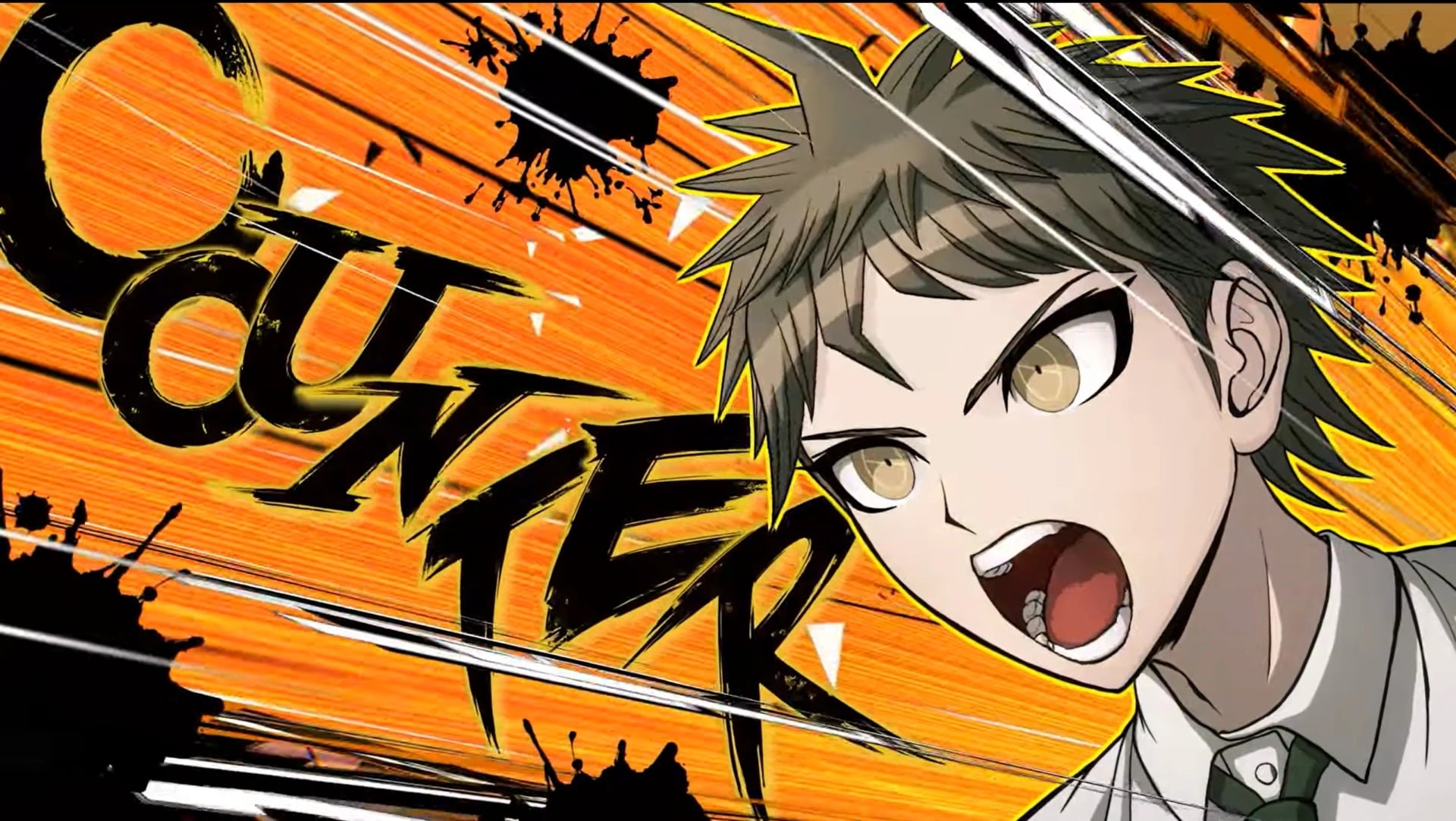
Slayhem: A Fresh Twist on Spike Chunsoft's Iconic Murder Mysteries
The world of visual novels and murder mysteries is buzzing with excitement over "Slayhem," a new storyline that promises to completely shake up the beloved formula established by Spike Chunsoft. Known for their intricate plots, shocking twists, and unforgettable characters in series like Danganronpa and Zero Escape, Spike Chunsoft has cultivated a dedicated fanbase. "Slayhem" is not just another fan-made tribute; it's a bold remix that redefines the roles of familiar faces, introducing entirely new culprits and victims into a well-known narrative framework. This creative endeavor offers a thrilling "what if" scenario that delves deep into the psychological underpinnings of character and motive, promising an experience that is both nostalgic and startlingly fresh for veterans and newcomers alike.
For years, fans of Spike Chunsoft's psychological thrillers have debated character motivations, speculated on untold backstories, and imagined alternate outcomes. "Slayhem" taps directly into this rich wellspring of fan engagement, providing a structured, coherent reimagining of the core murder mystery experience. It takes the very essence of what makes these games so compelling – the desperate struggle for survival, the tense investigations, and the climactic class trials – and scrambles the expectations by assigning new fates to characters we thought we knew inside and out. This isn't just a simple retelling; it's a complete narrative re-engineering, designed to challenge perceptions and deliver new layers of suspense.
Understanding the Appeal of a "Remix" Storyline
Why would creators choose to remix an already successful storyline, especially one as revered as Spike Chunsoft's murder mysteries? The answer lies in the profound desire for creative exploration and the unique satisfaction of subverting expectations. A remix storyline, particularly one like "Slayhem," allows for several powerful narrative opportunities. Firstly, it offers a chance to explore characters from entirely new angles. A character who was once a tragic victim might now be a cunning killer, or a seemingly innocent bystander could become the central target of a murder plot. This role reversal forces players to reconsider everything they thought they knew about these individuals, revealing hidden depths, unexpected flaws, or surprising strengths that were never apparent in their original roles.
Secondly, remixing provides an excellent platform for intricate plot reconstruction. Crafting a compelling murder mystery is a delicate art, requiring careful pacing, clever red herrings, and a logical progression of clues. When you remix an existing universe, you get to play with established lore and character relationships, twisting them into new configurations that create unique investigative challenges. "Slayhem" benefits from the built-in familiarity that fans have with the original games, allowing its creators to build upon that foundation and then dramatically pivot, pulling the rug out from under players in truly unexpected ways. This creates a powerful sense of dramatic irony and heightened suspense, as players constantly compare what they are experiencing to what they remember.
Spike Chunsoft's Legacy: The Perfect Canvas for Slayhem
Spike Chunsoft has carved out a distinct niche in the gaming industry with its unparalleled ability to craft gripping visual novel adventures. Titles like Danganronpa: Trigger Happy Havoc, Danganronpa 2: Goodbye Despair, and Danganronpa V3: Killing Harmony have defined a generation of murder mystery games, captivating audiences with their darkly humorous narratives, unforgettable cast of "Ultimate" students, and the ever-present threat of deadly class trials. Beyond Danganronpa, their Zero Escape series offered complex escape room puzzles intertwined with philosophical dilemmas and multiverse theories, while AI: The Somnium Files introduced a fascinating blend of detective work and surreal dream exploration.
These games are renowned for their high-stakes scenarios where characters are trapped, forced to kill, and then compelled to expose the truth – or face a gruesome end. The psychological pressure, moral ambiguities, and the constant fear of betrayal create a fertile ground for fan speculation and creative reimagining. It's precisely this rich narrative tapestry and the strong emotional connection players form with the characters that make these games such a perfect foundation for a remix project like "Slayhem." Fans are deeply invested, making any alteration to the original story a significant and often thrilling event.
The Danganronpa Formula: A Blueprint for Subversion
To fully appreciate what "Slayhem" is attempting, it’s helpful to revisit the core mechanics of a typical Spike Chunsoft murder mystery, particularly the Danganronpa series. Each game follows a distinct pattern: a group of highly talented students, the "Ultimates," find themselves trapped in an inescapable location (a school, an island, a simulated world) by a sadistic mechanical bear named Monokuma. The only way to escape is to "get away with murder" – kill a fellow student and successfully mislead everyone during a subsequent Class Trial. If the killer is discovered, they face a brutal execution. If they manage to deceive their classmates, everyone else is executed, and the killer goes free.
This formula creates intense social dynamics. Characters form alliances, rivalries, and friendships under extreme duress. When a murder occurs, the game shifts into an investigation phase, where players gather clues, question suspects, and piece together the sequence of events. The climax is the Class Trial, a series of rapid-fire debates and logic puzzles where players must use their collected evidence to identify the culprit. The strength of these games lies not just in the mysteries themselves, but in the compelling personalities of the students, their unique talents, and the heartbreaking choices they are forced to make. "Slayhem" takes this beloved, yet predictable, structure and injects it with an unprecedented level of uncertainty.
The Game-Changing Impact of New Culprits and Victims
The core promise of "Slayhem" – new culprits and victims – is revolutionary for fans of Spike Chunsoft's work. In the original games, specific characters were written with pre-determined roles. Some were destined to be the early, shocking victims; others were the tragic, misguided killers; and a select few were the steadfast protagonists or critical supporting characters who survived to the end. "Slayhem" shatters these established roles, creating a domino effect that alters every aspect of the narrative.
Imagine a beloved protagonist, usually the player's guiding light through the madness, suddenly becoming the first victim. This instantly raises the stakes and forces players into an unfamiliar role, perhaps as a character who was previously a sidekick or even an antagonist. What would their investigation look like? How would their unique perspective and skills change the way clues are interpreted? Or consider a character who was originally a seemingly innocuous background presence now being revealed as a cold, calculating killer. Their original personality, often overlooked, would suddenly take on sinister new implications, forcing players to re-evaluate every interaction they had with them in the original context.
Exploring New Character Psychologies
With new roles come new psychological explorations. "Slayhem" offers a unique opportunity to delve into the "dark sides" or "hidden potentials" of characters. What would drive a traditionally kind and gentle character to commit murder? What inner demons would surface if a cheerful, optimistic individual were suddenly thrust into the role of a desperate victim, their life cut short unexpectedly? This kind of role reversal is a powerful tool for character development, allowing creators to explore motivations and backstories that were previously untouched or even contradicted by the original narrative. It challenges players to empathize with characters they might have once condemned or to question the supposed innocence of those they once trusted implicitly.
The impact on the Class Trials would be immense. Part of the tension in Danganronpa comes from the emotional weight of condemning a familiar character. If the culprit is someone who was previously seen as a hero or a survivor, the trials become even more emotionally charged. The logic puzzles remain, but the underlying emotional turmoil of figuring out who did it, especially when "who" is someone deeply intertwined with the existing narrative, provides a fresh layer of complexity and heartbreak. This emotional resonance is what elevates "Slayhem" beyond a simple fan-fiction into a truly compelling alternative narrative.
The "What If" Factor: Endless Possibilities
The beauty of a remix project like "Slayhem" lies in its embracing of the "what if" factor. Fans constantly engage in "what if" scenarios: "What if Character X had lived?", "What if Character Y was the killer in Chapter 3?", "What if the mastermind was actually Character Z all along?" "Slayhem" takes these common fan speculations and formalizes them into a structured storyline. This approach allows for truly imaginative twists that would be impossible within the confines of the original narrative's canon. It’s a chance to see beloved characters pushed to their absolute limits in scenarios that were previously unthinkable.
Consider the potential for character relationships to be completely reconfigured. Friendships might become bitter rivalries, romantic interests might become mortal enemies, or unexpected alliances could form out of necessity. These shifts aren't just superficial; they have profound implications for the plot, the investigation, and the ultimate resolution of the killing game. Every small change in who is involved, who dies, and who kills sends ripples through the entire narrative, leading to a cascade of fresh mysteries and revelations that feel both familiar and utterly alien. This blend of familiarity and novelty is precisely what makes "Slayhem" so enticing to the existing fanbase.
Challenges and Triumphs of Fan-Made Projects
Creating a project as ambitious as "Slayhem" is no small feat. Fan-made games and visual novels face numerous challenges, from technical hurdles to the immense creative effort required. The first major hurdle is the sheer complexity of writing a compelling murder mystery that can stand alongside Spike Chunsoft's originals. This involves meticulous plot planning, consistent character voice, clever clue placement, and believable motives for murder – all while working within an established universe but with altered roles. The narrative must be engaging enough to keep players hooked, even when they think they know the characters.
Beyond writing, there's the monumental task of asset creation. Visual novels require character sprites, background art, user interface elements, and sometimes even custom music. While many fan projects rely on existing assets or derivative works, a high-quality remix like "Slayhem" often strives for original art or significant modifications to provide a distinct aesthetic. This demands a team of dedicated artists, writers, programmers, and even musicians, often working purely out of passion and without monetary compensation. The dedication of such a community-driven effort is truly remarkable and speaks to the power of fandom.
Community Engagement and the Power of Fandom
"Slayhem," like many successful fan projects, thrives on community engagement. Fans are not just passive consumers; they are often active participants, providing feedback, spreading awareness, and even contributing their own talents. This collaborative spirit is a hallmark of many creative fan works. Discussions on forums, social media, and dedicated fan sites build anticipation and generate buzz long before a project is released. This community forms a vital support network, offering encouragement during challenging development phases and acting as an eager audience ready to dive into the reimagined world. The excitement generated by the prospect of seeing familiar characters in new, unexpected roles fuels this collective enthusiasm.
The very existence of "Slayhem" underscores the profound impact that Spike Chunsoft's games have had on their audience. It's a testament to the depth of the characters and stories that fans are not only inspired to consume more content but to actively create their own, extending the life and legacy of the original works. This reciprocal relationship between creators and fans is a powerful force in modern entertainment, demonstrating how interactive storytelling can foster a deeply creative and passionate community.
Navigating Legal and Ethical Waters
It's important to acknowledge the delicate balance fan projects like "Slayhem" must maintain with intellectual property. While many companies tolerate and even encourage fan works as a way to engage their community, there are limits. Projects that become too commercial or directly compete with official releases can run into legal issues. Most fan works operate under the understanding that they are non-profit, transformative, and serve to celebrate the original property rather than exploit it. "Slayhem," by clearly stating its nature as a remix with new culprits and victims, positions itself as a creative exploration within an existing universe, rather than an attempt to replicate or replace the original, which often helps in navigating these complex waters. It's a demonstration of love for the source material, expressing new ideas within its established framework.
Why Fans Cling to These Alternate Narratives
The allure of projects like "Slayhem" is deeply rooted in human psychology and our connection to stories. We become invested in characters; their triumphs become ours, and their tragedies resonate deeply. When a story concludes, especially one with as many unanswered questions and potential paths as a Spike Chunsoft murder mystery, fans often yearn for more. Alternate narratives, remixes, and "what if" scenarios provide that "more" in a way that respects the original while offering new insights.
It’s also about gaining a fresh perspective. When you know who the killer is or who dies in the original story, replaying it offers a different kind of experience. But "Slayhem" goes beyond that by actively altering those fundamental truths. It forces players to shed their preconceptions and engage with the mystery as if for the very first time. This element of genuine surprise and unpredictable plot twists is incredibly valuable in a genre where replayability can sometimes be limited once the solutions are known. For fans who have explored every nook and cranny of the original games, "Slayhem" promises a completely new puzzle to solve, using pieces they thought they already understood.
The Future of Fandom and Interactive Storytelling
The emergence of projects like "Slayhem" points towards an exciting future for interactive storytelling and fan engagement. As game development tools become more accessible and online communities grow stronger, the line between official content and high-quality fan creations continues to blur. These projects are not merely derivatives; they are often sophisticated narrative experiments that push the boundaries of what is possible within a beloved fictional universe. They demonstrate the power of collective creativity and the endless potential for stories to evolve and be reinterpreted through the eyes of their most passionate admirers.
"Slayhem" stands as a testament to the enduring appeal of Spike Chunsoft's murder mysteries and the boundless creativity of their fandom. By daring to remix the very core of these narratives – the identities of the culprits and victims – it promises to deliver an experience that is both deeply familiar and wildly unpredictable. For anyone who has ever pondered the "what ifs" of their favorite killing game, "Slayhem" offers a compelling and potentially heart-wrenching answer, proving that sometimes, the most exciting stories are found when we're willing to break the mold and rewrite destiny itself. Keep an eye on this fascinating development, as it promises to be a conversation starter for all enthusiasts of thrilling visual novels and intricate whodunits.
from Kotaku
-via DynaSage
