Nintendo Shutting Down Mario Kart Tour iOS Game
The End of the Road: Nintendo Shuts Down Mario Kart Tour
A significant announcement has come from Nintendo, impacting millions of mobile gamers worldwide. After years of thrilling races and countless tours, the popular mobile game, Mario Kart Tour, is officially ending its service. The final checkered flag will wave on **Tuesday, September 29**, marking the permanent shutdown of the game. For fans hoping to continue their racing adventures offline, Nintendo has confirmed there are no plans for an offline version, meaning the game will become completely unplayable after this date. This news brings a bittersweet close to an era of mobile racing for many, highlighting the transient nature of online-only live-service games.
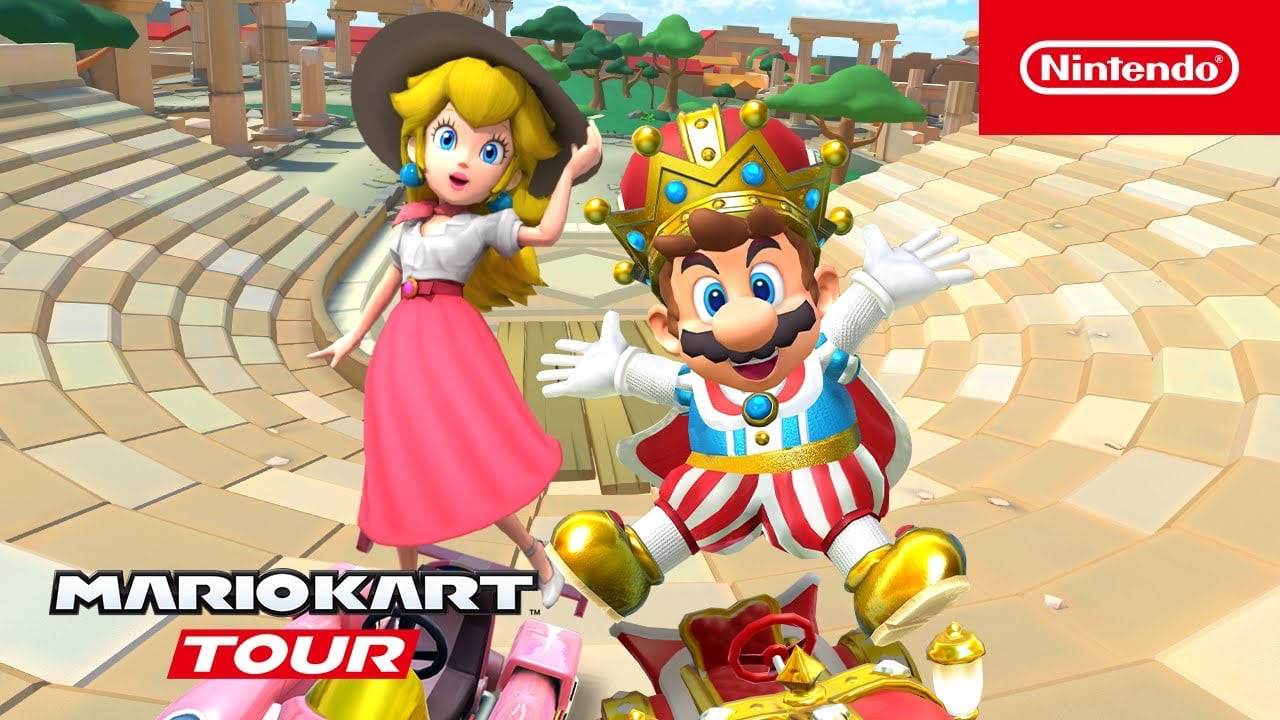
The immediate implications for players began even before the official shutdown date. Nintendo has already ceased the ability to purchase in-game currency, known as Rubies, and has also halted automatic subscription renewals for the Gold Pass. These pre-emptive measures are standard practice for game shutdowns, designed to prevent players from spending money on a service that is nearing its end.
However, Nintendo is offering a final farewell gift to its dedicated player base. Current subscribers to the Mario Kart Tour Gold Pass will enjoy the premium benefits for free from now until the September 29 shutdown. Furthermore, players who did not previously have a subscription will also gain access to these Gold Pass benefits for free, starting on August 4. This allows all players to experience the game's full potential in its final weeks, offering a chance to complete challenges, unlock rewards, and enjoy the faster pace of 200cc racing without any additional cost.
Understanding the Gold Pass Benefits: A Final Boost
The Gold Pass was a premium subscription that significantly enhanced the Mario Kart Tour experience. For its final weeks, all players get to enjoy these perks. Let's delve into what these benefits entail and how they enriched gameplay:
Gold Gifts and Gold Challenges
One of the primary attractions of the Gold Pass was access to exclusive **Gold Gifts** and **Gold Challenges**. Normally, players without the Gold Pass would receive standard gifts upon completing tours and challenges. Gold Pass holders, however, would unlock a much more generous selection of rewards. These often included more Rubies (the premium in-game currency), valuable high-end drivers, karts, and gliders, as well as character points and skill-boost tickets. These gifts were crucial for quickly upgrading a player's roster and improving their competitive edge in races. The Gold Challenges, on the other hand, presented unique, often more difficult, objectives than the standard challenges. Completing these would yield even more substantial rewards, motivating players to push their skills and strategies to the limit. With these benefits now free for everyone, players have an unprecedented opportunity to acquire some of the best items and maximize their progression before the game's final day.
200cc Racing: Speed and Skill Unleashed
The **200cc** engine class is a staple of the Mario Kart franchise, offering a significantly faster and more challenging racing experience compared to the standard 50cc, 100cc, and 150cc classes. In Mario Kart Tour, 200cc was exclusively available to Gold Pass subscribers. This higher speed required more precise driving, sharper turns, and better item management. It fundamentally changed how players approached each track, demanding a higher level of skill and quicker reflexes. The introduction of 200cc for all players allows everyone to fully immerse themselves in the exhilarating, high-octane races that only the fastest engine class can provide, offering a thrilling conclusion to their Mario Kart Tour journey.
Increased Daily Rewards: Max Coins and Points
Another crucial benefit for Gold Pass holders was an **increase in the maximum coins and points that could be earned per day**. Coins are essential for purchasing items in the in-game shop, while points contribute to a player's overall score and tier ranking. Without the Gold Pass, players would hit a daily cap on these earnings much sooner, slowing down their progress. With the increased cap, Gold Pass holders could grind more effectively, accumulate more wealth, and level up their drivers, karts, and gliders at a much faster pace. This accelerated progression meant a richer overall gameplay experience, allowing players to unlock new content and strengthen their collection more rapidly. Now, all players can take advantage of this boost, making it easier to acquire desired items and fully power up their favorite characters before the shutdown.
Faster Pipe Gauge: More Chances at Rare Items
The "pipe" system was Mario Kart Tour's primary gacha mechanic, where players spent Rubies to "fire" the pipe and receive random drivers, karts, or gliders. The **pipe gauge** filled up as players raced, and once full, it would guarantee a "Fever" state or a higher chance of receiving a rare item from the pipe. Gold Pass holders benefited from a **faster-filling pipe gauge**, meaning they would reach these advantageous states more frequently. This increased the chances of obtaining high-end and coveted items, significantly impacting a player's collection and competitive standing. For the remaining period, this faster gauge will help all players try their luck at getting those elusive items they've always wanted.
Using Remaining Rubies and Shop Access
Even though new Rubies cannot be purchased, players who still have existing Rubies in their accounts can continue to use them until the service ends. Rubies are primarily spent in the **Spotlight Shop**, which features rotating selections of specific high-end drivers, karts, and gliders. They can also be used in the **Mii Racing Suit Shop**, allowing players to acquire unique Mii Racing Suits that often provide competitive advantages. Finally, Rubies can be spent in **Coin Rush**, a special mode where players can earn a large number of coins quickly. Players are encouraged to spend all their remaining Rubies before September 29, as they will lose their value and be inaccessible once the game is shut down. This final spending spree offers players one last chance to complete their collections or acquire items they've been eyeing.
A Journey Through the Tracks: Mario Kart Tour's Legacy
Mario Kart Tour first launched globally in September 2019, marking a significant milestone for Nintendo's expansion into the mobile gaming market. The anticipation for a portable Mario Kart experience was immense, and the game quickly captivated audiences, accumulating more than 90 million downloads in its first week alone. This staggering initial success cemented its position as one of Nintendo's most impactful mobile releases.
Bringing Console Thrills to Mobile
At its core, Mario Kart Tour aimed to replicate the exhilarating racing experience of traditional Mario Kart games, but optimized for touchscreens and mobile play. Players were still tasked with the familiar goal of racing to beat their rivals to the finish line, employing classic tactics like **drifts** for speed boosts and utilizing a wide array of **items** to gain an advantage or sabotage opponents. From the strategic deployment of a Red Shell to the chaotic power of a Blue Shell, the essence of Mario Kart combat was perfectly preserved.
The game featured an ever-expanding roster of tracks, drawing heavily from the rich history of the Mario Kart franchise. Players could race through iconic circuits like SNES Mario Circuit, N64 Kalimari Desert, and GBA Bowser's Castle, each faithfully recreated with mobile-friendly visuals. What set Mario Kart Tour apart was its innovative introduction of **city-themed tracks**, which were inspired by real-world locations like New York, Tokyo, Paris, and London. These unique tracks were dynamic, often changing layouts with each subsequent tour, offering fresh challenges and scenery that evolved over time. This blend of classic nostalgia and new, creative content kept the game feeling fresh and exciting for years.
A Roster of Champions and Newcomers
Mario Kart Tour also boasted an incredibly diverse and extensive cast of playable characters. Beyond the core heroes and villains, the game continually introduced new variants and unique interpretations of beloved characters. Fan favorites like **Luigi, Toad, Shy Guy, Waluigi, Peach, and Toadette** were available from the start, but the roster grew exponentially to include dozens of different outfits and special abilities. For instance, players could race as Mario (Musician), Peach (Vacation), or even Bowser (Santa), each with unique skills like Coin Box, Lucky Seven, or Boomerang Flower. This vast array of characters, combined with a plethora of customizable karts and gliders, allowed players to personalize their racing experience and strategize based on character-specific item boosts.
Evolution of Gameplay and Monetization
While the initial launch was a massive success, Mario Kart Tour, like many free-to-play mobile games, evolved significantly over its lifespan. It initially received criticism for its gacha-style "pipe" monetization system, which sometimes made it difficult to acquire specific high-end drivers or karts without spending real money. However, Nintendo gradually refined its approach, introducing the Spotlight Shop, where specific items could be directly purchased with Rubies, offering players more control over their collections. Multiplayer modes were also introduced later in the game's life, allowing players to race against friends and rivals worldwide in real-time, further enhancing the competitive aspect of the game. These updates and refinements showed Nintendo's commitment to improving the player experience, even within a free-to-play framework.
Nintendo's Mobile Journey: A Landscape of Hits and Farewell Tours
The shutdown of Mario Kart Tour is not an isolated event but rather part of Nintendo's broader and often experimental journey in the mobile gaming space. For a company historically known for its console and handheld hardware, entering the highly competitive and rapidly evolving mobile market presented both immense opportunities and unique challenges. Nintendo's strategy has been characterized by a willingness to experiment with different genres, monetization models, and IP applications, leading to a mixed bag of successes and, unfortunately, several notable cancellations.
The Road Less Traveled: Games That Have Ended Service
Nintendo has indeed launched and subsequently ended service for several of its mobile titles, demonstrating the harsh realities of the live-service model where games must maintain player engagement and profitability to survive. Each of these titles offered a distinct experience before ultimately reaching their conclusion:
- Miitomo: One of Nintendo's very first ventures into mobile, Miitomo, launched in 2016, was less of a game and more of a social communication app centered around Nintendo's Mii avatars. Players could create Mii characters, customize their outfits, and answer quirky questions that their Miis would then share with friends' Miis. It aimed to spark conversations and connect players in a unique, lighthearted way. While innovative, its niche social focus and lack of deep gameplay mechanics meant it struggled to retain a large audience, eventually closing its doors in May 2018.
- Dr. Mario World: Building on the classic Dr. Mario puzzle game series, Dr. Mario World launched in July 2019. It adapted the pill-matching, virus-eradicating gameplay for mobile devices, introducing new characters from the Mario universe and a free-to-play model with stamina systems and gacha mechanics for doctor and assistant characters. Despite the strong brand recognition, it faced stiff competition in the crowded mobile puzzle game market. Its monetization strategy and slower-paced gameplay didn't resonate with a broad enough audience for sustained success, leading to its shutdown in November 2021.
- Dragalia Lost: This title was unique as it was an original IP co-developed with Cygames, a Japanese mobile game developer known for its high-quality gacha RPGs. Launched in September 2018, Dragalia Lost was an action RPG with real-time combat, a rich story, and a diverse cast of characters. It received praise for its art style, music, and generous gacha rates compared to some competitors. However, despite a dedicated fanbase, it likely didn't achieve the massive global reach and revenue targets required for such a sophisticated live-service game, concluding its service in November 2022.
These closures highlight the challenging nature of the mobile market, where even strong IPs or innovative gameplay concepts can struggle against player retention issues, aggressive competition, or unsustainable monetization models.
Still Racing Ahead: Ongoing Nintendo Mobile Titles
Despite the farewells, several of Nintendo's mobile games continue to thrive, demonstrating the company's ability to create engaging and profitable experiences for smartphone users:
- Fire Emblem Heroes: Launched in February 2017, Fire Emblem Heroes has been a consistent standout success for Nintendo. This free-to-play tactical role-playing game adapts the beloved Fire Emblem series into a mobile-friendly format with turn-based grid combat and a robust gacha system for collecting iconic characters. Its deep strategy, regular content updates, and strong community engagement have ensured its long-term profitability and popularity, making it one of Nintendo's most successful mobile ventures to date.
- Super Mario Run: Departing from the free-to-play gacha model, Super Mario Run, released in December 2016, adopted a premium "try-before-you-buy" approach. Players could download and play a portion of the game for free, with the option to unlock the full game for a one-time purchase. While its initial monetization strategy was debated, the game offered a polished, auto-running platformer experience that perfectly captured the essence of Mario. It continues to be available and provides a different model for Nintendo's mobile presence.
- Animal Crossing: Pocket Camp: Contrary to the previous article's implied status, Animal Crossing: Pocket Camp is very much still active and thriving! Launched in October 2017, this game brings the charm and relaxed gameplay of the Animal Crossing series to mobile. Players manage a campsite, decorate it, craft items, and interact with adorable animal villagers. Its casual, customizable, and social aspects, coupled with regular seasonal events and updates, have allowed it to maintain a dedicated player base and remain a robust part of Nintendo's mobile portfolio.
- Pictonico: The mention of Pictonico suggests Nintendo is not slowing down its mobile efforts. While details might be emerging or still under wraps, the continuous launch of new titles indicates Nintendo's ongoing commitment to exploring the mobile market with fresh ideas and established IPs. This upcoming game will be one to watch as Nintendo refines its mobile strategy further.
The Evolving Mobile Strategy
The pattern of launches and shutdowns paints a clear picture: Nintendo is still learning and adapting within the mobile arena. The success of titles like Fire Emblem Heroes suggests that adapting core gameplay loops with engaging gacha mechanics and consistent content updates can be highly profitable. Conversely, games that struggle with monetization, player retention, or fail to find a unique niche in a crowded market are more likely to be retired. Mario Kart Tour's closure, despite its initial massive success, indicates that even popular IPs require sustained, strong performance and a viable long-term strategy to continue as live services.
This evolving strategy also hints at Nintendo's balancing act between protecting its cherished IP and embracing the often-different demands of the mobile free-to-play model. Each mobile game acts as both an experiment and a platform to introduce Nintendo's characters to a wider, mobile-first audience, potentially drawing them towards their console ecosystem.
The End of the Race: What Mario Kart Tour Leaves Behind
As the final laps are counted down for Mario Kart Tour, it leaves behind a significant legacy in mobile gaming and for the Mario Kart franchise itself. It successfully demonstrated that the beloved kart racing formula could be translated to touchscreens, introducing the joy of banana peels and mushroom boosts to millions of new players globally.
Impact and Innovations
Mario Kart Tour was groundbreaking in several ways. It introduced the concept of seasonal tours, featuring themed content, new characters, and rotating tracks—a model that has since been adopted by other games. Its city-themed tracks were a fresh take on the classic locales, offering unique twists and dynamic environments. The game also served as a strong entry point for many to the broader Mario Kart universe, potentially sparking interest in console titles like Mario Kart 8 Deluxe.
For many, Mario Kart Tour was their daily dose of fun, a quick competitive burst during commutes or breaks. It fostered a global community of players who eagerly awaited new tours, characters, and challenges. The announcement of its shutdown has undoubtedly brought a wave of nostalgia and sadness from its dedicated fanbase, many of whom have invested considerable time and, for some, money into building their ultimate racing collection.
The Nature of Live-Service Games
The closure of Mario Kart Tour serves as a poignant reminder of the ephemeral nature of live-service digital games. Unlike traditional console games that can be played indefinitely (as long as the hardware functions), online-only mobile games are dependent on continuous server support, maintenance, and ongoing content development. When a game's operational costs outweigh its revenue or strategic value, companies often make the difficult decision to shut them down. This reality underscores the importance for players to enjoy these experiences while they last, as their digital worlds can vanish without warning.
Conclusion: Farewell to the Finish Line
The news of Mario Kart Tour's shutdown on September 29, with no offline alternative, marks the end of a memorable chapter for Nintendo in the mobile racing world. While the final weeks offer a generous period for all players to enjoy the premium Gold Pass benefits for free, it's a somber farewell to a game that, for four years, brought the thrill of Mario Kart to our fingertips.
Mario Kart Tour was an undeniable success in terms of initial reach and ongoing engagement, solidifying Nintendo's presence in the mobile market. Its journey, from a record-breaking launch to its eventual conclusion, offers valuable insights into the dynamics of live-service gaming. As we bid adieu to our favorite drivers and tracks, the legacy of Mario Kart Tour will live on in the memories of its players, and Nintendo will undoubtedly continue its mobile ventures, armed with the lessons learned from both its triumphs and its farewell tours.
This article, "Nintendo Shutting Down Mario Kart Tour iOS Game" first appeared on MacRumors.com
Discuss this article in our forums
from MacRumors
-via DynaSage

Post a Comment