Missing Star Wars Cartoon Co-Created By George Lucas Will Finally Get Public Release
A New Hope for a Lost Comedy: Star Wars Detours Comes to the Lucas Museum
Exciting news has emerged from the galaxy far, far away, offering fans a unique opportunity to finally witness a long-rumored and unseen piece of Star Wars history. A selection of Star Wars Detours episodes will be viewable at the much-anticipated George Lucas Museum of Narrative Art in Los Angeles. This announcement sends a ripple of excitement through the fan community, as this animated comedy series, developed by Lucasfilm with creators Seth Green and Matthew Senreich, has been locked away in the vaults for over a decade. Its appearance at the museum is not just a treat for curious fans; it's a significant moment for understanding the diverse creative vision behind the iconic franchise and its legendary founder.
For years, Star Wars Detours existed as little more than a whisper among dedicated fans – a project that was completed but never released. Now, a new chapter begins for this comedic take on the Star Wars universe, as it finds a home within a museum dedicated to visual storytelling and the creative process. This isn't just about a few episodes; it's about acknowledging a significant piece of George Lucas's post-Prequel Trilogy creative output and offering a glimpse into what might have been. The decision to showcase these episodes aligns perfectly with the museum's mission to explore the art of narrative across various mediums, from film to animation to digital art.
What is Star Wars Detours? The Unseen Comedy Series
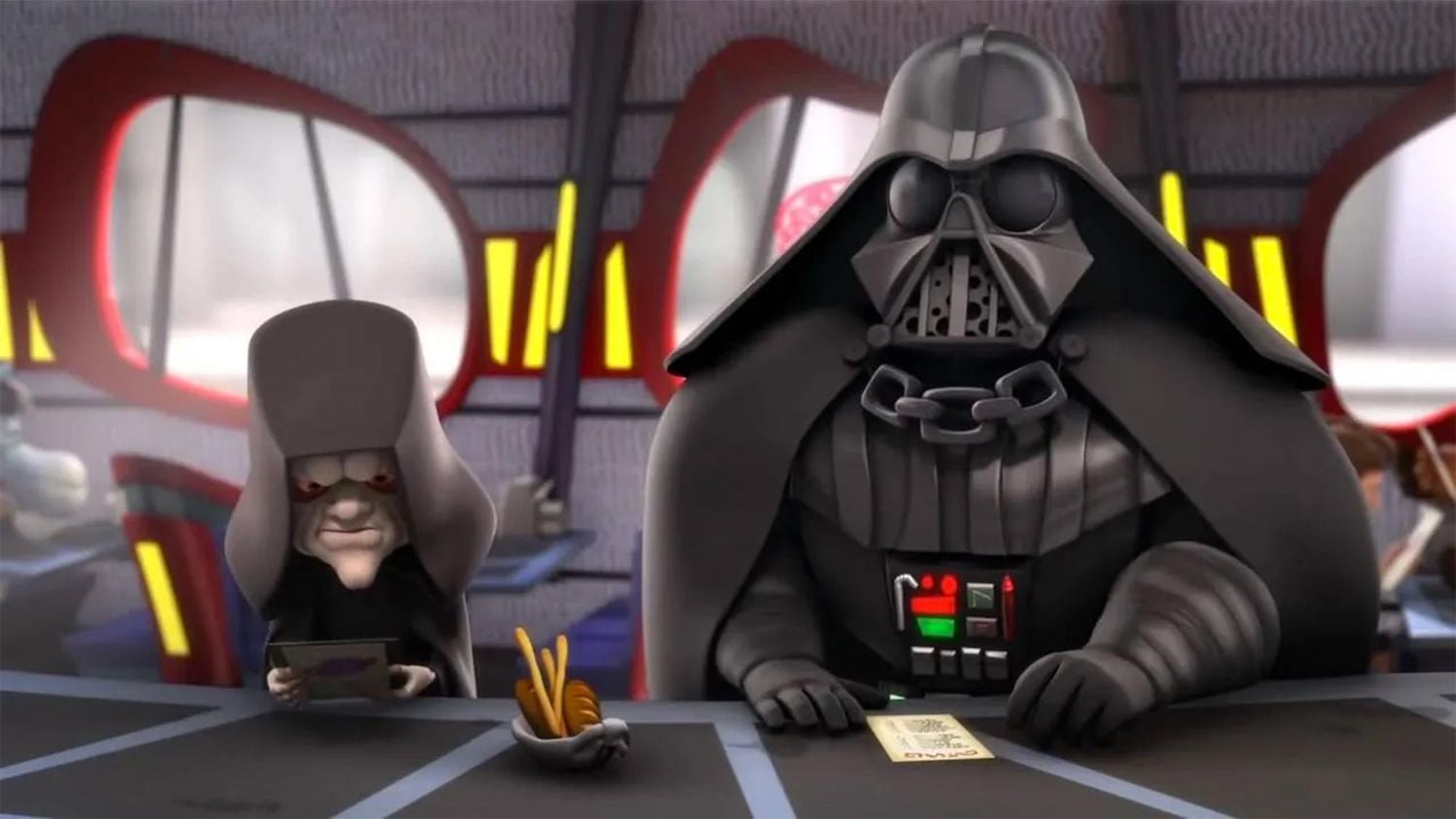
To truly appreciate the significance of this announcement, it's essential to understand what Star Wars Detours actually is. Conceived by George Lucas himself, the series was developed by the creative minds behind the popular Adult Swim show Robot Chicken, Seth Green and Matthew Senreich, along with their Stoopid Buddy Stoodios co-founder Chris McKay. Unlike other Star Wars animated series like The Clone Wars or Rebels, Detours was designed as a full-blown animated comedy sitcom, openly parodying the beloved saga.
Production for Star Wars Detours began in 2009, with a staggering 39 episodes completed and many more scripts written. The show was set between the events of Star Wars: Episode III – Revenge of the Sith and Star Wars: Episode IV – A New Hope, a period ripe for comedic exploration of the nascent Galactic Empire and the early days of the Rebellion. Characters like Darth Vader, Emperor Palpatine, Luke Skywalker, Princess Leia, Han Solo, and Chewbacca were all set to appear, but with a humorous, self-aware twist. Imagine Darth Vader complaining about his new uniform, or the everyday struggles of stormtroopers – that was the essence of Detours.
The series boasted an impressive voice cast, featuring many returning actors from the Star Wars films and other notable comedic talents. Dee Bradley Baker (Captain Rex from The Clone Wars) lent his voice to various characters, as did familiar names like Billy Dee Williams (Lando Calrissian), Anthony Daniels (C-3PO), Ahmed Best (Jar Jar Binks), and Warwick Davis (Wicket the Ewok). Alongside them were comedy stars like Seth Green, Matthew Senreich, Breckin Meyer, Donald Faison, and many others, promising a truly star-studded and laugh-out-loud experience.
However, despite the extensive work and talent poured into it, Star Wars Detours faced an unexpected hurdle. In 2012, The Walt Disney Company acquired Lucasfilm from George Lucas. With Disney's plans for a new trilogy of films (starting with Star Wars: The Force Awakens) and a renewed focus on a cohesive, serious canon, the comedic and largely non-canonical nature of Detours didn't fit into their immediate strategy. Lucas himself confirmed that the series was put on hold, stating that it "looked a little too much like Star Wars" and that they decided to delay it so as not to confuse audiences with the upcoming theatrical releases. This decision left fans wondering if they would ever see the completed episodes, turning Detours into one of the great "what ifs" of Star Wars lore.
The Vision of the George Lucas Museum of Narrative Art
The selection of the George Lucas Museum of Narrative Art as the venue for this special screening is no coincidence. This museum is the culmination of George Lucas's long-held dream to create a space dedicated to the art of visual storytelling. Located in Los Angeles's Exposition Park, a cultural hub that also houses the California Science Center and the Natural History Museum of Los Angeles County, the Lucas Museum is an architectural marvel designed by Ma Yansong of MAD Architects. Its fluid, organic design aims to blend seamlessly with the park surroundings, reflecting its mission to inspire creativity and curiosity in all its visitors.
Unlike traditional art museums that often focus on specific periods or mediums, the Lucas Museum embraces a broader scope, celebrating the power of narrative across all forms. Its collections will span a wide range of art, including paintings, illustrations, photography, comic art, and various forms of digital and cinematic arts. This eclectic approach is a direct reflection of Lucas's personal interests and his belief in the universal language of storytelling. Visitors will find everything from Norman Rockwell paintings and classic comic strips to cinematic artifacts and concept art from beloved films, including, naturally, Star Wars.
Lucas's vision for the museum extends beyond just displaying art; he aims to make it an educational institution that fosters understanding and appreciation for how stories are told. It will feature state-of-the-art educational facilities, theaters, and public spaces designed to engage audiences of all ages. By showcasing the creative process and the diverse ways in which narratives are crafted, the museum seeks to empower individuals to tell their own stories and to understand the impact of visual culture on our world.
In this context, Star Wars Detours fits perfectly. While it is a comedic endeavor, it is nonetheless a testament to narrative art and the creative exploration of an established universe. It represents an alternative path, a different kind of storytelling within the Star Wars saga, directly stemming from the mind of its creator. By exhibiting these episodes, the museum isn't just showing a cartoon; it's presenting a piece of creative history, an example of how even a legendary franchise can be reinterpreted and played with, demonstrating the breadth of narrative possibilities that the museum seeks to champion.
Why Now? The Unveiling of a Hidden Gem
The decision to finally showcase Star Wars Detours now, over a decade after its completion, raises intriguing questions. For years, fans have speculated about its existence, with only brief clips and interviews serving as evidence. The current timing, coinciding with the highly anticipated opening of the George Lucas Museum of Narrative Art, feels like a deliberate and fitting choice. It positions Detours not just as a lost TV show, but as an artifact of creativity, a part of Lucas's personal legacy that deserves to be seen.
One major factor is the context of the museum itself. George Lucas has poured his heart and personal fortune into creating this institution, which serves as a testament to his life's work and his passion for art and storytelling. What better place to debut a project that, while sidelined by new corporate ownership, was originally a direct creative venture from Lucas himself? It allows him, in a way, to reclaim and present a piece of his own artistic journey, free from the commercial pressures and strategic alignments of a major studio like Disney.
Moreover, the cultural landscape around Star Wars has evolved significantly since 2012. The franchise has embraced a wider range of tones and styles, from the gritty realism of Andor to the family-friendly adventures of The Mandalorian and various animated shorts. The fan base, too, has grown more accepting of diverse interpretations and expansions of the universe, including those that might not strictly adhere to the main canon. The initial concern about "confusing audiences" with a comedic parody alongside a serious new film trilogy may no longer be as pressing.
This unveiling could also be a strategic move to gauge public interest and generate buzz. While a museum screening is a limited release, it could serve as a pilot, demonstrating the enduring appeal of Detours. Should the reception be overwhelmingly positive, it might pave the way for a wider release on a streaming platform like Disney+. The Star Wars fan community is vast and vocal, and a strong positive response at the museum could create an irresistible demand for the entire series to be made available to a global audience.
The Evolution of Star Wars Humor and Parody
While Star Wars Detours represents a unique, fully-fledged comedic take on the saga directly from Lucasfilm, humor has always been an intrinsic, if sometimes subtle, part of the Star Wars universe. From C-3PO's constant worrying and sarcastic remarks to Han Solo's charming quips and the slapstick antics of the various creatures and droids, the films have consistently woven moments of levity into their grand space opera narratives. Even the Prequel Trilogy, despite its darker themes, had Jar Jar Binks (a character whose comedic intent, though controversial, was clear) and comedic relief provided by characters like R2-D2.
Beyond the official films, Star Wars has been a fertile ground for parody and fan-made humor for decades. Mel Brooks' 1987 classic Spaceballs remains a beloved spoof, demonstrating the franchise's ability to be both revered and ridiculed. In the early 2000s, Flash animations like "Chad Vader: Day Shift Manager" gained viral popularity, showing a hunger for comedic deconstructions of the iconic villain. These unofficial parodies proved that there was a massive audience eager to laugh at and with the characters they loved.
The direct predecessors to Star Wars Detours in terms of official, creators-involved parody were the various Robot Chicken Star Wars specials. These stop-motion sketch comedies, also produced by Seth Green and Matthew Senreich, lampooned every aspect of the saga with sharp wit and often adult humor. George Lucas himself was a fan and even contributed voice work to these specials, indicating his openness to seeing his creations explored through a comedic lens. The success and fan adoration for these specials likely played a significant role in Lucas's decision to greenlight Detours with the same creative team.
Star Wars Detours stands apart because it was envisioned as a continuous sitcom, offering a serialized comedic narrative rather than a series of sketches. It represented a bold step for Lucasfilm at the time, indicating a willingness to explore the franchise's versatility beyond serious epic storytelling. Its eventual showcase at the Lucas Museum helps cement this comedic side of Star Wars as a valid and important part of its overall legacy, acknowledging that laughter and lightheartedness can coexist with grand narratives and profound themes.
Fan Excitement and the Future of Detours
The announcement that Star Wars Detours will be shown at the George Lucas Museum has ignited a firestorm of excitement among the Star Wars faithful. For years, the series has been the subject of speculation, wishful thinking, and an almost mythical status. Seeing it finally emerge from the shadows is a moment of triumph for those who have followed its elusive journey.
Social media platforms and fan forums are abuzz with discussions, analyses, and renewed hopes for a wider release. The anticipation isn't just about seeing the humor; it's about seeing a project that was once deemed too risky or out of place, a creative endeavor directly tied to George Lucas himself during a transitional period for Lucasfilm. Fans are eager to see Lucas's personal comedic sensibilities expressed through the Star Wars lens, a perspective that largely disappeared after the Disney acquisition.
The primary hope for many is that the museum screening is merely the first step towards a full release of all 39 completed episodes, and possibly even the unproduced scripts. With Disney+ now a dominant force in streaming, and its constant need for new and compelling content, Star Wars Detours seems like a natural fit. It offers a unique, nostalgic, yet fresh perspective on the franchise that could appeal to both long-time fans craving something different and new viewers looking for an entry point into Star Wars humor. It also represents a valuable piece of Star Wars animation history that Disney now owns, making its complete shelving seem like a missed opportunity for content diversification.
Moreover, a full release would be a testament to the enduring power of creative projects, even those that face initial obstacles. It would validate the hard work of Seth Green, Matthew Senreich, and the entire team who dedicated years to bringing this vision to life. The fact that George Lucas is personally involved in its public debut at his own museum suggests a renewed sense of pride and perhaps a desire for this work to finally be seen by the audience it was intended for. This moment underscores the idea that truly compelling art, even when put on hold, eventually finds its moment to shine.
The Enduring Legacy of Star Wars and Creative Freedom
Star Wars is more than just a film franchise; it's a global cultural phenomenon that has shaped generations, influenced countless artists, and redefined storytelling in popular media. George Lucas's original vision, born from a fusion of classic mythology, cinematic serials, and advanced special effects, created a universe that continues to expand and captivate. The saga's enduring appeal lies in its rich characters, epic conflicts, and universal themes of hope, destiny, and the struggle between good and evil.
However, a crucial part of Lucas's legacy is also his willingness to experiment and push boundaries. He founded Industrial Light & Magic (ILM) to revolutionize visual effects and Pixar Animation Studios (though later sold) to pioneer computer animation. Even within Star Wars, he constantly sought new ways to tell stories, from the live-action films to various animated series like The Clone Wars, which dramatically expanded the lore and character development in ways the movies couldn't.
Star Wars Detours represents another facet of this creative freedom. It shows a side of Lucas that was prepared to embrace self-parody and comedic reinterpretation of his own creation. In a franchise often characterized by its earnestness and grandiosity, Detours was a refreshing departure, demonstrating that the Star Wars universe is robust enough to handle humor and lighthearted satire without losing its core identity. Its journey from production to prolonged hiatus, and now to a public display at his museum, highlights the complex interplay between artistic vision, commercial realities, and the eventual re-evaluation of creative works.
The George Lucas Museum of Narrative Art itself stands as a powerful testament to this enduring legacy and the importance of preserving diverse forms of creative expression. By showcasing everything from high art to popular culture artifacts, Lucas emphasizes that storytelling in all its forms holds intrinsic value. The inclusion of Star Wars Detours within this esteemed institution validates its place as a significant piece of creative history, not just for Star Wars fans, but for anyone interested in the development and evolution of narrative art in the modern age. It's a reminder that even the most iconic stories can be reimagined, reinterpreted, and enjoyed in countless ways, proving the infinite potential of imagination.
Conclusion: A New Chapter for a Lost Tale
The revelation that Star Wars Detours episodes will be viewable at the George Lucas Museum of Narrative Art marks a pivotal moment for Star Wars fans and enthusiasts of animated comedy alike. What was once a legendary, almost mythical project, hidden from public view, is finally stepping into the light. This screening is more than just a historical curiosity; it's a celebration of creative exploration, a nod to George Lucas's diverse vision, and a long-awaited treat for a dedicated fanbase.
As the doors of the Lucas Museum open, offering a glimpse into this unique corner of the Star Wars galaxy, it reignites hope for a broader release of the series. Whether it leads to a full streaming debut or remains a special museum exclusive, its presence at such a prestigious institution ensures its place in the rich tapestry of Star Wars lore. It's a testament to the idea that no creative endeavor is truly lost, and that sometimes, the most unexpected stories eventually find their perfect stage. The force of laughter is finally stirring.
from Kotaku
-via DynaSage

Post a Comment