
iPhone 18 Pro Battery Capacities Revealed by Regulatory Filings
iPhone 18 Pro and Pro Max: New Battery Details Emerge from Regulatory Filings
Exciting news is brewing in the world of Apple as fresh regulatory filings from China seem to confirm the battery sizes for the upcoming iPhone 18 Pro and iPhone 18 Pro Max. For tech enthusiasts and everyday users alike, battery life remains a top concern, and any increase is always met with keen interest. These new details provide an early peek into what we can expect from Apple's next generation of premium smartphones, hinting at potentially longer usage times for those who demand the most from their devices.
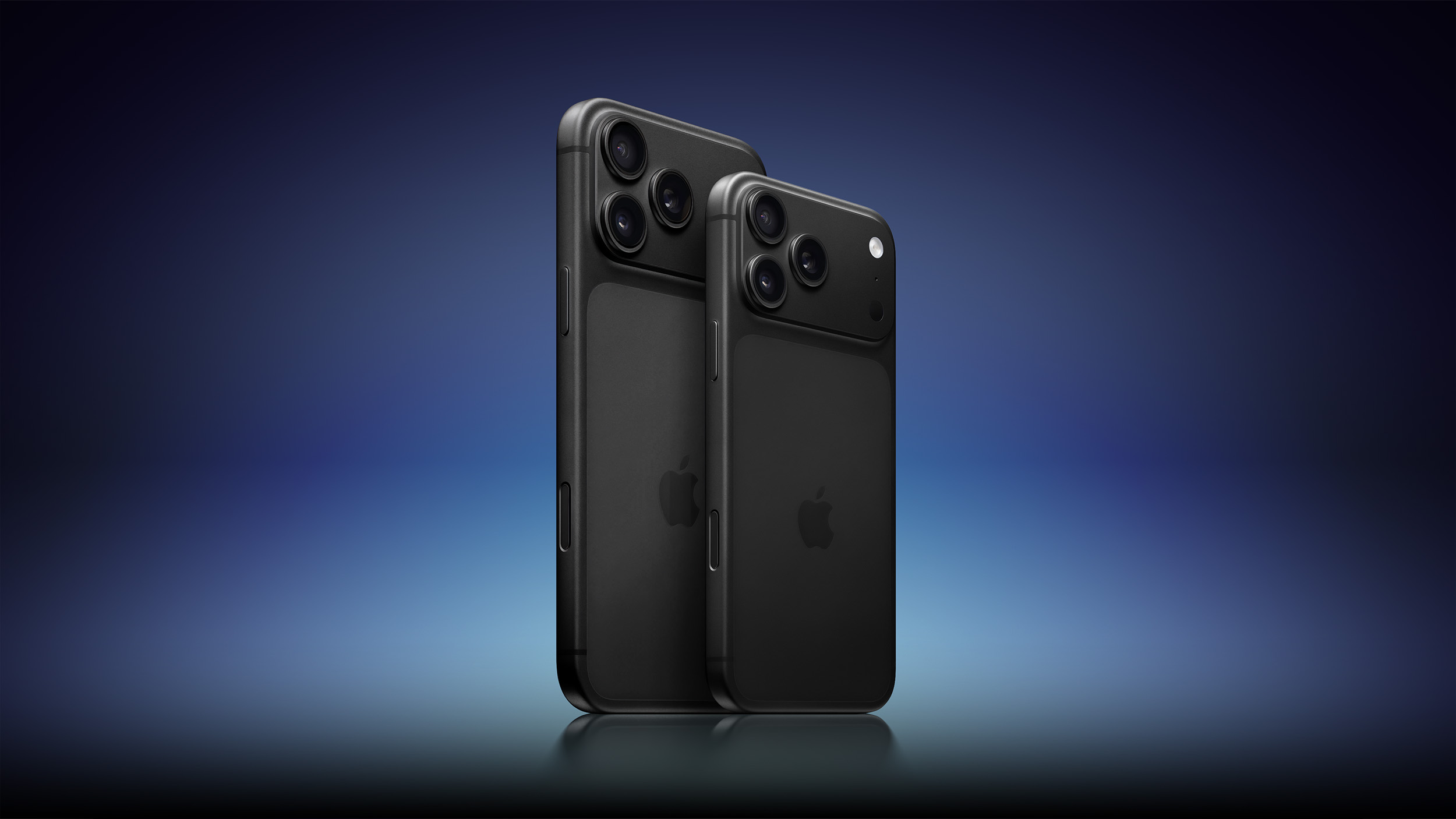
Unpacking the Latest Battery Capacities
The information comes from China's C3 database, a reliable source for such regulatory insights. It was first spotted by a well-known leaker in the tech community, "Digital Chat Station," on the Chinese social media platform Weibo. These filings provide specific milliamp-hour (mAh) ratings for both the Chinese and U.S. versions of the devices, revealing subtle but significant changes compared to their predecessors.
Let's break down the numbers for each model:
iPhone 18 Pro Battery Capacities
For the standard iPhone 18 Pro, the new filings suggest a modest increase in battery capacity. The version sold in China is reportedly rated at 4,056mAh. This is a slight bump from the iPhone 17 Pro, which featured a 3,988mAh battery. For users in the U.S., the iPhone 18 Pro is expected to come with a 4,288mAh battery, an increase from the 4,252mAh found in the iPhone 17 Pro. While these aren't massive leaps, every bit of extra capacity contributes to a better user experience.
| China | China Difference | U.S. | U.S. Difference | |
| iPhone 16 Pro | 3,582mAh | +308mAh | 3,582mAh | +308mAh |
| iPhone 17 Pro | 3,988mAh | +406mAh | 4,252mAh | +670mAh |
| iPhone 18 Pro | 4,056mAh | +68mAh | 4,288mAh | +36mAh |
iPhone 18 Pro Max Battery Capacities: A Significant Boost
The iPhone 18 Pro Max, typically the model with the longest battery life, appears to be getting a more substantial upgrade. The Chinese variant is listed with a capacity of 5,391mAh, a considerable jump from the iPhone 17 Pro Max's 4,823mAh. Similarly, the U.S. version of the iPhone 18 Pro Max shows an impressive 5,567mAh, up from the 5,088mAh in its predecessor. This represents an increase of nearly 500mAh for both regional models, which could translate into a noticeable improvement in daily usage and overall endurance.
| China | China Difference | U.S. | U.S. Difference | |
| iPhone 16 Pro Max | 4,685mAh | +244mAh | 4,685mAh | +244mAh |
| iPhone 17 Pro Max | 4,823mAh | +138mAh | 5,088mAh | +403mAh |
| iPhone 18 Pro Max | 5,391mAh | +568mAh | 5,567mAh | +479mAh |
It's important to note that while the filings don't explicitly name the devices as "iPhone 18 Pro" and "iPhone 18 Pro Max," the timing and nature of these certifications strongly suggest they relate to these highly anticipated models.
Understanding Battery Capacity: The mAh Metric
When we talk about smartphone batteries, the primary unit of measurement you'll encounter is milliamp-hours, or mAh. But what exactly does this mean for you, the user? Simply put, mAh is a unit that expresses the electrical charge capacity of a battery. A higher mAh rating generally indicates that a battery can store more energy, and thus, power a device for a longer period before needing a recharge.
However, battery life isn't solely determined by mAh. It's a complex interplay of several factors, including:
- Software Optimization: How efficiently the operating system (iOS, in this case) manages power consumption.
- Processor Efficiency: The power required by the phone's central processing unit (CPU) and graphics processing unit (GPU). Newer chips, like Apple's A-series, are constantly engineered for better performance per watt.
- Display Technology: Screen size, resolution, refresh rate, and brightness all contribute significantly to power draw.
- Network Connectivity: Using 5G, Wi-Fi, and Bluetooth actively consumes power.
- Usage Patterns: Heavy gaming, video streaming, or intensive app usage will drain the battery faster than light browsing or standby.
Despite these other variables, an increase in raw battery capacity (mAh) provides a fundamental baseline improvement. It means there's simply more fuel in the tank to begin with, giving Apple's engineers more headroom to deliver longer battery life, even with increasingly powerful components and features. The nearly 500mAh jump for the iPhone 18 Pro Max is particularly noteworthy, suggesting a dedicated effort to boost endurance for power users.
The Role of Regulatory Filings and Leakers
How do we get these insights before Apple officially unveils its new iPhones? The answer lies in regulatory compliance. Before any electronic device can be sold in a major market like China, it must undergo rigorous testing and receive certification from government bodies. These certifications ensure that products meet safety, environmental, and technical standards.
China's C3 database, for example, is one such repository where details about certified products are publicly listed. While these listings are primarily for regulatory purposes, they often contain key specifications like battery capacity, dimensions, and sometimes even processor details. This public availability makes them a goldmine for tech leakers.
Individuals and groups like "Digital Chat Station" specialize in sifting through these databases, supply chain reports, and other industry contacts to unearth unreleased product information. Their role in the tech ecosystem is often debated, but they undeniably provide an early glimpse into upcoming devices, building anticipation and informing consumers well before official announcements. The consistency of these filings with previous leaks from Digital Chat Station further solidifies the credibility of the information.
Understanding Regional Differences: eSIM vs. Physical SIM
One detail that frequently sparks curiosity is why battery capacities might differ between devices sold in China and the U.S. As the filings confirm, the U.S. models of the iPhone 18 Pro and Pro Max are expected to have slightly larger batteries than their Chinese counterparts. The explanation for this lies in Apple's strategic shift towards eSIM technology.
Since the iPhone 14 lineup, Apple has removed the physical SIM card tray from iPhones sold in the United States, making them eSIM-only devices. An eSIM, or embedded SIM, is a digital SIM that allows you to activate a cellular plan from your carrier without needing a physical nano-SIM card. This move has several implications:
- Space Savings: Removing the physical SIM tray and its associated internal components (like the ejector mechanism) frees up a small but significant amount of internal space within the phone. In the incredibly compact world of smartphone engineering, every millimeter counts.
- Water Resistance: Fewer openings in the phone's casing can potentially improve water and dust resistance, although iPhones already boast impressive IP ratings.
- Manufacturing Simplification: Potentially streamlining the manufacturing process by having one less physical component.
- Carrier Flexibility: While initial adoption might have felt restrictive, eSIMs offer greater flexibility for users to switch carriers or plans digitally, especially when traveling internationally.
With this newly available internal space, Apple can opt to fit a slightly larger battery into the U.S. versions of its iPhones. This subtle difference highlights Apple's meticulous engineering and its ongoing effort to maximize every available bit of space to enhance features like battery life, even if the advantage is small. For Chinese models, which still include a physical SIM tray (to accommodate local market preferences and regulations), that space is occupied, leading to the marginally smaller battery.
Beyond mAh: The Deeper Dive into Certification Details
The regulatory listings provide more than just mAh figures. They also shed light on other important battery specifications, offering a comprehensive look at the power units inside the new iPhones:
- Battery Models: The filings mention specific battery model numbers: S2232 and S2233 for the iPhone 18 Pro, and 2235L/2235 and 2236L/2236 for the iPhone 18 Pro Max. These internal designations help track components within Apple's vast supply chain and manufacturing processes.
- Rated Energy Figures: The certifications show rated energy figures of up to 21.751 Watt-hours (Wh). While mAh measures charge capacity, Wh measures the actual energy stored, taking into account the battery's voltage. This is often a more accurate way to compare energy across different battery types or voltages. A higher Wh rating means more stored energy, directly correlating to longer device runtime.
- Charge Limit Voltage: A 4.520V charge limit voltage is also listed. This refers to the maximum voltage the battery can be charged to. This specification is crucial for battery safety and longevity. Manufacturers carefully balance charge voltage to maximize capacity while preventing overcharging and premature degradation.
- Validity Period: Interestingly, all four batteries are listed as valid through May or June 2031. This long validity period isn't necessarily a guarantee of consumer warranty but rather an indication of the regulatory approval's duration, suggesting the components meet standards for an extended period, which can be reassuring regarding their design and durability.
These technical details, while perhaps obscure to the average user, are vital for regulators and engineers. They underscore the extensive testing and safety measures that go into designing and approving smartphone batteries, ensuring they are not only powerful but also safe and reliable for years of use.
The Synergy of Power and Efficiency: A20 Pro Chip and Enhanced Battery Life
While larger battery capacities are always welcome, the true magic often happens when increased power meets improved efficiency. Digital Chat Station, in a separate post, highlighted that supply chain information had previously pointed to the Chinese iPhone 18 Pro Max model reaching the "5,000mAh" range, aligning perfectly with the newly revealed 5,391mAh. More importantly, they suggested that this 5391mAh cell, when paired with the rumored 2nm A20 Pro chip, could deliver a "noticeable battery life improvement."
This insight points to a critical trend in modern smartphone development: the relentless pursuit of chip efficiency. Apple's A-series chips are industry leaders, and the move to a 2-nanometer (2nm) manufacturing process for the A20 Pro would be a significant leap. Here's why this matters:
- Smaller Transistors, Less Power: The "nanometer" figure refers to the size of the transistors on the chip. A smaller process node (like 2nm compared to previous 3nm or 4nm) means transistors are more tightly packed and require less power to operate. This translates directly to reduced energy consumption for the same amount of processing power.
- Improved Thermal Management: More efficient chips generate less heat. This not only keeps the phone cooler during intensive tasks but also prevents thermal throttling, where the chip has to slow down to manage heat, thereby maintaining peak performance for longer.
- Unlocking New Features: The power savings from a more efficient chip can be redirected to support new, power-hungry features, such as advanced AI capabilities, more sophisticated camera processing, or higher refresh rate displays, without compromising overall battery life.
- Real-world Impact: For users, the combination of a larger battery and a more efficient chip means not just incremental but potentially significant improvements in how long their phone lasts on a single charge. This could mean comfortably getting through a full day of heavy use, or even extending to two days for lighter users. This synergy is key to Apple's strategy for delivering a superior user experience without making phones thicker or heavier.
The whispered arrival of a 2nm A20 Pro chip, combined with the substantial battery upgrades, positions the iPhone 18 Pro Max to potentially set new benchmarks for smartphone endurance, a feature highly coveted by consumers.
Beyond Battery: Other Anticipated iPhone 18 Pro Innovations
While battery life is a crucial factor, the iPhone 18 Pro models are expected to bring a host of other exciting innovations. Leaks and rumors have painted a picture of a device packed with cutting-edge technology that extends beyond just power management. Here’s a glimpse at what else might be in store:
A Smaller Dynamic Island
Introduced with the iPhone 14 Pro, the Dynamic Island transformed the notch into an interactive, shape-shifting pill-shaped area at the top of the display. It cleverly integrates alerts, notifications, and background activities into a fluid, animated interface. For the iPhone 18 Pro, rumors suggest Apple might refine this feature further by making it smaller. A reduced footprint for the Dynamic Island would mean even more usable screen real estate, enhancing the immersive viewing experience without sacrificing its innovative functionality.
Variable Aperture Main Camera
Photography on iPhones has consistently been a strong suit, and the iPhone 18 Pro is rumored to push boundaries with a variable aperture main camera. This technology, already seen in some professional cameras and a few Android smartphones, allows the camera lens to physically adjust its aperture size. Why is this important?
- Improved Low-Light Performance: A wider aperture (smaller f-number) lets in more light, which is crucial for capturing brighter, clearer photos in dim conditions.
- Enhanced Depth of Field: A narrower aperture (larger f-number) can create a greater depth of field, keeping more of the scene in focus, which is ideal for landscapes or group shots.
- Better Dynamic Range: Variable aperture offers greater control over exposure, leading to richer detail in both highlights and shadows.
This feature would offer unprecedented versatility for iPhone photographers, allowing them to adapt to different lighting conditions and creative demands right from their smartphone.
C2 Modem Outside of the U.S.
Connectivity is paramount, and the iPhone 18 Pro is expected to feature an advanced C2 modem outside of the U.S. Modems are responsible for cellular communication, enabling fast 5G speeds, reliable calls, and efficient data transfer. While the U.S. models might stick with Qualcomm's latest offerings, the shift to a specific C2 modem in other regions indicates Apple's continued strategy of optimizing components for different markets and potentially laying the groundwork for its own modem development in the future. A more efficient modem can also contribute to battery savings by reducing the power needed for network activity.
Apple's First Foldable iPhone
Perhaps the most ambitious rumor surrounding the upcoming launch is the possibility of Apple's first foldable iPhone. The foldable phone market, pioneered by Samsung, has been steadily growing, offering users a larger screen experience in a compact form factor. If Apple truly launches a foldable alongside the iPhone 18 Pro series, it would signal a major entry into a new category, potentially redefining the premium smartphone landscape. A foldable iPhone would likely boast a host of unique software optimizations and hardware innovations to maximize the flexible display experience, opening up new possibilities for productivity, entertainment, and multitasking. This would be a monumental launch for Apple, showcasing its ability to adapt and innovate in emerging form factors while likely maintaining its high standards for design and user experience.
The Anticipated Launch and What to Expect
All these exciting developments are expected to culminate in Apple's traditional September launch event. This annual keynote is where the company typically unveils its latest iPhone lineup, alongside other hardware and software announcements. The anticipation for the iPhone 18 Pro and iPhone 18 Pro Max is already building, especially with these new battery details suggesting significant endurance improvements.
For consumers, the choice between the standard Pro and the Pro Max often boils down to screen size preference and, critically, battery life. The substantial jump in capacity for the Pro Max underscores its positioning as the ultimate device for power users, content creators, and anyone who simply wants to forget about their charger for as long as possible.
As we draw closer to the official unveiling, more leaks and rumors are bound to surface, providing an even clearer picture of what Apple has in store. What's certain is that the iPhone 18 Pro generation is shaping up to be a compelling upgrade, not just in raw power and features, but fundamentally in one of the most important aspects for any smartphone user: how long it can keep going.
Conclusion: A Brighter Future for iPhone Battery Life
The recently revealed regulatory filings from China offer a compelling glimpse into the future of Apple's flagship smartphones. With confirmed battery capacity increases, especially the significant jump for the iPhone 18 Pro Max, users can realistically expect enhanced endurance from their next device. This, combined with the anticipated efficiency of the 2nm A20 Pro chip, paints a promising picture of iPhones that not only perform exceptionally but also last longer on a single charge.
Beyond battery improvements, the rumored features such as a smaller Dynamic Island, a groundbreaking variable aperture camera, and advanced modem technology, all contribute to a highly anticipated release. The potential for Apple's first foldable iPhone to launch concurrently further amplifies the excitement, suggesting a September event that could reshape the mobile technology landscape.
For those seeking the pinnacle of smartphone technology coupled with best-in-class battery performance, the iPhone 18 Pro and iPhone 18 Pro Max are certainly models to watch. Stay tuned as we eagerly await Apple's official announcements, which promise to bring these exciting innovations to life.
This article, "iPhone 18 Pro Battery Capacities Revealed by Regulatory Filings" first appeared on MacRumors.com
Discuss this article in our forums
from MacRumors
-via DynaSage
