Hi-Fi Rush Physical Copies Shipped Without Promised Content: ‘We Sincerely Apologize From The Bottom Of Our Hearts’
Hi-Fi Rush: A Deep Dive into Tango Gameworks' Rhythmic Masterpiece and Its Enduring Physical Legacy
In the vibrant, ever-evolving world of video games, some titles burst onto the scene with such unexpected charm and innovation that they instantly capture the hearts of players. One such game is Hi-Fi Rush, a unique rhythmic action adventure from the acclaimed studio Tango Gameworks. This game wasn't just a hit; it was a surprise, unveiled and released on the same day, quickly earning widespread praise for its catchy music, stylish visuals, and incredibly fun gameplay. As players worldwide fell in love with protagonist Chai and his rhythmic fight against a soulless tech corporation, a significant aspect of its enduring appeal lies in its physical editions. These special physical copies of Tango Gameworks’ rhythmic action game were handled with great care by two prominent names in niche game distribution: Limited Run Games and Superdeluxe Games. This collaboration highlights the continued importance of physical media in a digital age, especially for a game that quickly became a cultural touchstone and, more recently, a poignant symbol in the gaming community.
The Beat Goes On: Exploring the World of Hi-Fi Rush
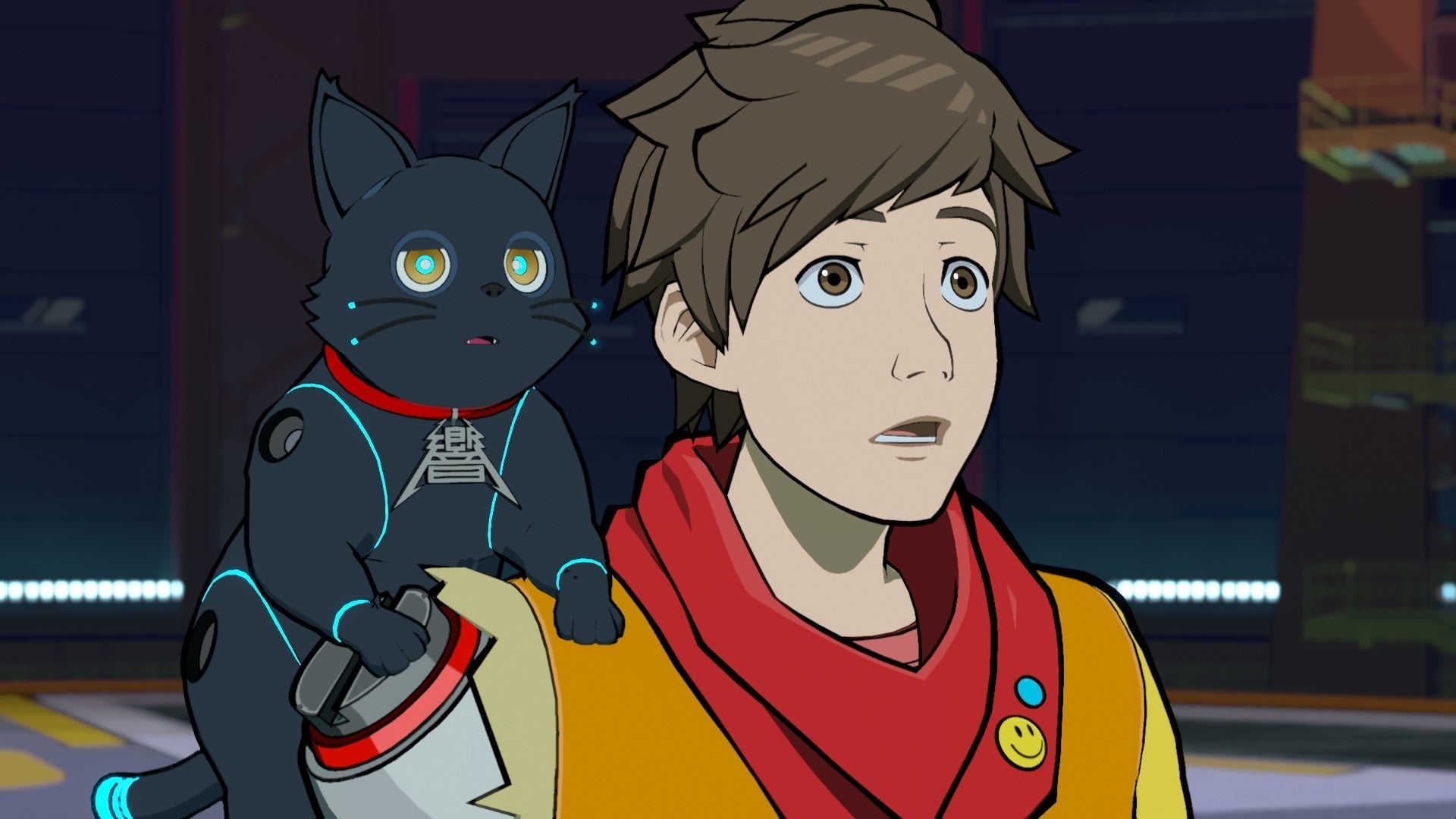
Hi-Fi Rush stands out for many reasons, primarily its bold fusion of genres. It’s a rhythmic action game where every combat move, jump, and dodge is perfectly synced to a pulsating soundtrack. Players control Chai, a wannabe rockstar with a unique ability: he sees the world in rhythm, thanks to a faulty arm implant that accidentally fuses him with his music player. Set in a colorful, cel-shaded future, Chai must team up with a quirky group of allies to take down a powerful tech company, Vandelay Technologies, whose sinister plans involve mind control through technology. The game’s premise is as wild and imaginative as its execution.
The core gameplay loop involves navigating vibrant environments and engaging in combat where success hinges on timing attacks and dodges to the beat. Enemies attack in rhythm, and Chai's abilities power up when actions are perfectly timed. This mechanic isn't just a gimmick; it's deeply integrated into the entire experience, making every encounter feel like a dynamic, interactive musical performance. From the satisfying clangs of parries to the explosive final blows of combo finishers, the game rewards precision and encourages players to truly feel the rhythm. The game's accessibility is also noteworthy, offering options that allow players of all skill levels to enjoy the beat-synced action, ensuring that no one is left out of the rhythmic fun.
Beyond its innovative gameplay, Hi-Fi Rush shines with its striking visual style and memorable characters. The art direction is a masterclass in cel-shaded animation, reminiscent of classic cartoons but with a modern, high-definition polish. Each character, from the flamboyant bosses to Chai's robotic cat companion, 808, is brimming with personality, brought to life through witty dialogue and expressive animations. The world itself is a feast for the eyes, with vibrant colors, dynamic lighting, and environments that move and pulse to the music. This visual flair, combined with its high-octane soundtrack featuring licensed tracks from rock and metal bands alongside original compositions, creates an immersive and truly unique aesthetic that players won't soon forget.
Critics and players alike lauded Hi-Fi Rush upon its release. It was praised for its originality, tight controls, brilliant art direction, and, most importantly, its sheer fun factor. Many appreciated Tango Gameworks for stepping outside their comfort zone of horror games (like The Evil Within and Ghostwire: Tokyo) to deliver something so fresh and unexpected. It quickly became a benchmark for how rhythm mechanics could be successfully integrated into other genres, proving that innovation and joy could still be found in mainstream gaming.
Tango Gameworks: A Legacy of Creative Vision
Tango Gameworks, founded by the legendary game designer Shinji Mikami (creator of Resident Evil), quickly established itself as a studio known for its distinct creative vision. Before Hi-Fi Rush, the studio was primarily recognized for its forays into the survival horror genre with titles like The Evil Within and its sequel, and the supernatural action-adventure Ghostwire: Tokyo. These games showcased Tango Gameworks' commitment to atmospheric storytelling, intricate world-building, and pushing the boundaries of their chosen genres.
Hi-Fi Rush, however, represented a significant departure from their established brand. It was a bold move, demonstrating the studio's versatility and willingness to experiment. The development of Hi-Fi Rush was a testament to the team's passion, as it was reportedly a project worked on in secret alongside their larger, more traditional releases. This "passion project" nature undoubtedly contributed to its authentic charm and innovative design. It showed that even a studio known for dark, intense experiences could deliver a game brimming with light, humor, and pure, unadulterated fun. The success of Hi-Fi Rush not only expanded Tango Gameworks' portfolio but also showcased their incredible talent across different genres, proving that creativity knows no bounds.
The game's reception was a huge win for the studio, proving that taking creative risks can pay off handsomely. It wasn't just a critical darling; it resonated deeply with players who appreciated its unique blend of music, action, and humor. This success made Tango Gameworks an even more beloved and respected name in the industry, raising anticipation for what innovative project they might tackle next. However, as we will discuss later, the story of Tango Gameworks took an unexpected and unfortunate turn, making the legacy of Hi-Fi Rush even more significant.
The Art of Physical Releases: Limited Run Games
In an increasingly digital landscape, the demand for physical video game copies might seem like a relic of the past. However, companies like Limited Run Games have built thriving businesses catering to collectors and enthusiasts who value the tangibility and permanence of physical media. Limited Run Games specializes in producing high-quality physical editions of digitally released games, often in limited quantities, making them highly sought after by collectors.
Their business model is built on scarcity and collector appeal. They collaborate with developers and publishers to release beloved indie titles and even some mainstream digital-only games as physical cartridges or discs. These releases often come with exclusive artwork, special packaging, and sometimes even collector's items like soundtracks, art books, or figurines. For fans, owning a physical copy is more than just having the game; it's about owning a piece of gaming history, a tangible representation of their passion.
The involvement of Limited Run Games in distributing physical copies of Hi-Fi Rush speaks volumes about the game's cultural impact and the dedicated fanbase it quickly cultivated. For a game that was initially a digital-only surprise release, the decision to produce physical editions through a specialist like Limited Run Games underscores the strong demand from players who wanted to hold this unique experience in their hands. It also helps preserve the game in a physical format, providing an alternative to purely digital distribution, which can be vulnerable to delisting or platform changes. Their meticulous attention to detail and commitment to quality ensure that these physical editions are not just games, but collector's items that fans will cherish for years to come.
Superdeluxe Games: Another Key Player in Physical Preservation
While Limited Run Games is a well-known name in the niche market of physical game releases, Hi-Fi Rush also saw its physical distribution handled by Superdeluxe Games. The involvement of multiple specialized distributors like Superdeluxe Games often signifies a wider reach or different regional distribution strategies, ensuring that dedicated collectors across various territories have access to these coveted physical editions. Superdeluxe Games shares a similar philosophy with Limited Run Games: to bring high-quality physical versions of digital-first titles to the market, catering to a passionate community of collectors and preservationists.
Superdeluxe Games focuses on curating a selection of notable independent and cult-favorite titles, giving them the physical treatment they deserve. Their releases are often characterized by premium packaging and a commitment to ensuring that the physical product reflects the artistic integrity of the game itself. Their collaboration in bringing Hi-Fi Rush to physical form further emphasizes the game's significance and the desire to make it accessible in a tangible format to as many fans as possible. This dual distribution approach sometimes allows for different regional releases or distinct collector's editions, offering variety and broader availability for an eager fanbase. By partnering with both Limited Run Games and Superdeluxe Games, Tango Gameworks and its publisher ensured that Hi-Fi Rush received comprehensive physical release coverage, solidifying its place in gaming collections worldwide.
Why Physical Copies Still Rock: More Than Just a Game
In an era dominated by digital downloads and subscription services, the enduring appeal of physical video games might seem counterintuitive. Yet, for a significant segment of the gaming community, physical copies hold an irreplaceable value. This phenomenon goes beyond mere nostalgia; it's rooted in a deeper appreciation for ownership, preservation, and the tangible aspects of collecting.
Firstly, **ownership** is a key factor. When you buy a digital game, you often purchase a license to play it, rather than outright owning the software. This means that if a digital storefront closes, or a game is delisted, access to that title can be lost. Physical copies, however, give players true ownership. As long as you have the disc or cartridge and a compatible console, the game is yours to play, without reliance on servers or licenses. This sense of permanence is increasingly valuable to players who have witnessed digital libraries disappear or become inaccessible.
Secondly, **game preservation** is a critical concern. Video games are a cultural art form, and like books or films, they deserve to be preserved for future generations. Physical media plays a vital role in this. While digital archives exist, physical copies offer a more robust and decentralized method of preservation, ensuring that games remain playable even if digital infrastructure fails or changes. For a unique game like Hi-Fi Rush, preserving it in a physical format ensures its accessibility for decades to come, safeguarding its legacy.
Finally, the **collector's aspect** cannot be overstated. For many, collecting physical games is a hobby unto itself. There's immense satisfaction in curating a library of games, admiring their box art, and displaying them proudly. Special editions, limited runs, and unique packaging—all hallmarks of releases from companies like Limited Run Games and Superdeluxe Games—turn games into art pieces and investment opportunities. These physical editions often come with additional content, like art books, soundtracks, or developer insights, offering a more complete and immersive experience for the dedicated fan. The tactile experience of unwrapping a new game, examining its manual, and placing it on a shelf is a ritual that digital downloads simply cannot replicate.
The Bittersweet Context: Tango Gameworks' Closure and Hi-Fi Rush's Legacy
The story of Hi-Fi Rush and its physical releases takes on a particularly poignant tone in light of recent, unfortunate news. In May 2024, ZeniMax Media, a subsidiary of Microsoft's Xbox division, announced the closure of Tango Gameworks, along with several other studios. This shocking news sent ripples through the gaming industry, as Tango Gameworks was a critically acclaimed studio responsible for beloved titles and, most recently, the unexpected hit Hi-Fi Rush.
The closure of Tango Gameworks just over a year after Hi-Fi Rush's celebrated launch is a harsh reminder of the volatile nature of the video game industry. It also raises questions about the future of games developed by now-defunct studios. For Hi-Fi Rush, this development casts a bittersweet shadow over its success. It was a game that brought immense joy and showcased the incredible talent within Tango Gameworks, serving as a vibrant outlier in their portfolio of horror titles. Now, it stands as the studio's swan song, a final, brilliant act before its unexpected curtain call.
In this context, the physical editions of Hi-Fi Rush become even more significant. They are not just collector's items; they are tangible memorials to a studio that created something truly special. For fans, these physical copies represent a lasting connection to Tango Gameworks and a way to honor their contributions to gaming. The demand for these physical editions, already high due to the game's quality and its limited release nature, is likely to surge even further as players seek to own a piece of this studio's final legacy. It underscores the importance of physical preservation, ensuring that even if digital storefronts change or games are removed, a physical testament to Tango Gameworks' creativity will remain accessible for years to come.
The closure of Tango Gameworks also makes Hi-Fi Rush a powerful example of game development excellence that was cut short. It reminds us of the human element behind every game, the passion, skill, and dedication of the teams involved. Owning a physical copy of Hi-Fi Rush becomes a tribute not just to the game itself, but to the talented individuals at Tango Gameworks who poured their hearts and souls into creating such a unique and unforgettable experience. It's a reminder to celebrate and cherish these creations, especially when the creative forces behind them face such difficult circumstances.
The Future of Hi-Fi Rush and Physical Media
Even with the unfortunate news surrounding Tango Gameworks, Hi-Fi Rush itself continues to thrive as a beloved game. Its unique blend of rhythmic action, charming characters, and vibrant world ensures its place as a modern classic. The game's future may now be uncertain regarding potential sequels or expanded content from its original creators, but its existing form remains a complete and polished experience that will undoubtedly be discovered and enjoyed by new players for years to come.
The ongoing appeal of physical media, championed by companies like Limited Run Games and Superdeluxe Games, is also unlikely to diminish. As the industry continues to push towards digital-only releases, the value of physical ownership and preservation only grows for dedicated fans. For games like Hi-Fi Rush, which resonated deeply with a passionate audience, physical editions serve as a vital bridge between the digital and tangible worlds. They offer a sense of security against the ephemeral nature of digital licenses and provide a lasting piece of history for collectors and archivists. The efforts of these distributors ensure that the legacy of a remarkable game and its creators, even those who are no longer actively developing, can be honored and kept alive through tangible means.
Conclusion
Hi-Fi Rush is more than just a game; it's a testament to creative risk-taking, brilliant execution, and the power of unexpected joy in gaming. From its innovative rhythmic action to its striking art style and memorable characters, Tango Gameworks crafted an experience that captivated players worldwide. The meticulous work of Limited Run Games and Superdeluxe Games in producing its physical editions further cemented its legacy, offering fans tangible pieces of this vibrant world.
In the wake of Tango Gameworks' closure, these physical copies of Hi-Fi Rush take on an even greater significance. They are not merely collector's items but symbols of a studio's incredible talent and a reminder of the passion that fuels the creation of beloved games. They represent preservation, ownership, and a heartfelt tribute to the artists who brought Chai's rhythmic adventure to life. As the beat of Hi-Fi Rush continues to echo in the hearts of players, its physical editions ensure that Tango Gameworks' final masterpiece will be celebrated and remembered for generations to come.
from Kotaku
-via DynaSage

Post a Comment