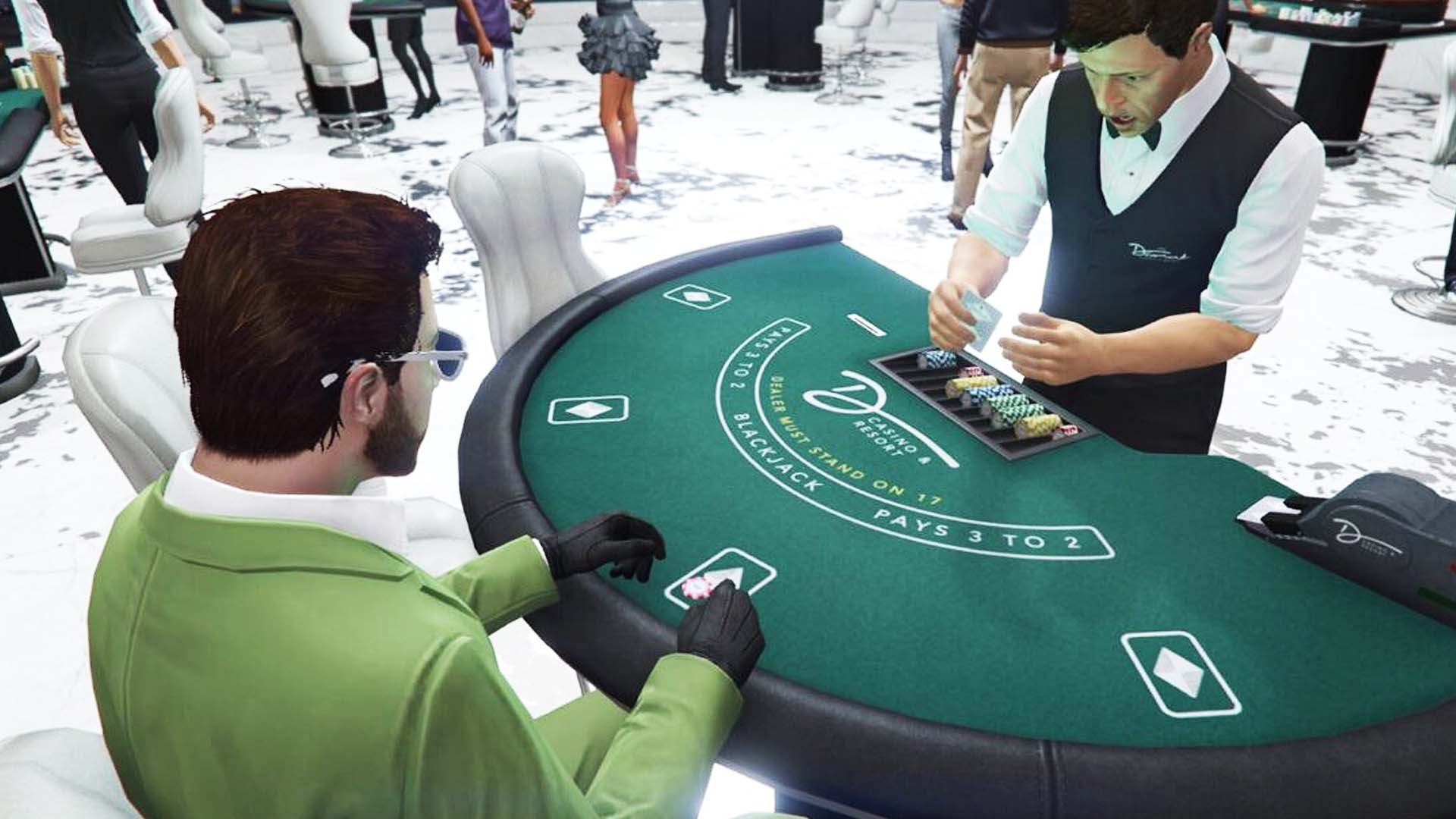
GTA Online Players In Australia Can No Longer Gamble In The Casino Seven Years After It Was Added To The Game
A New Spin on Gaming: Why Australian Players Are Losing Their Free Lucky Wheel Bonus
In the vast, ever-evolving world of online gaming, small changes can sometimes send ripples across entire communities. Recently, players of a highly popular online title, specifically those located in Australia, have noticed a significant alteration to one of the game's beloved features: the daily free wheel spin. This seemingly minor adjustment has sparked discussions, raised questions about regional gambling laws, and highlighted the complex intersection of virtual entertainment and real-world regulations. For those 'down under,' the days of eagerly anticipating a free roll on the Lucky Wheel are officially over, marking a notable shift in their gaming experience.
This development isn't just about a lost daily bonus; it's a window into the increasing scrutiny that in-game mechanics face from governments worldwide. As virtual worlds grow more sophisticated and incorporate elements resembling traditional gambling, regulators are beginning to take notice. The decision to remove this feature for Australian players is a direct consequence of this evolving legal landscape, forcing game developers to adapt their offerings to comply with diverse national laws.
Understanding the Lucky Wheel and Its Appeal
To fully grasp the impact of this change, it's essential to understand what the Lucky Wheel is and why it became such a popular part of the game. The Lucky Wheel is a prominent feature found within a virtual casino setting in one of the most well-known open-world online games. This casino, often a bustling hub of activity, offers players a taste of high-stakes entertainment without requiring real-world money for most of its activities, at least not directly for the daily spin.
Every in-game day, players had the opportunity to spin the Lucky Wheel once for free. This spin could reward them with a variety of prizes, ranging from in-game cash and experience points (RP) to exclusive clothing items, discounts on vehicles, and even a grand prize vehicle on the podium. The allure of the Lucky Wheel was multifaceted. It provided a simple, daily incentive to log into the game, fostering a sense of routine and engagement. The thrill of anticipation, the excitement of watching the wheel slow down, and the potential to win a rare or expensive item without any direct cost contributed significantly to its popularity.
For many players, especially those who preferred not to spend real money on virtual currency, the Lucky Wheel was a valuable source of income and coveted items. Winning the podium vehicle, for instance, could save a player millions of in-game dollars, which would otherwise require considerable time spent grinding missions or purchasing "Shark Cards" (virtual currency packs bought with real money). This made the daily spin a democratic feature, accessible to all, and a genuinely exciting part of the game's economy.
The "Down Under" Dilemma: Australia's Strict Gambling Laws
The sudden removal of the free Lucky Wheel spin for Australian players didn't happen in a vacuum. It is a direct response to Australia's stringent and comprehensive gambling regulations. Australia has one of the highest rates of gambling participation in the world, and its government has consequently implemented robust laws to mitigate potential harm. The primary piece of legislation governing online gambling is the Interactive Gambling Act 2001 (IGA). While initially designed to target traditional online casinos and sports betting, its scope has expanded and is increasingly interpreted to cover novel forms of virtual gambling.
The core issue for the Lucky Wheel lies in the concept of "chance" and the potential for "prizes," even if those prizes are purely virtual. Australian law often defines gambling broadly, encompassing any activity where a person risks something of value (even virtual currency or time) on the outcome of a game of chance, with the expectation of winning a prize. While the daily spin itself was "free" in the sense that it didn't cost real money or even in-game currency to initiate, the *prizes* themselves hold a certain value within the game's economy.
Regulators might view the Lucky Wheel as problematic because:
- It involves chance: The outcome is entirely random, decided by the spin of a wheel.
- It offers valuable prizes: Even if virtual, items like expensive vehicles, large sums of in-game cash, or rare clothing have a perceived value and can reduce the need to spend real money on Shark Cards.
- It mimics traditional casino games: The visual presentation and mechanics closely resemble a classic "wheel of fortune" style game found in physical casinos.
The concern isn't necessarily that players are losing real money directly through the spin, but rather that it normalizes gambling behavior, especially among younger audiences, and blurs the lines between entertainment and a regulated activity. Australian authorities have previously taken action against other forms of in-game monetization, such as loot boxes, in certain contexts, demonstrating a clear willingness to apply gambling laws to virtual goods.
The Developer's Compliance: Rockstar Games' Stance
The developer behind the affected game, Rockstar Games, a subsidiary of Take-Two Interactive, is a global powerhouse known for creating immersive and expansive gaming experiences. Operating on such a grand scale means navigating a labyrinth of international laws and cultural sensitivities. When faced with potential legal challenges in a specific region, game developers typically have two main options: either challenge the interpretation of the law (which is costly and risky) or comply with it.
In this instance, Rockstar Games opted for compliance. While there wasn't a grand official announcement detailing the specific legal advice or regulatory discussions, the action itself speaks volumes. By disabling the Lucky Wheel for players logging in from Australian IP addresses, Rockstar is effectively geo-blocking the feature. This involves identifying a player's geographical location based on their internet protocol (IP) address and then restricting access to certain game elements accordingly.
This decision underscores a broader trend in the gaming industry. Developers are increasingly proactive in adapting their games to local regulations, especially concerning anything that might be construed as gambling. The financial implications of non-compliance can be severe, including hefty fines, legal battles, and even a ban from operating in a specific market. For a company like Rockstar, with a massive player base in Australia, maintaining market access and avoiding legal entanglements is paramount to its long-term business strategy. Therefore, sacrificing a relatively minor daily bonus feature is a pragmatic choice to ensure continued operation in a significant market.
The Player Reaction and Community Buzz
Unsurprisingly, the removal of the free Lucky Wheel spin was met with a mix of disappointment, frustration, and a healthy dose of online debate among the Australian player base. Many expressed feelings of being unfairly targeted or left out compared to their international counterparts. The daily ritual of spinning the wheel, which for some was a core part of their login routine, was abruptly taken away.
Discussions quickly flared up on gaming forums, Reddit threads, and social media platforms. Players questioned the fairness of the situation, pondered potential workarounds, and debated the nuances of what constitutes "gambling" in a virtual environment. Some felt that since no real money was directly wagered on the spin, it shouldn't fall under gambling laws. Others understood the legal rationale but lamented the loss of a fun, rewarding feature.
A common sentiment was the feeling of a "second-class" gaming experience. While the Lucky Wheel might seem like a small detail, its removal highlighted the tangible differences in gameplay experience based purely on geographical location. For a global online game that prides itself on a unified experience, such regional restrictions can create a sense of division within the player community.
The topic of using Virtual Private Networks (VPNs) inevitably arose. Some players considered using VPNs to mask their Australian IP address and access the Lucky Wheel. However, using VPNs to bypass geo-restrictions often violates a game's terms of service and can lead to account bans. This introduces an additional layer of risk and inconvenience for players who just want to enjoy a feature available elsewhere.
Broader Implications: The Blurring Lines of Gaming and Gambling
The situation with the Lucky Wheel in Australia is not an isolated incident; it's a symptom of a much larger and ongoing debate about the nature of in-game monetization and its resemblance to gambling. Across the globe, regulators are grappling with how to classify and oversee mechanics like loot boxes, gacha systems, and virtual casinos within video games.
- Loot Boxes: These are virtual items that players can purchase (often with real money) to receive a random assortment of in-game rewards. Countries like Belgium and the Netherlands have already declared certain types of loot boxes illegal gambling, leading to developers removing them or altering their monetization strategies in those regions.
- Gacha Mechanics: Popular in mobile games, gacha systems involve spending virtual currency (often bought with real money) for a random chance to win rare characters or items, mimicking capsule toy machines. These are also under increasing scrutiny due to their addictive potential and similarities to gambling.
- Virtual Currencies and Real-World Value: The debate extends to whether in-game virtual currencies and items, even if not directly convertible to real money by the developer, hold real-world value. Third-party markets for selling game accounts or items exist, further complicating the legal landscape.
This evolving regulatory environment presents significant challenges for game developers. They must design games that are engaging and profitable while simultaneously ensuring compliance with a patchwork of diverse and often ambiguous laws. What's perfectly acceptable in one country might be illegal in another, forcing developers to implement complex geo-specific features and content variations.
The underlying concern from regulators often revolves around consumer protection, particularly safeguarding vulnerable individuals and minors from potentially harmful gambling-like mechanics. The psychological hooks used in gambling – intermittent reinforcement, near misses, the "chance to win big" – are often present in these virtual systems, raising ethical questions about their design and accessibility.
Rockstar's Business Model and Ethical Considerations
For a game of this magnitude, its long-term success heavily relies on continuous player engagement and a robust monetization strategy. While the initial purchase of the game provides some revenue, a significant portion comes from in-game purchases, primarily "Shark Cards." These cards allow players to buy virtual currency with real money, which can then be used to purchase vehicles, properties, weapons, and other items within the game. The Lucky Wheel, while a free daily perk, was designed to be a retention tool, keeping players logging in and engaged with the casino content.
From a business perspective, the decision to remove the Lucky Wheel for Australian players demonstrates Rockstar's prioritization of legal compliance over the incremental player engagement generated by the free spin. The risk of legal action, fines, or damage to their reputation in a major market like Australia clearly outweighs the benefit of keeping the feature active. It highlights the delicate balance game developers must strike between maximizing profit, fostering player satisfaction, and adhering to global regulations.
This incident also brings to light ethical considerations in game design. Should games, even those rated for mature audiences, incorporate mechanics that so closely mimic gambling, regardless of whether real money is directly involved? The industry is increasingly facing pressure to adopt responsible design practices, particularly as games become more integrated into daily life and accessible to a wider demographic, including younger players who might not fully grasp the distinction between virtual and real-world consequences.
The Future of In-Game Monetization and Regulation
The situation with the Lucky Wheel in Australia serves as a strong indicator of where the gaming industry is headed regarding monetization and regulation. We can expect several trends to continue and intensify:
- Increased Scrutiny: Governments worldwide will likely continue to examine in-game mechanics that resemble gambling, loot boxes, and other chance-based reward systems.
- Fragmented Global Experiences: Game developers will likely need to implement more region-specific content and features to comply with diverse national laws, leading to varied player experiences across different countries.
- Self-Regulation and Industry Standards: To preempt government intervention, the gaming industry may develop more robust self-regulatory guidelines and ethical design principles related to monetization and chance mechanics.
- Focus on Transparency: There will be greater pressure on developers to be transparent about the odds of winning certain items in loot boxes or similar systems, similar to how odds are displayed in traditional gambling.
- Innovation in Monetization: Developers will be challenged to find new and creative ways to monetize their games that are engaging, fair, and compliant with evolving regulations, moving away from potentially problematic gambling-like mechanics.
For Australian gamers, this change is a tangible reminder that even virtual worlds are subject to real-world laws. While it's a minor inconvenience for many, it also underscores the growing legal framework around how digital entertainment is consumed and regulated. It’s a step towards aligning the virtual playground with the established rules of the physical world, particularly concerning consumer protection and responsible practices.
Conclusion: A New Era for Gaming Down Under
The removal of the free Lucky Wheel spin for Australian players in this immensely popular online game is more than just a minor inconvenience; it's a significant marker in the ongoing global discussion about video games, virtual economies, and gambling regulations. It highlights the imperative for game developers like Rockstar Games to constantly adapt to the diverse legal landscapes of their international markets, even if it means altering core game features.
For players in Australia, this means saying goodbye to a beloved daily ritual and a valuable source of in-game rewards. While the immediate impact might feel like a loss, this change also serves as an important educational moment, shedding light on the complexities of operating a global entertainment product within a world of differing national laws. As the lines between virtual entertainment and real-world regulatory frameworks continue to blur, this incident is a clear signal that the future of gaming will demand even greater consideration of legal compliance and ethical design from developers, ensuring a safer and more transparent experience for players worldwide, especially those down under.
from Kotaku
-via DynaSage

Post a Comment