Virtua Fighter Crossroads Is Going For Broke On Things Most Fighting Games Wouldn’t Bother With
The Unlikely Storytellers: How Ryu Ga Gotoku Studio Could Revolutionize Fighting Game Narratives
For decades, fighting games have been celebrated for their intense, skill-based combat, their vibrant rosters of unique characters, and the thrill of competitive play. From the iconic Hadokens of Street Fighter to the brutal Fatalities of Mortal Kombat, the genre has carved out a legendary niche in video game history. Yet, despite their rich worlds and memorable combatants, fighting games aren't typically known for their stories. Often, narratives serve merely as thin pretexts for characters to punch each other, guiding players through an arcade ladder with minimal plot development. But what if this didn't have to be the case? What if a studio renowned for its deep, emotional, and sprawling narratives stepped into the fighting game arena?
Enter Ryu Ga Gotoku Studio (RGG Studio), the brilliant minds behind the critically acclaimed Yakuza and Like a Dragon series. These games are not merely brawlers; they are cinematic masterpieces, rich with complex characters, gripping storylines, intricate world-building, and an unparalleled blend of humor and heartfelt drama. If anyone can redefine storytelling within the fighting game genre, it's RGG Studio. Their potential involvement could mark a seismic shift, transforming fighting games from pure combat spectacles into emotionally resonant experiences that captivate players far beyond the final round. This exploration delves into the traditional narrative landscape of fighting games, dissects RGG Studio's unique approach to storytelling, and envisions how they might weave compelling tales into the very fabric of competitive combat.
The Traditional Tale: Fighting Games and Their Narrative Gaps
For most of their existence, fighting games have focused on perfecting core mechanics: intricate combo systems, precise character control, and a rock-paper-scissors balance between a diverse cast. Stories, if they existed at all, were often secondary – a functional wrapper for the gameplay. Think of the classic arcade experience: choose your fighter, defeat a series of opponents, and face a final boss. The "story" usually involved a grand tournament, a quest for revenge, or a mission to save the world, all explained through a brief intro cinematic and a short, character-specific ending sequence. These narratives served their purpose, offering just enough context to motivate the player without getting in the way of the action.
Early examples, such as the original Street Fighter games, established character archetypes that have endured for decades: the honorable hero (Ryu), the arrogant rival (Ken), the powerful antagonist (M. Bison). Each character had a personal motivation to enter the World Warrior tournament, but these motivations rarely intersected in a complex, overarching plot. The focus was on mastering each fighter's unique moveset and climbing the competitive ladder. This minimalist approach was not a flaw; it was a deliberate design choice that prioritized immediate, addictive gameplay and arcade replayability. Players weren't looking for a deep narrative journey; they sought the thrill of competition and the satisfaction of victory.
Even as technology advanced and home consoles allowed for more extensive content, many fighting games clung to this formula. While lore expanded through supplementary materials, the in-game story modes often remained fragmented. Characters would interact briefly, their personal sagas unfolding largely in isolation. This approach cemented the idea that fighting games were about individual prowess and stylish combat, not about intricate plotlines or profound character development. The genre was defined by its mechanics, its competitive scene, and the iconic designs of its combatants, leaving the realm of rich narrative exploration to other genres like RPGs or action-adventure titles. This long-standing tradition is precisely what Ryu Ga Gotoku Studio has the unique ability to challenge and transform.
Ryu Ga Gotoku Studio: Masters of Narrative Immersion
To understand how RGG Studio could change fighting game narratives, one must first grasp their unparalleled mastery of storytelling. The Yakuza/Like a Dragon series stands as a testament to their prowess. These games consistently deliver some of the most intricate, emotionally charged, and narratively rich experiences in modern gaming. Their storytelling is not just a backdrop; it is the beating heart of the games, driving player engagement and fostering deep connections with the characters.
At the core of RGG's success is their exceptional character development. Protagonists like Kazuma Kiryu and Ichiban Kasuga are not merely avatars for the player; they are fully realized individuals with complex pasts, evolving motivations, and genuine moral dilemmas. Players witness their struggles, triumphs, and heartbreaks firsthand, creating an emotional bond rarely found in gaming. Beyond the main characters, the supporting cast is equally memorable, from the loyal lieutenants to the quirky citizens of Kamurocho. Each character feels authentic, contributing to a vibrant and believable world.
Furthermore, RGG Studio excels at crafting sprawling, multi-layered plots filled with unexpected twists, betrayals, and moments of profound sacrifice. Their narratives often weave together themes of honor, loyalty, justice, and the cyclical nature of violence. These stories are delivered through stunning cinematic cutscenes that rival Hollywood productions, featuring impeccable voice acting and dramatic direction. But it's not just the main plot; the world-building is equally impressive. The fictional districts of Kamurocho and Ijincho feel alive, bustling with side activities, substories, and hidden secrets that further flesh out the world and its inhabitants. These substories, often humorous or touching, contribute significantly to the overall narrative tapestry, proving that even minor characters can leave a lasting impression. This holistic approach to narrative, where every element contributes to a cohesive and immersive experience, is RGG Studio’s superpower, and it is precisely this power that could redefine the fighting game genre.
The Blueprint for a New Fighting Game Story
So, how exactly could RGG Studio inject their narrative magic into a fighting game? It goes far beyond simply adding more cutscenes. Their approach would likely involve a fundamental reimagining of what a fighting game story mode can be, integrating narrative elements directly into the gameplay loop and character progression.
Firstly, **Deep Character Arcs** would be paramount. Instead of characters fighting for vague reasons, RGG could develop intricate backstories and personal journeys for each fighter, making their presence in the tournament or conflict meaningful. Imagine a character seeking redemption for past mistakes, another fighting to protect their family from a powerful corporation, or a rival driven by a complex mix of admiration and resentment. These arcs wouldn't just be told; they would unfold through interactions, decisions (even if minor), and specific in-fight dialogue that reacts to the ongoing narrative.
Secondly, **Immersive World-Building** would provide a rich context for the fights. Instead of a generic tournament, RGG could create a detailed world with political factions, underground fighting rings, or ancient martial arts schools, each with its own history and influence. The setting itself could become a character, much like Kamurocho in the Yakuza series. Missions outside of the main fighting arena could allow players to explore these environments, gather information, and interact with NPCs, uncovering side stories and lore that enrich the main plot. This would transform the game from a series of battles into a living, breathing world.
Thirdly, **Cinematic Storytelling Integrated with Gameplay**. RGG Studio's signature cinematic style would be crucial. Picture seamless transitions between high-octane fights and stunning narrative sequences, where player choices or performance in a match could subtly influence dialogue or character reactions in the subsequent cutscene. Perhaps certain fight objectives could be tied to narrative progression, forcing players to master specific techniques to advance the plot. This would blur the lines between story and gameplay, making the player feel an active participant in the unfolding drama, rather than a passive observer.
Finally, **Meaningful Rivalries and Relationships**. The fighting game genre thrives on rivalries, but RGG could imbue these with genuine emotional weight. A long-standing feud could be explored through flashbacks, mutual respect could blossom after a particularly grueling battle, or alliances could be forged out of necessity. These relationships could have tangible impacts on gameplay, perhaps unlocking special tag-team moves or unique story branches. By focusing on the human element behind the punches and kicks, RGG Studio could elevate fighting game narratives to an unprecedented level of depth and engagement.
Past Attempts and Future Lessons
While RGG Studio’s approach would be revolutionary, it’s important to acknowledge that other fighting games have made valiant efforts to incorporate more substantial narratives. Studying these past attempts reveals both successes and pitfalls, offering valuable lessons for RGG's potential endeavors.
**Mortal Kombat** stands out as a series that has significantly evolved its storytelling. Starting with simple bios, the modern Mortal Kombat games (especially from MK9 onwards) have embraced fully cinematic story modes. These modes feature intricate plots, character-switching perspectives, and high production values, often feeling like interactive movies. They've successfully revitalized the series' lore, bringing new life to classic characters and attracting players interested in the drama as much as the fatalities. However, criticisms sometimes arise regarding linearity, plot holes, or the necessity of fighting specific characters in sequences that don't always align with player preference.
**Street Fighter V** also attempted a cinematic story mode, "A Shadow Falls," aiming to tie together the overarching narrative of its universe. While ambitious in scope, it received mixed reviews. Some praised the effort to provide a cohesive story for the first time in the series' mainline history, but others found the pacing inconsistent, the plot convoluted, and the character motivations occasionally underdeveloped. It highlighted the challenge of integrating dozens of characters into a single, coherent narrative without sacrificing individual arcs or player agency.
**Tekken** has traditionally offered a more fragmented approach, with individual character episodes and an overarching Mishima family saga that plays out across multiple games. While the core family drama is compelling, the execution often involves cryptic endings or standalone vignettes that leave much to the player's interpretation. Tekken 8, however, has recently delivered a much more robust and cinematic story mode, proving that even long-running series are prioritizing narrative improvements.
What RGG Studio can learn from these examples is the importance of balance. A story mode needs to be engaging without sacrificing the core fighting experience. It needs to provide depth without becoming a passive viewing experience. It also needs to find a way to make multiple playable characters feel organically integrated into a single narrative, or alternatively, embrace individual character stories with a strong central theme. RGG's strength lies in their ability to make even the most outlandish scenarios feel grounded in emotional reality, a skill that could help them avoid the narrative pitfalls faced by their predecessors.
A New Era for Virtua Fighter?
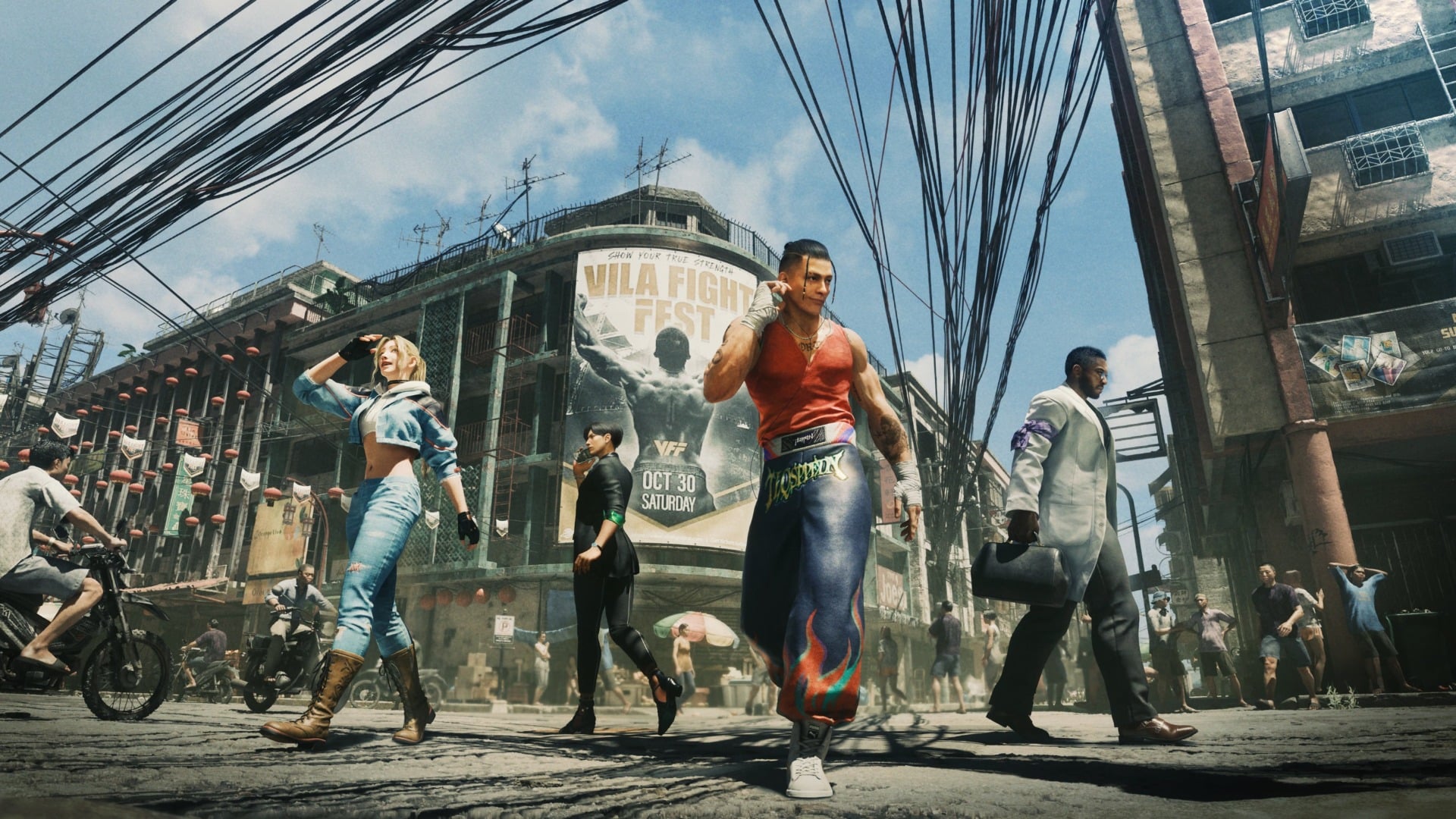
Given the image provided, which prominently features characters from Virtua Fighter, it's particularly exciting to speculate how RGG Studio might apply their narrative expertise to this iconic series. Virtua Fighter, known for its groundbreaking 3D graphics and deep, technical gameplay, has historically leaned heavily on its fighting mechanics, with story elements often taking a backseat. Its World Fighting Tournament is a classic premise, but the motivations for its diverse cast of martial artists have rarely been explored with significant depth in-game.
Imagine a Virtua Fighter game under the guidance of RGG Studio. The World Fighting Tournament wouldn't just be a series of matches; it would be a crucible for personal growth, political intrigue, and hidden agendas. Akira Yuki's quest for ultimate strength could be intertwined with a larger narrative about his dojo's legacy, facing challenges that test his spirit outside the ring. Pai Chan's complex relationship with her father, Lau, could be the focal point of a gripping storyline exploring themes of family, tradition, and redemption, perhaps even forcing her to confront Lau in a way that has profound emotional weight, not just physical.
Characters like Jacky Bryant and Sarah Bryant, often driven by revenge against the mysterious J6 organization, could find their personal vendetta embedded within a sprawling conspiracy that threatens the entire fighting world. RGG could craft substories for each character, exploring their lives outside the tournament – their training routines, personal struggles, and interactions with friends and foes. This would transform them from mere fighting archetypes into fully realized individuals with whom players can genuinely empathize. The precise, realistic fighting styles of Virtua Fighter could be perfectly complemented by grounded, relatable narratives, creating a fighting game that offers both unparalleled competitive depth and a compelling, emotionally resonant journey. This blend would not only honor Virtua Fighter's legacy but also propel it into an exciting new era of storytelling.
Beyond the Arena: Why Narrative Matters More Than Ever
In today's gaming landscape, where players seek immersive and memorable experiences, narrative is no longer just an optional extra; it's a crucial component that can elevate a game from good to unforgettable. For fighting games, embracing stronger narratives offers a multitude of benefits, expanding their appeal and deepening player engagement.
Firstly, a compelling story makes a game more **accessible to a broader audience**. Many potential players are intimidated by the high skill ceiling of fighting games, but a captivating story can serve as a welcoming entry point. They might pick up the game for its narrative, and in doing so, discover the joy of its combat mechanics, potentially converting casual players into dedicated fans. This widens the market beyond the traditional competitive community.
Secondly, strong narratives foster **deeper emotional investment** in characters and their struggles. When players care about a character's journey, their victories become more satisfying, and their defeats more impactful. This emotional connection extends beyond the story mode, making competitive matches more engaging to play and watch, as players are invested in the fate of their chosen fighter. It adds another layer of meaning to every clash.
Thirdly, an immersive story contributes significantly to a game's **longevity and replayability**. Beyond the competitive grind, players might return to a game to experience a favorite storyline again, explore different character paths, or uncover hidden narrative details. Discussion about plot theories, character motivations, and dramatic moments can also keep a game alive in the community long after its initial release.
Finally, a well-crafted narrative can even enhance the **esports viewing experience**. When professional players battle, the match becomes not just a display of skill, but a continuation of the characters' ongoing sagas. Knowing the backstory of a rivalry, or the personal stakes involved for a character, can add significant drama and excitement for spectators, making the competitive scene more appealing to a wider audience who appreciate character arcs alongside technical prowess. Ryu Ga Gotoku Studio has the unique ability to unlock this potential, transforming fighting games into powerful narrative vehicles.
Navigating the Narrative Gauntlet: Challenges and Opportunities
While the prospect of RGG Studio revitalizing fighting game narratives is exciting, it's also important to acknowledge the challenges inherent in this ambitious endeavor. Integrating a deep story into a genre primarily defined by competitive, fast-paced gameplay requires careful balancing and innovative design.
One primary challenge is **pacing**. How do you deliver a compelling, cinematic story without lengthy cutscenes constantly interrupting the action? Fighting game players expect quick transitions between matches. RGG would need to find ingenious ways to integrate narrative progression directly into gameplay, perhaps through in-fight dialogue, environmental storytelling, or interactive narrative sequences that don't feel like passive viewing. The goal would be to make the story feel like an organic part of the experience, not an obstacle to combat.
Another hurdle is **replayability and competitive balance**. A linear, story-focused campaign, while engaging, might not have the same replay value for competitive players who primarily seek endless match combinations. RGG would need to ensure that the core fighting mechanics are robust enough to stand on their own, even for players who skip the story. Conversely, the narrative elements shouldn't interfere with competitive balance, ensuring that story-driven character traits don't grant unfair advantages in multiplayer modes.
However, these challenges also present immense **opportunities**. By tackling them head-on, RGG Studio could create a new sub-genre: the narrative-driven fighting game. They could pioneer innovative ways to blend cinematic storytelling with competitive combat, setting a new standard for the industry. This could include branching storylines that encourage multiple playthroughs, character-specific challenges that reveal lore, or dynamic cutscenes that react to player performance. The opportunity lies in proving that a fighting game can be both a deep, competitive experience and a rich, emotional journey, without compromising either aspect. If any studio has the creative vision and technical expertise to pull this off, it's Ryu Ga Gotoku Studio.
Conclusion: The Future of Fighting Game Storytelling
The landscape of fighting games has long been dominated by the pursuit of mechanical perfection, often leaving narrative to linger as an afterthought. Yet, the gaming world is evolving, and players are increasingly hungry for experiences that offer both exhilarating gameplay and profound storytelling. Ryu Ga Gotoku Studio, with its unparalleled track record in crafting deeply engaging narratives and unforgettable characters, stands at a unique crossroads. Their potential foray into, or greater influence on, the fighting game genre, particularly with a series like Virtua Fighter, could signal a revolutionary shift.
By integrating rich character development, intricate plots, and immersive world-building into the very fabric of combat, RGG Studio has the power to redefine what a fighting game can be. They can transform simple brawlers into epic sagas, where every punch, kick, and special move carries emotional weight and contributes to a larger, more meaningful narrative. This wouldn't just be a boon for fighting game fans; it would attract a new generation of players, eager to immerse themselves in stories that are as compelling as the battles they fight. The future of fighting game narratives looks brighter than ever, with RGG Studio poised to lead the charge into a new era of storytelling within the arena. The stage is set for a narrative revolution, and we can’t wait to see the stories unfold.
from Kotaku
-via DynaSage

Post a Comment