Reminder: Kratos Is A Wife Guy
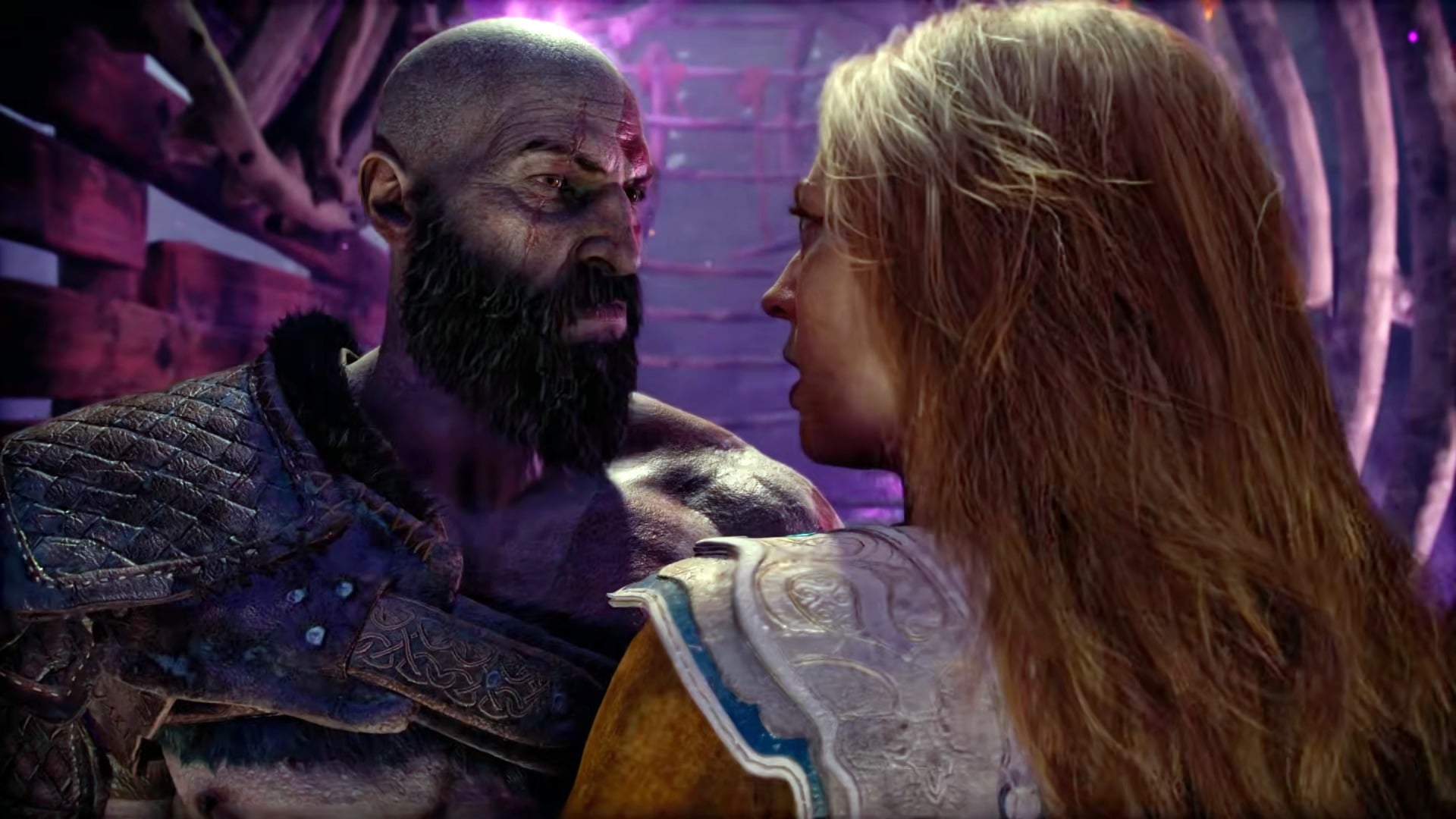
Unpacking the Heart of Kratos: Why Disrespecting Faye (Laufey) in God of War is a Grave Misunderstanding
In the vast and intricate universe of God of War, few characters hold as much silent power and narrative weight as Faye, also known as Laufey the Just. She is the deceased wife of Kratos and the mother of Atreus, and her memory is the driving force behind much of the Norse saga's emotional core and epic journey. However, a concerning trend has emerged in some corners of the internet: a casual, and sometimes outright disrespectful, dismissal of her significance. This phenomenon raises a crucial question for any fan of the series: how would Kratos, the stoic and fiercely protective God of War, react to such disrespect towards the woman who transformed his very being? The answer, unequivocally, is that he would not stand for it. His devotion to Faye transcends death, making any slight against her an affront to his deepest values.
This article delves deep into why Faye's role is not just pivotal but sacred within the game's lore, exploring her character, her influence on Kratos and Atreus, and why any attempt to diminish her importance fundamentally misunderstands the heart of the entire God of War Ragnarök saga. We will examine the profound impact she had, the silent strength she embodied, and the unwavering dedication Kratos holds for her, even in her absence. Understanding Faye means understanding the very foundation upon which the modern God of War narrative is built.
Faye: The Silent Architect of Destiny
Faye is much more than just a plot device; she is the silent architect whose foresight and actions set the entire Norse saga into motion. Introduced as a deceased character, her presence is felt profoundly throughout both God of War (2018) and its sequel. We learn she was a giantess, a powerful warrior, and a prophet with an uncanny ability to see the threads of fate. But beyond her mythical status, she was a loving wife and mother who chose a life of quiet companionship with Kratos in the wilds of Midgard, raising their son, Atreus.
Her decision to live a seemingly ordinary life with Kratos, a haunted god seeking peace, speaks volumes about her character. It shows her wisdom, her compassion, and her strategic genius. She knew the prophecies, she understood the dangers, and she prepared her family for the journey ahead, even if it meant her own demise. Her "dying wish" to have her ashes scattered on the highest peak of the nine realms wasn't a simple request; it was a carefully planned catalyst, designed to put Kratos and Atreus on the path to fulfill their destinies and, ultimately, trigger the events of Ragnarök. Every rune, every mark on the map, every hidden message she left behind served a greater purpose, guiding her husband and son towards their inevitable, yet uncertain, future.
Kratos: The Unyielding Protector and Devoted Husband
Kratos’s transformation from the rage-filled Ghost of Sparta to the stoic, yet deeply emotional, father we see in the Norse saga is one of gaming’s most compelling character arcs. This transformation was largely, if not entirely, thanks to Faye. She was the one who saw past his brutal past, who understood his pain, and who helped him find a semblance of peace and purpose beyond endless vengeance. Her love softened his hardened heart, teaching him the value of compassion, patience, and true family. Faye didn’t just change Kratos’s location; she changed his very essence, showing him how to embrace fatherhood and grapple with emotions beyond anger.
His love and respect for Faye are quiet but immense. Throughout the games, his grief for her is a constant, palpable force. He carries her memory not as a burden, but as a guiding light. Every decision he makes, especially concerning Atreus, is influenced by his promise to Faye and his desire to honor her legacy. He constantly refers to her wisdom, her strength, and her unwavering moral compass. To Kratos, Faye isn’t just a deceased wife; she is an ideal, a moral anchor, and the foundational element of his new life. His protective instincts, once solely focused on his own survival and retribution, are now fiercely dedicated to safeguarding her memory and completing the journey she meticulously planned.
The Roots of Disrespect: Misinterpretations in the Digital Age
The online discourse surrounding Faye can, at times, stray into baffling territory. Some corners of the internet dismiss her as merely a "catalyst" or suggest her character lacks agency because much of her story is told through flashbacks and the impact of her absence. This often stems from a superficial understanding of narrative depth, particularly when dealing with characters whose influence is felt more in their lasting legacy than in direct screen time. Such views often overlook the deliberate storytelling choice to paint Faye as a powerful, unseen hand guiding the protagonists from beyond the grave, akin to a mythological oracle or a wise elder whose teachings shape generations.
Furthermore, some of this disrespect can unfortunately be rooted in broader issues within certain fan communities, including a tendency to undervalue female characters, especially those who aren't primarily defined by physical combat or overt aggression. It’s crucial to distinguish between critical analysis of a character's presentation and outright dismissal or trivialization of their narrative importance. Faye's impact is not measured in direct confrontations but in her profound wisdom, her strategic foresight, and her ability to inspire and transform the most fearsome warrior in history. To disrespect Faye is to disrespect the very narrative backbone of the modern God of War games and the profound themes of family, destiny, and redemption that they explore.
Kratos's Wrath: An Inevitable Consequence
If Kratos were to encounter individuals disrespecting Faye online, his reaction would be nothing short of terrifying. Throughout his long and bloody history, Kratos has shown an absolute intolerance for anything that threatens or dishonors his family, living or dead. From avenging his first wife and daughter to relentlessly protecting Atreus, his capacity for rage when those he loves are wronged is legendary and utterly destructive. While online insults are not physical threats, Kratos operates on a primal code of honor and protection. The idea that someone would tarnish the memory of the woman who brought him peace and gave him a family would ignite a fury rarely seen.
This isn't just about Kratos's past as the Ghost of Sparta; it's about his present as a father and a widower. Faye is the one person who truly understood him, the anchor to his newfound humanity. Any attack on her memory would be an attack on his identity, his choices, and the profound love he still harbors. Imagine the quiet contemplation Kratos often engages in regarding Faye, his hand often resting on her shrine or recalling her words of wisdom. To hear those same words, or her character, trivialized and ridiculed by anonymous individuals would likely break through his hard-won stoicism, unleashing a controlled, yet utterly devastating, torrent of protective anger. The digital realm offers no sanctuary from Kratos's justice when his beloved is targeted.
Faye's Everlasting Influence: Beyond the Grave
Faye’s influence extends far beyond the emotional realm; it directly dictates the events and progression of the entire Norse saga. Her strategic planning before her death is what kicks off the entire journey in God of War (2018). The journey to scatter her ashes, her axe left for Kratos, the runes she carved, and the map that guided them were all deliberate acts. She knew what was coming, and she set her family on a path to meet their destiny head-on, preparing them for the challenges of the Aesir and the impending Ragnarök. Without her meticulous foresight, Kratos and Atreus would have been utterly unprepared for the trials they faced.
Furthermore, Faye's legacy is intrinsically woven into Atreus’s identity as Loki. She knew of his true heritage and carefully shielded him, preparing him in her own way while allowing Kratos to teach him the skills of survival. Her wisdom continues to guide them implicitly, her prophecies unfolding even after her death. The central conflicts, alliances, and revelations throughout both games are direct consequences of her actions and knowledge. She orchestrated the beginning and provided the foundation for the end. Her impact is not merely significant; it is foundational, making her one of the most crucial, albeit largely unseen, characters in the entire God of War narrative.
Cultivating a Respectful Fandom: Lessons from the Nine Realms
The phenomenon of disrespect towards characters like Faye highlights a broader issue within online gaming communities: the distinction between critical discussion and outright disparagement. A healthy fandom thrives on thoughtful analysis, diverse interpretations, and passionate debate. However, when discussions devolve into casual dismissal or unfounded negativity, especially towards characters who serve vital narrative roles, it diminishes the experience for everyone and can foster a toxic environment. Faye's character, with her layers of wisdom, sacrifice, and strategic brilliance, offers ample ground for rich discussion about destiny, motherhood, and the hidden strengths that guide epic tales.
Encouraging a more respectful approach means valuing the complexity of storytelling and understanding that not every impactful character needs to wield a weapon directly to be powerful. Faye’s strength lies in her intellect, her foresight, and her profound influence on the lives of Kratos and Atreus. Embracing this perspective enriches our appreciation for the game's narrative depth and promotes a more inclusive and appreciative community. Just as Kratos learned to respect the wisdom of others, fans can learn to respect the intricate tapestry of characters that make up this incredible saga, honoring the creators' vision and the rich lore they've crafted.
Conclusion: Honoring the Heart of God of War
Faye, or Laufey the Just, stands as a testament to the idea that a character’s strength and influence are not solely measured by their direct presence but by the indelible mark they leave on the world and its inhabitants. She is the silent anchor for Kratos, the wise guide for Atreus, and the strategic mastermind who set the stage for one of gaming’s most epic sagas. Her memory is not just a plot point; it is the very heart of Kratos’s renewed purpose and the emotional core of the God of War universe. To disrespect Faye is to fundamentally misunderstand the profound journey of redemption and family that defines these games.
In a world where Kratos would undoubtedly unleash his fury upon those who would dishonor his beloved wife, it serves as a powerful reminder for us, the fans, to approach these rich narratives with the respect and appreciation they deserve. Let us celebrate Faye's quiet strength, her profound wisdom, and the enduring legacy she cast upon the Nine Realms, understanding that her presence, though often unseen, is the most powerful force driving the God of War saga forward. Respecting Faye is respecting Kratos, Atreus, and the intricate, beautiful story that binds them all.
from Kotaku
-via DynaSage

Post a Comment