OLED iPad Mini: Release Date, Pricing, and What to Expect
Get Ready for the Next iPad Mini: What to Expect from Apple's Smallest Powerhouse
The anticipation is building for Apple's next-generation iPad mini, a device that has garnered a loyal following for its compact size and surprising power. With over 20 months having passed since the release of the iPad mini 7, rumors are swirling about its successor. What kind of upgrades can we expect from this highly anticipated tablet? From a cutting-edge processor to a stunning new display and enhanced durability, the iPad mini 8 is shaping up to be a significant leap forward. Let's dive into the details based on the latest whispers and leaks.
Prepare to discover what might be packed into Apple's smallest, yet incredibly capable, tablet. Whether you're a long-time iPad mini enthusiast or considering one for the first time, the rumored features suggest an exciting future for this popular device.
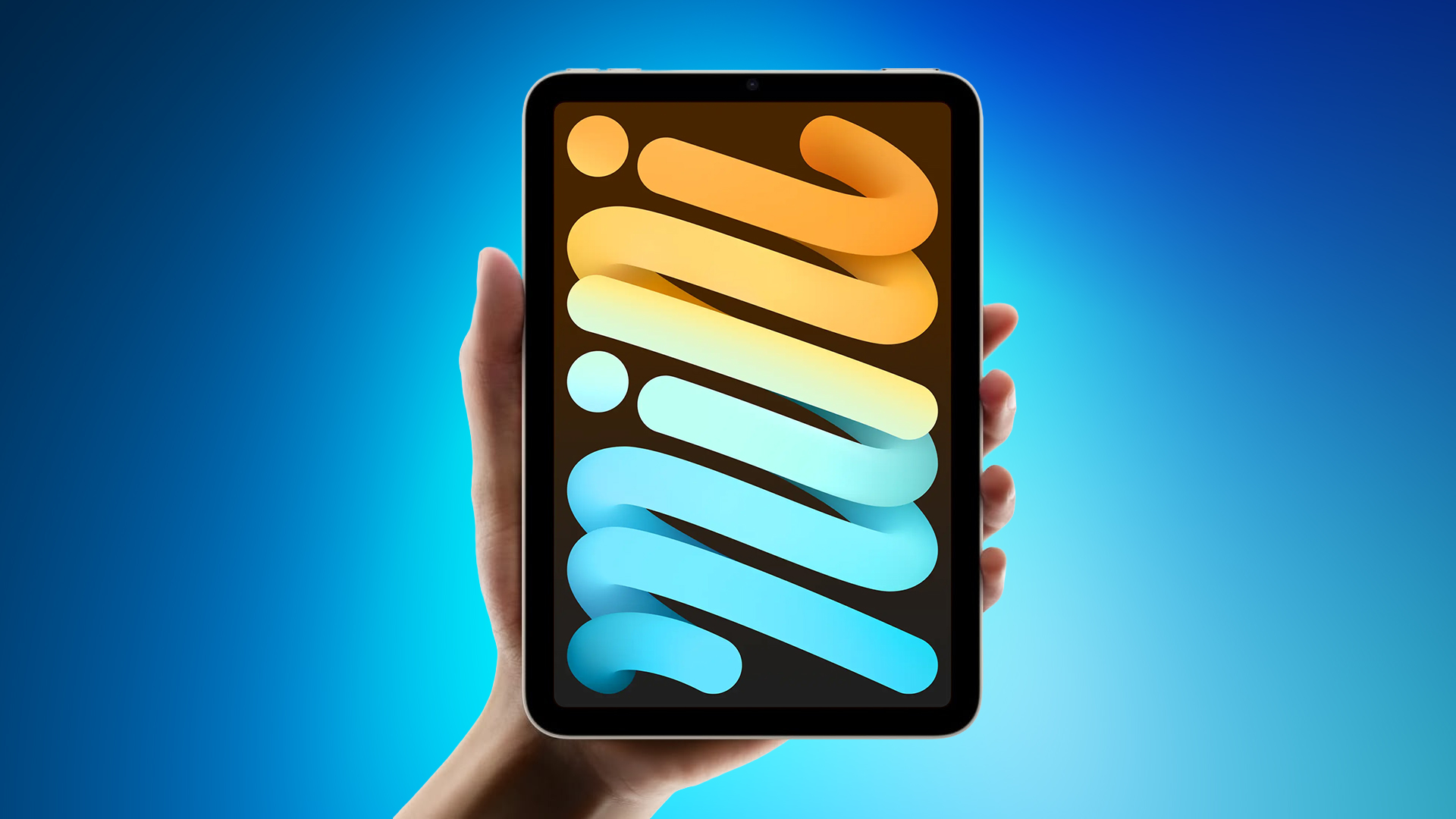
Processor and Performance: A New Era of Speed
At the heart of any Apple device lies its processor, and for the upcoming iPad mini 8, the rumors point to a substantial upgrade. Apple is reportedly developing this new iPad mini (known internally by the codenames J510/J511) with the powerful A19 Pro chip. This information surfaced from code that Apple inadvertently shared in August, offering a tantalizing glimpse into the device's potential.
Understanding the A19 Pro Chip
The A19 Pro chip is Apple's custom-designed silicon, engineered to deliver top-tier performance for its latest devices. This isn't a completely new chip, as it has already made its debut in the iPhone Air and the flagship iPhone 17 Pro models. However, it's important to note that the A19 Pro isn't a one-size-fits-all solution; Apple often tailors versions of its chips to suit different device categories.
- iPhone 17 Pro Models: These high-end smartphones feature the most robust version of the A19 Pro. It boasts a 6-core Central Processing Unit (CPU), which handles most of the device's general tasks, and a powerful 6-core Graphics Processing Unit (GPU), crucial for gaming, video editing, and graphically intensive applications.
- iPhone Air: The iPhone Air typically utilizes a mid-tier version of the A19 Pro. While it maintains the same 6-core CPU for excellent overall performance, it comes with one fewer GPU core, meaning it has a 5-core GPU. This slight adjustment helps differentiate performance levels and potentially manage costs and power consumption across Apple's product lineup.
What This Means for the iPad Mini 8
If the leaked code regarding the iPad mini 8 proves accurate, it's highly probable that Apple will equip the tablet with the mid-tier A19 Pro chip, similar to the one found in the iPhone Air. This prediction is based on Apple's historical approach to the iPad mini's processing power. For example, the current iPad mini 7 uses the A17 Pro chip, which features a 6-core CPU (comprising two high-performance cores for demanding tasks and four efficiency cores for everyday operations) and a 5-core GPU. In contrast, the A17 Pro in the iPhone 15 Pro features a more capable 6-core GPU. This pattern suggests Apple often opts for a slightly optimized, but still incredibly powerful, version for the mini series.
Key Enhancements of the A19 Pro
The A19 Pro chip brings several significant improvements that will directly benefit users of the next iPad mini:
- Advanced 3-nanometer N3P Process: The A19 Pro is built using an upgraded "third-generation 3-nanometer N3P process." To put it simply, "nanometer" refers to the size of the individual transistors on the chip. A smaller number means more transistors can be packed into the same space, leading to greater efficiency and faster processing. This N3P process offers modest yet meaningful improvements in both speed and power efficiency, meaning apps will run smoother, and the device might last longer on a single charge.
- 16-core Neural Engine: The Neural Engine is Apple's dedicated hardware for Artificial Intelligence (AI) and Machine Learning (ML) tasks. A 16-core Neural Engine significantly boosts the iPad mini's ability to handle complex AI functions directly on the device. This translates to faster and more intelligent photo processing, enhanced Siri capabilities, more accurate voice recognition, and improved performance in apps that rely on on-device machine learning, making your iPad mini smarter and more responsive in tasks like augmented reality and real-time language translation.
- Next-Generation Dynamic Caching: This technology is designed to optimize how the GPU accesses memory, allowing for more efficient use of resources. For users, this means smoother graphics performance, especially in graphically demanding games and professional applications, reducing bottlenecks and enhancing overall fluidity.
- Unified Image Compression: This feature improves how the chip handles visual data, leading to faster image processing and more efficient storage. You might notice quicker photo edits, faster loading times for image-heavy websites, and a generally snappier experience when dealing with visual content.
Unprecedented GPU Performance
The GPU in the A19 Pro has received a major architectural overhaul. It now includes a larger cache, more memory, and "Neural Accelerators" built directly into each core. These enhancements work in harmony to deliver a substantial boost in graphics performance. Apple claims these changes provide up to three times the peak GPU compute power compared to the previous generation chip. For you, this means an incredibly fluid gaming experience with more detailed graphics, seamless 4K video editing, and lightning-fast performance in creative apps that leverage the GPU.
The A20 Pro: A Long Shot but Powerful Possibility
While the A19 Pro seems the most likely candidate, there's an outside chance that Apple could opt for an even newer chip: the A20 Pro. This claim comes from a MacRumors tipster who reportedly analyzed an internal macOS kernel debug kit, which often contains references to future Apple products. The A20 Pro chip is also expected to power the iPhone 18 Pro models and is rumored to be fabricated with TSMC's cutting-edge 2nm process, representing an even further advancement in chip technology.
However, it's worth noting that the iPad mini has not always received Apple's newest A-series chip right at the time of its update. This historical trend makes the A19 Pro a more probable choice for the iPad mini 8. Should Apple surprise us with the A20 Pro, users would benefit from even greater future-proofing and unparalleled performance for years to come.

Display: A Visual Revolution with OLED
Perhaps one of the most exciting rumored upgrades for the iPad mini 8 is the long-awaited transition from an LCD to an OLED display. This move has been widely anticipated and discussed across the industry, promising a truly stunning visual experience for users. According to Bloomberg's respected Apple reporter Mark Gurman, the compact iPad mini is expected to be among the next Apple devices to adopt OLED technology. Further supporting this, a Chinese leaker with insider knowledge of Apple's supply chain suggests that Apple has already evaluated a Samsung-manufactured OLED display specifically for the next iPad mini model, indicating advanced development.
The Benefits of OLED Technology
OLED (Organic Light-Emitting Diode) technology represents a significant leap over traditional LCD (Liquid Crystal Display) panels, offering a multitude of visual enhancements that will transform the iPad mini experience:
- Perfect Blacks and Infinite Contrast: Unlike LCDs, which use a backlight that shines through all pixels, OLED panels can individually light up or completely turn off each pixel. This means when a pixel is black, it's truly off, resulting in "perfect blacks" and an "infinite contrast ratio." This delivers stunning depth and realism to images and videos, making dark scenes incredibly rich and bright elements truly pop.
- More Precise Color Reproduction: OLED screens are renowned for their ability to reproduce colors with incredible accuracy and vibrancy. Colors appear richer, more lifelike, and cover a broader spectrum, which is ideal for photo and video editing, or simply enjoying media.
- Faster Response Times: OLED pixels can change states much faster than LCD pixels. This leads to incredibly quick response times, which translates to smoother scrolling, reduced motion blur in fast-paced content, and a more responsive feel, especially noticeable during gaming.
- Better Viewing Angles: With OLED, you can view the screen from extreme angles without experiencing significant color shifts or degradation in image quality, making it easier to share your screen with others or use the tablet in various positions.
- Greater Design Flexibility: OLED panels are generally thinner and more flexible than LCDs, potentially allowing Apple to design a sleeker iPad mini with thinner bezels, or perhaps even a slightly larger screen within the existing physical footprint.
It's worth noting that all of Apple's flagship iPhones currently utilize OLED panels, and in May 2024, the company finally brought this superior display technology to the iPad Pro for the first time, setting a precedent for its premium tablets.
ProMotion and Screen Size: Enhancements for the Future
Currently, the iPad mini 7's LCD display operates at a standard 60Hz refresh rate. A key question for the iPad mini 8 is whether it will feature a higher refresh rate, specifically Apple's ProMotion technology, which allows for dynamic refresh rates up to 120Hz. Given that even the base iPhone 17 models now incorporate a 120Hz ProMotion panel, it would be a reasonable and highly anticipated upgrade for the first OLED iPad mini. ProMotion makes everything from scrolling through web pages to playing high-frame-rate games feel incredibly smooth and fluid, dynamically adjusting the refresh rate to save battery life when high speed isn't needed.
Additionally, a separate report has suggested that the iPad mini 8's screen could see a slight increase in size, growing from the current 8.3 inches to 8.7 inches. This potential increase could be facilitated by the adoption of OLED technology, which often allows for thinner bezels, enabling Apple to fit a larger display into a chassis that remains largely the same size.
Understanding OLED Panel Variations
While the move to OLED is exciting, it's important to understand that not all OLED panels are created equal. Apple's iPad Pro models, for instance, utilize advanced "two-stack low-temperature polycrystalline oxide (LTPO) OLED panels." These are highly efficient and can achieve extremely high brightness levels and dynamic refresh rates. In contrast, the iPad mini may feature a "single-stack low-temperature polycrystalline silicon (LTPS) panel." While still a significant upgrade from LCD, an LTPS panel might be slightly dimmer than its LTPO counterparts found in the Pro models. However, it would still offer vastly superior contrast, color, and responsiveness compared to the current LCD, while likely being more cost-effective for Apple to integrate into the mini.
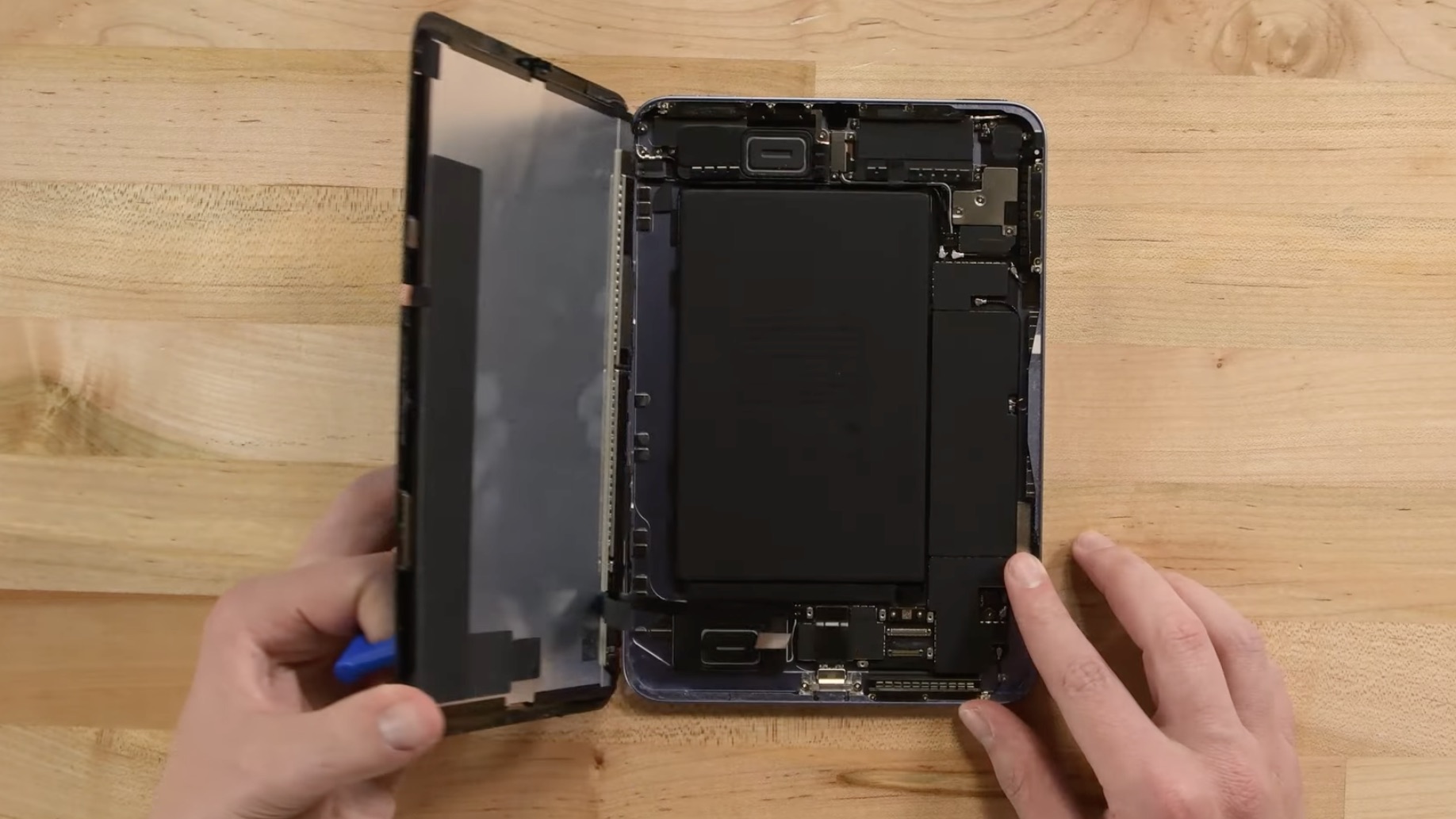
Chassis Design: Tougher and More Resilient
Beyond internal upgrades, the next iPad mini is also rumored to receive significant enhancements to its physical design, focusing on increased durability and resistance to the elements. According to Bloomberg's Mark Gurman, Apple is reportedly working to give the iPad mini 8 a more water-resistant design. This updated casing would bring its protection levels closer to those enjoyed by the iPhone, making the tablet a safer companion for use in damp environments or accidental spills, providing greater peace of mind for users.
The Innovation of Vibration-Based Speakers
To achieve this enhanced water resistance, Apple is said to be implementing an ingenious design change: a new vibration-based speaker system. This innovative approach aims to eliminate the need for traditional speaker holes altogether. Instead of relying on open grilles, which are potential entry points for water and dust, the system would use "sound-emitting surfaces." Essentially, parts of the iPad mini's chassis itself would vibrate to generate sound. This radical shift allows Apple to create a more sealed, durable enclosure, significantly reducing the tablet's vulnerability to liquid and particulate intrusion.
On iPhones, Apple typically achieves water and dust resistance (often denoted by an IP rating) through a combination of meticulously placed adhesives and gaskets that seal off speaker grilles, charging ports, and other openings. The rumored approach for the iPad mini appears to take this a step further by doing away with the holes for the speakers entirely. Current iPad mini models do not carry any official IP (Ingress Protection) rating, which means they are not certified to withstand water or dust exposure. The upcoming version could very well be the first in the lineup to feature a certified level of water protection, making it far more robust for everyday use.
Clues from Apple's Patents
Apple's extensive patent portfolio often offers insights into the company's long-term technological aspirations and design directions. For example, a 2014 patent titled "Mechanically Actuated Panel Acoustic System" outlines a system that uses vibrations in flat surfaces to produce sound, effectively turning parts of a device's chassis into a speaker diaphragm. This patent describes how a transducer can be attached to an internal surface of a device enclosure, causing it to vibrate and generate audio without visible openings. This historical patent suggests that Apple has been researching and developing a sealed, vibration-based acoustic system for many years, indicating that the technology rumored for the iPad mini 8 is the culmination of long-term engineering efforts rather than a sudden idea. Such a system could allow Apple to produce high-quality audio while significantly improving the device's resilience against environmental factors.
The combination of these design changes, particularly the innovative speaker system, points to an iPad mini that is not only more powerful and visually stunning but also significantly more robust and capable of withstanding the rigors of daily life, whether it's in a busy kitchen or used outdoors.
Release Date: Navigating Conflicting Timelines
Predicting the exact launch date for new Apple products, especially those still in the rumor phase, can be challenging, and the iPad mini 8 is no exception. Various industry sources and analysts have offered differing timelines for its debut, making it a bit of a puzzle to piece together. However, by examining the most recent and consistent reports, a clearer picture begins to emerge.
A Spectrum of Predictions
- Omdia (2027): Initially, research firm Omdia suggested that the iPad mini would adopt an OLED display in 2027. This was one of the later predictions in the early stages of speculation.
- ET News & ZDNET Korea (2026): More optimistic reports from Korea's ET News and ZDNET Korea both pointed to a 2026 update for the iPad mini with an OLED display.
- Bloomberg (As soon as this year): At one point, Bloomberg also hinted that an update could come as early as the current year. However, this seems increasingly unlikely given the more detailed and consistent reports of OLED panel development timelines.
- Instant Digital (Second half of 2026 at earliest): The most recent word on the subject comes from Weibo-based leaker Instant Digital, who claims that the OLED iPad mini will be launched in the second half of 2026 at the earliest. This aligns well with several other reports.
Manufacturing Timelines Provide Stronger Clues
One of the most reliable indicators of a product's launch window is its manufacturing timeline, particularly for key components like the display. In May 2024, it was reported that Samsung Display, a major supplier for Apple, had started developing sample OLED panels specifically for a future iPad mini. Crucially, plans were reportedly in place to initiate mass production of these panels at Samsung's facility in Cheonan during the second half of 2025. This sequence of events — sample development followed by mass production — strongly suggests that a product launch in the latter half of 2026 is a very plausible scenario, allowing sufficient time for production, assembly, and distribution.
The iPad Air Connection
The same report from May 2024 initially claimed that Apple would bring an OLED panel to the iPad Air alongside the iPad mini in 2026. However, Apple only refreshed the iPad Air in March 2025, and more recent reporting suggests that an OLED iPad Air will now arrive in early 2027. This shift in the iPad Air's timeline might influence or confirm the iPad mini's schedule, as Apple often strategizes its major display technology rollouts across different product lines. For instance, launching an OLED iPad mini in 2026 and an OLED iPad Air in 2027 could be a deliberate way to stagger new technology introductions.
Analyst Confirmation
Further supporting a 2026 launch, a December report by the analyst firm Display Supply Chain Consultants (DSCC) also stated that an 8.5-inch OLED iPad mini is indeed planned for a 2026 release. This report further corroborated the idea that 11-inch and 13-inch OLED iPad Air models would then follow in 2027, painting a consistent picture from multiple sources regarding Apple's OLED tablet roadmap.
Conclusion on Release Date
While there are still no definitive pronouncements from Apple itself (which is typical), the weight of evidence from supply chain reports, analyst predictions, and leaker information strongly suggests that a launch for the next iPad mini in the second half of 2026 has a high probability. Enthusiasts will likely need to wait a bit longer, but the rumored upgrades indicate it will be worth it.
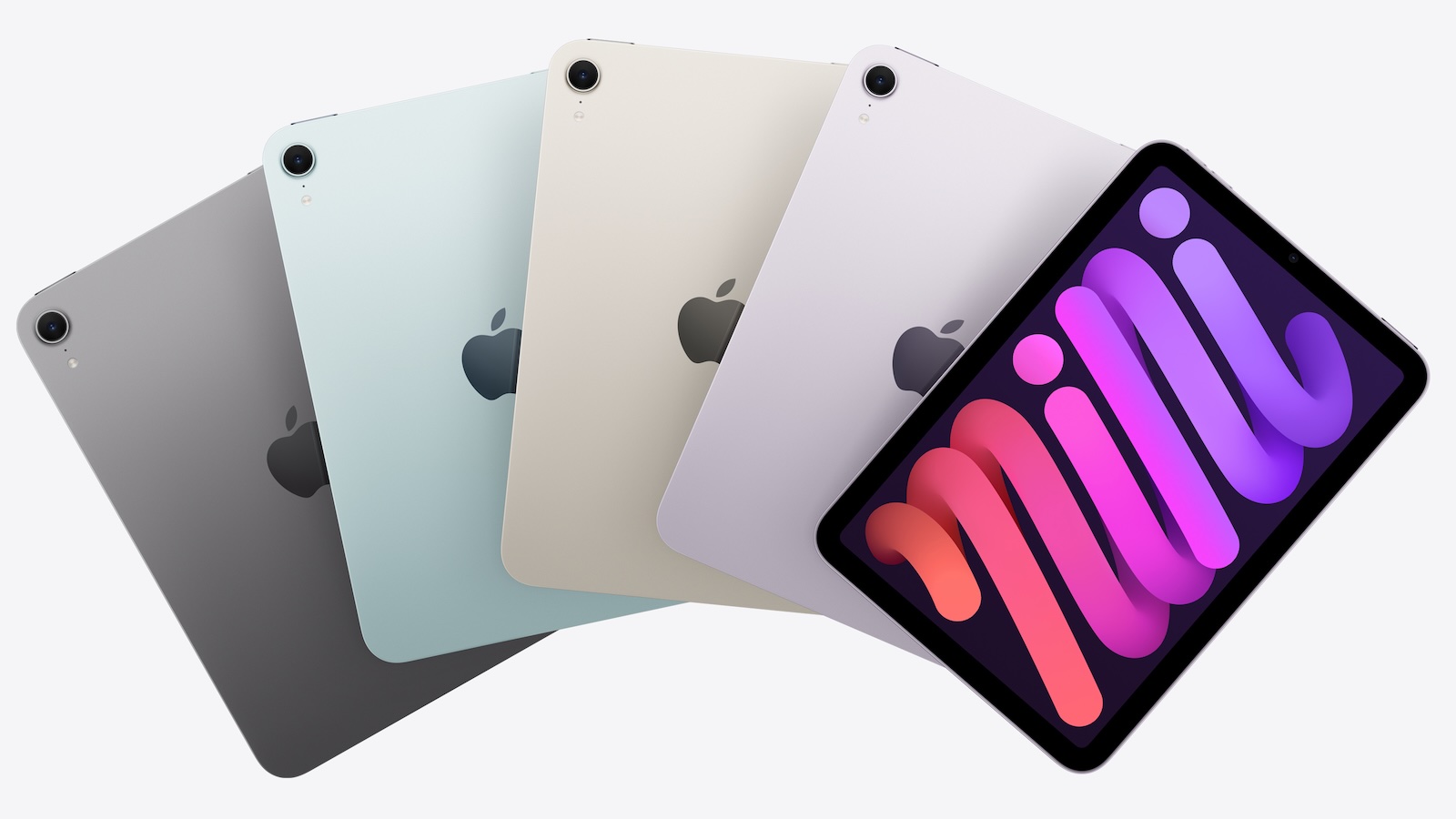
Pricing: Expecting a Premium for Premium Features
For many consumers, pricing is a crucial factor in any purchase decision, and the upcoming iPad mini 8 is expected to come with a higher price tag than its predecessor. The current iPad mini 7 starts at $499 for the 128GB Wi-Fi-only model, with the price increasing to $799 for the 512GB model. However, there is a very strong chance that the iPad mini 8 will see a significant price increase, potentially making it the most expensive iPad mini to date.
The Impact of Rising Memory and Storage Costs
One of the primary drivers behind the anticipated price hike is the global increase in memory and storage costs. This surge in component prices is largely due to the massive "AI data center buildout" currently underway. As companies heavily invest in building powerful data centers to support the rapidly expanding field of artificial intelligence, there's an unprecedented demand for high-performance memory and storage chips. This growing demand from AI companies has led to chip shortages and, consequently, higher costs for everyone else in the electronics industry, including major device manufacturers like Apple. According to The Wall Street Journal, Apple will need to increase device costs "substantially" to maintain its current profit margins in this challenging economic environment.
Tim Cook's Dire Warning
Adding significant weight to these predictions, Apple CEO Tim Cook himself recently addressed the issue of rising costs. In an interview with The Wall Street Journal just this month, Cook stated unequivocally that "price increases are unavoidable." He elaborated that the company was doing its best to "mitigate the huge increases that are being passed to us," and that while Apple was trying to shield customers from these higher costs, the situation has become "unsustainable." While Cook did not specify which particular products would be affected by these price increases, it's hard to imagine that Apple's popular iPad lineup, which relies heavily on memory and storage components, will be exempt.
How Much More Could it Cost?
Even before Tim Cook's recent warning, there was an expectation that the next iPad mini would be more expensive. Bloomberg's Mark Gurman, a reliable source for Apple rumors, had previously suggested that Apple could charge up to $100 more for the device, pushing the base model closer to $600. However, in light of Cook's comments about "unavoidable" and "substantial" increases, we could now be looking at an even larger jump – potentially a couple of hundred dollars or more, making the base model conceivably approach $700 or beyond. This would place the iPad mini firmly in the premium segment, even for its compact size.
Considering Alternatives and Value
The potential for a significantly higher price tag raises questions about the iPad mini's value proposition, especially when competing against a market filled with more affordable tablets. Gurman has previously argued that Apple should consider either a lower-end version of the mini or at least a reconsideration of its current $499 starting price, acknowledging that it faces stiff competition from rival products that cost much less.
For Apple users who are looking for a more budget-friendly option without sacrificing core iPad features, the 10th-generation iPad presents a compelling alternative. Starting at a more accessible price point of $329, the 10th-gen iPad offers many of the features found in the iPad mini, such as the reliable Touch ID for secure authentication and Center Stage, which keeps you perfectly framed during video calls. While it doesn't offer the extreme portability of the mini or the rumored cutting-edge display, it strikes an excellent balance between functionality and affordability for a wider range of users. However, for those who prioritize the ultimate compact experience with cutting-edge display technology, powerful performance, and enhanced durability, the premium price of the iPad mini 8 might be seen as a worthwhile investment.
The Future of the iPad Mini: A Premium, Powerful, and Portable Device
The rumored upgrades for the iPad mini 8 paint a picture of Apple's smallest tablet evolving into an even more premium and capable device. From the raw power of the A19 Pro chip, promising exceptional performance for demanding tasks and next-gen AI features, to the visually stunning and vibrant OLED display that will revolutionize content consumption, the next iPad mini is set to be a significant upgrade.
Moreover, the focus on a more durable, water-resistant chassis with an innovative speaker system will make it a more robust companion for everyday adventures, capable of enduring more varied environments. While the exact release date remains subject to various reports, a launch in the latter half of 2026 appears to be the most consistent and probable timeline.
However, these advanced features and manufacturing costs come with an expected increase in price, potentially making the iPad mini 8 a more significant investment than previous generations. For those who value the unique blend of compact size and powerful performance, these upgrades will likely justify the premium. For others, exploring options like the 10th-generation iPad might offer a more budget-friendly entry into the Apple tablet ecosystem.
Regardless of the final price or precise launch date, the future of the iPad mini looks incredibly exciting. It promises to deliver a truly pro-level experience in a portable package, solidifying its place as a beloved and powerful device in Apple's lineup.
This article, "OLED iPad Mini: Release Date, Pricing, and What to Expect" first appeared on MacRumors.com
Discuss this article in our forums
from MacRumors
-via DynaSage

Post a Comment