
Gorgeous Slice-Of-Life Game Vivarium Brings That Old-School Anime Energy
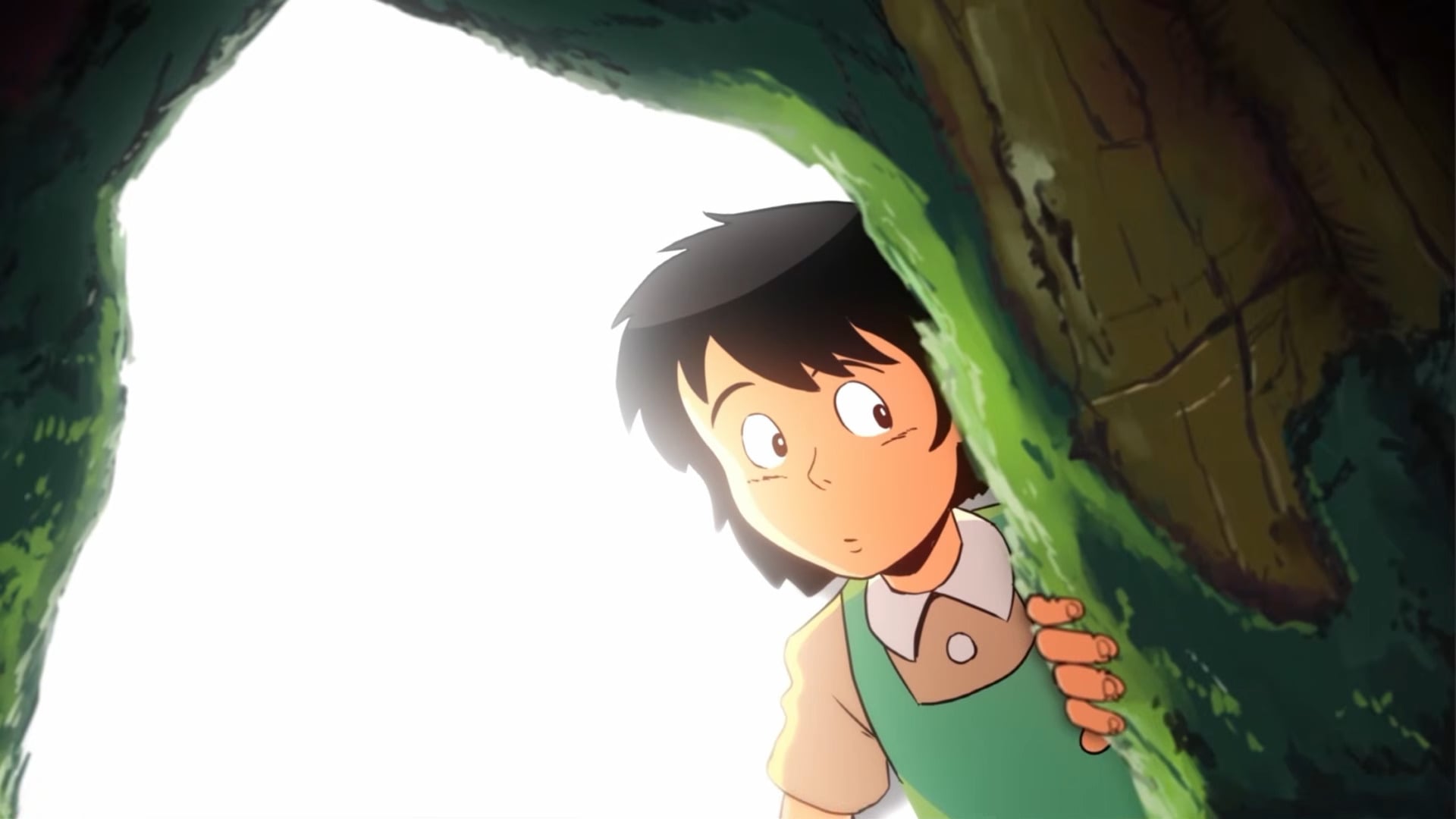
The Wonderful World of Terrariums and Vivariums: Your Own Miniature Ecosystem
Ah, to live in a tiny terrarium... While we humans might not literally fit into these enchanting glass worlds, the idea of creating and nurturing a miniature ecosystem within our homes is incredibly appealing. Terrariums and vivariums offer a unique blend of nature, art, and science, allowing you to bring a slice of the wild indoors. Whether you're a seasoned gardener, a reptile enthusiast, or simply looking for a captivating new hobby, these self-contained habitats provide endless fascination and a calming presence in any space.
This comprehensive guide will explore everything you need to know about terrariums and vivariums, from understanding the basics to building your own, caring for its inhabitants, and troubleshooting common issues. Get ready to dive into the wonderful world of miniature ecosystems!
What Exactly Are Terrariums and Vivariums?
Often used interchangeably, terrariums and vivariums have distinct differences, though both involve creating enclosed environments. Understanding these differences is key to choosing the right path for your miniature world.
Terrariums: Miniature Gardens Under Glass
A terrarium is essentially a miniature garden housed within a sealed or partially sealed glass container. Think of it as a small, self-sustaining ecosystem designed primarily for plants. The enclosed environment creates its own microclimate, where moisture evaporates from the plants and soil, condenses on the glass, and then trickles back down, watering the plants in a continuous cycle, much like a tiny rainforest. This makes many terrariums remarkably low-maintenance, as they require infrequent watering.
Terrariums became popular in the Victorian era and have seen a significant resurgence due to their aesthetic appeal and the growing desire to connect with nature indoors. They can range from simple jars with a few mosses to elaborate landscapes featuring various plants, stones, and decorative elements.
Vivariums: Habitats for Living Creatures
A vivarium, on the other hand, is an enclosed area for keeping and raising animals or plants for observation or research. While a terrarium focuses on plants, a vivarium specifically includes animals. This broad category encompasses a range of specialized habitats, such as:
- Paludariums: Featuring both land and water elements, ideal for amphibians or semi-aquatic reptiles.
- Aquariums: Exclusively for aquatic life, like fish.
- Insectariums: Designed for insects or spiders.
- Ripariums: Mimicking riverbanks, with plants growing in and out of the water.
The primary distinction is the presence of animals, which introduces additional complexities regarding heating, lighting, ventilation, and specific substrate requirements to ensure the well-being of the inhabitants. Vivariums are designed to replicate a specific natural habitat as closely as possible, providing suitable conditions for the animals to thrive.
Why Create a Miniature Ecosystem? The Benefits Are Abundant
Beyond their undeniable beauty, terrariums and vivariums offer a surprising array of benefits for both their creators and the environment.
1. A Touch of Nature Indoors
In our increasingly urbanized world, these glass enclosures provide a vital connection to nature. They bring the tranquility and vibrancy of the natural world directly into your home or office, offering a refreshing escape from screens and concrete.
2. Stress Reduction and Mental Well-being
Studies have shown that interacting with nature, even in small doses, can significantly reduce stress, lower blood pressure, and improve mood. Observing the subtle movements within a terrarium or the fascinating behaviors of vivarium inhabitants can be incredibly calming and meditative, offering a peaceful diversion from daily anxieties.
3. Educational Opportunities
Terrariums and vivariums are living science experiments. They offer a hands-on way to learn about botany, ecology, the water cycle, and animal behavior. For children, they can be an exciting introduction to biology and environmental science, fostering curiosity and a sense of responsibility.
4. Low Maintenance (Especially Terrariums)
Closed terrariums, once established, can go weeks or even months without needing water, making them perfect for busy individuals or those who frequently travel. While vivariums require more attention due to their animal inhabitants, many plant-focused terrariums are remarkably self-sufficient.
5. Aesthetic Appeal and Decor
These miniature worlds are stunning decorative pieces. They add a unique focal point to any room, bringing life, color, and texture. With endless possibilities for design, you can create a personalized work of art that complements your home decor.
6. Space-Saving Gardening
For those with limited space, terrariums offer a compact way to enjoy gardening. They fit easily on shelves, desks, or windowsills, allowing you to cultivate a diverse collection of plants without needing a large outdoor area.
Types of Terrariums: Finding Your Perfect Miniature World
When it comes to terrariums, the two main categories are closed and open, each with its own charm and suitable for different types of plants.
Closed Terrariums: Self-Sustaining Wonders
Closed terrariums are truly magical. They are contained within a sealed or mostly sealed glass vessel, creating a high-humidity environment that recycles its own water. This makes them ideal for plants that thrive in tropical, humid conditions.
- Pros: Very low maintenance once established, creates a unique misty aesthetic, perfect for humidity-loving plants.
- Cons: Can be prone to mold if not set up correctly or overwatered initially, not suitable for all plant types.
- Ideal Plants: Mosses, ferns (e.g., maidenhair fern, button fern), fittonia (nerve plant), peperomia, small orchids, baby's tears, various tropical miniatures.
Open Terrariums: An Indoor Oasis
Open terrariums, as the name suggests, have an open top or a wide opening, allowing for air circulation and lower humidity. They function more like traditional potted plants but benefit from the decorative aspect of a terrarium setup. They require more frequent watering than closed terrariums but are less susceptible to mold.
- Pros: Excellent air circulation, easier to access and maintain, suitable for a wider range of plants, less risk of mold.
- Cons: Requires more frequent watering than closed terrariums, less of a "self-sustaining" ecosystem.
- Ideal Plants: Succulents, cacti, air plants (tillandsia), herbs, larger ferns that appreciate some air movement.
Building Your Own Terrarium: A Step-by-Step Guide
Creating a terrarium is a rewarding project that combines creativity with a bit of horticultural knowledge. Here’s how to build a beautiful and thriving closed terrarium:
What You'll Need:
- Glass Container: A clear glass jar, bottle, fishbowl, or any container with a lid. Wide-mouthed containers are easier for beginners.
- Drainage Layer: Small pebbles, gravel, or Leca balls (expanded clay aggregate) – about 1-2 inches.
- Horticultural Charcoal: A thin layer to help filter water and prevent odors.
- Substrate (Potting Mix): A good quality, sterile potting mix suitable for indoor plants.
- Plants: Choose small, slow-growing, humidity-loving plants (for closed terrariums).
- Tools: Long tweezers or tongs, a small trowel or spoon, a spray bottle with water.
- Decorations (Optional): Moss, small stones, twigs, miniature figurines, shells.
The Building Process:
- Clean Your Container: Wash and thoroughly dry your glass container to prevent any residues or bacteria from contaminating your terrarium.
- Add the Drainage Layer: Pour about 1-2 inches of pebbles or gravel into the bottom of the container. This prevents water from sitting around the plant roots, which can lead to rot.
- Lay Down the Charcoal: Add a thin layer (about ½ inch) of horticultural charcoal over the drainage layer. This acts as a natural filter, keeping the water fresh and preventing stagnant odors.
- Introduce the Substrate: Add a layer of potting mix, about 2-4 inches deep, depending on the size of your container and the root systems of your plants. Create small depressions where you plan to place your plants.
- Plant Your Greens: Carefully remove your chosen plants from their nursery pots, gently shaking off excess soil. Using long tweezers or tongs, place them into the prepared depressions in the soil. Arrange them aesthetically, considering their future growth. Avoid overcrowding.
- Add Decorations: Now’s the time to personalize your terrarium! Place moss, decorative stones, small twigs, or any miniature elements to create a captivating landscape.
- Water Gently: Using a spray bottle, mist the plants and soil lightly. The goal is to moisten the soil without making it soggy. For a closed terrarium, you want to see a light condensation on the glass after sealing it, but not dripping wet.
- Seal Your Terrarium: Place the lid on your container. For the first few days, observe the condensation. If it's too heavy (water dripping excessively), open the lid for a few hours to allow some moisture to evaporate. If there's no condensation, add a bit more water. Once balanced, you should see a light misting on the glass in the morning, which clears throughout the day.
For visual guidance, check out this great DIY terrarium guide.
Terrarium Care and Maintenance: Keeping Your Miniature World Thriving
Even though terrariums are low-maintenance, they still require some attention to ensure their longevity and beauty.
Light Requirements:
Most terrarium plants prefer bright, indirect light. Avoid direct sunlight, especially for closed terrariums, as it can cause the internal temperature to skyrocket and scorch the plants. A north-facing window or a spot several feet away from a south-facing window is usually ideal. If natural light is insufficient, consider a grow light.
Watering:
This is where closed and open terrariums differ significantly:
- Closed Terrariums: Once established, these may only need watering once every few months, or even less frequently. Observe the condensation; if the glass is consistently clear and the soil appears dry, it's time for a light misting. Overwatering is the most common killer!
- Open Terrariums: These will need watering more frequently, much like regular houseplants. Check the soil every week or two, and water when the top inch or two feels dry.
Pruning and Cleaning:
As plants grow, they may need occasional pruning to maintain their size and shape. Use sharp, clean scissors or small snips. Remove any yellowing, dead, or decaying leaves promptly to prevent mold and disease. You can also wipe the inside of the glass with a clean, lint-free cloth if algae or mineral deposits build up, though this is rare in healthy terrariums.
Troubleshooting Common Terrarium Problems:
- Excessive Condensation/Mold: Too much water. Open the lid for a few hours or a day to let it dry out. Remove any moldy leaves or soil. Ensure good air circulation (for open terrariums) or proper setup (for closed).
- Wilting/Yellowing Leaves: Could be underwatering (rare in closed terrariums) or overwatering. Check soil moisture. It could also be too much direct sun or insufficient light.
- Stunted Growth: Often a sign of insufficient light or lack of nutrients. Consider a very dilute liquid fertilizer specifically for terrariums, but use sparingly.
- Pests: Infrequent in closed terrariums, but can occur if new plants are introduced without inspection. If you spot pests, remove affected leaves, or use natural pest control methods like neem oil (sparingly and carefully).
Stepping Up to Vivariums: Habitats for Animals
Creating a vivarium for animals is a more advanced undertaking, as it requires careful consideration of the specific needs of the chosen inhabitant. It's crucial to research the animal's requirements extensively before setting up a vivarium. However, for those passionate about herpetology or entomology, vivariums offer an incredible opportunity to observe nature up close.
Key Considerations for Animal Vivariums:
- Research Your Animal: This is paramount. Understand its natural habitat, diet, temperature preferences, humidity needs, activity patterns, and social requirements. Resources like Reptiles Magazine or local reptile rescue sites can be invaluable.
- Enclosure Size: The vivarium must be appropriately sized for the animal to move, climb, burrow, and thermoregulate comfortably. Generally, bigger is better.
- Temperature and Heating: Most reptiles and amphibians are ectothermic (cold-blooded) and require a temperature gradient. This means having both a warmer basking spot and cooler areas. Use heat lamps, under-tank heaters, or ceramic heat emitters with thermostats to maintain precise temperatures. Always measure with reliable thermometers.
- Humidity and Ventilation: Specific humidity levels are critical. Some animals need high humidity, requiring frequent misting or foggers, while others need drier conditions. Good ventilation is also essential to prevent stagnant air and respiratory issues.
- Lighting: Beyond just visible light, many reptiles require UVB lighting for proper calcium metabolism and bone health. Research the specific UV index requirements for your species. Timers are often used to simulate day and night cycles.
- Substrate: Choose a substrate that is safe for your animal, easy to clean, and helps maintain humidity if needed. Examples include coconut fiber, cypress mulch, sphagnum moss, or specialized reptile substrates. Avoid sand for many species as it can cause impaction.
- Decor and Enrichment: Provide plenty of hiding spots, climbing branches, rocks, and live or artificial plants to enrich the environment and allow for natural behaviors. Ensure all decor is non-toxic and secure.
- Water Source: A clean water bowl is essential for hydration and sometimes for soaking. For aquatic species, a proper filtration system is necessary.
- Maintenance: Regular spot cleaning of waste, complete substrate changes, and disinfection of the enclosure are vital for the animal's health.
Bioactive Vivariums: The Ultimate Miniature Ecosystem
For experienced vivarium keepers, bioactive setups are the pinnacle of miniature ecosystem design. A bioactive vivarium utilizes a "clean-up crew" of beneficial microorganisms, insects (like springtails and isopods), and live plants to break down waste and maintain a healthy, self-sustaining environment, mimicking nature even more closely. This reduces the need for manual cleaning and creates a truly dynamic habitat.
Setting up a bioactive vivarium requires more initial planning and specific layers (drainage, substrate, leaf litter) but offers immense rewards in terms of stability and a truly natural aesthetic.
Choosing the Right Plants and Animals
Success in terrariums and vivariums hinges on selecting appropriate inhabitants that thrive in the conditions you create. Here's a brief overview:
For Terrariums (Plants):
- Closed Terrariums: Focus on small, slow-growing, high-humidity plants.
- Mosses: Sheet moss, fern moss, cushion moss (add incredible texture).
- Ferns: Lemon button fern, maidenhair fern, bird's nest fern (dwarf varieties).
- Fittonia (Nerve Plant): Adds vibrant color with its intricate vein patterns.
- Peperomia: Many varieties are excellent for terrariums, like 'Rosso' or 'Caparata'.
- Small Orchids: Jewels orchids or other miniature species that appreciate humidity.
- Open Terrariums: Suitable for plants that prefer drier conditions and good air circulation.
- Succulents: Echeveria, Haworthia, Gasteria, Sedum (ensure excellent drainage).
- Cacti: Small, slow-growing varieties (again, excellent drainage is key).
- Air Plants (Tillandsia): Don't need soil, can be simply placed on decorative elements.
- Small Herbs: Thyme, oregano (if kept pruned).
For Vivariums (Animals):
The choice of animal dictates everything. Always prioritize native species if possible, or those readily available from reputable breeders, avoiding wild-caught animals. Some popular choices for vivariums include:
- Reptiles:
- Crested Geckos: Arboreal, nocturnal, relatively easy to care for, need high humidity and climbing space.
- Leopard Geckos: Terrestrial, nocturnal, need a dry habitat with plenty of hides.
- Ball Pythons: Terrestrial, need moderate humidity and secure hides.
- Anoles: Active, arboreal, require good climbing opportunities and moderate humidity.
- Amphibians:
- Dart Frogs: Require very high humidity, specific temperatures, and lush planting in a bioactive setup.
- Tree Frogs: Arboreal, need climbing branches and high humidity.
- Invertebrates:
- Tarantulas: Many species are suitable, with varied needs for humidity and substrate.
- Praying Mantises: Fascinating insects that require good ventilation and climbing branches.
Remember, each animal has unique needs, and thorough research before acquiring any pet is non-negotiable.
The Joy of Your Miniature Ecosystem
Whether you choose to cultivate a lush, green terrarium or embark on the more intricate journey of a vivarium, you are creating more than just a decorative piece. You are crafting a living, breathing ecosystem, a testament to the beauty and resilience of nature. These miniature worlds offer a continuous source of wonder, a therapeutic escape, and a profound connection to the natural world.
Start small, learn as you go, and don't be afraid to experiment. The world of terrariums and vivariums is vast and endlessly fascinating. With a little care and creativity, you can bring a vibrant, miniature slice of life into your home, fostering a sense of peace and a deeper appreciation for the intricate balance of our planet. Happy building!
For more inspiration and resources, explore communities like the Terrarium subreddit or the Dendroboard for vivarium enthusiasts.
from Kotaku
-via DynaSage
