FromSoftware’s Duskbloods Has An Online Test This Summer But Still No Release Date
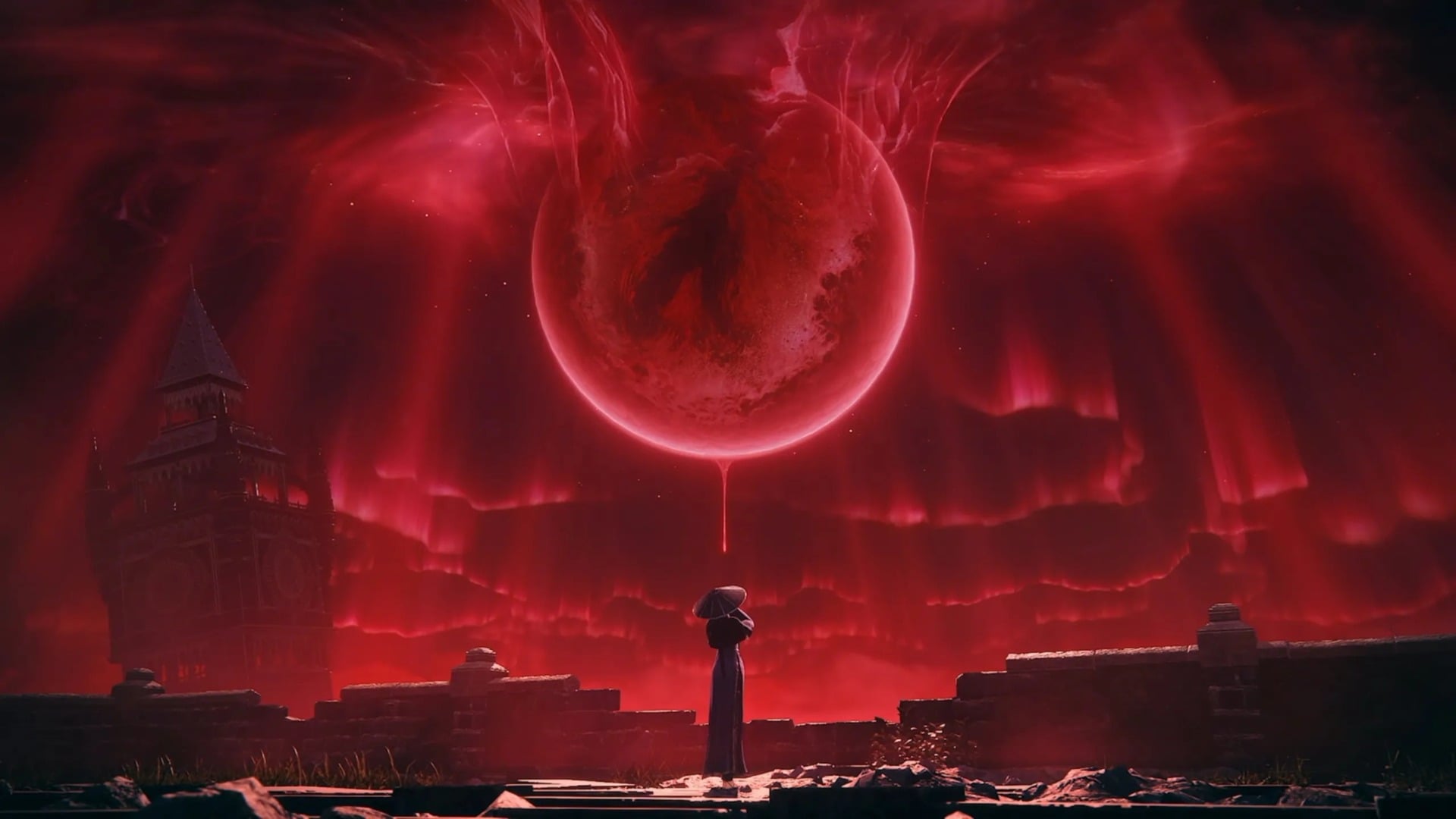
The Enigmatic Next Big Game from the Elden Ring Studio: Unraveling the Mystery
The gaming world is always buzzing with anticipation, especially when it comes to the revered developer known as FromSoftware. This studio, celebrated for its challenging yet deeply rewarding action RPGs, most recently captivated millions with its open-world masterpiece, Elden Ring. Following such a colossal success, the question on everyone's mind isn't if FromSoftware will release another significant title, but rather, what it will be. The exciting truth is, the next big game from the studio behind Elden Ring remains shrouded in considerable mystery, fueling endless speculation and dreams among its dedicated fanbase. This secrecy is a hallmark of FromSoftware, a company that prefers to let its games speak for themselves, often revealing details only when they are meticulously polished and ready to astound. This approach only intensifies the anticipation, creating a palpable excitement for whatever dark, fantastical, or mechanical world they choose to transport us to next.
Who is FromSoftware? A Legacy of Challenging Masterpieces
For those new to the phenomenon, FromSoftware is a Japanese video game developer that has carved a unique niche in the industry. Founded in 1986, the company initially produced a variety of titles, including the King's Field series, which laid some foundational groundwork for their future successes. However, it was the release of Demon's Souls in 2009 that truly defined their identity and launched the now-iconic "Souls-like" genre. This game, characterized by its high difficulty, intricate level design, cryptic lore, and demanding combat, garnered a passionate following despite its initial niche appeal. This formula was refined and expanded upon in the hugely successful Dark Souls trilogy, which cemented FromSoftware's reputation for creating unforgettable, brutal, and deeply immersive worlds. Each entry in the series pushed boundaries, offering unique challenges and opportunities for player expression, becoming benchmarks for game design and player engagement. Their influence on the broader gaming landscape is undeniable, inspiring countless other developers to adopt elements of their challenging design philosophy.
Beyond the Souls series, FromSoftware further showcased its versatility and creative genius with titles like Bloodborne and Sekiro: Shadows Die Twice. Bloodborne, a PlayStation exclusive, ventured into a gothic, Lovecraftian horror setting, trading the traditional shield-and-sword combat for aggressive, fast-paced action and a unique health-regain mechanic. It was lauded for its atmospheric world, compelling story, and innovative gameplay. Sekiro: Shadows Die Twice, on the other hand, offered a distinct experience, focusing on a single, agile protagonist and emphasizing precise parrying and stealth in a Sengoku-era Japan. It was a departure from the RPG elements of their previous games, yet still maintained the studio's signature difficulty and intricate boss battles. These games demonstrated FromSoftware's willingness to experiment and evolve, proving they weren't just a "one-trick pony" but a studio capable of crafting diverse, yet consistently excellent, experiences. More recently, they returned to their roots with the mech combat series Armored Core VI: Fires of Rubicon, a bold return that proved their mastery extends beyond fantasy RPGs, showing they still have diverse interests.
Elden Ring's Colossal Success and the Bar it Set
The release of Elden Ring in 2022 marked a monumental moment for FromSoftware and the gaming industry as a whole. Collaborating with fantasy author George R.R. Martin for its rich lore, Elden Ring took the beloved Souls-like formula and boldly transplanted it into a vast, sprawling open world. This ambitious undertaking paid off spectacularly, resulting in a game that was not only a critical darling, earning numerous Game of the Year awards, but also a commercial juggernaut, selling tens of millions of copies worldwide. Players were enthralled by the Lands Between, a world brimming with breathtaking vistas, terrifying creatures, hidden secrets, and challenging dungeons. The freedom to explore, discover, and tackle formidable bosses in any order offered an unparalleled sense of adventure and player agency. The game masterfully blended the studio's signature challenging combat and environmental storytelling with the expansive scope of an open world, proving that their design philosophy could scale to unprecedented heights.
A Cultural Phenomenon
Elden Ring wasn't just a game; it became a cultural phenomenon. Its difficulty sparked countless discussions and memes online, its intricate lore inspired deep dives and theories from fans, and its unique boss designs became iconic. From speedruns to elaborate character builds, the community rallied around Elden Ring, extending its lifespan far beyond the initial playthrough. The game demonstrated that players crave challenging, well-crafted experiences, even in an era often dominated by more accessible titles. Its success sent a clear message to the industry: quality, depth, and a unique vision can still triumph on a massive scale. This widespread adoration and success, however, also raised the bar significantly for whatever FromSoftware decides to release next. The expectation isn't just for another good game, but for another *groundbreaking* game, one that continues to innovate and push the boundaries of what video games can achieve. For a studio that consistently delivers, this pressure is likely a motivator, but it certainly adds to the mystique of their unannounced projects.
Unraveling the Mystery: What's Next for FromSoftware?
The biggest question following Elden Ring's triumph and the success of its DLC, Shadow of the Erdtree, as well as the well-received Armored Core VI, is: what comes next? FromSoftware is notorious for its tight-lipped development process. They rarely announce games years in advance, preferring a shorter, more impactful marketing cycle. This means the current silence around their next major title is entirely on brand. Unlike many other major studios that might offer glimpses of concept art or early development milestones, FromSoftware maintains a deliberate veil of secrecy. This approach, while frustrating for eager fans, often leads to truly impactful reveals, where a trailer or announcement drops and immediately sets the gaming world alight. The anticipation is a part of the experience, a prolonged build-up to what promises to be another unforgettable journey. This mystery is not just about what the game will be, but also when we'll even hear about it, making every industry event or leak a potential source of revelation.
The Silence Before the Storm
The current lack of concrete information means fans are left to scour job listings, analyze past interviews with Hidetaka Miyazaki (the acclaimed director of many FromSoftware titles), and interpret any tiny snippet of information that might surface. While this period of "silence" might seem uneventful to outsiders, for the FromSoftware faithful, it's a vibrant landscape of fan theories and hopeful speculation. Could they be working on a new IP that completely blindsides everyone? Are they quietly developing a sequel to one of their beloved franchises? The possibilities are endless, and each theory is debated with passionate intensity across online forums and social media. This collective effort to decode the studio's next move becomes a game in itself, a way for the community to engage with the studio's creative process even before a single screenshot is officially released. The very absence of information creates an exciting void that fans are eager to fill with their imaginations, demonstrating the profound connection players have with FromSoftware's unique brand of storytelling and world-building.
Speculating on the Horizon: New IP or Familiar Worlds?
When considering FromSoftware's next "big game," the discussion almost always boils down to two main possibilities: a brand-new intellectual property (IP) or a return to an existing, beloved universe. Both options carry immense weight and potential, and each would undoubtedly be met with overwhelming enthusiasm from the player base. Given FromSoftware's history of alternating between new IPs and existing series, both are plausible. The studio thrives on innovation, but also understands the power of refining established concepts. The decision often reflects their creative vision at the time, whether they feel the need to explore entirely uncharted territory or to delve deeper into a world they've already crafted with such care.
The Allure of a New IP
The prospect of a completely new IP from FromSoftware is incredibly exciting. It promises a fresh world, untold lore, and potentially innovative gameplay mechanics that break free from any preconceived notions. Think of the jump from Dark Souls to Bloodborne, or Bloodborne to Sekiro – each brought a distinct flavor and expanded the studio's repertoire. A new IP allows Miyazaki and his team to push creative boundaries without the constraints of existing narratives or character expectations. Would it be another dark fantasy? A sci-fi horror? Perhaps something entirely unexpected? The freedom of a new IP offers limitless possibilities for world design, enemy creation, and unique combat systems. This path would allow them to surprise players in ways a sequel might not, offering truly fresh challenges and discoveries. It's an opportunity for FromSoftware to once again redefine what a "Souls-like" game can be, or even step outside the genre entirely, as they did with Armored Core VI, proving their capabilities span across different gaming experiences. Imagining a completely new setting and mythology crafted with FromSoftware's signature touch is a tantalizing thought for many fans who crave novel experiences and the thrill of the unknown, eager to dive into uncharted digital realms. You can often find discussions about potential new IPs and fan-made concepts on gaming forums like r/fromsoftware on Reddit.
Revisiting Beloved Universes
On the other hand, the idea of revisiting an existing IP is equally compelling. There are many worlds FromSoftware has created that fans would love to explore further, whether through direct sequels or spiritual successors. The established lore, characters, and gameplay mechanics offer a strong foundation upon which to build, allowing the developers to refine and expand upon elements that players already adore. This approach provides a sense of familiarity and comfort, while still offering new challenges and stories within a beloved framework. The desire for more content in these rich universes is immense, showing the deep connection players have formed with these worlds and their inhabitants. It's a testament to the enduring quality of FromSoftware's world-building that fans are so eager to return to these dangerous, yet captivating, landscapes. The chance to reunite with familiar themes, discover new secrets in well-known locations, or encounter the evolution of beloved characters offers a different kind of excitement, one rooted in nostalgia and continued exploration.
Elden Ring 2: The Dream Sequel?
Given the immense success of Elden Ring, a direct sequel or a spiritual successor within the Lands Between is a popular desire. The open-world structure of Elden Ring leaves ample room for expansion, both geographically and narratively. A sequel could explore different eras of the Lands Between, delve into the lore of other Outer Gods, or introduce new regions and factions. The established foundation means that many core mechanics are already in place, allowing the developers to focus on new content, refinements, and even more ambitious design choices. The popularity of the recent Shadow of the Erdtree DLC further demonstrates the appetite for more Elden Ring content. However, FromSoftware rarely creates direct sequels for their biggest hits, often preferring to move on to new projects. While Dark Souls received sequels, Demon's Souls, Bloodborne, and Sekiro have not. This pattern suggests that while an Elden Ring 2 is highly desired, it might not be the most likely path the studio takes immediately. Any follow-up would need to be incredibly ambitious to match or surpass the original's impact, a challenge FromSoftware would undoubtedly relish if they chose to pursue it. Maintaining the same level of novelty and excitement that the first game offered would be crucial for such a massive undertaking.
Beyond The Lands Between: Other FromSoftware Worlds
Beyond Elden Ring, there's a strong contingent of fans who desperately wish for a return to other cherished IPs. The most frequently mentioned is Bloodborne 2. The unique gothic horror setting, aggressive combat, and PlayStation exclusivity have made it a cult classic, with many begging for a continuation of its unsettling narrative. Similarly, some fans still hope for a proper Dark Souls 4, or even a sequel to the precise, action-focused Sekiro: Shadows Die Twice, which offered a distinct challenge. While Armored Core VI recently satisfied mech fans, the concept of another mech game or a different genre entirely from FromSoftware is always a possibility. The studio has a rich back catalog, and while some of these games might be unlikely to receive direct sequels due to various factors (platform exclusivity, story completion, creative direction), the desire for them speaks volumes about the quality and lasting impact of FromSoftware's work. Any of these revivals would ignite massive excitement, especially if they came with modern graphics and refined gameplay systems that build upon their legendary predecessors.
The Hallmarks of a FromSoftware Masterpiece
Regardless of whether the next game is a new IP or a continuation, there are certain core elements that fans expect from a FromSoftware "big game." These elements form the bedrock of their acclaimed design philosophy and are what elevate their titles beyond mere challenging action games into deeply memorable experiences. Understanding these hallmarks helps us predict what kind of experience we might be in for, even when details are scarce. FromSoftware has cultivated a distinct identity, and while they might experiment with genre or setting, these fundamental characteristics tend to remain consistent, providing a familiar yet ever-evolving experience for their dedicated player base. This consistent quality is precisely why their unannounced projects generate so much intense speculation and excitement across the global gaming community.
Challenging Yet Rewarding Gameplay
The most iconic aspect of a FromSoftware game is its difficulty. These games are renowned for their unforgiving combat, formidable bosses, and intricate level design that punishes mistakes. However, this challenge is always fair and, crucially, immensely rewarding. Every victory, no matter how small, feels earned, fostering a deep sense of accomplishment. Players are encouraged to learn from their failures, adapt their strategies, and master the game's mechanics. The feeling of finally overcoming a boss that has repeatedly crushed you is a unique high that few other games can replicate. This "tough love" approach to game design ensures that every step forward feels meaningful, making the player's journey genuinely heroic. It's a philosophy that champions persistence and mastery over casual progression, creating a loyal fanbase that relishes the opportunity to overcome seemingly insurmountable obstacles. This balance between challenge and reward is a delicate art that FromSoftware has perfected over decades, making their games a benchmark for player engagement and satisfaction. Learn more about the appeal of challenging games at GamesIndustry.biz.
Deep, Evocative Lore
FromSoftware games are not known for explicit, in-your-face storytelling. Instead, they excel at delivering deep, evocative lore through environmental storytelling, item descriptions, cryptic dialogue, and subtle visual cues. The narratives are often fragmented, leaving players to piece together the history, myths, and tragedies of the world on their own. This approach encourages exploration, critical thinking, and community discussion, as players collectively uncover the hidden depths of the game's universe. The lore is rich, often melancholic, and filled with fascinating characters, cosmic horrors, and tragic heroes. This method of storytelling makes the world feel ancient and lived-in, rewarding players who take the time to delve beyond the surface-level action. It creates a powerful sense of discovery and intellectual engagement that complements the physical challenge of the gameplay, making the overall experience far more profound and memorable. The ambiguity in their narratives often leads to years of fan theories and discussions, proving the lasting impact of their unique approach.
Unforgettable Art Direction and World Design
From the haunting spires of Anor Londo to the blood-soaked streets of Yharnam and the vast, diverse landscapes of the Lands Between, FromSoftware games are visually stunning, not necessarily in hyper-realistic graphics, but in their extraordinary art direction and atmospheric design. Every environment is meticulously crafted, telling a story through its architecture, enemy placement, and subtle details. The worlds are interconnected, often featuring clever shortcuts and hidden paths that reward diligent exploration. Their enemy designs are iconic, often grotesque yet strangely beautiful, leaving a lasting impression on players. This commitment to unique aesthetics and thoughtful level design contributes heavily to the immersive quality of their games, making each world a character in itself. It's a testament to their artistic vision that even years after release, specific locations and creatures from their games remain instantly recognizable and deeply impactful to the gaming community, solidifying their status as masters of environmental storytelling and visual design. The visual identity is so strong that even a single screenshot can often be immediately identified as a FromSoftware game by a seasoned player.
Player Freedom and Build Variety
While challenging, FromSoftware games also offer immense player freedom, particularly in their RPG titles. Players are given a wide array of weapons, armor, spells, and abilities to choose from, allowing for incredible build variety and personal playstyles. Whether you prefer a heavy-hitting warrior, a nimble rogue, a powerful sorcerer, or a hybrid of several archetypes, the games provide the tools to craft a character that suits your preferences. This freedom extends to how players approach challenges, offering multiple ways to overcome obstacles, from direct confrontation to strategic evasion or environmental manipulation. This emphasis on player agency and customization ensures high replayability, as players can experiment with different builds and strategies on subsequent playthroughs. It empowers players to truly make the journey their own, fostering a deep personal connection to their character and their choices within the game world. The diversity of viable approaches ensures that the community always has new builds to discover and share, contributing to the games' longevity and enduring appeal. The possibilities for character customization and combat styles are a cornerstone of their RPG design, offering endless permutations for players to explore.
The Impact of a "Big Game" in Today's Landscape
When FromSoftware releases a "big game," it's not just another title on the release calendar; it's a significant event that reverberates throughout the entire gaming industry. These games often become benchmarks for quality, difficulty, and player engagement, influencing other developers and shaping industry trends. The success of Elden Ring, for example, demonstrated the viability of complex, challenging open-world games in a market that sometimes prioritizes accessibility above all else. A new major title from FromSoftware carries with it the expectation of innovation, artistic integrity, and a commitment to player experience that few other studios can consistently match. This impact is multifaceted, affecting everything from game design philosophies to marketing strategies and community engagement. Publishers and developers keenly observe how FromSoftware approaches its projects, often looking for lessons that can be applied to their own creative endeavors. The anticipation for their next game is not just about personal enjoyment; it's about witnessing the next evolution of a respected developer and, potentially, the next big shift in gaming culture.
Setting Industry Standards
FromSoftware's games consistently push the boundaries of what is expected from action RPGs. They've popularized elements like impactful boss fights, intricate level design, and minimalist storytelling, which are now emulated by countless other developers. Their success shows that there is a large and hungry audience for games that respect players' intelligence and commitment. A new FromSoftware title sets a new standard, not just for their own body of work, but for the entire genre. It challenges other developers to strive for similar levels of quality, depth, and creative vision. The innovations they introduce often become talking points and design inspirations for years to come. This influence creates a ripple effect, elevating the quality of games across the board and pushing the industry forward in exciting new directions. Their unique approach to difficulty curves and player progression has been particularly impactful, proving that a demanding experience can lead to greater player satisfaction and a stronger sense of accomplishment, influencing game design on a global scale.
Community Engagement and Longevity
One of the most remarkable aspects of FromSoftware games is their incredible longevity and the vibrant communities they foster. Long after release, players continue to explore their worlds, discover new secrets, master combat techniques, and engage in elaborate lore discussions. The games are designed for replayability, with New Game+ modes and diverse build options encouraging multiple playthroughs. This sustained engagement creates passionate communities that keep the games alive for years, contributing to wikis, creating fan art, producing analysis videos, and organizing community events. A new FromSoftware game promises to reignite this collective passion, bringing together millions of players worldwide to share their triumphs, frustrations, and discoveries. The mysteries embedded within their games are often so deep that they require community collaboration to fully unravel, fostering a sense of shared purpose and camaraderie among players. This enduring appeal is a testament to the depth and craftsmanship of their titles, turning each release into a continuous event that transcends its initial launch window and creates a lasting cultural footprint. Online communities like Fextralife's Elden Ring Wiki are great examples of this dedication.
The Art of Anticipation: Why FromSoftware's Reveals Matter
The anticipation surrounding FromSoftware's next game isn't just about general excitement; it's a carefully cultivated experience, largely due to the studio's unique approach to marketing and reveals. Unlike many other major developers who drip-feed information over months or even years, FromSoftware often opts for a more concise and impactful strategy. Their announcements tend to be sudden, often delivering a breathtaking teaser trailer that leaves more questions than answers but instantly captivates the audience. This method ensures that when details do emerge, they hit with maximum impact, generating an immediate global buzz. This calculated scarcity of information builds a profound sense of eagerness and speculation, turning every major gaming event into a potential stage for their next big reveal. It’s a masterful demonstration of how less can be more in the realm of game marketing, leveraging the studio's reputation to create an almost palpable hunger for news, making every official statement feel like a treasure hunt clue. The power of a single, well-placed trailer from FromSoftware can eclipse months of conventional marketing from other studios, proving the strength of their brand and the loyalty of their fanbase.
This "art of anticipation" is a critical component of the FromSoftware experience even before the game is released. It encourages the community to participate actively in the pre-release phase, forming theories, dissecting every frame of a trailer, and debating potential directions. This collective engagement not only keeps the hype alive but also strengthens the bond within the fanbase. When the game finally launches, this shared journey of anticipation transforms into a collective experience of discovery and challenge. For the studio, this approach allows them to focus on development without the constant pressure of external marketing demands, ensuring the final product is as polished and visionary as possible. It's a testament to their confidence in their craft that they can afford to remain silent for so long, knowing that when they do speak, the world will listen. The mystique they maintain becomes an integral part of the game's allure, making the eventual reveal all the more thrilling and memorable. This strategy also reinforces their image as an artistic-driven studio, prioritizing creative vision and development quality over constant public visibility, a refreshing stance in today's often over-marketed industry landscape.
Conclusion: Awaited with Bated Breath
The next big game from the Elden Ring studio is indeed still pretty dang mysterious, and that's precisely why the gaming world is holding its breath. FromSoftware has a proven track record of delivering extraordinary, genre-defining experiences that push boundaries, challenge players, and create unforgettable worlds. Whether it's a brand-new IP that introduces us to uncharted territories or a return to a beloved universe expanded with fresh insights, one thing is certain: it will be a game crafted with meticulous care, artistic vision, and a deep understanding of what makes interactive entertainment truly compelling. The silence from the studio is not a void, but a canvas onto which millions of fans are projecting their hopes and dreams. Every rumor, every slight hint, and every passing moment of anticipation only serves to heighten the excitement for what promises to be another landmark title in the rich legacy of FromSoftware. As we patiently await the official word, the mystery itself becomes part of the game, a prelude to the next great adventure that FromSoftware is undoubtedly forging in the shadows. The eventual reveal will not just be an announcement; it will be a declaration of a new era in gaming, eagerly awaited by players worldwide, ready to once again embrace the challenge and wonder that only FromSoftware can deliver.
from Kotaku
-via DynaSage

Post a Comment