Yoshi And The Mysterious Book: The Kotaku Review
The Curious Case of Yoshi's Latest Adventure: A Deep Dive into What's Missing
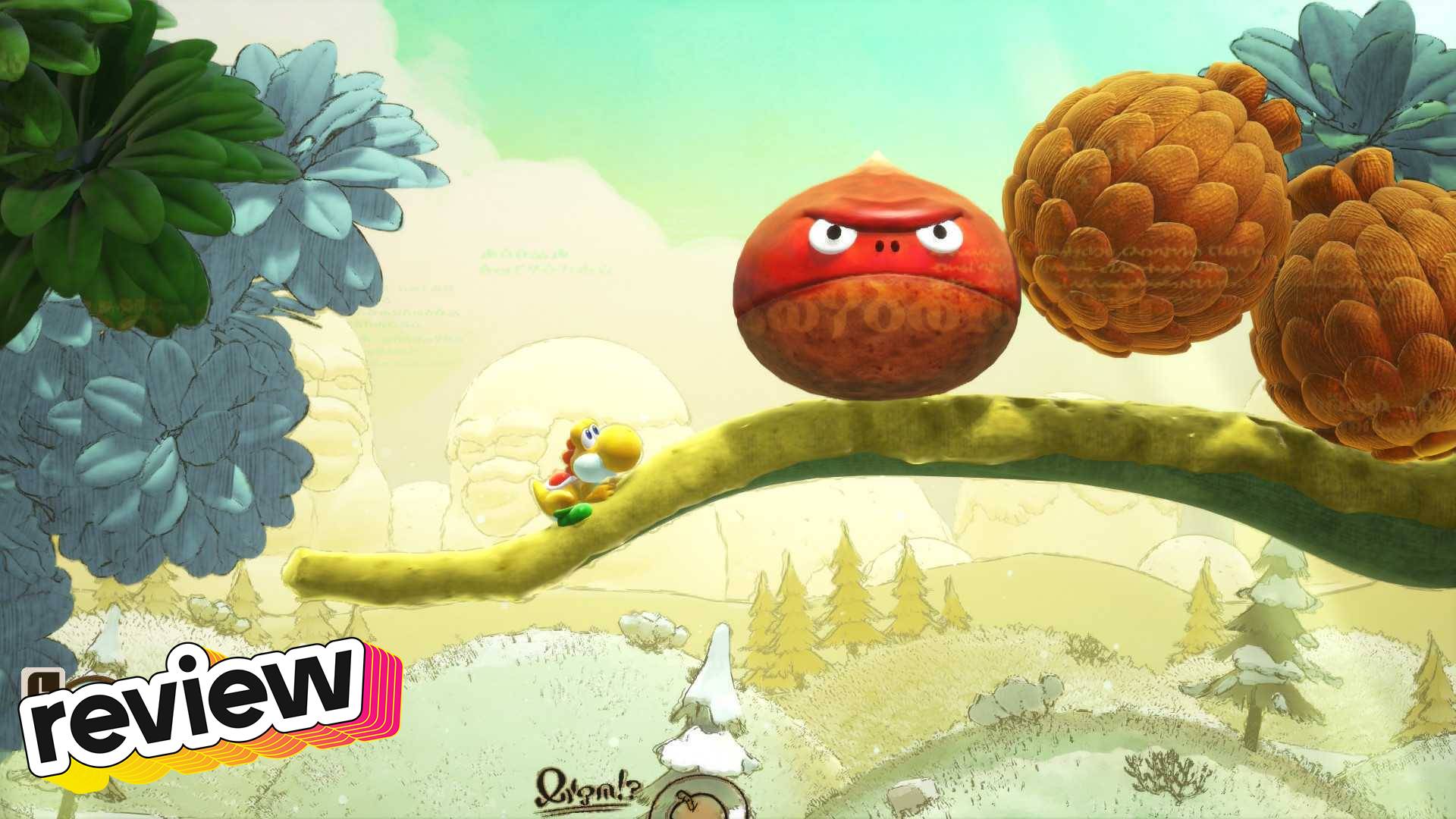
Yoshi, the lovable green dinosaur, has been a cherished character in the gaming world for many years. Each new game starring Yoshi typically brings a unique visual style, clever level designs, and the promise of enjoyable platforming fun. His latest adventure is no different, at least at first glance. It’s filled with adorable characters, wonderfully imaginative worlds, and seemingly endless tasks to complete. However, despite all these positive aspects, there's a nagging feeling that something essential is absent. This article will explore what makes this new Yoshi game a commendable effort, but also discuss the elusive "heart" that seems to be missing, preventing it from becoming a truly unforgettable gaming experience.
A First Look: Charm and Creativity Abound
From the very beginning of Yoshi’s newest journey, the game’s undeniable charm immediately catches your eye. The visual style, much like previous games such as Yoshi's Woolly World or Yoshi's Crafted World, is a major highlight. This time, the game world looks like it's made from a magical storybook, with each level appearing as beautifully drawn pages. The bright colors, the detailed foregrounds and backgrounds, and the playful animations of Yoshi and his friends are simply a delight to see. It’s the kind of game that makes you want to pause just to appreciate the artistic effort.
Beyond its pretty looks, the game introduces many creative ideas. Each level feels different, offering unique gameplay mechanics that keep things interesting for a good portion of the adventure. In one moment, you might be rolling a giant snowball to clear a path; in the next, you're navigating a maze made of musical instruments, timing your jumps to the beat. The wide variety of challenges and environments shows that the creators truly tried to bring new ideas within the classic Yoshi game structure. Additionally, the game offers a surprising amount of content. Finishing the main story is just the start; there are countless collectibles, secret paths, and bonus levels that promise many hours of gameplay for those who want to find everything.
The Lasting Appeal of Yoshi Games
Before we dive into what might be missing, it’s important to understand why Yoshi games are so appealing in the first place. At its core, a Yoshi game is a platformer that focuses on exploring, discovering secrets, and generally having a slightly more relaxed pace compared to Mario's adventures. Players control Yoshi, known for his special abilities: a flutter jump that lets him stay in the air longer, a tongue attack to swallow enemies and turn them into eggs, and the power to throw those eggs to solve puzzles or defeat foes.
The usual goal involves moving through cleverly designed levels, collecting flowers (often used to unlock new levels or content), red coins, and often finding hidden characters or items. The real challenge usually comes from finding all the secrets, rather than just surviving difficult platforming sections. This mix of being easy to pick up and having hidden depths has charmed players for generations, from the groundbreaking Super Mario World 2: Yoshi's Island to more recent games. Yoshi's friendly nature, combined with the imaginative worlds, creates a cozy and welcoming gaming experience.
What This New Adventure Does Well
Visually Stunning Worlds
As mentioned, the art direction in this new Yoshi title is a huge success. The "storybook" theme is done so perfectly that every screen looks like a vibrant, living illustration. The textures, the lighting, and the character models all contribute to a look that is both comforting and mesmerizing. It’s a visual style that truly stands out, even among today’s games with impressive graphics. This artistic choice not only looks beautiful but also adds to the game's overall whimsical feel, making it especially attractive to players of all ages. The careful attention to how objects interact with Yoshi, how enemies are designed to fit the theme, and even how the game’s menus are integrated, all show a high level of polish in the visual department.
Innovative Level Ideas
The game shines in its level design, especially in introducing fresh concepts that prevent the gameplay from becoming boring too quickly. We encounter levels that flip the perspective, asking us to navigate both the front and back of the crafted world to find secrets. There are stages that introduce temporary power-ups that completely change Yoshi’s abilities, like turning him into a giant mech or a speedy plane, offering exciting breaks from the usual egg-throwing platforming. Environmental puzzles are common and clever, often requiring careful observation and precise egg shots to uncover hidden paths or collect hard-to-reach items. These creative ideas are the core of the game's initial appeal, showing a team that clearly put a lot of thought into keeping players engaged with new experiences.
Abundance of Content
For those who love to get every single thing out of their games, Yoshi’s latest adventure provides an impressive amount of content. Beyond the main story, each level is full of extra challenges and collectibles. There are usually dozens of Red Coins to find, countless flowers to gather (often hidden in clever spots), and character costumes to unlock. Many levels also feature "Poochy Pups" to find, adding a secondary goal that encourages thorough exploration. Furthermore, the game often includes a "Flip Side" or "Mellow Mode" version of each level, which either changes the challenge or offers a more relaxed experience. This dedication to providing extensive replayability means players can easily spend dozens of hours in the game, trying to achieve 100% completion. For a game that looks so charming and easy to play, the sheer volume of content is a welcome surprise.
Unpacking the "Missing Heart"
Despite these many strengths – the stunning visuals, the inventive level mechanics, and the wealth of content – there's an undeniable feeling that something fundamental is missing. This isn't to say the game is "bad" in any way; it’s perfectly well-made and fun in short bursts. But for many long-time fans and even new players, it struggles to leave a lasting mark, failing to ignite that spark of genuine excitement or emotional connection that truly great games achieve. The "heart" of a game often lies in its ability to go beyond its basic functions, to create moments that feel special, or to offer a challenge that truly feels rewarding. In this new Yoshi game, while all the individual parts are there, they don't quite come together into a complete, soul-stirring whole.
The Challenge Problem
One of the most common criticisms for recent Yoshi games, and especially for this latest one, revolves around how difficult it is – or rather, how easy it is.
Is It Too Easy?
Yoshi games have always focused more on exploration and finding secrets than on tough platforming challenges. However, there's a delicate balance between being easy to play and being too simple. This new adventure often leans too heavily towards the latter. Many levels can be finished without much thought or risk. Enemies pose little threat, and most platforming sections are straightforward. While "Mellow Mode" is a good option for very young children or those wanting a super relaxed experience, the standard mode often feels like a version of Mellow Mode itself.
The lack of meaningful challenge can lessen the sense of accomplishment. Successfully completing a tricky jump sequence or defeating a difficult enemy often brings a rush of satisfaction. When these moments are rare, the overall experience can feel somewhat flat. For experienced players, the game might feel like it's holding their hand too much, rarely pushing them to master Yoshi's unique abilities. This isn't to say every game needs to be extremely hard, but a well-designed difficulty curve that gradually introduces more complex obstacles and requires more precise actions is essential for keeping players engaged over time.
Repetitive Gameplay Loop
While individual level ideas are creative, the main way you play the game – flutter jump, swallow, throw egg, collect – can start to feel repetitive over the course of a long game. Because the main challenge isn't about surviving, but rather about finding every collectible, the focus shifts to careful searching instead of dynamic play. After a while, the excitement of finding another hidden flower or red coin can fade, turning the goal of 100% completion into a chore rather than a joy. The innovative mechanics introduced in certain levels, while fun, often feel like temporary distractions rather than truly evolving the core gameplay. This can lead to a feeling of "been there, done that" even when visually, the next level looks completely different.
A Question of Innovation
Every Nintendo franchise faces the tricky task of keeping its core identity while also introducing meaningful new ideas. For Yoshi, this balance seems particularly difficult in recent years.
Sticking to the Formula vs. Evolving
The basic mechanics of Yoshi – the flutter jump, the egg-throwing, the unique art styles – are iconic and loved. However, simply wrapping these mechanics in a new visual package might not be enough for a game to truly stand out anymore. While the visual themes have evolved beautifully from yarn to craft materials and now to storybook looks, the underlying gameplay hasn't seen such a big change. Players are left wondering if there's room for Yoshi to truly evolve his moves, interact with the world in fundamentally new ways, or tackle platforming challenges that require different kinds of skills.
Innovation isn't always about huge changes; it can also be about improving existing systems or adding new layers of depth. For example, how could egg mechanics be expanded beyond simple throwing? Could Yoshi's flutter jump be used for more complex environmental puzzles? The current game often seems content to present new situations for old mechanics, rather than truly innovating the mechanics themselves. This careful approach, while safe, might be contributing to the feeling of a missing spark.
Missed Opportunities in Mechanics
Given the imaginative "storybook" theme, there were many potential ways for game mechanics to be deeply connected with the visuals. Imagine pages literally turning to reveal new sections of a level, or elements of a drawing coming to life and changing the environment. While the game does play with perspective (flipping the world), it feels like a concept that could have been explored much further. New enemy types often just act as obstacles to be swallowed or jumped on, rather than introducing complex patterns or behaviors that require strategic thinking. The game often presents incredibly creative visual concepts but then applies relatively standard platforming solutions, which can lead to a disconnect between the game's presentation and its actual gameplay.
The Emotional Connection: More Than Just Platforming
Beyond just mechanics and challenge, truly memorable games often create an emotional bond with the player.
Story and Character Development
Yoshi games are not usually known for their deep stories, and this is understandable. The focus is usually on lighthearted adventures. However, even within a simple storyline, there's room for character moments or a story arc that gives meaning to the journey. In this latest game, the story feels somewhat basic – a simple reason to connect levels, with minimal growth for Yoshi or his companions. The cutscenes, while cute, don't often bring out strong feelings or provide a compelling reason to keep playing beyond "just because." While Yoshi himself is naturally adorable, the lack of tension or meaningful interactions can make the adventure feel less impactful.
The Feeling of Discovery
The joy of discovery is a key part of platformers. Finding a hidden pipe, stumbling upon a secret area, or unlocking a completely new ability often brings a burst of excitement. In this Yoshi game, while there are many hidden items, the act of discovery sometimes feels less like a delightful surprise and more like checking off an item on a list. The game often hints at where secrets might be a little too clearly, or the "secrets" themselves are just more of the same collectibles. The feeling of truly unexpected revelation, of finding something genuinely unique or game-changing, is often absent. This can turn exploration into a systematic search rather than an exhilarating adventure, further adding to the feeling of a "missing heart."
Looking Back: What Made Previous Yoshi Games Shine?
To understand what this latest adventure might be missing, it helps to think about the history of the Yoshi series.
Yoshi's Island and Its Legacy
Often considered the best in the series, Super Mario World 2: Yoshi's Island for the SNES set an incredibly high standard. It introduced the core mechanics that define Yoshi games today but did so with a level of innovation and challenge that remains impressive. Its hand-drawn crayon art style was revolutionary at the time, starting the tradition of unique visual aesthetics.
What made it special? It combined challenging platforming with clever puzzles. Collecting all the items in a level was genuinely difficult, requiring players to master Yoshi's unique abilities. Baby Mario’s crying mechanic added a constant, subtle pressure that raised the stakes beyond simple item collection. The boss battles were creative and often required unconventional strategies. It felt like a true evolution of the platforming genre, offering depth and replayability that went beyond simply finding hidden pathways. The game had a distinct personality that resonated deeply with players, leaving a lasting impression.
Modern Takes: Hits and Misses
Later Yoshi games have had varying degrees of success. Yoshi's Woolly World (Wii U/3DS) is widely praised for its charming knitted look and smart integration of the yarn theme into its mechanics. It managed to find a good balance between being easy to play and offering depth for those who wanted to complete everything, and its co-op mode was a highlight. It felt fresh and delightful.
On the other hand, Yoshi's Crafted World (Switch), while visually creative with its cardboard craft look, received similar criticisms to our current subject. Many found it too easy, with a focus on tedious collectible hunting over engaging platforming. It introduced the "flip side" of levels, a concept that added content but didn't always make the gameplay much deeper. It's almost as if the series has struggled to recapture the magical balance of challenge, innovation, and emotional connection that Yoshi's Island so brilliantly achieved.
Crafting a Better Yoshi Experience
So, if this latest adventure doesn't quite reach its full potential, what could be done to improve future Yoshi games?
Balancing Challenge and Accessibility
A key improvement would be to carefully rethink the difficulty curve. This doesn't mean making the game punishingly hard, but rather introducing optional challenges, harder difficulty modes, or more complex puzzles that reward skilled play. Imagine levels with multiple routes, some easy, some genuinely tricky, each leading to different rewards. The option for "Mellow Mode" is excellent for its intended audience, but the standard experience should offer more substance for the average player. Boss battles could be more dynamic and memorable, requiring pattern recognition and precise timing, similar to older Nintendo titles.
Injecting Freshness into Core Gameplay
While new art styles are always welcome, the series could benefit from fresh gameplay mechanics that truly evolve Yoshi's abilities. What if Yoshi could dynamically combine his eggs to create different effects? What if the environment reacted more organically to his actions beyond simple switches? Exploring co-op mechanics that require more coordinated teamwork, similar to some of the best Nintendo multiplayer games, could also add significant depth. Innovation in gameplay doesn't always have to be groundbreaking; subtle enhancements that provide more strategic options or expressive control can make a huge difference.
Fostering a Deeper Connection
Even with a lighthearted premise, a stronger story or more engaging character moments could elevate the experience. Giving players more reasons to care about the adventure beyond collecting everything can create a more memorable journey. This could involve more meaningful interactions with supporting characters, a clearer sense of growth for Yoshi himself, or moments that evoke genuine wonder and discovery. The art style already creates a sense of charm; pairing that with a narrative that has a little more emotional weight, without becoming overly complex, could truly bring the "heart" back to Yoshi's adventures.
Is This Yoshi Adventure Still Worth Playing?
Despite the criticisms regarding its missing "heart," it's important to be clear: Yoshi's latest adventure is far from a bad game. It's a beautifully made, competently designed platformer that offers many hours of gentle fun. If you're looking for a relaxing experience, a game to unwind with after a long day, or something to play with very young children, then this title absolutely delivers. The visual charm alone is a compelling reason to pick it up, and the sheer volume of content ensures you'll get your money's worth in terms of playtime.
However, if you're a long-time fan hoping for a return to the innovative challenge of Yoshi's Island, or if you expect a deep, engaging platforming experience that constantly surprises and pushes your skills, you might find yourself feeling a little unsatisfied. It's a game that delights the senses and offers a pleasant distraction, but it might not stay with you in the same way some of Nintendo's truly iconic titles do. It's a solid, if somewhat safe, entry in the beloved series.
Final Thoughts: A Beloved Character's Journey
Yoshi's latest adventure, with its dazzling storybook look, inventive level ideas, and generous amount of content, presents a puzzle. It's a game that does so many things right, showcasing the lasting appeal of its main character and the creative talent of its developers. Yet, the subtle absence of a truly compelling challenge, a deeper sense of innovation in its core mechanics, and a more profound emotional connection prevents it from reaching the heights of its predecessors. It's a journey filled with cute creatures and clever ideas, but one that ultimately feels like it's missing a crucial piece of its soul.
As fans, we continue to adore Yoshi and his unique style of platforming. We hope that future games will build upon the visual and creative strengths seen here, while also daring to push the boundaries of what a Yoshi game can be. Adding more challenging gameplay, evolving the core mechanics, and creating more memorable moments could be the key to bringing that elusive "heart" back, making Yoshi’s next adventure not just enjoyable, but truly unforgettable.
Share Your Thoughts!
What do you think of Yoshi's latest adventure? Did you find it charming and fulfilling, or did you also feel something was missing? Share your opinions in the comments below! We'd love to hear your take on what makes a perfect Yoshi game.
from Kotaku
-via DynaSage

Post a Comment