Watch A Dozen Gamers ‘Raid’ EA To Block Saudi Takeover In Protest Outside The Battlefield Publisher’s Headquarters
Advocacy on the Front Lines: The Players Alliance Protests at a Major Gaming Company Headquarters
In a significant display of advocacy, the Players Alliance recently organized a brief but impactful protest outside the Redwood City headquarters of a prominent gaming company. This event, captured in a snapshot and a concise statement, represents a growing movement within the video game industry where calls for greater accountability, improved worker conditions, and a more ethical approach to game development are becoming increasingly vocal. While the protest itself was described as brief, its implications resonate deeply within an industry often criticized for its demanding work culture and at times, its relationship with its player base.
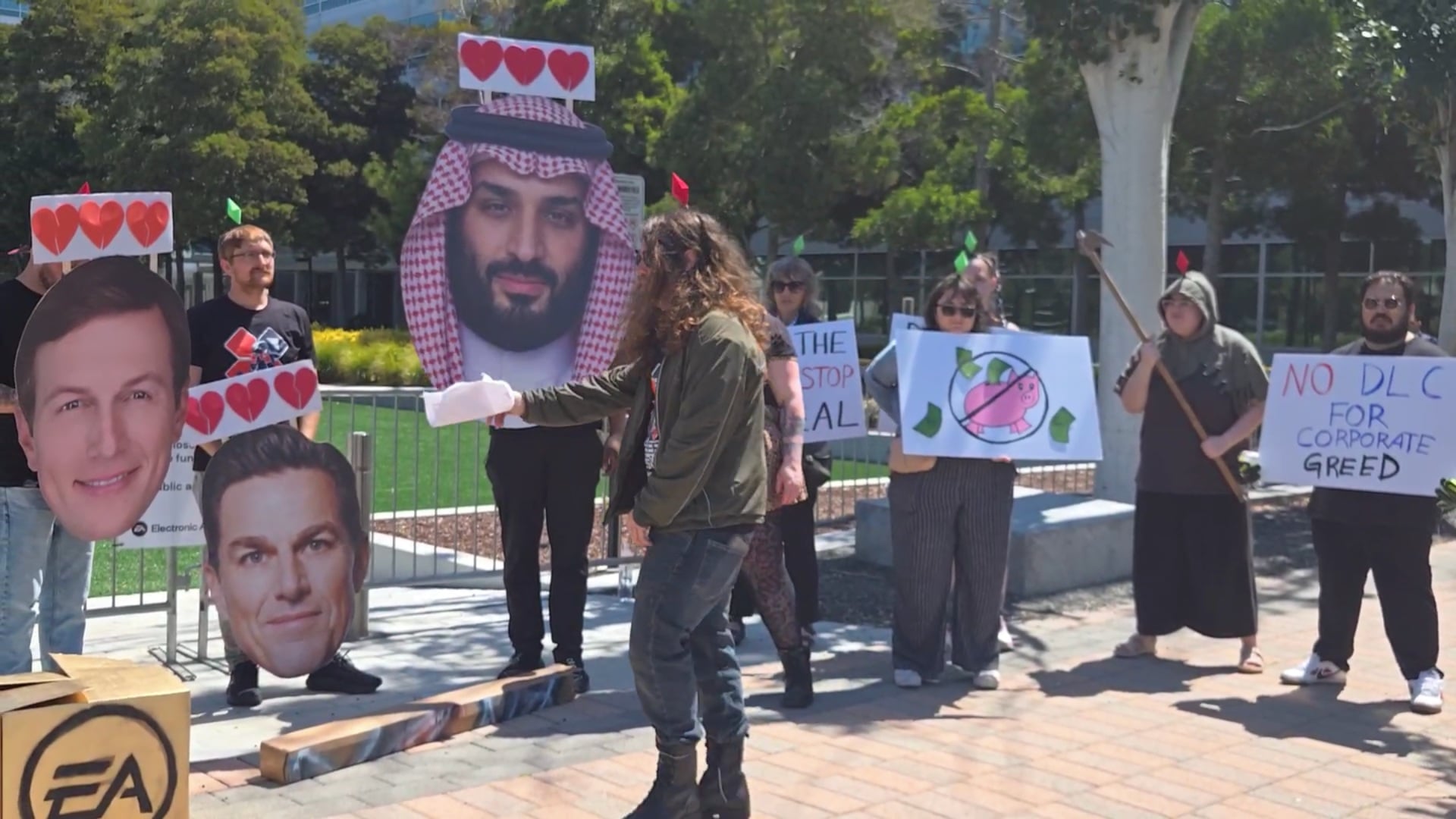
The visual evidence of the protest, depicting individuals gathered with signs, underscores the commitment of the Players Alliance to bring critical issues to the forefront. This blog post aims to delve deeper into the context surrounding this protest, exploring who the Players Alliance is, the potential reasons behind their actions, and what this event signifies for the future of the global gaming landscape.
The Core Issue: What Sparked the Protest?
To truly understand the weight of the Players Alliance's demonstration, it's essential to look at the factors that might compel an organization to take its grievances directly to a company's doorstep. Protests are rarely isolated incidents; they are often the culmination of long-standing issues and unanswered calls for change.
Understanding the Players Alliance: Who Are They?
The Players Alliance, as its name suggests, is an organization dedicated to advocating for the rights and interests of individuals within the gaming ecosystem. While "players" might typically refer to consumers, in the context of industry advocacy and protest, it often encompasses game developers, designers, artists, quality assurance testers, and other workers who are integral to bringing games to life. This broad interpretation highlights a critical connection: the well-being of those who create games often directly impacts the quality and ethical standards of the games themselves.
Historically, such alliances emerge from a shared sense of frustration or a collective desire for better conditions. Their mission typically revolves around fostering a more equitable, sustainable, and respectful environment within the gaming industry. This can include fighting for fair wages, protesting against exploitative labor practices like "crunch culture," advocating for diverse and inclusive workplaces, or challenging anti-consumer practices that harm the player base. The Players Alliance likely serves as a unified voice for individuals who, on their own, might lack the leverage to instigate significant change. Their strength lies in their collective action and their ability to draw public attention to critical issues. You can learn more about player and developer advocacy groups in the gaming sector.
The Company in Question: An Industry Giant in Redwood City
While the specific company remains unnamed in the initial report, its location in Redwood City, California, offers a significant clue. Redwood City is a well-known hub for technology and gaming companies, housing several major players in the interactive entertainment space. These companies often operate on a global scale, developing and publishing some of the world's most popular video games. Being a large entity, such a company would inherently face scrutiny regarding its business practices, workplace conditions, and its impact on the broader gaming community.
Major gaming companies, with their vast resources and influence, play a pivotal role in shaping industry standards. They are at the forefront of innovation but are also often the targets of criticism when those standards fall short of expectations, whether from their employees or their dedicated player base. The choice of their headquarters as the protest site is deliberate, aiming to exert direct pressure and ensure their concerns are heard at the highest levels of the organization. This strategic location amplifies the message, making it clear that the issues being raised are directed at the core decision-makers within the company.
Deep Dive into the Grievances: What Pressures Are Boiling Over?
The motivation behind a protest by an organization like the Players Alliance is multifaceted, often touching upon both worker rights and broader ethical considerations that affect the entire gaming community.
Crunch Culture and Worker Well-being
One of the most enduring and controversial issues in the video game industry is "crunch culture." This refers to periods of intense, prolonged overtime, sometimes extending to 60, 80, or even 100-hour work weeks, especially as a game approaches its release deadline. While often framed as a necessary evil to deliver high-quality products, crunch takes a severe toll on developers' physical and mental health. It leads to burnout, stress, anxiety, depression, and can damage personal relationships.
Many developers enter the industry with immense passion, but the realities of crunch can quickly erode that enthusiasm, leading to high turnover rates. The Players Alliance, recognizing the human cost, likely advocates for sustainable development practices that prioritize employee well-being over arbitrary deadlines. They may demand better project management, realistic scheduling, and compensation for overtime, if not outright abolition of mandatory crunch. The argument is that a well-rested and respected workforce is ultimately more productive and creates better games in the long run. The continued prevalence of crunch, despite widespread awareness, points to systemic issues within development pipelines and management priorities that the Players Alliance seeks to challenge. For more insights, explore articles on the impact of crunch culture on game developers.
Job Security and Layoffs
The gaming industry, despite its massive revenue, has seen a worrying trend of mass layoffs in recent years. Even highly profitable companies often make significant cuts to their workforce, impacting hundreds or even thousands of employees. These layoffs can occur even after successful game launches or periods of high company growth, leaving developers feeling insecure and expendable. The Players Alliance would likely highlight the instability faced by workers, calling for greater job security, better severance packages, and more transparent communication during restructuring.
The cycles of hiring rapidly for project peaks and then laying off extensively once a project is complete contribute to a volatile environment. This instability makes it difficult for developers to plan their lives, build long-term careers, and feel valued by their employers. Advocating for better long-term employment strategies and ethical treatment during workforce reductions would be a key concern for any worker-focused alliance. The economic precarity felt by many in the industry, even those working on blockbuster titles, underscores the need for organizations like the Players Alliance to champion stability and fair treatment.
Fair Compensation and Benefits
Despite the multi-billion-dollar nature of the gaming industry, compensation and benefits for many developers, especially at junior and mid-levels, can be surprisingly low, particularly when factoring in the long hours often worked. The Players Alliance would likely push for transparent salary bands, competitive wages that reflect the cost of living (especially in areas like Redwood City), comprehensive health benefits, retirement plans, and other perks typically associated with high-tech industries.
Beyond just the base salary, issues like unpaid overtime during crunch, lack of bonuses despite game success, and inadequate health insurance can significantly impact a developer's quality of life. The alliance's demands would aim to ensure that the creators of these popular entertainment products share more equitably in the success they help generate. They might also advocate for clearer career progression paths and opportunities for professional development, ensuring that employees can grow and thrive within the industry rather than being perpetually stuck in roles with limited advancement or compensation.
Player-Centric Concerns: Ethical Monetization and Game Quality
While often focused on worker rights, the Players Alliance's mandate likely extends to protecting player interests, recognizing that worker exploitation can often lead to anti-consumer practices. For example, pressure to release games prematurely can result in buggy, incomplete products that disappoint players. Similarly, intense pressure to hit monetization targets can lead to the implementation of predatory systems like excessive loot boxes, "pay-to-win" mechanics, or aggressive microtransactions that prioritize profit over player enjoyment and ethical design.
A protest might also address issues such as a lack of post-launch support for games, broken promises regarding content, or disrespectful communication with the community. By linking worker well-being to game quality and ethical monetization, the Players Alliance can build a broader base of support, uniting developers and players against practices that undermine the integrity of gaming. When developers are treated fairly and given adequate time and resources, they are better positioned to create games that truly respect their audience. Learn more about ethical considerations in game development and monetization.
The Protest: A Call for Change
The act of protesting itself is a powerful form of communication, designed to disrupt the status quo and force attention onto ignored issues.
The Scene in Redwood City: Making a Statement
The image shared captures a moment of direct confrontation, albeit a brief one, between an advocacy group and a corporate entity. The choice of the company's Redwood City headquarters is strategic. It’s a highly visible location, ensuring that employees, executives, and even local media are aware of the demonstration. Protests, even small ones, create a visible disruption and generate buzz. They communicate a message that extends beyond those physically present, aiming to reach a wider audience through media coverage and social media.
The atmosphere of such an event, even if brief, is charged with purpose. Participants often hold signs bearing specific demands or general messages of solidarity, chanting slogans to amplify their message. The very act of standing outside the corporate gates, interrupting the daily routine, sends a clear signal: "We are here, we are unified, and we demand to be heard." This public display contrasts sharply with internal discussions or private negotiations, indicating that previous attempts to address these issues might have been unsuccessful or insufficient.
The Alliance's Demands: Specific Calls for Reform
While the specific demands of the Players Alliance in this particular protest are not detailed in the original snippet, typical demands from such organizations include:
- Improved working conditions and an end to mandatory crunch.
- Fairer compensation, including better pay, benefits, and transparent bonus structures.
- Increased job security and transparent layoff policies.
- Commitment to diversity, equity, and inclusion in hiring and workplace culture.
- Ethical game design practices, particularly concerning monetization.
- Recognition of workers' rights to organize and potentially unionize.
Symbolic Significance: Why This Protest Matters
Even a "brief protest" holds significant symbolic weight. It’s a public declaration that certain practices are unacceptable and that there’s an organized force ready to challenge them. For the employees within the company, it serves as a morale booster, demonstrating that there are external advocates fighting for their rights. For the company itself, it's a reputational risk; negative publicity can deter talent, alienate players, and attract unwanted scrutiny from investors or regulators.
The protest also signals to the broader gaming industry that these issues are not going away. It contributes to a growing narrative of activism and demands for change, encouraging other companies to re-evaluate their own practices. In an increasingly connected world, where information spreads rapidly, such a visible act of dissent can spark wider conversations and inspire similar actions elsewhere.
Broader Industry Context and Implications
The Players Alliance's protest is not an isolated incident but rather a manifestation of larger trends and ongoing dialogues within the video game industry.
A Growing Movement: Accountability in Gaming
Over the past decade, the gaming industry has faced increasing pressure from various stakeholders to address its internal issues. Reports of toxic work environments, sexual harassment, discrimination, and excessive crunch have become more frequent and public. This has led to a surge in grassroots movements, advocacy groups, and even efforts towards unionization in various studios around the world. The Players Alliance's action aligns with this broader push for accountability and transparency.
This growing movement suggests a maturing industry that is finally being forced to confront the less glamorous aspects of its operations. As gaming transitions from a niche hobby to a dominant global entertainment medium, the expectations for corporate responsibility and ethical behavior have risen significantly. The days of operating in the shadows, immune to public scrutiny, are rapidly fading. Advocates are increasingly leveraging social media, investigative journalism, and direct action to ensure that these issues cannot be ignored.
The Role of Players and Consumers: Power in Numbers
Players and consumers hold significant power in this equation. Their purchasing decisions, online discussions, and support for advocacy groups can amplify the message of protests like the one led by the Players Alliance. When players express solidarity with developers and demand better ethical standards, it creates a powerful combined force that companies cannot easily dismiss. Negative public sentiment can directly impact sales, brand loyalty, and the ability to attract new talent.
Many gamers are becoming more aware of the conditions under which their favorite games are made, and this awareness is translating into demands for change. Community discussions around topics like "crunch culture," predatory monetization, and diversity in gaming are more prevalent than ever. This growing consciousness among the player base provides crucial leverage for organizations like the Players Alliance, turning what might otherwise be an internal labor dispute into a widely discussed public concern. Engage with discussions on player communities and industry change.
Potential Paths Forward: Dialogue, Policy, and Unionization
The protest in Redwood City could lead to several outcomes. Ideally, it sparks constructive dialogue between the Players Alliance and the company's leadership, leading to concrete commitments for reform. This could involve negotiations on new labor policies, investment in mental health support for employees, or changes in how game projects are managed to prevent crunch.
Beyond individual company actions, such protests contribute to broader policy discussions within the industry. They could pave the way for industry-wide best practices, or even influence legislation related to worker rights in creative industries. Another significant path forward, increasingly being explored by game developers, is unionization. A collective bargaining agreement can provide workers with a strong, legally recognized voice to negotiate for better wages, benefits, and working conditions, offering a more permanent solution to many of the issues raised by advocacy groups. The Players Alliance's actions could be seen as part of a larger, ongoing effort to build momentum towards these more structured forms of worker protection.
Conclusion: Looking Ahead for a Healthier Gaming Industry
The brief protest led by the Players Alliance outside the Redwood City headquarters of a major gaming company is more than just a momentary demonstration; it is a clear indicator of the ongoing struggle for a more ethical, equitable, and sustainable video game industry. It underscores the critical role that advocacy groups play in holding powerful corporations accountable and in amplifying the voices of those who create the games we love.
As the gaming industry continues to expand and evolve, the spotlight on its internal practices will only intensify. The success of future games will depend not just on technological innovation or creative genius, but also on the well-being of its workforce and the trust of its player base. The Players Alliance, through actions like this protest, is helping to shape a future where game development is synonymous with fair labor practices, ethical design, and a respectful environment for everyone involved. Their efforts remind us that a truly healthy gaming ecosystem is one that prioritizes people—both those who make games and those who play them. Supporting such movements is vital for anyone who cares about the long-term future and integrity of interactive entertainment.
from Kotaku
-via DynaSage

Post a Comment