Top Stories: iOS 26.5 Coming Soon, Goodbye $599 Mac Mini, and More
As the annual Apple Worldwide Developers Conference (WWDC) draws near, bringing with it the highly anticipated unveiling of iOS 27 and other significant updates, a smaller, yet important, update is on its way. iOS 26.5, along with its related software, is set to arrive very soon. These minor tweaks are designed to refine the current user experience, making some improvements before we get our first look at the exciting new changes promised with the next major operating system release.
Beyond software, this past week also saw Apple making adjustments to its popular desktop computers, the Mac mini and Mac Studio. These changes come amid ongoing product shortages that have impacted the industry. Additionally, the company is grappling with unexpectedly high demand for its newest portable computer, the MacBook Neo, leading to discussions on how to efficiently meet customer needs. Dive in below for all the details on these stories and more, as we explore the latest developments from the world of Apple.
Top Stories: Apple's Latest Software, Hardware Shifts, and Surprising Demand
Apple Says iOS 26.5 Adds Three New Features to Your iPhone
The upcoming iOS 26.5 update is packed with three distinct new features for iPhones, according to the official release notes provided by Apple. This update, which has been thoroughly tested by developers and public beta users, is widely expected to be released to all compatible iPhones and iPads next week, bringing welcome enhancements to millions of users globally. Let’s take a closer look at what these new additions mean for your daily digital life.
One of the most significant and long-awaited improvements in iOS 26.5 is the enablement of end-to-end encryption for RCS (Rich Communication Services) messaging. This feature will work specifically for messages exchanged between iOS and Android devices. For years, iPhone users communicating with Android users have been limited to standard SMS/MMS, resulting in a less secure, less feature-rich experience often characterized by "green bubbles." RCS, a modern messaging protocol, brings many features common in iMessage, such as higher-quality photos and videos, read receipts, typing indicators, and better group chats. The addition of end-to-end encryption takes this a step further, ensuring that these cross-platform messages are private and secure, protected from eavesdropping by third parties, including network providers and even Apple itself. This is a monumental step towards bridging the communication gap between the two major mobile ecosystems, enhancing privacy for a vast number of users. Apple notes that this crucial security upgrade will be gradually rolled out and will be limited to supported carriers around the world, meaning availability might vary initially. Users can expect a more secure and robust messaging experience when interacting with their Android-using friends and family.
The second new feature making its debut in iOS 26.5 is called "Suggested Places," found within Apple Maps. This innovative section of the mapping application aims to make discovery easier and more personalized. It works by analyzing your current location and your recent search history within Maps and other related apps. Based on this information, "Suggested Places" will offer recommendations for points of interest, restaurants, shops, and other destinations that it believes you might enjoy. This could range from a highly-rated coffee shop nearby to a new museum that aligns with your past interests. Initially, this feature is designed to be a helpful tool for discovery, but Apple has also announced a future development: "Suggested Places" will begin to display advertisements in the U.S. and Canada later this year. While this introduces a commercial aspect to the feature, it's a strategic move by Apple to expand its advertising revenue streams, potentially offering businesses a new way to reach users based on highly relevant geographic and interest data. Users will likely see a balance between organic suggestions and sponsored listings, similar to how search engines or other map services operate.
Finally, iOS 26.5 and iPadOS 26.5 introduce a beautiful new "Pride Luminance" wallpaper. This special wallpaper is designed to "dynamically refract a spectrum of colors," creating a vibrant and ever-changing visual display on your iPhone or iPad screen. This release is part of Apple's ongoing commitment to celebrating and supporting LGBTQ+ communities globally. It launches alongside a new "Pride Edition Sport Loop" for Apple Watch and a matching "Pride Luminance" watch face, allowing users to express their solidarity and pride across their Apple devices. Apple has a long history of releasing Pride-themed products and software features, often coinciding with Pride Month celebrations. These initiatives not only allow users to customize their devices with meaningful designs but also underscore Apple's dedication to diversity, inclusion, and human rights. The dynamic nature of the wallpaper adds an engaging element, making it more than just a static image but a living celebration of color and light.
Why You Might Want to Wait to Buy a MacBook Pro
Apple updated its 14-inch and 16-inch MacBook Pro models in March 2026, introducing the powerful M5 Pro and M5 Max chips. These machines brought significant performance upgrades, appealing to professionals who demand the absolute best in terms of processing power and graphics capabilities. However, despite these internal enhancements, the design of these MacBook Pro models remained largely unchanged, retaining the aesthetic Apple first introduced in 2021. For some users, this might be a reason to hold off on purchasing the current generation, as rumors suggest something even more revolutionary is on the horizon.
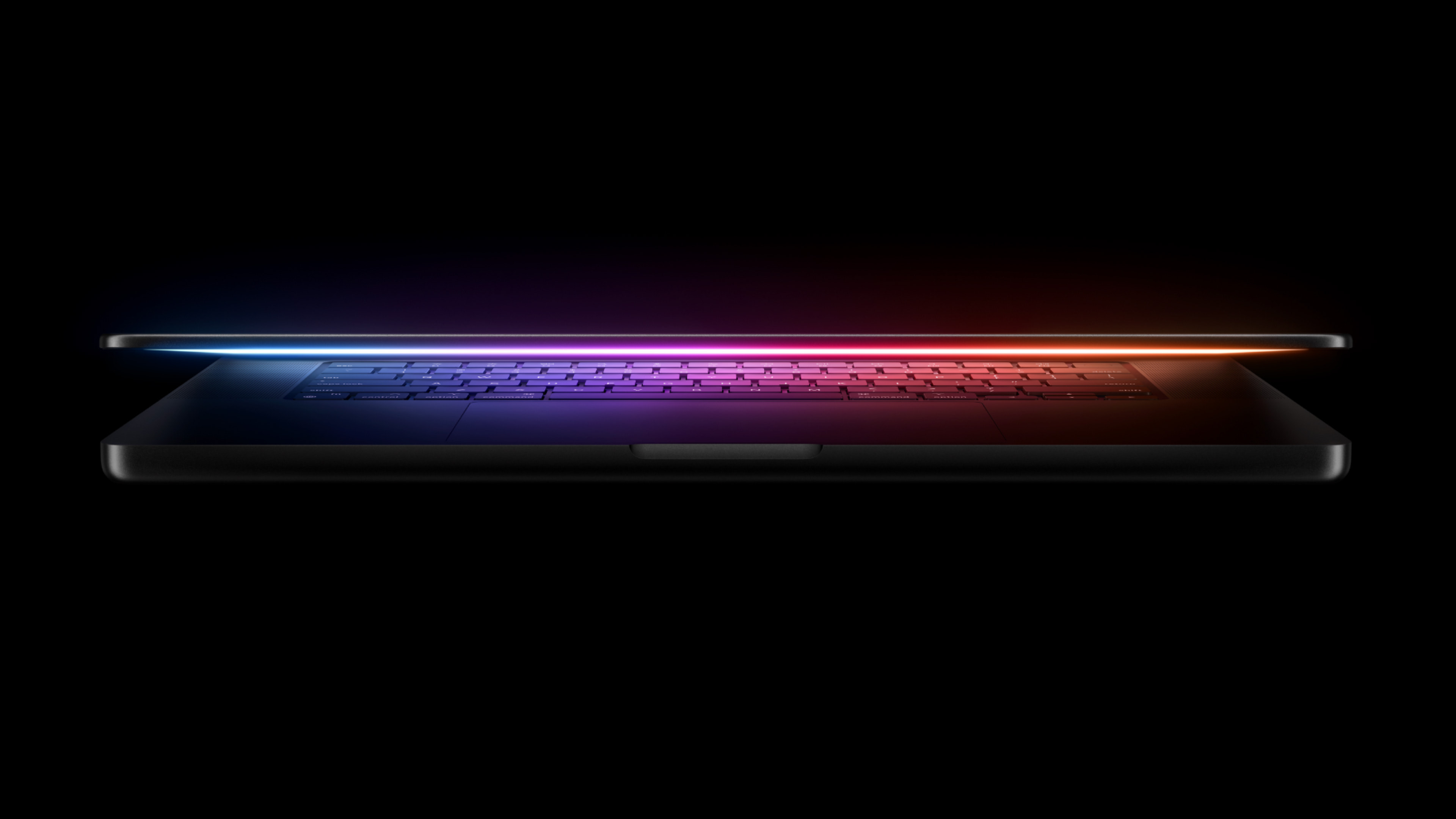
While the M5 Pro and M5 Max MacBook Pro models undoubtedly offer faster chips for intensive tasks like video editing, 3D rendering, and software development, they still feature the same chassis, display technology, and overall look. This means they maintain the notch at the top of the display and offer a similar port selection as their predecessors. For those who prioritize raw power above all else and need an upgrade immediately, the current models are excellent choices. However, if you're looking for a fresh experience, an updated design, or a leap in display quality, patience might be your best virtue. The tech world is buzzing with talk of an entirely redesigned MacBook Pro, potentially dubbed the "MacBook Ultra," which is rumored to arrive in late 2026 or early 2027.
This rumored "MacBook Ultra" is expected to bring a host of significant advancements. A key highlight is the promise of "new display technology." This could mean anything from further refinements to Apple's already impressive Mini-LED displays, offering even deeper blacks and brighter highlights, to a potential shift to OLED technology. OLED displays are known for their perfect blacks, incredible contrast ratios, and vibrant colors, which would be a massive upgrade for professionals working with visual content. Such a display would provide an unparalleled viewing experience, making colors pop and details incredibly sharp. Alongside this, the "MacBook Ultra" would naturally feature even faster performance, likely powered by the next generation of Apple Silicon chips (perhaps the M6 or M6 Ultra). These chips would push the boundaries of what's possible on a laptop, offering unprecedented speed and efficiency for the most demanding workflows. Furthermore, an "updated design" could mean a thinner profile, reduced bezels around the screen, potentially new materials, or even entirely new thermal architectures to sustain peak performance longer. For a comprehensive look at everything that has been rumored for this exciting upcoming machine, our detailed overview of the "MacBook Ultra" rumors is an essential read for anyone considering a high-end laptop purchase in the near future.
Apple Stops Selling Mac Mini With 256GB of Storage, Starting Price Rises to $799
In a notable change for its popular compact desktop, Apple last week discontinued the 256GB storage option for the Mac mini globally. This strategic decision has a direct impact on the computer's entry-level pricing, as the Mac mini now starts at a significantly higher price point. This move reflects broader industry trends and Apple's own evolving product strategy, particularly concerning storage and performance requirements for modern computing tasks.
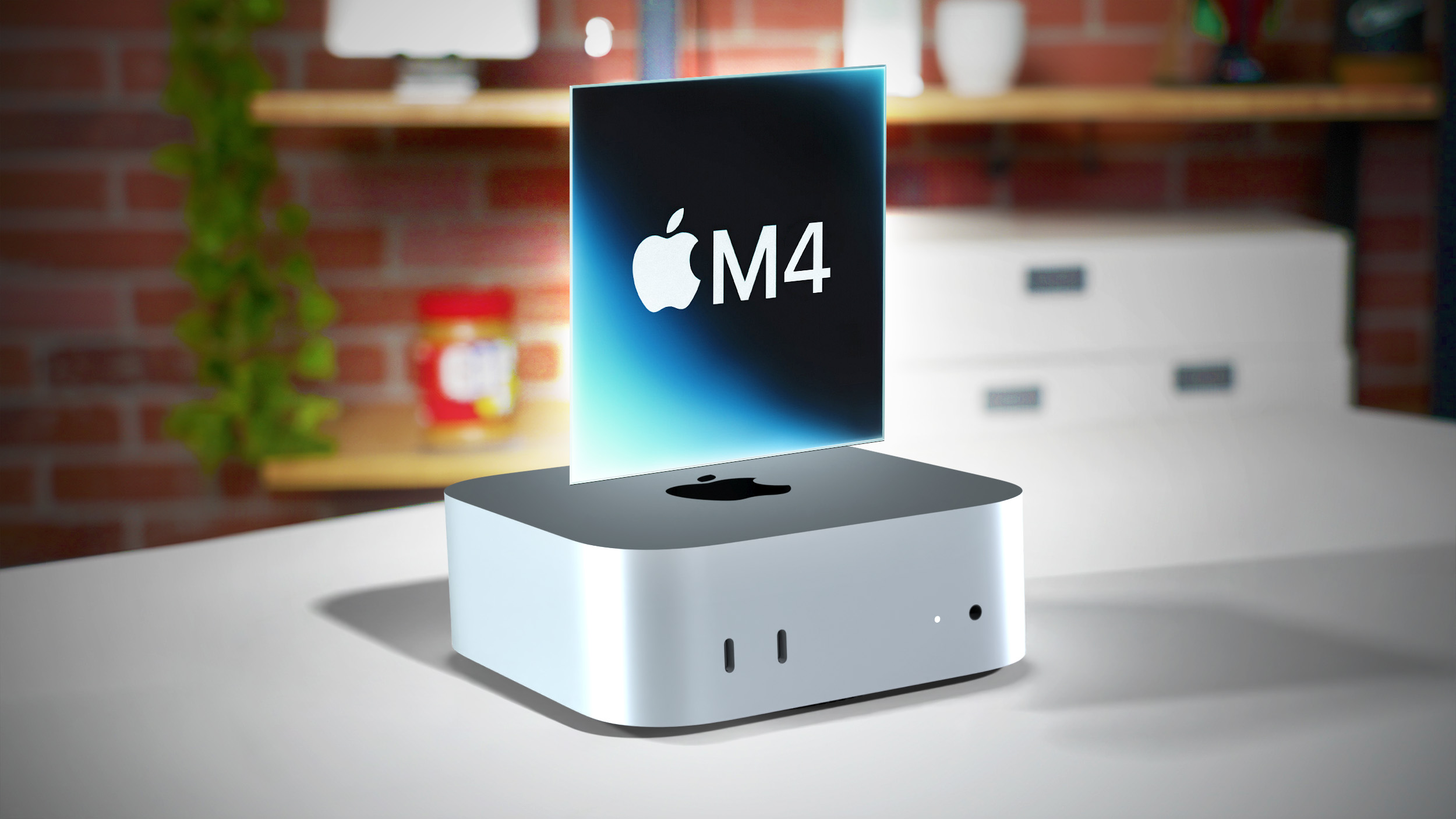
Previously, customers in the U.S., for instance, could purchase a Mac mini starting at $599. This configuration included the capable M4 chip, a generous 16GB of RAM, and 256GB of solid-state storage. While 256GB was once considered standard, the increasing size of operating systems, applications, and user data means it's often seen as insufficient for many users today. With the discontinuation of this option, the Mac mini now begins at $799. This new base model comes equipped with the same M4 chip and 16GB of RAM but doubles the storage to 512GB. While the larger storage capacity is undoubtedly a welcome upgrade for many, the $200 price increase for the entry-level model is a significant shift, potentially making the Mac mini less accessible for budget-conscious users who were drawn to its previous lower starting price. This adjustment pushes the Mac mini further into the mid-range desktop market, encouraging users to consider higher-tier configurations from the outset.
This change isn't isolated; Apple is also reportedly continuing to scale back other configurations of both the Mac mini and the more powerful Mac Studio. These reductions in available options, particularly concerning memory (RAM), are largely a consequence of widespread memory shortages affecting the entire technology industry. The demand for high-capacity and high-speed RAM has surged dramatically, primarily driven by the explosion of interest and development in AI-related purposes. Artificial intelligence workloads, from training complex models to running sophisticated inference tasks, require vast amounts of fast memory. As more businesses and individual users adopt these powerful desktop machines for AI development, data analysis, and other memory-intensive applications, the supply chain is struggling to keep pace. Apple, like other tech giants, is facing the challenge of balancing this strong demand with limited component availability. By adjusting their product offerings, Apple aims to streamline production, ensure availability of higher-margin configurations, and perhaps prioritize the allocation of scarce memory components to the models where they are most critically needed or where demand is highest. This situation highlights how global supply chain dynamics and emerging technological trends like AI can directly influence consumer product availability and pricing.
Apple Was Caught Off Guard by MacBook Neo's 'Off the Charts' Demand
Apple's latest entry into the laptop market, the MacBook Neo, appears to be an extraordinary success with consumers, far exceeding the company's initial expectations. This sentiment was clearly conveyed by CEO Tim Cook during a recent earnings call, painting a picture of overwhelming public enthusiasm for the most affordable MacBook ever released. The MacBook Neo, introduced in March, was designed to make the Apple laptop experience more accessible, and it seems to have hit a sweet spot with buyers.
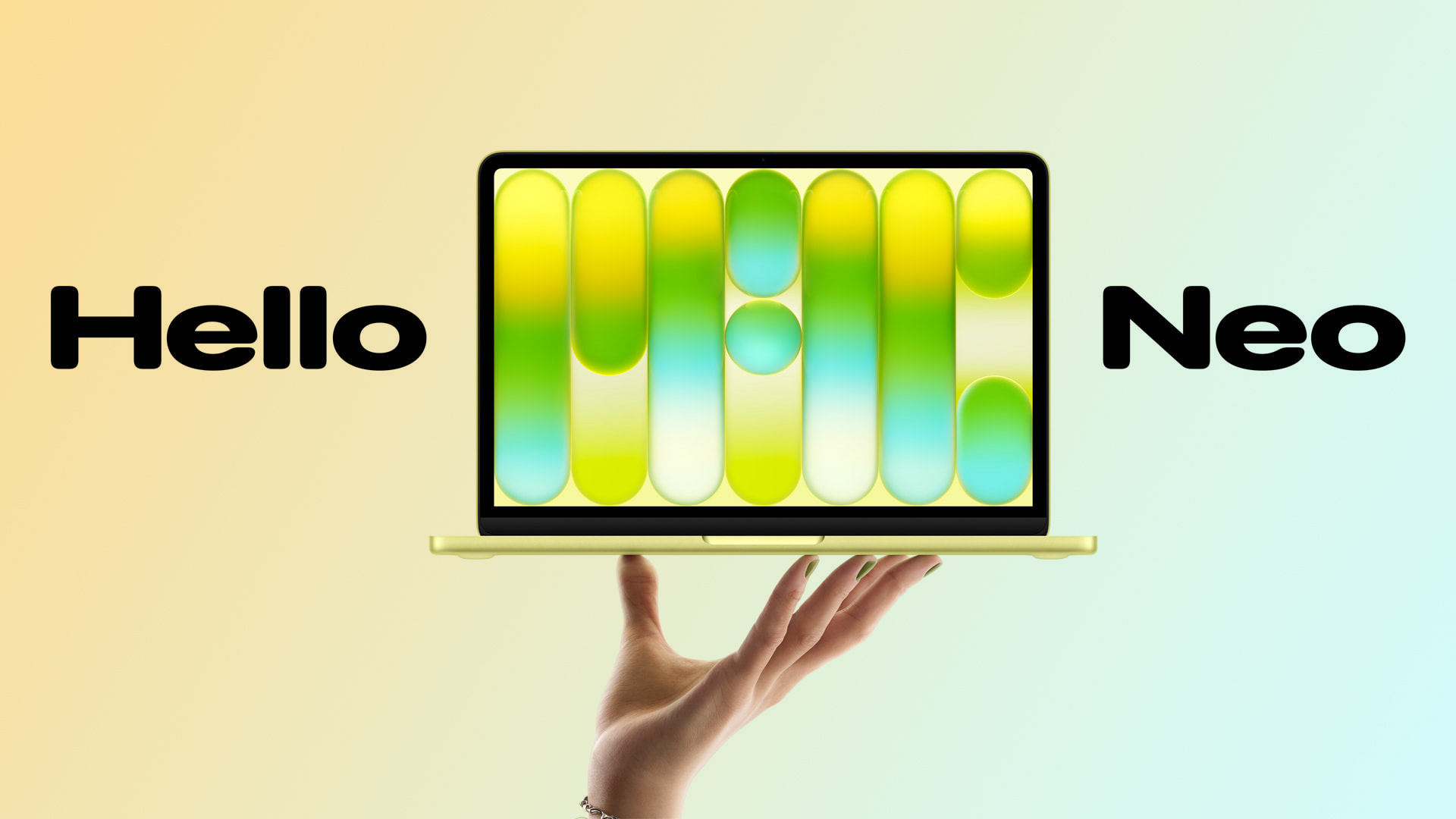
During the earnings call last Thursday, Tim Cook enthusiastically reported that customer response to the MacBook Neo has been "off the charts" since its debut. He expressed immense satisfaction, stating, "We could not be happier with how things are going at the moment." This level of demand, while a testament to the product's appeal, has also created significant challenges for Apple. The company has found itself struggling to keep up with the sheer volume of orders, leading to extended shipping times and limited availability in stores. The primary bottleneck appears to be the supply of the A18 Pro chips, which are the powerful custom silicon driving these new laptops. Running out of these critical components means Apple cannot manufacture MacBook Neos fast enough to meet the unprecedented consumer desire.
The situation presents a complex dilemma for Apple. While high demand is a good problem to have, managing it efficiently is crucial. There are whispers that Apple is considering placing another large order for the A18 Pro chips. However, increasing chip orders post-launch can often come with a higher per-unit cost, especially if suppliers are already operating at capacity. This, coupled with the general rise in memory costs across the industry, is putting pressure on the MacBook Neo's production expenses. In light of these rising costs and the need to balance profitability with accessibility, tech columnist Tim Culpan has speculated on potential strategic shifts. He believes Apple might be considering discontinuing the entry-level $599 configuration of the MacBook Neo. If the manufacturing costs for this base model become too high, it might no longer be economically viable for Apple to offer it, potentially pushing the starting price higher. Furthermore, Culpan also suggests that Apple could be planning to introduce additional colors for the MacBook Neo. This strategy could serve multiple purposes: new color options could generate renewed interest, attract a broader customer base, and potentially help to justify any future price adjustments by offering more perceived value or premium choices. This situation perfectly illustrates the delicate balance Apple must strike between meeting consumer excitement, managing supply chain realities, and maintaining profit margins.
iPhone 18 Pro Rumored to Keep Aluminum Finish Amid Durability Complaints
New reports suggest that the upcoming iPhone 18 Pro will retain the same anodized aluminum finish that was first introduced with the iPhone 17 Pro. This news comes despite a growing number of complaints from users regarding the durability of this particular finish. The decision to stick with the existing material highlights Apple's design philosophy and potential manufacturing considerations, even in the face of customer feedback.
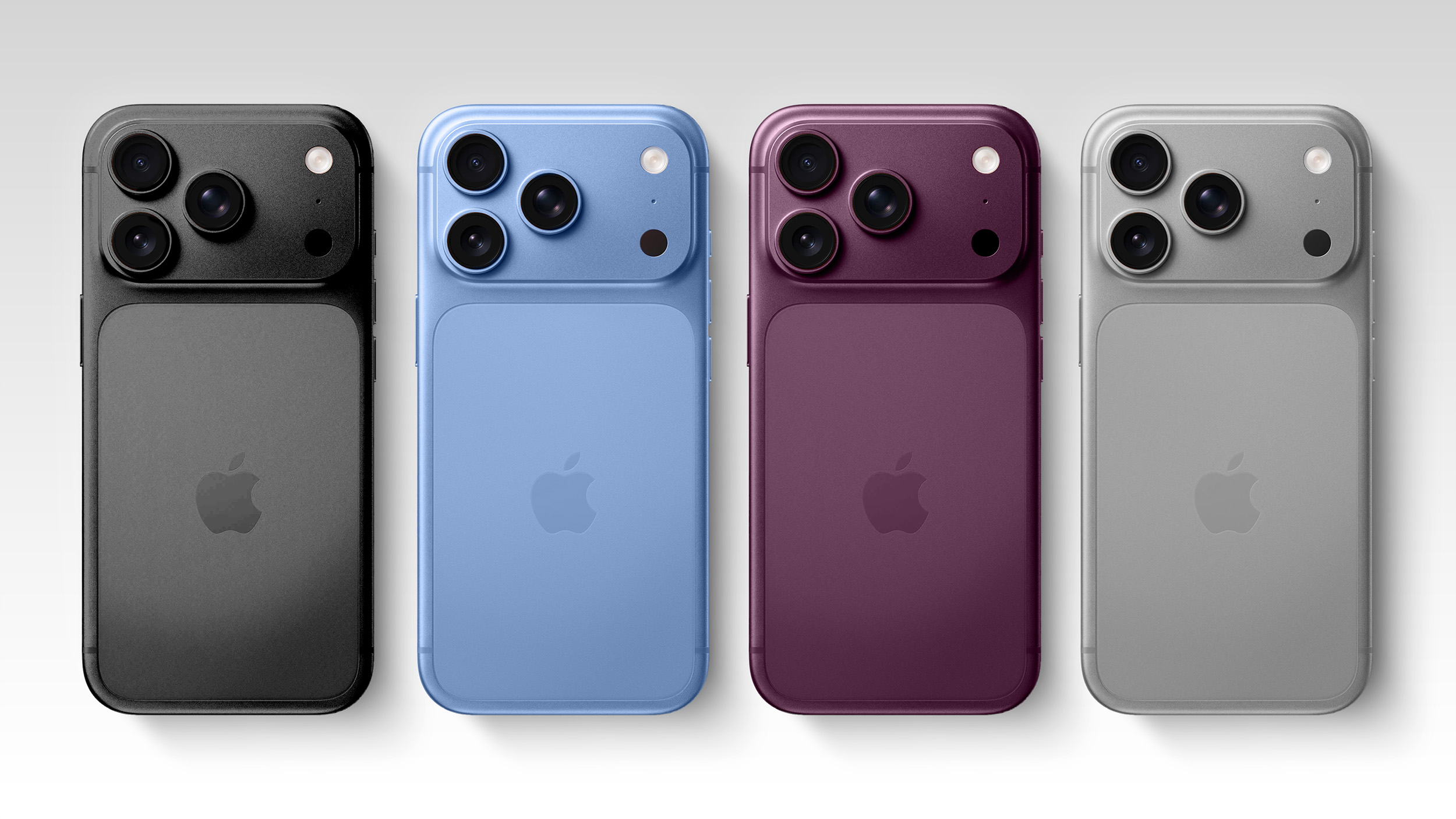
The anodized aluminum finish on the iPhone 17 Pro was initially praised for its sleek appearance and lightweight properties, contributing to a premium feel. However, according to the well-known Weibo leaker "Fixed Focus Digital," surface chipping on the iPhone 17 Pro has become a prevalent issue among users. These reports indicate that the anodization layer, which provides color and a protective coating to the aluminum, is susceptible to chipping, even from relatively minor impacts or everyday wear. Users who have contacted Apple support for recourse regarding this issue have reportedly been told that the company does not consider it a defect covered under warranty. Instead, Apple has classified the chipping as an inherent characteristic of the aluminum alloy material and normal wear and tear. This stance has naturally frustrated some customers who expect higher durability from a premium smartphone. Despite these concerns, "Fixed Focus Digital" crucially added that the iPhone 18 Pro will "continue to utilize this same design approach" despite its weaknesses. This suggests Apple might be prioritizing other design or manufacturing advantages of the aluminum finish, or perhaps believes the issue is not widespread enough to warrant a complete material overhaul for the next generation.
Separately, a fresh leak of a CAD (Computer-Aided Design) render for the iPhone 18 Pro provides additional insights into its potential design. This render lends strong support to persistent rumors of a "smaller Dynamic Island." The Dynamic Island, introduced with the iPhone 16 Pro, replaced the traditional notch and cleverly integrates alerts, activities, and notifications into a pill-shaped cutout at the top of the display. While innovative, its size has been a point of discussion. A smaller Dynamic Island would mean more usable screen real estate at the top of the display, enhancing the immersive viewing experience for users. This change, if implemented, would be a welcome refinement, demonstrating Apple's continuous efforts to optimize screen-to-body ratios and improve overall user interface aesthetics. The combination of retaining the aluminum finish while potentially shrinking the Dynamic Island paints a picture of the iPhone 18 Pro as an iterative update, focusing on internal refinements and subtle design tweaks rather than a radical overhaul.
iPhone 18 Might Look a Lot More Like an 'e' Model, Leaker Claims
Intriguing new information from the prolific leaker known as "Fixed Focus Digital" suggests a significant shift in Apple's strategy for its mainstream iPhone models. According to the leaker, the standard iPhone 18 and the more budget-friendly iPhone 18e are rumored to share a considerable number of components. This component sharing is presented as further evidence that Apple is intentionally narrowing the gap in specifications and capabilities between these two devices, potentially leading to a less distinct hierarchy within its non-Pro iPhone lineup.
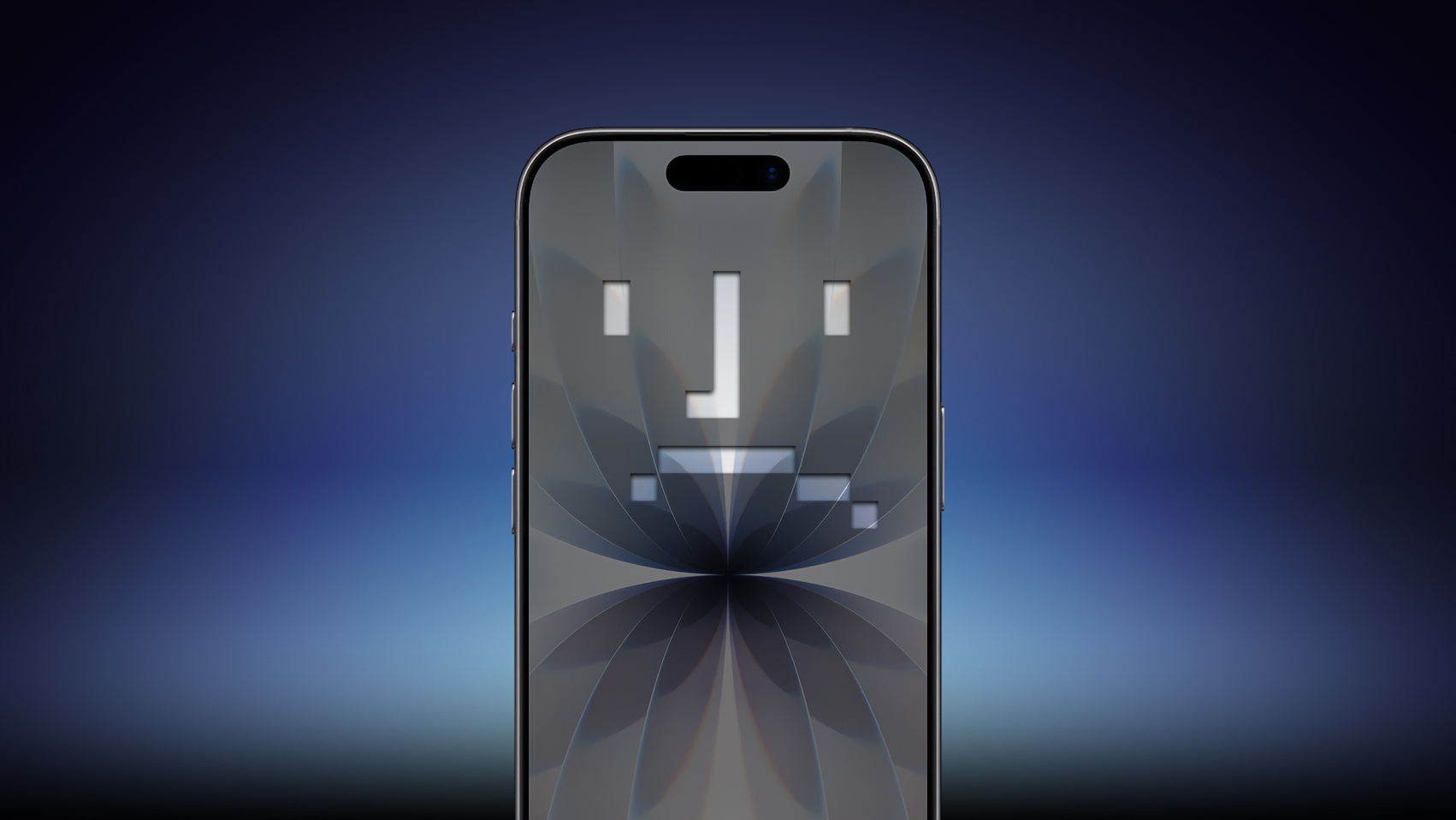
In a series of recent posts on the Chinese microblogging platform Weibo, Fixed Focus Digital detailed that certain key parts would be interchangeable between the standard iPhone 18 and the iPhone 18e. The leaker emphasized that this information originates from a highly reliable manufacturing source within Apple's supply chain, lending credibility to the claims. This component overlap is described as definitive confirmation that the "specification convergence" between the iPhone 18 and iPhone 18e is not just a rumor but a measurable reality at the production level. Such a strategy could allow Apple to streamline manufacturing processes, reduce costs associated with sourcing distinct components, and simplify inventory management across its lower-tier iPhone models. However, it also raises questions about how Apple intends to differentiate these models in the market and justify varying price points if their internal hardware becomes increasingly similar.
Perhaps the most startling claim from Fixed Focus Digital is regarding the standard iPhone 18 itself. The leaker asserted, "Take it from me: The standard iPhone 18 model has been downgraded and its launch delayed—this decision is final and will not change." The term "downgraded" could imply several things: it might mean the standard iPhone 18 will receive fewer new features than initially planned, or perhaps some expected performance improvements have been scaled back. It could also suggest a more significant reduction in capabilities, making it less distinct from the "e" model and pushing more advanced features exclusively to the "Pro" lineup. The added detail of a "delayed launch" for the standard iPhone 18 further complicates matters, potentially disrupting Apple's traditional release schedule and creating a longer wait for consumers interested in the non-Pro flagship. If these rumors hold true, this strategic decision to both downgrade and delay the standard iPhone 18, while increasing component commonality with the "e" model, signals a deliberate move by Apple. It could be an effort to push consumers towards the higher-margin Pro models, manage supply chain complexities more effectively, or simply adjust its product offerings to better fit evolving market demands and cost structures. Whatever the reason, it paints a picture of Apple making tough, calculated decisions about its future iPhone lineup.
MacRumors Newsletter: Your Weekly Dose of Apple News
Staying on top of all the fast-paced developments in the world of Apple can be a challenge. That's why, each week, we put together an insightful email newsletter designed to bring you the most important Apple stories directly to your inbox. Our newsletter serves as a concise, bite-sized recap of the week's key events, ensuring you're always informed about the major topics we've covered. We don't just list headlines; we carefully tie together related stories to give you a comprehensive, big-picture view of how different announcements and rumors connect and impact the broader Apple ecosystem.
So, if you appreciate having top stories like the detailed recap you've just read delivered conveniently to your email inbox every week, we invite you to take the next step. Don't miss out on vital updates, in-depth analysis, and all the exciting news from Apple. Subscribe to our newsletter today and become part of our informed community!
This article, "Top Stories: iOS 26.5 Coming Soon, Goodbye $599 Mac Mini, and More" first appeared on MacRumors.com
Discuss this article in our forums
from MacRumors
-via DynaSage

Post a Comment