s&box’s New Update Punishes AI Slop Content By Ranking It Lower To Discourage Users From ‘Making Everything Look Like The Same Sh*t’
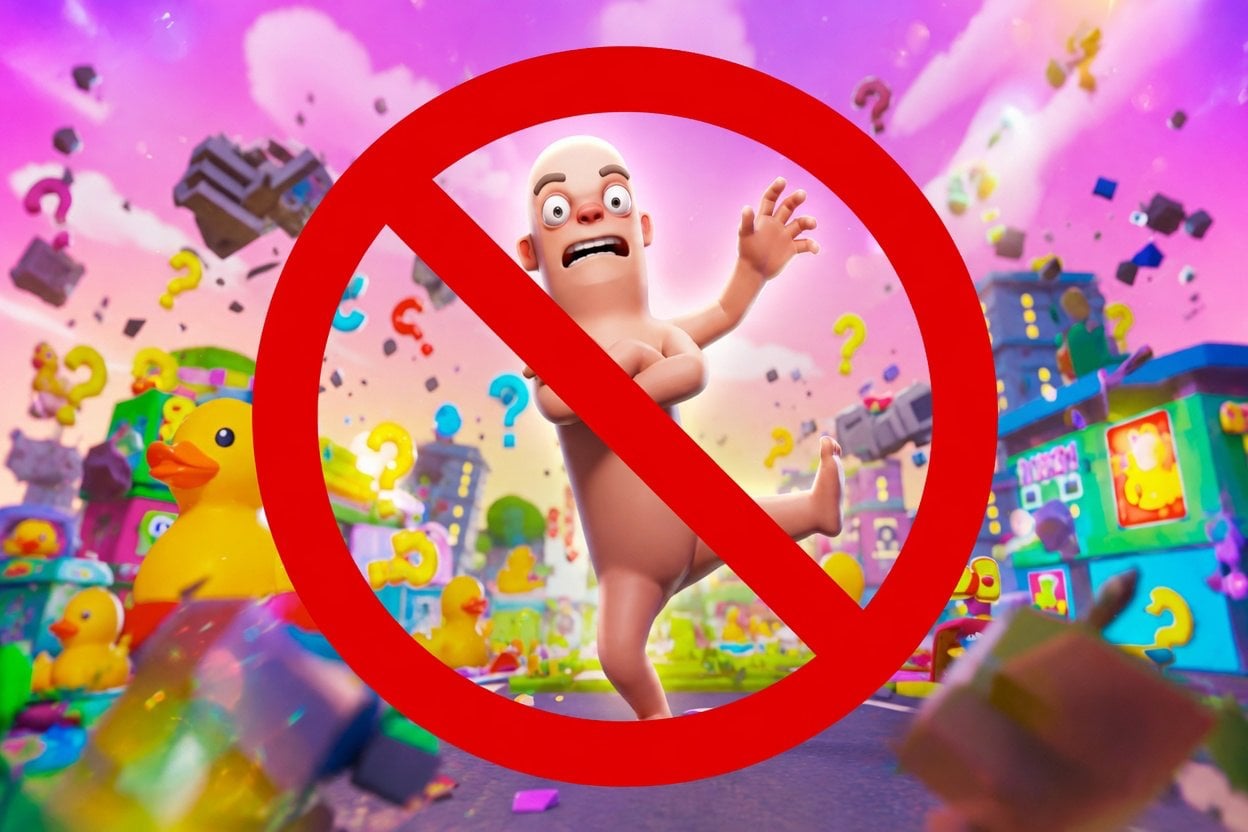
Combating the Rise of 'AI Slop' in s&box: Protecting Creativity and Quality
In the rapidly evolving world of game development and user-generated content (UGC), artificial intelligence presents both incredible opportunities and significant challenges. While AI tools can empower creators to achieve new heights, they also introduce the potential for a new kind of digital clutter: "AI Slop." This term refers to low-quality, generic, and often uninspired content churned out by AI models, threatening to overwhelm platforms designed for human creativity. The developers behind s&box, the highly anticipated successor to the iconic Garry's Mod, are acutely aware of this challenge and are taking proactive steps. They are implementing new tools specifically designed to "identify and discourage the AI Slop" that has begun to "litter the game's discovery tab." This move signals a crucial commitment to maintaining the quality and integrity of their creative ecosystem, ensuring that genuine human ingenuity remains at the forefront.
This initiative isn't just about cleaning up a digital space; it's about safeguarding the very essence of what makes games like s&box special: the vibrant, diverse, and often surprising content created by its community. As AI becomes more sophisticated and accessible, the line between AI-assisted creation and pure AI generation blurs, making it harder to distinguish between valuable contributions and digital noise. Understanding what "AI Slop" truly entails, why it poses such a threat, and how platforms like s&box are planning to combat it, is essential for anyone interested in the future of user-generated content and online creativity.
What is s&box? A Canvas for Community Creativity
Before diving deeper into the problem of AI Slop, it's important to understand the platform at the heart of this discussion: s&box. Developed by Facepunch Studios, the same brilliant minds behind Garry's Mod and Rust, s&box is envisioned as a next-generation sandbox game. Garry's Mod, for those unfamiliar, is a legendary physics sandbox that empowered millions of players to create virtually anything they could imagine – from intricate contraptions and custom game modes to hilarious skits and stunning artworks. It wasn't just a game; it was a platform for creativity, a digital playground where the community drove the experience.
s&box aims to carry this torch, offering a more modern, robust, and accessible framework for user-generated content. Built on the powerful Source 2 engine, it provides developers and players with advanced tools, better graphics, and seamless multiplayer capabilities. The core idea remains the same: give players the tools, and they will build worlds. From custom maps and unique weapons to entirely new game modes and immersive role-playing environments, s&box is designed to be an endless wellspring of community-driven innovation. This makes its "discovery tab" incredibly important. This tab acts as the main portal where players browse, find, and subscribe to the myriad of creations uploaded by others. It's the central marketplace of ideas, the gallery for digital art, and the storefront for new experiences. For s&box to thrive, this discovery tab must be a curated, inspiring space, not a chaotic mess.
The success of s&box, much like its predecessor, hinges entirely on the quality and diversity of the content its community produces. If the discovery tab becomes polluted with low-effort, AI-generated junk, it directly undermines the platform's value proposition. It discourages genuine creators, frustrates players looking for quality experiences, and ultimately threatens the vibrant ecosystem that Facepunch Studios is trying to build. This is why the fight against "AI Slop" is not merely a technical challenge but a foundational effort to preserve the soul of s&box.
The Unseen Threat: What Exactly is "AI Slop"?
The term "AI Slop" might sound informal, but it describes a very real and growing problem in digital content spaces. Simply put, AI Slop refers to content that is primarily generated by artificial intelligence tools with minimal human input or artistic intent, resulting in low quality, generic, unoriginal, or even nonsensical output. It's not about AI as a helpful tool for human creators, but rather AI being used to flood platforms with vast quantities of mediocre or bad content that lacks soul, creativity, or purpose.
Let's consider what "AI Slop" might look like in the context of a game like s&box:
- Generic 3D Models and Assets: Imagine a developer needing a barrel or a tree for their custom map. Instead of modeling it themselves or finding a human-made asset, they might use an AI generator to quickly churn out dozens of variations. The result could be visually bland models, poorly optimized meshes, or objects that just don't quite fit the aesthetic of a human-designed world. They lack character, detail, and often proper functionality.
- Repetitive Textures: AI can easily generate countless textures – wood grains, brick patterns, alien skin. While some might be useful, "slop" textures often appear flat, repetitive, devoid of artistic flair, or even visually noisy. They might fail to seamlessly tile or lack the subtle imperfections that make human-designed textures feel natural and engaging.
- Uninspired Audio (Music & Sound Effects): AI can compose music or generate sound effects. AI Slop in this domain would manifest as bland, generic background music that sounds like every other royalty-free track, or repetitive sound effects that lack punch, uniqueness, or contextual relevance. These might be produced in bulk, filling up libraries with indistinguishable sounds that add little to the game experience.
- Simple, Unoptimized Scripts or Code Snippets: While AI can write code, "slop" might include overly verbose scripts, inefficient algorithms, or functionally broken code generated without a deep understanding of the game's engine or programming best practices. Such code can introduce bugs, performance issues, or security vulnerabilities into custom game modes or tools.
- Disjointed Map Layouts or Environment Designs: An AI could generate a vast city plan or a sprawling forest. However, "slop" in this area would lead to environments that feel procedurally bland, lack thoughtful level design, have nonsensical structures, or simply don't offer an engaging experience for players. They might be technically massive but functionally empty.
The key differentiator between valuable AI-assisted creation and "AI Slop" is human intent and quality control. When AI is used as a tool to enhance a human's vision – helping with prototyping, generating variations, or speeding up tedious tasks – it can be incredibly beneficial. However, when AI is used to bypass human effort and flood a platform with low-quality, mass-produced content, it becomes "slop." This type of content often lacks the creativity, context, polish, and purpose that human creators naturally imbue into their work. It's about quantity over quality, often at the expense of originality and genuine artistic expression. You can learn more about defining this issue by searching for terms like "AI-generated content quality issues".
Why AI Slop is a Major Problem for User-Generated Content Platforms
The influx of AI Slop poses a multifaceted threat to UGC platforms like s&box. Its potential to undermine the entire ecosystem is substantial, impacting everyone from developers and creators to the players themselves. Understanding these impacts highlights the urgency of Facepunch's efforts.
1. Drowning Out Genuine Creativity
The most immediate and visible problem is that AI Slop can quickly overwhelm a platform's discovery mechanisms. Imagine the s&box discovery tab, designed to showcase the best new maps, game modes, and assets. If this tab is flooded with thousands of AI-generated, mediocre items every day, genuine human creations – which take considerable time, skill, and effort to produce – get buried. A player searching for something truly innovative or well-crafted will struggle to find it amidst a sea of generic content, making the discovery process frustrating and unrewarding.
2. Disincentivizing Human Creators
Why would a dedicated developer spend weeks or months crafting a detailed map, designing unique character models, or writing complex game logic, only to see their work compete with hundreds of AI-generated assets that took minutes to produce? The sheer volume of AI Slop can be deeply discouraging for human creators. It devalues their time, effort, and artistic vision. This can lead to a decline in high-quality, human-made content, as creators leave platforms where their work isn't properly appreciated or even visible.
3. Degrading User Experience
Players come to s&box to find engaging, fun, and creative experiences. If their exploration consistently leads them to low-quality, bland, or broken AI-generated content, their overall experience will suffer. This frustration can lead to decreased engagement, less time spent on the platform, and eventually, a decline in the player base. A game known for a flood of "slop" will struggle to retain its community and attract new users.
4. Ethical and Intellectual Property Concerns
The ethical implications of AI-generated content are complex. Many AI models are trained on vast datasets of existing human-created works, often without explicit permission or compensation to the original artists. When AI then generates content based on this scraped data, questions of intellectual property, copyright infringement, and fair use arise. If AI Slop incorporates elements derived from copyrighted material, it could expose the platform and its users to legal risks. Furthermore, the very act of generating content without human originality raises philosophical questions about the nature of art and creation in the digital age. You can explore ethical concerns about AI here.
5. Reputation Damage
A platform that fails to manage the influx of low-quality AI content risks damaging its reputation. s&box, with its legacy from Garry's Mod, has a strong reputation for fostering creativity and community. Allowing AI Slop to proliferate unchallenged would tarnish this image, making the platform seem less professional, less innovative, and ultimately, less appealing to both creators and players.
6. Technical and Performance Issues
AI-generated content, especially when created without human oversight, can often be unoptimized or poorly designed. For instance, AI-generated 3D models might have excessively high polygon counts or inefficient textures, leading to performance issues within the game. Poorly written AI code could introduce bugs or security vulnerabilities. A platform choked with such technically inferior content can suffer from stability problems and slower loading times, further impacting the user experience.
These issues paint a clear picture of why tackling AI Slop is not just a desirable goal but a critical necessity for the long-term health and success of s&box. Facepunch Studios' decision to invest in tools to combat this problem demonstrates a forward-thinking approach to preserving the quality and integrity of their platform.
s&box's Proactive Stance: The New Tools to Fight Back
The announcement that s&box’s developers are building new tools to "identify and discourage the AI Slop" is a crucial step in ensuring the platform's future. This proactive approach shows an understanding of the evolving landscape of content creation and a commitment to protecting their community. But what might these tools look like, and how will they function to combat such a pervasive issue?
1. Advanced AI Detection Algorithms
The most direct way to combat AI Slop is to identify it. This will likely involve developing sophisticated AI detection algorithms capable of analyzing various forms of content – 3D models, textures, sound files, code, and even map layouts – for patterns indicative of machine generation. These algorithms could look for:
- Statistical Anomalies: AI-generated content often exhibits certain statistical regularities or predictable patterns that differ from human-created work.
- Metadata Analysis: Examining file metadata for clues about creation tools or processes.
- Feature Extraction: Identifying specific features or characteristics that are common in AI-generated output but less so in human work (e.g., repeating visual motifs, generic object shapes, lack of intentional asymmetry).
- Code Analysis: For scripts, AI detection might involve looking for common AI coding patterns, lack of comments, or inefficient structures that suggest a non-human origin.
This is a continuous arms race; as AI generation techniques improve, so too must detection methods. Regular updates and machine learning models will be essential to keep these detection tools effective.
2. Transparent Content Guidelines and Declaration Systems
Beyond automated detection, s&box could implement clearer guidelines regarding the use of AI in content creation. This might include:
- Mandatory Declaration: Requiring creators to explicitly state if and how AI was used in their submission. This promotes transparency and allows players to make informed choices. Content that uses AI as a significant component might be tagged accordingly.
- Quality Thresholds: Setting explicit quality standards that all content must meet, regardless of its origin. Content deemed "slop" (even if human-made) could be removed or demoted.
- Ethical Use Policies: Defining what constitutes acceptable and unacceptable use of AI, particularly concerning copyright and originality.
3. Enhanced Community Moderation and Reporting
The s&box community itself is a powerful asset. Empowering players and trusted moderators to report suspected AI Slop will be critical. This system could involve:
- Easy Reporting Tools: Simple and intuitive ways for users to flag content they believe is AI-generated and of low quality.
- Tiered Moderation: A system where reported content is reviewed by human moderators, potentially drawing on a dedicated team or highly trusted community members.
- Creator Vetting: For prolific creators, there might be a system of vetting or "trusted creator" status that gives their content more visibility, assuming they uphold quality standards.
4. Discovery Tab Filtering and Prioritization
Once AI Slop is identified, the next step is to discourage its proliferation and impact. This could involve:
- Visibility Penalties: Content identified as low-quality AI Slop could be deprioritized in the discovery tab, appearing much lower in search results or curated lists.
- Separate Categories/Filters: Potentially offering users filters to specifically hide or show AI-generated content, giving them control over their browsing experience.
- Highlighting Human-Made Content: Actively promoting and curating collections of high-quality, human-made content to ensure it gets the visibility it deserves. This incentivizes genuine creativity.
5. Educational Resources and Best Practices
Part of discouraging "slop" is educating creators on responsible AI use. s&box could provide:
- Guides: Showing how AI can be used effectively as an assistant without sacrificing originality or quality.
- Examples: Showcasing instances of AI-assisted creativity that meet high standards, alongside examples of what constitutes "slop."
Implementing these tools will be a complex and ongoing challenge. It requires a delicate balance: fostering an open environment for creation while actively curbing low-quality contributions. However, Facepunch's commitment to building these protections is a strong signal that they prioritize a healthy, vibrant, and high-quality creative ecosystem for s&box, ensuring that the platform remains a true testament to human ingenuity.
Beyond s&box: A Wider Industry Challenge
While s&box is taking a significant step in addressing AI Slop, it's crucial to recognize that this is not an isolated problem unique to Facepunch's platform. The rise of generative AI has created a seismic shift across nearly every digital content industry, and many platforms are grappling with similar issues. The strategies employed by s&box could very well serve as a blueprint or contribute to a broader understanding of how to manage this new era of content creation.
Consider other creative fields:
- Art Communities: Platforms like DeviantArt, ArtStation, and others have faced intense debates and controversies regarding AI art. Many artists feel that their livelihoods are threatened by AI models trained on their work without permission, and that these platforms are becoming inundated with generic AI images that lack the soul and effort of human art.
- Writing Platforms: With AI capable of generating articles, stories, and even poetry, online writing communities and content mills are seeing an increase in AI-generated text. This poses challenges for plagiarism detection, originality, and maintaining the quality of written content.
- Stock Asset Libraries: Websites offering stock photos, videos, music, and 3D models are increasingly populated by AI-generated assets. While some are high quality, many are generic, unoriginal, and threaten to devalue the work of human creators who rely on these platforms for income.
- Social Media and News: The spread of AI-generated text, images, and deepfakes poses significant challenges for disinformation, propaganda, and maintaining trust in online information. While not "slop" in the creative sense, it highlights the difficulty of distinguishing between human and machine output.
- Game Asset Stores: Similar to s&box, other marketplaces for game assets are seeing an influx of low-effort, AI-generated models, textures, and sound packs. This makes it harder for indie developers to find truly unique and high-quality assets, and diminishes the visibility of human artists.
The common thread across all these examples is the potential for AI to rapidly produce vast quantities of content, often at low cost and with minimal effort. Without robust detection, moderation, and policy frameworks, platforms risk becoming flooded with this "slop," leading to the problems outlined earlier: buried genuine creativity, demoralized human artists, and a degraded user experience. This global challenge necessitates an industry-wide conversation about ethical AI use, intellectual property rights in the age of generative models, and the responsibility of platform providers to protect their ecosystems.
s&box's efforts are therefore not just about their game; they are a microcosm of a much larger struggle to define the boundaries and responsibilities in a world where machines can create. Their success or failure in managing AI Slop will offer valuable lessons and precedents for countless other platforms and creative communities navigating this complex new frontier. It underscores the urgent need for innovation in content moderation and a commitment to preserving the value of human originality in the digital age.
The Future of Creativity in a Changing Landscape
The conversation around AI and creativity is often framed as an "us vs. them" scenario, pitting human artists against intelligent machines. However, the efforts by s&box and other forward-thinking platforms suggest a more nuanced future: one where AI can serve as a powerful assistant to human creativity, rather than a replacement or a source of digital pollution. The goal isn't to ban AI outright, but to establish clear boundaries and quality controls that differentiate between valuable AI-assisted contributions and detrimental "AI Slop."
In this future, human ingenuity will remain paramount. The unique spark of human creativity – our ability to tell compelling stories, evoke emotions, solve complex design problems with elegance, and infuse our work with personality and intent – cannot be replicated by current AI models. What AI can do is handle repetitive tasks, generate endless variations for inspiration, or help prototype ideas at lightning speed. When used responsibly, AI can free up human creators to focus on the higher-level conceptual and artistic aspects of their work, potentially accelerating innovation and pushing creative boundaries in exciting new ways.
s&box's stance is about ensuring that its platform remains a sanctuary for this kind of elevated human creativity. By actively identifying and discouraging AI Slop, they are sending a clear message: quality, originality, and human effort will be valued and given visibility. This commitment fosters an environment where genuine creators feel motivated to invest their time and talent, knowing their work won't be overshadowed by an endless stream of generic, machine-generated content.
The tools being developed are not just censorship mechanisms; they are protective measures designed to cultivate a healthy digital garden where creative ideas can flourish without being choked by weeds. This approach will likely encourage creators to think critically about how they integrate AI into their workflow, prompting them to use it as an enhancement rather than a shortcut to quantity over quality. The future of creativity in s&box, and potentially across the broader UGC landscape, will be defined by this ongoing dance between technological advancement and the unwavering importance of the human touch.
Conclusion: A Brighter Future for s&box's Creative Community
The emergence of "AI Slop" is a defining challenge for modern user-generated content platforms, threatening to dilute quality and stifle genuine creativity. However, Facepunch Studios, the visionary team behind s&box, is not shying away from this challenge. By developing and implementing new tools to "identify and discourage the AI Slop" currently littering the game's discovery tab, they are taking a courageous and necessary stand.
This proactive approach reflects a deep understanding of what makes a UGC platform truly successful: a vibrant, engaged community empowered by high-quality, original content. By ensuring that the discovery tab highlights genuine human creations and minimizes the visibility of generic, low-effort AI output, s&box is safeguarding its future as a premier destination for creative expression. This commitment protects the hard work of its creators, enhances the experience for its players, and reinforces the platform's reputation for fostering innovation.
The fight against AI Slop is an ongoing one, requiring constant adaptation and collaboration between developers, creators, and the community. As AI technology evolves, so too will the methods to both generate and detect this type of content. Nevertheless, s&box's initiative marks a critical step towards building a sustainable and ethical ecosystem where technology serves human ingenuity, rather than overshadowing it. The future of s&box looks brighter for it, promising a space where creativity, quality, and community continue to thrive at the forefront.
from Kotaku
-via DynaSage

Post a Comment