Psychonauts Maker Double Fine Just Became The 14th Gaming Team To Unionize At Microsoft
Developers Take a Stand: Understanding the Push for Unionization and Voluntary Recognition in the Tech Industry
In a significant move that highlights a growing trend across the tech and gaming sectors, a group of developers has taken a bold step towards improving their working lives. They have officially filed a petition with the National Labor Relations Board (NLRB) and, at the same time, requested their employer to voluntarily recognize their union. This action is more than just paperwork; it represents a powerful desire among employees to have a stronger voice in their workplaces, secure better conditions, and ensure fair treatment. As industries like video game development continue to grow and evolve, so does the conversation around the rights and representation of the people who build these digital worlds.
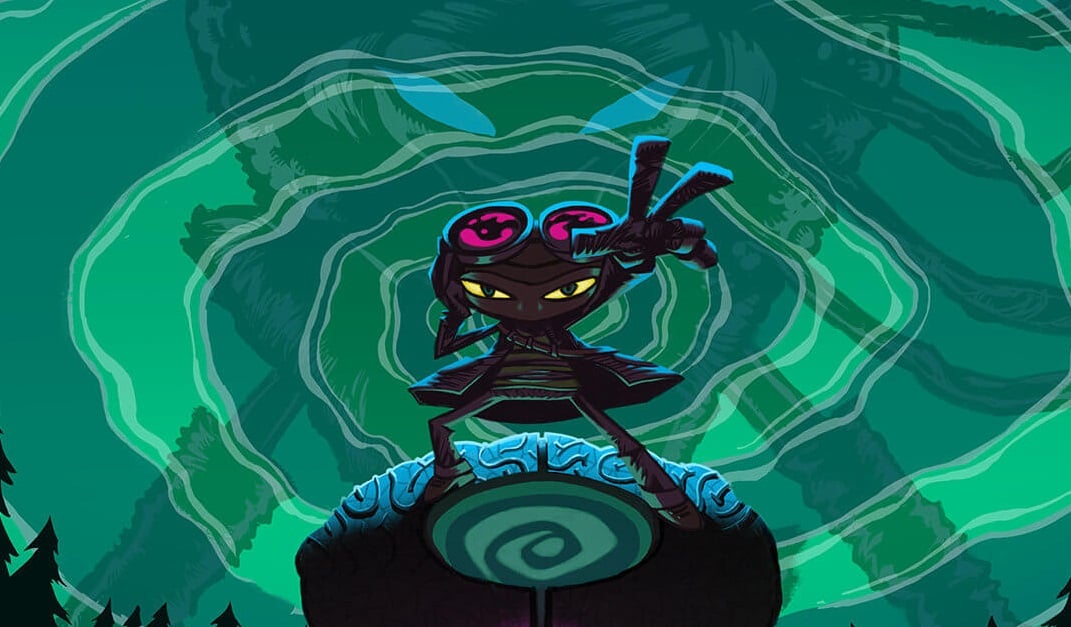
For many, the image of a game character like the one shown above brings joy and entertainment. But behind every pixel and every line of code are dedicated individuals who often face intense pressure, long hours, and job insecurity. This recent filing by developers isn't an isolated incident; it's part of a larger movement where workers in traditionally non-unionized fields are seeking collective power. Understanding what this petition means, what the NLRB does, and why "voluntary recognition" is so important can shed light on the future of labor relations in the tech world.
What Exactly Happened? The Core of the Developers' Action
The core of the recent news is straightforward: developers are looking to form a union. To do this, they used a two-pronged approach. First, they submitted a formal document, known as a petition, to the National Labor Relations Board (NLRB). This petition is typically the first step in asking the NLRB to oversee an election where employees can vote on whether to form a union.
Simultaneously, these developers approached their employer with a request for "voluntary recognition." This means they asked the company to simply agree to acknowledge their union as the official bargaining representative for the workers, without the need for a formal NLRB election. This dual strategy is common and shows a strong resolve. It essentially tells the employer, "We have enough support to form a union, and we prefer to do this collaboratively. If not, we are prepared to go through the official government process." This move signals a significant shift in the power dynamic, as employees proactively seek to negotiate their terms of employment collectively rather than individually.
The push for voluntary recognition is often seen as the faster and less confrontational route to unionization. When an employer agrees, it means they have reviewed evidence of majority support among employees (like signed union cards) and decided to respect their workers' wishes to organize. If the employer declines, the NLRB petition becomes crucial, setting the stage for a democratic secret-ballot election. Either way, the goal is the same: to establish a collective voice for the developers, giving them a seat at the table to discuss wages, benefits, working conditions, and job security.
Understanding the National Labor Relations Board (NLRB)
For those unfamiliar with the complexities of labor law, the National Labor Relations Board (NLRB) might seem like a distant government agency. However, it plays a vital role in protecting the rights of most private-sector employees in the United States to organize, bargain collectively, and engage in other protected concerted activities. Established by the National Labor Relations Act (NLRA) in 1935, often called the Wagner Act, the NLRB acts as an independent federal agency.
The primary mission of the NLRB is to prevent and remedy unfair labor practices committed by both employers and unions. It also conducts secret-ballot elections to determine whether employees wish to be represented by a union. When a group of workers, like these developers, files a petition, they are essentially asking the NLRB to step in and facilitate this democratic process. The NLRB ensures that these elections are fair and free from intimidation or coercion from either the employer or the union organizers. They set the rules for campaigning, determine which employees are eligible to vote, and count the ballots.
Beyond elections, the NLRB also investigates charges of unfair labor practices. For example, if an employer fires or harasses an employee for trying to organize a union, or if a union attempts to coerce workers into joining, the NLRB has the power to investigate and issue remedies. These remedies can range from ordering reinstatement of a fired employee with back pay to requiring a company to negotiate with a union. Essentially, the NLRB serves as the referee of labor relations, ensuring that the rules are followed and that employees' fundamental rights to organize are upheld. Its involvement in the developers' case underscores the serious and legal nature of their efforts to unionize.
The Path to Unionization: Voluntary Recognition vs. NLRB Election
When workers decide to form a union, there are generally two main pathways to achieving official recognition as a bargaining unit: voluntary recognition by the employer or an election overseen by the NLRB. Both routes aim for the same outcome – establishing a union – but they differ significantly in process, timing, and potential for conflict.
Voluntary Recognition: A Direct Approach
Voluntary recognition occurs when an employer agrees to recognize a union as the bargaining representative for its employees without the need for an official government-run election. This typically happens after union organizers demonstrate to the employer that a majority of employees in a proposed bargaining unit have signed union authorization cards, indicating their desire to be represented by a union. Employers might agree to voluntary recognition for several reasons: they may wish to avoid a potentially contentious election campaign, maintain good relationships with their employees, or simply acknowledge the clear will of their workforce.
From the workers' perspective, voluntary recognition is often the preferred method because it can be faster and less disruptive. It bypasses the often-long and sometimes adversarial process of an NLRB election, allowing the union and the employer to move more quickly to the collective bargaining phase. It also signals a more cooperative initial relationship between the employer and the newly formed union, which can be beneficial for future negotiations. However, employers are not legally obligated to grant voluntary recognition, even if a majority of employees have signed cards.
NLRB Election: The Official Process
If an employer declines a request for voluntary recognition, or if workers choose this route from the outset, the process shifts to an NLRB-supervised election. This is where the developers' petition to the NLRB becomes crucial. The steps generally involve:
- Filing a Petition: Workers or a union file a petition with the NLRB, demonstrating that at least 30% of employees in the proposed bargaining unit support the union (usually through signed authorization cards).
- Investigation and Hearing: The NLRB investigates to ensure the petition is valid, determines the appropriate bargaining unit (which employees will be included), and schedules a hearing if there are disagreements between the employer and the union.
- Election Campaign: Both the employer and the union are allowed to campaign, sharing their perspectives on union representation. The NLRB supervises this period to ensure fair labor practices.
- Secret-Ballot Election: Employees cast secret ballots at a designated time and place (or sometimes by mail). The NLRB conducts the election and counts the votes.
- Certification: If the majority of votes are for the union, the NLRB certifies the union as the official bargaining representative. If the majority votes against the union, the petition is dismissed.
While the NLRB election process can be longer and may involve more back-and-forth, it provides a legally protected and impartial framework for employees to make their choice. The developers' decision to pursue both voluntary recognition and file an NLRB petition demonstrates their commitment to unionization, regardless of the employer's initial response.
Why Developers Are Organizing: Addressing Industry Challenges
The surge in unionization efforts within the tech and gaming industries isn't a random occurrence; it's a direct response to a unique set of challenges and working conditions that have become increasingly prevalent. Developers, often passionate about their craft, are now realizing that their individual passion alone isn't enough to ensure fair treatment, stable careers, or a healthy work-life balance. Their organizing efforts stem from a desire to address these systemic issues collectively.
Tackling "Crunch Culture"
Perhaps one of the most widely recognized problems, especially in game development, is "crunch culture." This refers to periods of intense, often mandatory, overtime, sometimes extending to 60-80 hour weeks, leading up to a project deadline or release. While some argue it's a necessary evil for creative projects, the reality for many developers is burnout, mental health issues, strained personal lives, and little to no additional compensation for these extra hours. Unionization seeks to establish reasonable working hours, fair overtime policies, and mechanisms to push back against unsustainable production schedules.
Job Insecurity and Layoffs
Despite the perception of a booming tech industry, job security can be surprisingly precarious. The sector is prone to boom-and-bust cycles, with major layoffs often following periods of rapid expansion. Developers, even highly skilled ones, can find themselves suddenly without work due to project cancellations, company restructuring, or economic downturns. A union can negotiate for stronger layoff protections, severance packages, and processes that ensure fairness and transparency when difficult decisions are made, giving workers a greater sense of stability.
Fair Compensation and Benefits
While many tech workers receive competitive salaries, there are often discrepancies and a lack of transparency in compensation. Questions arise about whether pay keeps pace with company profits, the cost of living, or the value of their contributions. Additionally, benefits, especially for contractors or lower-tier employees, might not be as robust. Unions aim to negotiate for equitable pay scales, regular raises, comprehensive health benefits, retirement plans, and other perks that ensure developers are adequately rewarded for their expertise and hard work.
A Voice in Decision-Making
Developers often feel disconnected from the high-level decisions that directly impact their work and their futures. Whether it's unrealistic deadlines, changes in project scope, or company-wide policies, employees frequently feel unheard. A union provides a formal mechanism for employees to collectively voice their concerns, negotiate for better terms, and have a say in their working environment. This collective voice can lead to more collaborative workplaces and better outcomes for both employees and the company.
Diversity, Equity, and Inclusion
Many unionization efforts also highlight the importance of diversity, equity, and inclusion (DEI) within the workplace. Unions can negotiate for policies that promote fair hiring practices, address pay gaps, combat discrimination, and create a more inclusive culture. By having a collective bargaining agreement, these important social issues can be formally addressed and enforced, going beyond mere company promises.
In essence, developers are organizing because they understand that individual efforts to change these systemic issues often fall short. By coming together, they aim to create a more sustainable, equitable, and respectful working environment for everyone in the industry.
The Rise of Tech & Gaming Unionization: A Broader Trend
While unions have historically been strong in manufacturing, transportation, and public services, the idea of tech workers and game developers unionizing is a relatively new, yet rapidly growing, phenomenon. For decades, the tech industry, in particular, fostered a culture that often viewed unions as unnecessary or even detrimental to innovation and a "start-up" ethos. However, recent years have seen a significant shift, signaling a broader trend where white-collar and creative professionals are increasingly embracing collective action.
A Shift in Industry Perception
Early tech companies often prided themselves on offering perks, high salaries, and a casual work environment that was supposed to make unions irrelevant. The narrative was that individual talent and ambition were enough to thrive. However, as the industry matured, many of these "perks" became less about employee empowerment and more about retaining talent while demanding long hours. The illusion of constant upward mobility and individual bargaining power began to wane, especially for those in less glamorous roles or in companies that grew beyond their "start-up" roots.
The Impact of "Big Tech"
As tech companies grew into multi-billion dollar corporations, the personal connection between employees and leadership diminished. Decisions impacting thousands of workers were made from the top down, often with little input from the ground level. This corporate scale, coupled with high-profile layoffs and intense competition, started to erode the trust and loyalty that once characterized employee-employer relationships in the sector. Workers began to realize that their individual voices were easily drowned out by the corporate machine.
Influences from the Gaming Industry
The gaming industry, closely related to general tech, has its own unique pressures, most notably the intense "crunch culture" discussed earlier. High-profile reports and exposés on brutal working conditions, alongside highly profitable game releases, highlighted a significant disconnect between worker sacrifice and company success. This industry has seen some of the earliest and most vocal unionization efforts, with groups like Game Workers Unite playing a crucial role in raising awareness and fostering organizing.
Inspiration from Other Sectors and Global Movements
The rise of worker activism in other industries, such as fast food and retail, also provides inspiration. Furthermore, a global increase in awareness about worker rights and the benefits of collective bargaining has permeated the tech and creative sectors. Employees are more informed about their rights and are less hesitant to challenge the status quo, especially when they see colleagues in similar situations succeeding in their organizing efforts.
Economic Pressures and Layoffs
Recent years have seen a significant wave of layoffs across the tech industry, affecting tens of thousands of skilled professionals. This has undeniably been a catalyst for unionization efforts. When job security feels uncertain, and decisions impacting livelihoods are made without transparency or consultation, workers naturally seek mechanisms to protect themselves. Unions offer a framework to negotiate for better severance, clear layoff procedures, and a stronger voice in company strategic decisions that could lead to job cuts.
This growing movement signifies a maturation of these industries, where employees are realizing that their innovative contributions deserve not just good compensation, but also fair treatment, respect, and a sustainable career path. The current efforts by these developers are a clear reflection of this broader, powerful trend.
What This Means for the Industry: A Look at Potential Impacts
The growing movement towards unionization in the tech and gaming industries, exemplified by these developers' actions, carries significant implications for everyone involved: the workers themselves, the companies they work for, and the industry at large. These changes could reshape how businesses operate, how talent is managed, and how creative projects come to life.
For Developers: Empowered and Protected
For the developers, a successful unionization effort means a direct path to collective bargaining. This is the process where the union, representing the employees, negotiates with the employer over wages, hours, and other terms and conditions of employment. The benefits can be transformative:
- Improved Wages and Benefits: Collective bargaining often leads to better pay scales, more comprehensive health insurance, retirement plans, and other benefits that might be harder to secure individually.
- Enhanced Job Security: Unions can negotiate for clear policies on layoffs, promotions, and disciplinary actions, providing a formal grievance process and reducing arbitrary decisions.
- Better Work-Life Balance: Addressing "crunch culture" through negotiated limits on working hours, fair overtime pay, and sufficient rest periods can significantly improve mental health and overall well-being.
- A Collective Voice: Employees gain a unified platform to voice concerns about working conditions, project management, and company policies, ensuring their perspectives are heard at the highest levels.
- Fairness and Transparency: Union contracts typically include provisions that promote fairness, prevent discrimination, and ensure transparency in workplace decisions.
Ultimately, unionization can lead to a more dignified and sustainable career path for developers, allowing them to focus on their craft without constant worry about exploitation or instability.
For Companies: Adapting to a New Landscape
For companies, the rise of unions presents both challenges and opportunities. Initially, some employers may view unionization with apprehension, fearing increased costs, loss of flexibility, or potential disruptions. However, successful adaptation to a unionized workforce can lead to unforeseen benefits:
- Structured Communication: A union provides a formal channel for communication between employees and management, potentially streamlining conflict resolution and feedback processes.
- Reduced Turnover: Happier, more secure employees are less likely to leave, leading to lower recruitment and training costs.
- Improved Morale and Productivity: When workers feel respected and valued, morale often improves, which can translate into higher quality work and increased productivity.
- Clearer Expectations: A collective bargaining agreement sets clear terms and conditions, which can help avoid misunderstandings and create a more predictable work environment.
- Industry Leadership: Companies that proactively engage with unionization efforts and foster positive labor relations can build a reputation as ethical employers, attracting top talent.
While the negotiation process requires effort, it can ultimately lead to a more stable and engaged workforce, which is crucial for long-term success in fast-paced industries.
For the Wider Industry: Setting New Standards
The impact of these individual unionization efforts extends beyond single companies; they contribute to setting new precedents and standards for the entire tech and gaming industries. As more workplaces unionize, it creates pressure on non-unionized companies to improve their own conditions to remain competitive in attracting and retaining talent. This can lead to:
- Industry-Wide Best Practices: Union contracts can influence the adoption of better working hours, compensation models, and job security measures across the sector.
- Greater Professionalism: Formalizing labor relations can elevate the professionalism of the industry, moving away from "start-up" mentalities that sometimes relied on employee passion over fair treatment.
- Sustainable Growth: By addressing issues like burnout and job insecurity, the industry can foster a more sustainable environment for its workforce, ensuring that talented individuals can have long and healthy careers.
The actions of these developers are not just about their own workplace; they are a part of a larger conversation that is redefining what it means to be a worker in the modern tech economy.
Conclusion: Looking Ahead
The decision by developers to file a petition with the NLRB and seek voluntary recognition is a powerful testament to the evolving landscape of labor relations in the tech and gaming industries. It underscores a fundamental desire among employees to have a legitimate voice, secure fair working conditions, and gain greater stability in their careers. This isn't just a fleeting moment; it represents a growing movement where skilled professionals are realizing the strength of collective action.
Whether this specific group of developers achieves voluntary recognition or proceeds through an NLRB-supervised election, their efforts contribute to a larger dialogue. They highlight the ongoing challenges within these dynamic sectors, from the demands of "crunch culture" to concerns over job security and equitable compensation. The future of the tech and gaming industries will likely involve a more structured approach to employee-employer relations, with collective bargaining playing an increasingly important role.
As we watch these developments unfold, it's clear that the pursuit of a more equitable and sustainable work environment is gaining momentum. The actions of these developers serve as a significant reminder that behind every innovative product and captivating game are people striving for dignity, respect, and a fair share in the success they help create. This movement is not just about a few companies; it's about shaping the future of work for an entire generation of digital creators.
from Kotaku
-via DynaSage

Post a Comment