OpenAI's New Daybreak Platform Uses GPT-5.5 to Find Software Vulnerabilities
OpenAI Unveils Daybreak: A New Era in AI-Powered Cyber Defense to Safeguard Our Digital World
In a significant stride for global cybersecurity, OpenAI has officially launched Daybreak, a groundbreaking initiative designed to revolutionize how companies protect their digital assets. This launch marks OpenAI’s strategic entry into the rapidly evolving field of AI-driven cyber defense, directly responding to similar efforts from competitors like Anthropic's Project Glasswing and its Mythos AI model. Daybreak is more than just a new product; it represents a comprehensive commitment to fortifying the digital landscape, offering a powerful toolkit to help technology companies proactively identify and neutralize security vulnerabilities within their platforms.
In an increasingly interconnected world, where cyber threats are growing in sophistication and frequency, the need for advanced, intelligent defense mechanisms has never been more urgent. Daybreak emerges as a beacon of innovation, aiming to empower developers and security teams alike with state-of-the-art artificial intelligence to build inherently safer software from the ground up. This proactive approach is a paradigm shift from traditional security models, moving away from merely reacting to breaches towards embedding resilience into the very fabric of software development.
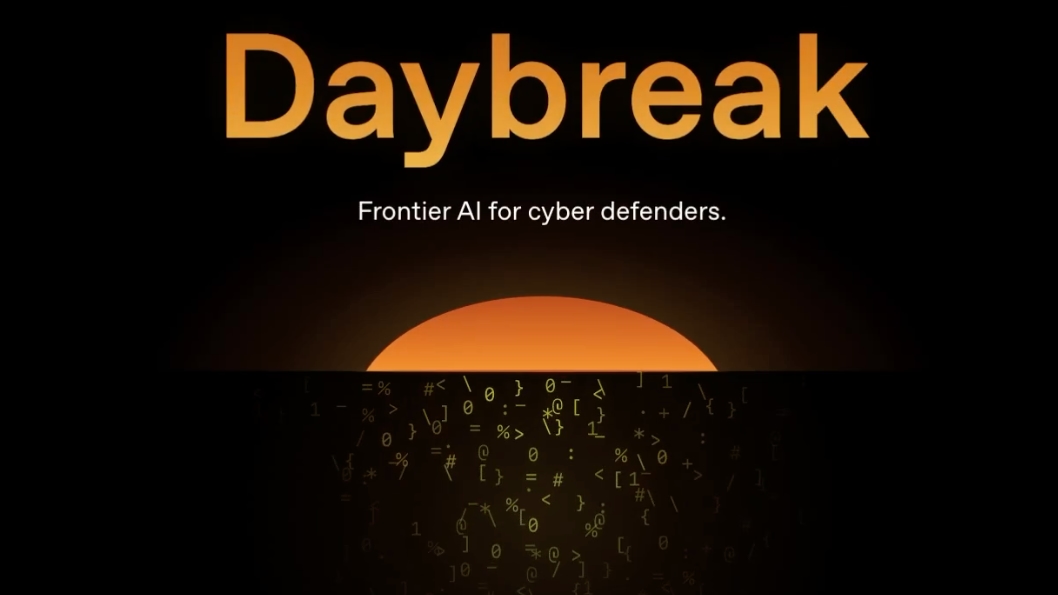
The Core Philosophy: Building Security In, Not Bolting It On
OpenAI’s vision for Daybreak is rooted in a fundamental principle: integrating cyber defense directly into the software development lifecycle from its inception. This approach, often referred to as "Shift Left" in the cybersecurity community, emphasizes moving security considerations earlier into the development process. Instead of conducting security audits or penetration tests only when a product is nearing completion or already deployed, Daybreak enables developers to continuously scan, evaluate, and secure their code as they write it.
This shift is critical. Traditionally, security was often an afterthought, leading to costly and time-consuming fixes later in the development cycle, or worse, vulnerabilities being exploited in live systems. By embedding security tools and processes from the start, Daybreak helps organizations avoid these pitfalls, reducing the attack surface, minimizing potential damage, and ultimately saving significant resources. Imagine building a house with a strong foundation and robust locks from day one, rather than trying to add them after the house is built and occupied – that's the essence of Daybreak's philosophy.
Daybreak’s capabilities are built upon OpenAI's advanced AI models, specifically leveraging the power of its recently launched GPT-5.4-Cyber. This specialized AI model has already demonstrated remarkable efficacy, with OpenAI reporting its contribution to fixing over 3,000 security vulnerabilities. This impressive track record underscores the practical and immediate impact that advanced AI can have on improving software security. The ability of an AI to analyze vast amounts of code, identify subtle weaknesses, and even suggest corrective actions at such a scale is truly transformative for the industry.
Diving Deeper into Daybreak's Capabilities: The Power of AI and Collaboration
OpenAI elaborates on the intricate architecture and collaborative spirit behind Daybreak:
Daybreak combines the intelligence of OpenAI models, the extensibility of Codex as an agentic harness, and our partners across the security flywheel to help make the world safer for everyone. Defenders can bring secure code review, threat modeling, patch validation, dependency risk analysis, detection, and remediation guidance into the everyday development loop so software becomes more resilient from the start.
Let's break down these powerful components:
The Intelligence of OpenAI Models: Beyond Simple Code Scans
At the heart of Daybreak are OpenAI's cutting-edge AI models. These models go far beyond traditional static code analysis tools that merely look for predefined patterns. OpenAI's models, especially the GPT series, possess a deep understanding of programming languages, logical flows, and potential misuse cases. They can analyze complex codebases, understand the context of various functions, and predict where vulnerabilities might emerge based on vast datasets of secure and insecure code patterns. This intelligence allows Daybreak to uncover more subtle and sophisticated vulnerabilities that might escape human review or simpler automated tools.
Codex as an Agentic Harness: Automating Security Tasks
The term "Codex as an agentic harness" refers to the integration of OpenAI's Codex technology – an AI system specifically trained on code – in a way that allows it to act as an intelligent agent. An "agentic harness" implies a framework where the AI can autonomously or semi-autonomously perform various security tasks, integrate with existing developer tools, and even suggest concrete solutions. Codex can interact with a company's software repositories, understand the codebase, and then execute security-related actions. This means security isn't just a separate process; it becomes an active, intelligent assistant embedded within the development workflow, offering real-time feedback and automation.
Partners Across the Security Flywheel: The Strength of Collaboration
OpenAI recognizes that cybersecurity is a collective challenge. "Partners across the security flywheel" refers to a collaborative ecosystem involving various industry leaders, security experts, and potentially government entities. This partnership approach ensures that Daybreak benefits from diverse perspectives, real-world threat intelligence, and specialized expertise. These collaborations help to refine the models, share best practices, and ensure that Daybreak's solutions are robust, comprehensive, and adaptable to the ever-changing threat landscape. This collective effort accelerates the development of more effective defenses, making the digital world safer for everyone involved.
Key Security Functions Integrated into the Development Loop:
- Secure Code Review: Daybreak automates and enhances the process of reviewing code for security flaws. While human code reviews are invaluable, they can be slow and prone to oversight. AI-powered review can quickly scan vast amounts of code, identify common and complex vulnerabilities, and provide suggestions for remediation, allowing human experts to focus on the most critical or intricate issues.
- Threat Modeling: This proactive security practice involves identifying potential threats and vulnerabilities to a system and then determining countermeasures. Daybreak can assist in building and maintaining an "editable threat model" by analyzing the software's architecture, dependencies, and intended functionality, helping developers anticipate how an attacker might try to exploit weaknesses.
- Patch Validation: After a security vulnerability is identified and a patch (a software update to fix the flaw) is developed, Daybreak can help validate if the patch effectively resolves the vulnerability without introducing new issues or breaking existing functionality. This ensures that security fixes are both effective and stable.
- Dependency Risk Analysis: Modern software often relies heavily on third-party libraries and components. These "dependencies" can introduce significant security risks if they contain vulnerabilities. Daybreak can analyze these dependencies, identify known weaknesses, and assess the overall risk they pose to the application, helping developers choose secure components and manage their supply chain risk.
- Detection and Remediation Guidance: Daybreak isn't just about finding problems; it's also about guiding developers to fix them. When a vulnerability is detected, the platform can provide clear, actionable remediation guidance, including suggested code changes or configuration adjustments, making it easier for developers to implement effective fixes quickly.
By weaving these critical security functions directly into the "everyday development loop," Daybreak ensures that security becomes an intrinsic part of the software creation process, leading to "software that becomes more resilient from the start." This seamless integration is what truly sets Daybreak apart, enabling a continuous and adaptive security posture for development teams.
A Vision for Universal Security: Sam Altman's Call to Action
OpenAI CEO Sam Altman has articulated a bold vision for Daybreak, stating that OpenAI would like to work with "as many companies as possible" to help them continuously secure their software against cyber threats. This statement underscores OpenAI's commitment not just to developing advanced AI but also to making these powerful tools widely accessible to bolster global digital defenses.
The emphasis on "continuously secure" is vital. The cyber threat landscape is not static; new vulnerabilities are discovered daily, and attack methods evolve constantly. A one-time security audit is no longer sufficient. Daybreak provides a mechanism for ongoing vigilance, allowing companies to adapt their defenses in real-time to emerging threats. This continuous security model is essential for maintaining trust, protecting sensitive data, and ensuring operational continuity in an increasingly hostile digital environment.
Altman's call for widespread adoption also highlights the competitive dynamics in the AI security space. Anthropic's Project Glasswing has already garnered significant traction, with leading tech giants like Apple, Microsoft, Google, and Amazon adopting its program. The participation of such high-profile companies in Glasswing demonstrates the critical need for AI-powered cyber defense even among organizations with vast internal security resources. This also sets a high bar for Daybreak, challenging OpenAI to deliver equally compelling and effective solutions to attract a similar caliber of clientele and beyond.
How Daybreak Works in Practice: From Repository to Remediation
Understanding the practical application of Daybreak sheds light on its innovative approach to cybersecurity. The platform is designed to be highly integrated and automated, making it a powerful ally for security teams and developers alike.
The process often begins with Daybreak utilizing Codex Security to analyze a company's software repository. A software repository is essentially where all the source code, version history, and related files for an application are stored (e.g., a Git repository). Codex Security, leveraging its deep understanding of code, can then construct an "editable threat model." This model isn't just a static document; it's an intelligent, dynamic representation of the software's architecture, its potential weaknesses, and the ways it might be attacked. The "editable" aspect is crucial, as it allows human security experts to review, refine, and provide context to the AI-generated model, ensuring accuracy and relevance.
Once the threat model is established, Daybreak moves into an automated monitoring phase. It continuously scans the codebase for "higher-risk vulnerabilities." This prioritization is key, as not all vulnerabilities are created equal. Daybreak's AI can assess the severity and exploitability of detected issues, alerting teams to the most critical threats first. This continuous monitoring ensures that as new code is committed or dependencies are updated, any new weaknesses are promptly identified.
A crucial feature of Daybreak is its ability to investigate issues in an "isolated environment." When a potential vulnerability is found, Daybreak can create a sandbox or a secure, separate virtual space where the suspicious code or potential exploit can be tested without posing a risk to the live system or even the development environment. This isolation allows for thorough analysis and verification of the vulnerability, ensuring that identified threats are real and not false positives, and preventing any accidental harm during the investigation process.
Accessing Daybreak: Assessment and Tiered Models
For companies interested in leveraging Daybreak's capabilities, OpenAI offers a direct pathway to engagement. Organizations can request a Daybreak assessment, which typically includes a comprehensive vulnerability scan of their software. This initial assessment provides a clear picture of existing weaknesses and how Daybreak can be integrated into their security strategy.
While specific pricing details are not publicly listed, implying a tailored, enterprise-focused approach, the value proposition is clear: investing in proactive, AI-driven cyber defense can significantly reduce the long-term costs associated with security breaches, data loss, reputation damage, and regulatory penalties. Companies typically engage directly with OpenAI to discuss their specific needs, infrastructure, and the scope of their desired security coverage, leading to customized pricing models.
Three Tiers of Protection: Tailored to Your Security Needs
OpenAI understands that different organizations and different types of tasks require varying levels of security and control. To address this, Daybreak offers three distinct models, each designed for specific use cases:
- GPT-5.5 (Standard Safeguards for General Purpose Use): This is the foundational model, offering robust AI capabilities with standard security safeguards. It’s suitable for general-purpose applications where AI assistance is beneficial but the data processed isn't hyper-sensitive or doesn't involve critical infrastructure. It provides a baseline of security and reliability for a broad range of tasks, adhering to OpenAI's general ethical and safety guidelines.
- GPT-5.5 with Trusted Access for Cyber (Verified Defensive Work in Authorized Environments): This tier is specifically designed for more sensitive cyber defense operations. "Trusted Access" implies a stricter vetting process for users and organizations, ensuring that the model is only utilized by verified entities engaged in legitimate defensive work. "Authorized environments" means that the model operates within secure, controlled settings, with enhanced data privacy and access controls. This level is crucial for organizations dealing with confidential codebases or those requiring a higher degree of assurance that their security operations are protected and compliant.
- GPT-5.5-Cyber (Specialized Authorized Workflows with Stronger Verification and Account-Level Controls): Representing the highest tier of security and control, GPT-5.5-Cyber is tailored for highly specialized and critical authorized workflows. This could include national infrastructure protection, defense-related applications, or highly sensitive corporate systems where the absolute highest level of security is paramount. It features "stronger verification and account-level controls," meaning rigorous authentication processes, granular permissions, and auditing capabilities to ensure only authorized personnel can access and utilize the model for its intended, sensitive purposes. This model is engineered for scenarios where even the slightest compromise could have catastrophic consequences.
This tiered approach allows organizations to choose the level of AI-powered security that best fits their specific risk profile, regulatory requirements, and the sensitivity of the data and systems they are protecting. It also showcases OpenAI's commitment to responsible AI deployment, especially in critical domains like cybersecurity.
The Future of AI in Cybersecurity: A Collaborative Journey
OpenAI's launch of Daybreak is not merely a product release; it's a statement about the future of cybersecurity. The company is actively "working with industry and government partners ahead of deploying more cyber-capable models in the future." This collaborative spirit is fundamental to addressing the complex and evolving nature of cyber threats.
Partnerships with industry experts bring invaluable real-world threat intelligence, diverse datasets, and practical insights into the challenges faced by organizations daily. Government partnerships, on the other hand, are crucial for addressing national security concerns, establishing regulatory frameworks, and ensuring that AI-driven cyber defenses can protect critical infrastructure and public services. These collaborations foster a collective defense strategy, pooling resources and knowledge to build more resilient digital ecosystems.
Looking ahead, the deployment of "more cyber-capable models" suggests an exciting roadmap. This could entail AI models with even more advanced capabilities, such as proactive threat prediction based on global threat intelligence, autonomous patching mechanisms for known vulnerabilities, or AI systems capable of understanding and defending against entirely new classes of attacks as they emerge. The goal is to create an intelligent, adaptive defense layer that continuously learns and evolves, staying one step ahead of malicious actors.
The synergy between human expertise and advanced AI is set to redefine cybersecurity. Daybreak is a crucial step towards a future where software is inherently more secure, where vulnerabilities are detected and addressed before they can be exploited, and where the digital world is a safer place for individuals, businesses, and governments alike. OpenAI is positioning itself not just as an AI developer, but as a key architect in building this more secure digital future.
This article, "OpenAI's New Daybreak Platform Uses GPT-5.5 to Find Software Vulnerabilities" first appeared on MacRumors.com
Discuss this article in our forums
from MacRumors
-via DynaSage

Post a Comment