Horizon Forbidden West Composer Says Using AI For Creative Art Feels ‘F*cking Insane’
Gaming's Shifting Sands: The Epic Future of Horizon Meets the Fading Echo of a Beloved Lego Racer
The world of video games is a vibrant tapestry, constantly weaving new stories and experiences while, at times, seeing older threads fray and disappear. Today, we stand at a fascinating crossroads, where the thrilling future of an acclaimed franchise like *Horizon* continues to unfold, promising breathtaking adventures and monumental battles against colossal machines. Yet, in stark contrast, we also face the impending loss of a cherished classic: a cool Lego racing game that is on the brink of vanishing forever from digital storefronts and perhaps, our collective memories.
This juxtaposition highlights the dual nature of modern gaming – a continuous cycle of innovation and excitement, alongside the often-unseen challenges of digital preservation. One moment, we're marveling at the next technological leap, and the next, we're mourning the quiet disappearance of a game that meant so much to us.
The Horizon Saga: A Future Forged in Steel and Nature
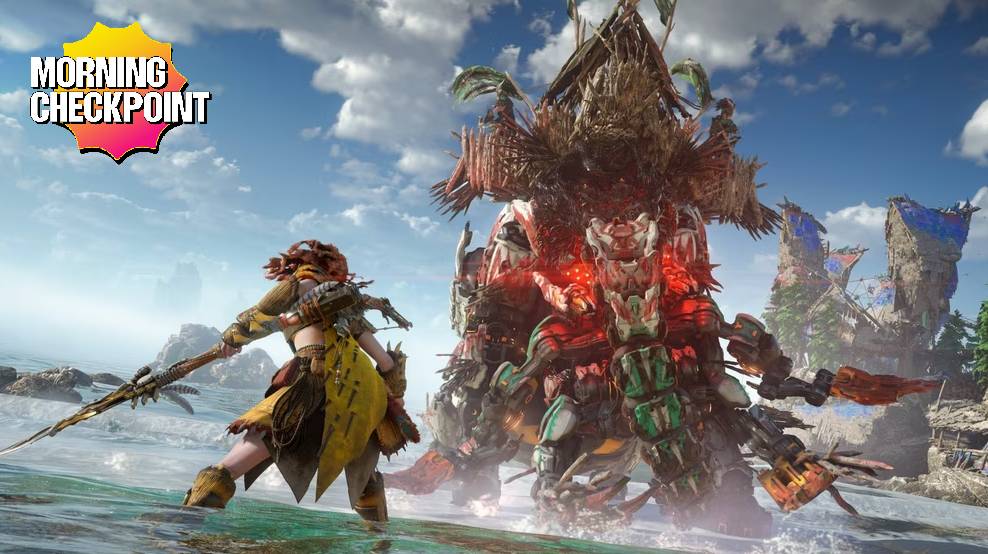
The image above, depicting Aloy bravely battling a formidable robot amidst shimmering water, encapsulates the very essence of the *Horizon* series. Developed by Guerrilla Games, this franchise has captivated millions with its unique blend of primal tribal societies, lush post-apocalyptic landscapes, and awe-inspiring mechanical beasts. It's a world where advanced technology has been reclaimed by nature, creating a stunning backdrop for epic stories of discovery, survival, and heroism.
Aloy: A Hero for Our Times
At the heart of the *Horizon* universe is Aloy, an outcast hunter whose journey of self-discovery unravels the mysteries of her past and the fate of humanity. Aloy is not just a fierce warrior; she is intelligent, empathetic, and driven by an insatiable curiosity. Her evolution from a curious young woman in Horizon Zero Dawn to a seasoned hero protecting the planet in Horizon Forbidden West has resonated deeply with players worldwide. Her unwavering resolve to understand the Old World and prevent a second extinction makes her one of gaming's most compelling protagonists.
A World of Wonders and Dangers
The environments in *Horizon* are nothing short of breathtaking. From the dense, overgrown ruins of ancient cities to the vast, arid deserts and the stunning underwater realms seen in *Forbidden West*, every vista is a masterpiece. The game's setting masterfully blends the untouched beauty of nature with the decaying remnants of a technologically advanced past. This creates a powerful sense of wonder and melancholy, inviting players to explore every nook and cranny of its expansive open world.
The machines themselves are central to the game's appeal. These mechanical creatures, designed with incredible detail and lifelike animations, mimic the animals of our world, yet possess formidable robotic capabilities. Battling them requires strategic thinking, precise aim, and a deep understanding of their weaknesses. Whether it's dismantling a towering Thunderjaw, dodging the swift attacks of a Stalker, or facing off against colossal, aquatic behemoths like the one Aloy is fighting in the image, combat in *Horizon* is always a thrilling, tactical dance.
The Allure of the Unknown: Story and Lore
Beyond its stunning visuals and engaging combat, *Horizon*'s narrative is a deep dive into profound questions about humanity, technology, and ecological balance. The lore, revealed through data points, ancient ruins, and character interactions, slowly pieces together a catastrophic past and paints a picture of a future fraught with new dangers. Players are constantly learning about Project Zero Dawn, the mysterious Faro Plague, and the various factions striving for dominance or survival in this new world. This rich storytelling ensures that exploration is always rewarding, offering tantalizing clues and revelations that deepen the emotional investment in Aloy's quest.
The Future is Bright for Horizon
With the success of *Zero Dawn* and *Forbidden West*, the *Horizon* universe continues to expand. The PlayStation VR2 title, Horizon Call of the Mountain, offered a new perspective on this beloved world, and a multiplayer game is reportedly in development. Furthermore, the main storyline is expected to continue, promising more epic confrontations, deeper lore exploration, and the continued evolution of Aloy’s character. Fans eagerly anticipate how Guerrilla Games will further push the boundaries of storytelling and open-world design, especially given the stunning visuals and intricate gameplay mechanics that have become hallmarks of the series.
The enduring popularity of *Horizon* stems from its ability to offer a truly immersive experience. It's not just a game; it's an expansive world brimming with life, mystery, and danger, all tied together by a compelling narrative and a heroine who embodies strength and hope. As long as Aloy is fighting giant robots, the future of gaming looks incredibly exciting.
The Vanishing Act: A Cool Lego Racing Game's Farewell
While one corner of the gaming world flourishes with endless possibilities, another is quietly dimming. The news that a beloved Lego racing game is about to disappear forever is a stark reminder of the fragile nature of digital entertainment. For many, Lego games represent a gateway to imagination, combining the creative freedom of building blocks with engaging gameplay. A racing game, in particular, offers the thrill of competition, often spiced with whimsical Lego humor and customizable vehicles.
What Makes a Lego Racing Game "Cool"?
When we talk about "cool" Lego racing games, memories might immediately jump to classics like the original Lego Racers or its sequel, which allowed players to build their own vehicles brick-by-brick and race through fantastical Lego-themed worlds. More recent titles, such as Lego 2K Drive, have continued this tradition, blending open-world exploration with high-octane racing and endless customization. These games offer a unique charm, appealing to both children and adults with their accessible gameplay, vibrant aesthetics, and a healthy dose of nostalgia. The ability to craft a unique vehicle, pilot it through tracks made of giant Lego bricks, and engage in chaotic, power-up-fueled races creates an experience that's both fun and endlessly replayable.
Why Do Games Disappear? The Digital Dilemma
The phrase "disappear forever" carries a heavy weight, especially in the digital age. Unlike physical copies of games that can be bought, sold, and played indefinitely (as long as the hardware works), digital titles are often tied to licenses, online services, and store agreements that can expire or be revoked. Several common reasons contribute to a game's sudden vanishing act:
1. Licensing Issues
This is perhaps the most frequent culprit, especially for games based on popular intellectual properties (IPs) like Lego. Developers and publishers obtain temporary licenses to use characters, brands, music, or other copyrighted material. When these licenses expire, and are not renewed (often due to high costs, changes in IP ownership, or a shift in business strategy), the game must be pulled from digital storefronts. This has affected numerous licensed titles across various genres, rendering them unavailable for new purchases, sometimes even impacting existing owners' ability to re-download them.
2. Server Shutdowns
For games with a heavy online component – whether it's multiplayer racing, online leaderboards, or live service elements – the cost of maintaining servers eventually outweighs the revenue generated. When a game's player base dwindles, publishers may decide to shut down the servers, making the online features, and sometimes the entire game, unplayable. While single-player components might remain accessible if the game isn't online-only, the core experience is often severely diminished.
3. Technical Obsolescence and Support Cessation
As technology evolves, older games may become difficult to run on new operating systems or hardware. If a developer no longer exists or chooses not to invest in updates or patches for an older title, it can slowly become unplayable for a significant portion of the audience. While this doesn't always lead to immediate delisting, it contributes to a game's slow fade into obscurity.
4. Developer or Publisher Changes
Mergers, acquisitions, or the outright closure of development studios and publishing houses can also lead to games disappearing. When rights change hands, new owners might not see value in maintaining older titles, or they might integrate them into different platforms, making the original versions inaccessible.
5. Digital Storefront Policies
Sometimes, changes in the policies or operational costs of digital distribution platforms (like Steam, PlayStation Store, Xbox Marketplace, or Nintendo eShop) can lead to games being delisted. This is less common for popular titles but can affect smaller, older games.
The Impact on Gamers and Game Preservation
For players, the disappearance of a beloved game is more than just an inconvenience; it's a loss. It erases shared memories, prevents new players from experiencing a piece of gaming history, and can feel like a betrayal of the digital ownership model. The feeling of knowing you can never again purchase, or even sometimes re-download, a game you enjoyed is disheartening.
This phenomenon underscores the critical importance of video game preservation. Efforts by organizations and individuals to archive games, document their history, and find ways to make them playable for future generations are vital. Without such efforts, significant portions of gaming culture and art could be lost forever, much like the cool Lego racing game we're about to bid farewell to.
The contrast between the thriving *Horizon* universe and the disappearing Lego racer couldn't be starker. It highlights the dual realities of gaming today: a future brimming with innovative, expansive worlds and a past constantly threatened by the impermanence of digital media. While we eagerly anticipate Aloy's next adventure, we also pause to remember the joy and creativity that games like our beloved Lego racer brought, and to reflect on what it truly means to "own" a digital experience in an ever-evolving landscape.
Navigating Gaming's Digital Future: Excitement and Responsibility
The tales of Aloy's battles against formidable machines and the quiet delisting of a cherished Lego racing game paint a vivid picture of the video game industry's current state. On one hand, we witness the continued maturation of storytelling and world-building, exemplified by franchises like *Horizon*. These games push graphical fidelity, narrative depth, and gameplay innovation to new heights, creating experiences that resonate deeply and offer countless hours of engagement. The promise of future installments and expansions keeps millions of players eagerly looking ahead, investing their time and passion into ongoing sagas.
On the other hand, the impending disappearance of a "cool Lego racing game" serves as a poignant reminder of the vulnerabilities inherent in our increasingly digital world. The reasons behind such delistings—licensing complexities, server shutdowns, or simply a lack of ongoing support—highlight a fundamental tension. While digital distribution offers convenience and broad access, it often comes at the cost of long-term availability and the physical permanence that older generations of gaming enjoyed. A game can literally vanish overnight, leaving a void for those who loved it and creating a gap in the historical record for future generations.
This situation encourages us, as players and industry stakeholders, to consider both the exciting present and the responsible future of gaming. How do we ensure that the incredible experiences being created today, like the sprawling world of *Horizon*, are not only celebrated in their prime but also preserved for posterity? How can developers and publishers balance the need for profitability and innovation with the ethical responsibility of cultural preservation?
Perhaps the answer lies in fostering a greater awareness of game preservation efforts, supporting initiatives that archive and document gaming history, and advocating for consumer-friendly policies that grant more definitive ownership over digital purchases. As we celebrate Aloy's continued journey, we should also honor the legacy of games that, for various reasons, are no longer available. Both narratives—the triumphant and the wistful—are essential parts of the rich, complex tapestry that is modern video gaming. The industry continues to evolve at breakneck speed, and understanding both its exhilarating highs and its challenging lows is crucial for anyone who truly loves games.
from Kotaku
-via DynaSage

Post a Comment