
EU Parliament Member Rants About How ‘Woke Ideology’ Is ‘Destroying Video Games’ During Stop Killing Games Debate
The Unforeseen Political Storm: Slovakian Far-Right Takes Aim at Assassin's Creed Shadows and LGBTQ+ Gaming
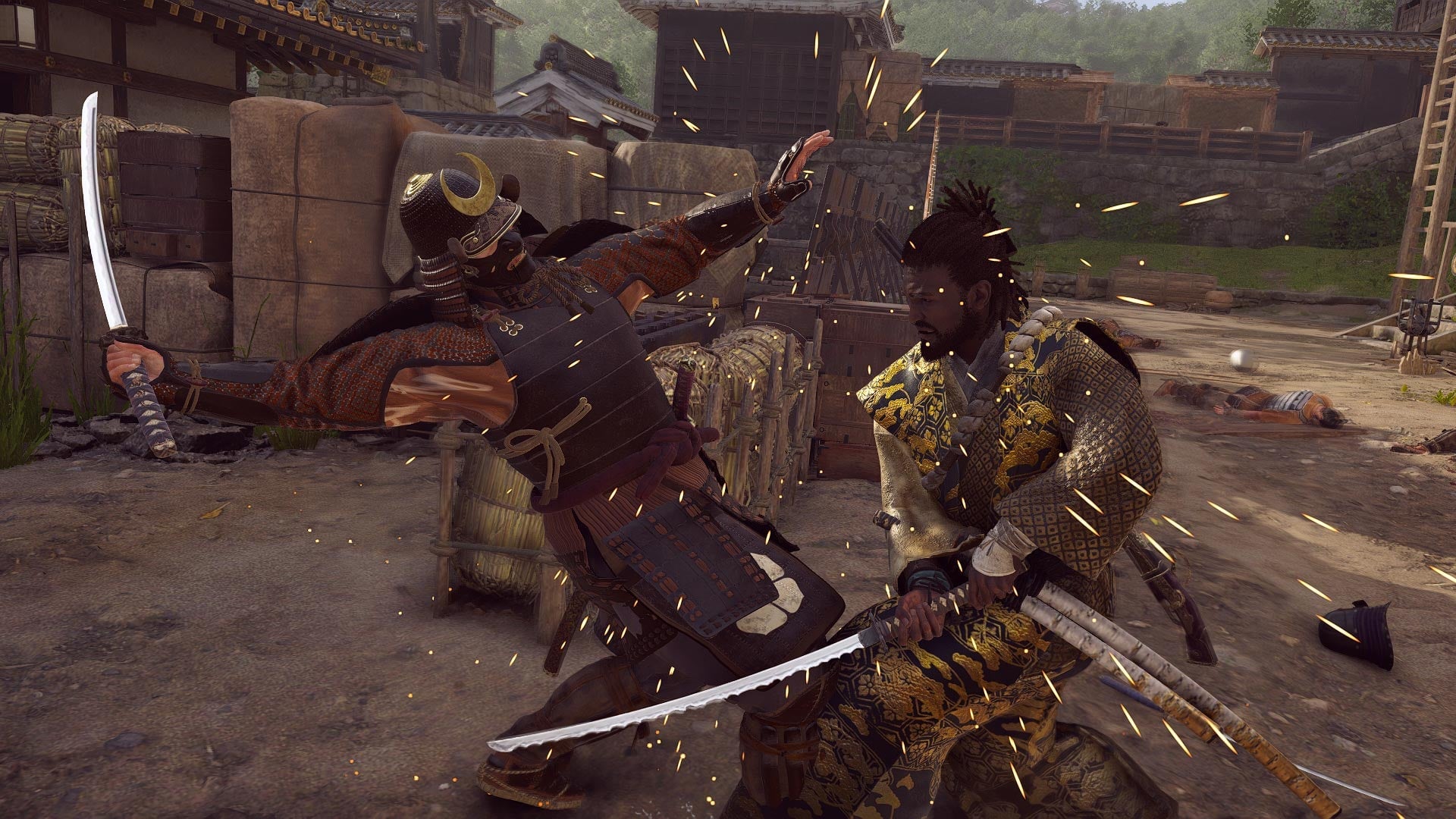
The world of video games often acts as a mirror, reflecting societal trends, historical narratives, and imaginative futures. However, sometimes games become an unexpected battleground for political and cultural debates. Recently, the upcoming title Assassin's Creed Shadows found itself at the center of such a storm, drawing sharp criticism from a far-right Slovakian political party, the Republic Movement. Their specific ire was directed not just at this particular game but broadly at titles featuring 'queer characters'—a term they used to encompass a range of LGBTQ+ representation.
This incident isn't just about a single game or a specific political group; it highlights a much larger, ongoing discussion about diversity, freedom of expression, and the role of video games in a rapidly changing global landscape. It brings into focus the clash between traditional conservative values and the growing push for inclusivity in entertainment media. For many, video games are a form of art and storytelling, and like all art, they inevitably intersect with societal values, sometimes sparking controversy in the process.
In this extensive blog post, we will delve deep into the specifics of this controversy, examining why Assassin's Creed Shadows became a target, who the Republic Movement is, and what their criticisms signify. We'll explore the broader context of LGBTQ+ representation in gaming, discuss the delicate balance between creative freedom and cultural sensitivities, and consider the potential implications for developers and the gaming community worldwide. Join us as we unpack this complex issue that intertwines gaming, politics, and culture.
The Heart of the Controversy: Assassin's Creed Shadows Under Scrutiny
Assassin's Creed Shadows, the latest installment in Ubisoft's globally renowned historical action-adventure series, promises to transport players to feudal Japan. The game has generated significant excitement, not least for its dual protagonists: Naoe, a skilled female shinobi, and Yasuke, a historical African samurai. While the choice of setting and characters was largely applauded by many fans eager for fresh perspectives within the long-running franchise, it simultaneously drew the attention of critics like the Republic Movement.
The controversy surrounding Assassin's Creed Shadows seems to stem from two primary points of contention. Firstly, the inclusion of Yasuke, an African man who served as a samurai in 16th-century Japan, has been a lightning rod for discussions around historical accuracy and cultural representation. While Yasuke is a documented historical figure, his exact life details are scarce, allowing for creative interpretation. For some, his prominence in the game is seen as an attempt to introduce "woke" ideology into history, while for others, it's a fascinating and legitimate exploration of a lesser-known historical figure, reflecting a more diverse understanding of history.
Secondly, and more directly related to the Republic Movement's comments, is the broader implication of character diversity, especially concerning potential LGBTQ+ representation. While Ubisoft has not explicitly confirmed the sexual orientation of Naoe or Yasuke in Shadows, the mere act of featuring diverse protagonists, particularly a female character with agency and a historical figure who challenges traditional narratives, appears to be enough to trigger concern among groups advocating for "traditional values." The Republic Movement's generalized criticism of games with 'queer characters' suggests a preemptive rejection of any deviation from what they consider conventional depictions of gender and sexuality in media.
Ubisoft, as a major global developer, has a history of incorporating diverse characters and storylines into its games, often reflecting the complexities of the historical periods they portray. The Assassin's Creed series, in particular, has always blended historical facts with fictional narratives, allowing for a rich tapestry of characters from different backgrounds. This approach, while celebrated by many for making history more accessible and inclusive, inherently opens the door to debates from those who believe historical fiction should adhere strictly to certain interpretations, or who resist the inclusion of modern social perspectives within historical settings.
The Republic Movement: Who Are They and What Do They Stand For?
To understand the depth of the criticism leveled against Assassin's Creed Shadows and the broader gaming industry, it's crucial to understand the Republic Movement itself. The Republic Movement, or Republika, is a far-right political party in Slovakia. Like many similar parties across Europe, it generally espouses a platform built on nationalism, traditionalist social values, and often, anti-minority rhetoric. Their political agenda frequently emphasizes national sovereignty, skepticism towards the European Union, and a strong stance against what they perceive as "liberal" or "globalist" influences on Slovakian society.
Central to the Republic Movement's ideology is the promotion and protection of what they define as "traditional family values." This often translates into strong opposition to LGBTQ+ rights, gender equality initiatives, and any cultural products that challenge conventional gender roles or sexual orientations. They view these as threats to the moral fabric of society and believe they undermine the "natural" order. In their worldview, cultural products, including video games, are not just entertainment but powerful tools that can either uphold or erode these cherished values.
The Republic Movement's decision to target a video game like Assassin's Creed Shadows, and more broadly, games with queer characters, is not an isolated incident but rather fits into a pattern of cultural interventions by far-right parties. They often see popular media as a frontline in a "culture war," where the values of society are contested. By criticizing games that feature diverse or LGBTQ+ themes, they aim to mobilize their base, reinforce their political message, and assert their influence over cultural narratives. This strategy is common among populist movements that seek to appeal to segments of the population feeling disenfranchised or concerned about rapid social change.
Their criticism signals a broader cultural conservatism that views any form of non-traditional representation as a form of ideological imposition. For them, a game featuring an LGBTQ+ character is not merely a creative choice but a political statement, one that they believe promotes an agenda contrary to their deeply held beliefs. This perspective often disregards the artistic freedom of creators and the desire of many players for more diverse and inclusive stories in the games they love.
A Broader Battle: LGBTQ+ Representation in Video Games
The Republic Movement's comments underscore a critical and evolving aspect of the gaming industry: the increasing demand for and inclusion of LGBTQ+ representation. For decades, LGBTQ+ characters were largely absent from mainstream video games, or if present, were relegated to stereotypes, subtext, or villainous roles. However, the last two decades have seen a significant shift, driven by both progressive developers and a vocal, growing LGBTQ+ gaming community.
The argument for representation in games mirrors that in other forms of media: it matters because it reflects the diversity of the real world, allows players to see themselves reflected in stories, and helps to foster understanding and empathy. When a young person, particularly one struggling with their identity, sees a character like them portrayed positively and authentically in a game, it can have a profound impact, helping them feel seen and validated. Conversely, the absence or negative portrayal can contribute to feelings of isolation and otherness.
We've witnessed a gradual but steady progression. Early examples might have been subtle, like optional same-sex relationships in RPGs such as Fallout 2 (1998) or Fable (2004). More recently, major titles have featured openly gay, lesbian, bisexual, and transgender characters in prominent roles. Games like BioWare's Mass Effect and Dragon Age series have offered extensive romance options, including same-sex relationships, allowing players to shape their character's romantic life. Naughty Dog's The Last of Us Part II famously featured a lesbian protagonist, Ellie, and explored her relationship with Dina in a central, emotionally resonant way, earning both accolades and some backlash. Other notable examples include Max and Chloe's relationship in Life is Strange, the transgender character Claire in Cyberpunk 2077, and numerous indie games that prioritize LGBTQ+ storytelling.
This push for diversity isn't just a niche trend; it's a reflection of the evolving demographics of the gaming audience. The gaming community is incredibly diverse, encompassing people from all walks of life, identities, and backgrounds. Developers and publishers are increasingly recognizing that creating inclusive content not only broadens their appeal but also enriches the storytelling possibilities within their games. While progress has been made, the journey towards truly comprehensive and authentic LGBTQ+ representation is ongoing, continually challenged by both internal industry biases and external political and cultural pressures, as exemplified by the Republic Movement's recent remarks.
Freedom of Expression vs. Cultural Sensitivity: Navigating the Minefield
The controversy surrounding Assassin's Creed Shadows and the broader discussion about LGBTQ+ characters in games brings to the forefront a classic tension: the balance between creative freedom and cultural sensitivity. Game developers, like all artists, generally believe in their right to tell the stories they envision, to create worlds that challenge, entertain, and reflect different facets of humanity. This freedom of expression is considered fundamental to artistic creation and innovation.
However, art does not exist in a vacuum. Video games are a powerful cultural medium, consumed by millions globally, often transcending national and cultural borders. This global reach means that developers must navigate a complex landscape of diverse values, beliefs, and sensitivities. What might be considered acceptable or even progressive in one culture could be seen as offensive, immoral, or politically charged in another. This is particularly true for subjects touching on sexuality, religion, or historical interpretations.
When political parties, like the Republic Movement, step in to condemn specific content, it raises serious questions about censorship and the potential for political interference in artistic endeavors. The concern is that if politicians can successfully dictate what content is acceptable in games, it could lead to a chilling effect, where creators self-censor to avoid controversy, stifling creativity and limiting the scope of stories that can be told. This has broader implications for democracy and the free exchange of ideas within a society.
On the other hand, cultural sensitivity is also a valid consideration. Developers often strive to represent cultures, histories, and identities authentically and respectfully. Debates around historical accuracy, for instance, are common in the Assassin's Creed series. The challenge lies in distinguishing between legitimate feedback aimed at improving representation or historical accuracy, and politically motivated attacks designed to suppress certain narratives or identities. The Republic Movement's criticism appears to fall into the latter category, weaponizing cultural sensitivity to push a specific ideological agenda rather than engaging in constructive dialogue about artistic merit or historical nuance.
The Economic and Reputational Impact on Gaming Studios
For major gaming studios like Ubisoft, controversies such as the one ignited by the Republic Movement are not merely ideological debates; they carry tangible economic and reputational risks. The global video game market is fiercely competitive, and companies invest hundreds of millions of dollars into developing and marketing their flagship titles. Public backlash, whether from political groups, vocal segments of the player base, or media pundits, can have significant repercussions.
One immediate concern for developers is the potential for boycotts. While the effectiveness of boycotts is often debated, a well-organized and widely publicized boycott campaign can impact sales, especially in key markets. If a game is perceived as being too "political" or "woke" by certain consumer segments, it might deter purchases, directly affecting revenue. Conversely, alienating players who advocate for diversity can also lead to negative sentiment and a loss of market share to more inclusive competitors.
Beyond sales, there's the reputational damage. Being associated with political controversy can distract from a game's artistic merits and overall quality. It can make it harder to attract top talent who prefer to work for companies seen as progressive and inclusive. Furthermore, negative publicity can affect investor confidence, potentially impacting stock prices and future investment opportunities. Companies must perform a delicate balancing act, trying to appeal to a broad global audience while staying true to their creative vision and, increasingly, their stated corporate values around diversity and inclusion.
Ubisoft, in particular, has faced its share of internal and external controversies in recent years, from allegations of workplace misconduct to criticisms regarding game design choices. This latest political attack adds another layer of complexity. They must decide whether to address such criticisms directly, ignore them, or subtly adjust their strategies. Often, the choice is to stand by their creative choices, recognizing that while some conservative groups may be alienated, a much larger, increasingly diverse global audience actually values and expects inclusive storytelling. The gaming industry is no longer just for a narrow demographic; it's a global phenomenon catering to billions, and that diversity must, for many, be reflected in the games themselves.
Slovakia's Unique Political Climate and its Influence on Culture
The Republic Movement's targeting of Assassin's Creed Shadows isn't an isolated incident; it's deeply rooted in Slovakia's unique and often conservative political and cultural landscape. Slovakia, like several other Central and Eastern European nations, has witnessed a significant rise in nationalist and far-right sentiment in recent years. This trend is often characterized by a strong emphasis on national identity, traditional Christian values, and a skepticism or outright rejection of what is perceived as Western liberal influence.
The country has seen its political discourse increasingly dominated by discussions around national sovereignty, immigration, and cultural preservation. Within this climate, LGBTQ+ rights and gender equality are often framed as foreign impositions or threats to the traditional family structure. Referendums on defining marriage exclusively as a union between a man and a woman, and parliamentary debates on restricting LGBTQ+ visibility, are not uncommon. These political narratives create an environment where cultural products that feature LGBTQ+ themes or diverse interpretations of history can easily become targets for political groups seeking to reinforce their conservative base and agenda.
For parties like the Republic Movement, cultural phenomena, including popular video games, are not merely entertainment but vital battlegrounds in a broader "culture war." By criticizing a game for potentially featuring "queer characters" or for perceived historical inaccuracies that challenge nationalist narratives, they are appealing directly to a segment of the population that feels traditional values are under threat. This strategy is effective in mobilizing voters and consolidating support around issues that resonate deeply with conservative segments of society.
Therefore, the criticism of Assassin's Creed Shadows must be viewed within this larger political context. It's not just about a game; it's about a political party asserting its ideological dominance over cultural narratives and attempting to influence what is considered acceptable or desirable in public media. This incident serves as a stark reminder of how deeply intertwined politics and culture can become, even in the seemingly apolitical world of video games, and how sensitive topics like diversity and representation can ignite significant backlash in specific political climates.
What Does This Mean for the Future of Gaming?
The confrontation between the Republic Movement and Assassin's Creed Shadows prompts a crucial question: What does this mean for the future trajectory of the gaming industry? This incident is unlikely to be an isolated event. As video games continue to grow in cultural prominence and global reach, they will increasingly become subjects of political scrutiny and cultural debate. The industry finds itself at a crossroads, navigating demands for greater diversity and inclusion from a significant portion of its audience, while simultaneously facing pushback from conservative and far-right elements globally.
One potential outcome is that some developers might become more cautious, choosing to avoid overtly political or sensitive themes to bypass controversy. This self-censorship, however, could lead to less innovative and less representative games, ultimately impoverishing the medium. It would also be a step backward for an industry that has, in many ways, begun to embrace its potential for complex storytelling and social commentary. The risk of alienating a growing segment of their audience that values diversity might outweigh the benefits of avoiding controversy for many studios.
Conversely, this incident could harden the resolve of developers to continue pushing for inclusive narratives. Many studios recognize the ethical imperative and the market demand for games that reflect the real world's diversity. Standing firm against politically motivated attacks could be seen as upholding artistic integrity and serving their diverse player base. Major publishers, with global market ambitions, understand that aligning with progressive values can be a key differentiator in attracting talent and appealing to younger, more diverse demographics that expect inclusivity.
Moreover, the incident highlights the increasing politicization of entertainment. In an era of heightened political polarization, virtually any form of media can be scrutinized through an ideological lens. Gamers themselves will continue to play a crucial role. Their collective voice, expressed through social media, forums, and purchasing power, can significantly influence how developers and publishers respond to these pressures. Whether they advocate for more diverse content or support calls for less "political" games will ultimately shape the landscape of future releases.
The path ahead for gaming is likely one of continued evolution and occasional friction. As games continue to mature as an art form and a cultural force, they will inevitably engage with and reflect the complex societal issues of our time. This means facing criticism, but also opening doors to richer, more meaningful experiences for a global audience.
Conclusion
The recent outcry from Slovakia's far-right Republic Movement against Assassin's Creed Shadows and the broader inclusion of 'queer characters' in video games is more than just a fleeting news item. It represents a significant point of intersection between political ideology, cultural expression, and the rapidly evolving world of interactive entertainment. This incident serves as a potent reminder that video games are no longer confined to the realm of simple escapism; they are powerful cultural artifacts that can spark fierce debates about identity, history, and societal values.
We've seen how the choice of diverse protagonists in Assassin's Creed Shadows, particularly Yasuke and Naoe, became a lightning rod for criticism, stemming from a political party deeply rooted in conservative nationalism and traditional family values. Their broad condemnation of LGBTQ+ representation in games reflects a wider "culture war" being waged by far-right movements across Europe, aiming to influence and control cultural narratives.
However, this political challenge also underscores the immense progress made in LGBTQ+ representation within the gaming industry, driven by both developer intent and player demand. The desire for inclusive storytelling is not a niche request but a growing expectation from a diverse global audience. Balancing creative freedom with various cultural sensitivities, while resisting political interference, remains a critical challenge for studios like Ubisoft, who must weigh economic impact against their commitment to diverse narratives.
Ultimately, this controversy is a microcosm of larger global tensions regarding diversity, freedom of expression, and the role of media in shaping society. As video games continue to grow in influence, they will undoubtedly continue to be a mirror and a battleground for these complex societal conversations. The future of gaming will be shaped not just by technological advancements, but by how courageously and thoughtfully developers, players, and even critics engage with these crucial issues.
What are your thoughts on this intersection of politics and gaming? How do you believe the industry should navigate such pressures?
from Kotaku
-via DynaSage
