Apple Updates Trade-In Values for iPhone, iPad, Mac, and Apple Watch
Apple Boosts Trade-In Values for iPhone, iPad, Mac, and Apple Watch: What You Need to Know
In the dynamic world of consumer technology, keeping up with the latest innovations often means considering what to do with your older devices. Apple's trade-in program has long been a popular solution, offering a convenient way for users to get credit for their used iPhones, iPads, Macs, and Apple Watches when upgrading to a new model or simply seeking an Apple Gift Card. Recently, Apple rolled out significant updates to its U.S. trade-in estimates, bringing good news for most Apple product owners while adjusting offers for some Android devices.
This update reflects Apple's ongoing strategy to encourage upgrades within its ecosystem, while also providing a sustainable pathway for older technology. For many, a higher trade-in value can be the deciding factor in purchasing that new device they've been eyeing, making these adjustments particularly impactful.
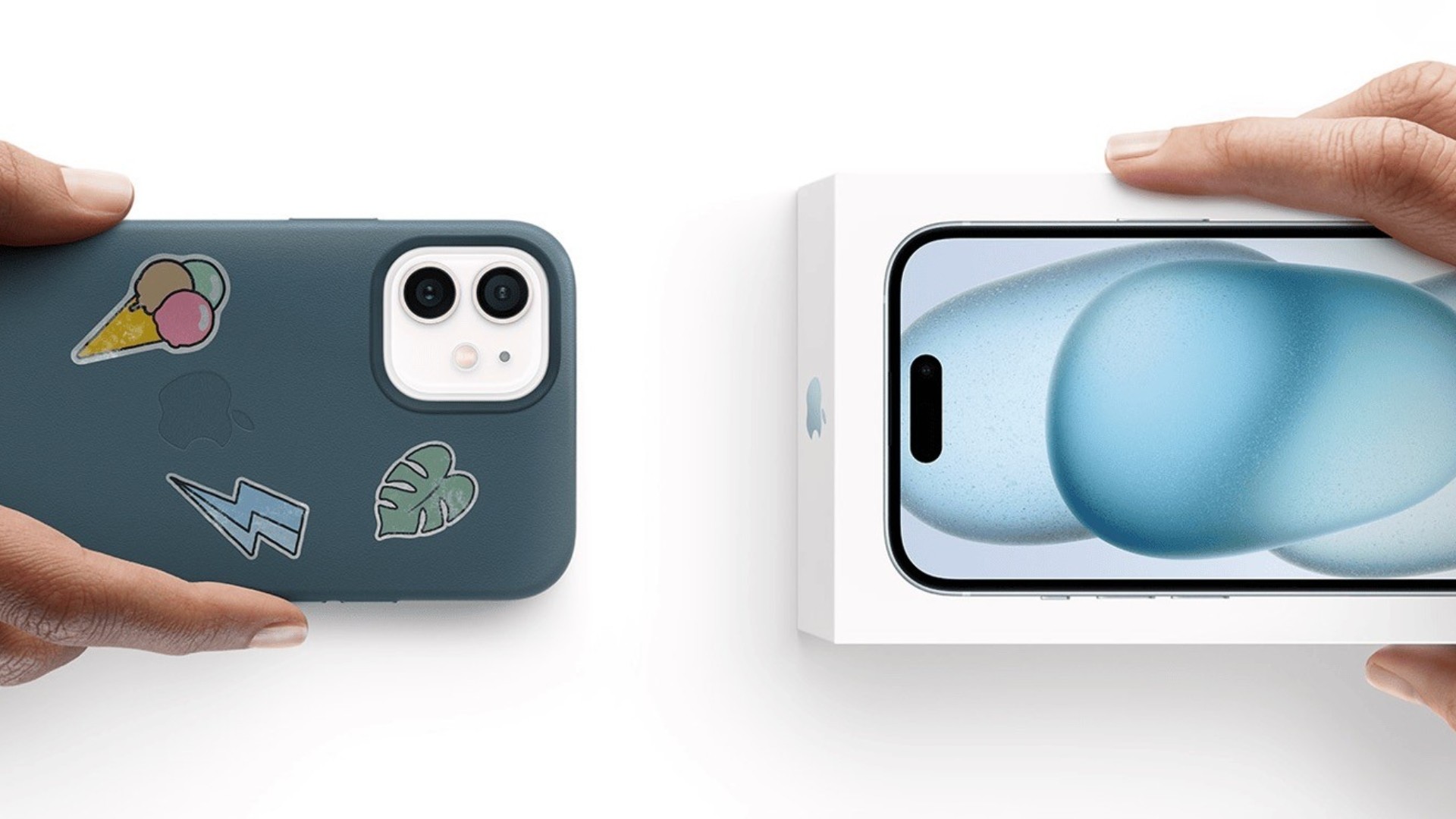
Understanding Apple's Trade-In Program
Before diving into the specifics of the new values, it's helpful to understand the core of Apple's Trade-In program. This initiative isn't just about giving you a discount; it's a multi-faceted approach to customer retention, environmental responsibility, and maintaining a robust resale market for Apple products. When you trade in an eligible device, Apple either refurbishes it for resale, giving it a second life, or responsibly recycles it if it's no longer usable. This commitment aligns with Apple's broader environmental goals, aiming for a circular economy where materials are reused and waste is minimized.
For consumers, the benefits are clear: convenience, instant credit, and the assurance that their old device will be handled responsibly. Instead of the hassle of selling privately, dealing with potential buyers, or simply letting an old gadget gather dust, the Apple Trade-In program offers a streamlined process directly through Apple's official channels.
Positive Shifts for iPhone Owners
The latest updates bring particularly good tidings for iPhone users. The overall top trade-in value for an iPhone has seen an increase, climbing from an estimated $685 to a more appealing $695. This uplift isn't just an arbitrary number; it signals Apple's confidence in the continued demand and resale value of its flagship smartphones. For those eagerly anticipating or planning to upgrade to the next generation of iPhones, such as the potential iPhone 16 models, these higher trade-in estimates could significantly reduce the cost of entry.
Let's break down the specific increases across various anticipated iPhone 16 models:
- iPhone 16 Pro Max: The top-tier model sees its estimated trade-in value increase from $685 to $695. This reflects the premium nature and robust features of Apple's largest and most advanced smartphone, ensuring it retains a strong resale price.
- iPhone 16 Pro: This powerful device also gets a bump, moving from $550 to $560. Users of the Pro model can look forward to a slightly higher credit when trading in for a newer iPhone.
- iPhone 16 Plus: For those who prefer a larger screen without all the Pro features, the iPhone 16 Plus's value rises from $455 to $465, making it a more attractive option for trade-in.
- iPhone 16: Even the standard model sees a notable jump, with its trade-in estimate increasing from $435 to $460. This is a solid gain for the base model, providing a better return for a widely popular device.
These increases, though seemingly incremental, can add up, especially when considering the overall investment in a new iPhone. It incentivizes customers to stay within the Apple ecosystem and upgrade more frequently, knowing their current device holds better value.
Enhanced Value for iPad Enthusiasts
It's not just iPhones that are seeing a boost; iPad users also have reasons to cheer. Every current iPad model has received a higher trade-in valuation, pushing the overall range from $40-$670 up to an impressive $45-$690. This adjustment highlights the enduring utility and demand for Apple's tablet lineup, from its entry-level models to its professional-grade devices.
Here’s a closer look at the updated iPad trade-in estimates:
- iPad Pro: The flagship iPad Pro, known for its powerful performance and advanced display, now commands an estimated $690, up from $670. This increase solidifies its position as a high-value trade-in item.
- iPad Air: The popular and versatile iPad Air sees its value climb from $445 to $460. This is great news for users looking to upgrade to a newer, even more capable Air model.
- iPad: The standard iPad, a favorite for many, also gets a boost, moving from $220 to $235. This makes the entry-level iPad even more accessible to upgrade.
- iPad mini: The compact yet powerful iPad mini isn't left out, with its trade-in estimate rising from $250 to $265, reflecting its unique market appeal.
These increases across the iPad range underscore the device's continued relevance in both personal and professional spheres. For students, artists, and business professionals alike, the opportunity to get more for their current iPad makes an upgrade to the latest technology even more enticing.
Mixed Bag for Mac Trade-Ins
While iPhones and iPads generally saw across-the-board increases, the adjustments for Mac trade-ins present a more mixed picture. Most current models have indeed gained value, which is positive for desktop and laptop users. However, there are nuances, including a slight dip in the very highest-end trade-in offers.
Here are the specific changes for Mac models:
- MacBook Pro: The professional-grade MacBook Pro sees a modest increase, moving from $685 to $690. This top-tier laptop continues to hold its value well due to its powerful performance and robust build.
- MacBook Air: A significant jump is observed for the highly popular MacBook Air, which now boasts an estimated trade-in value of $520, up from $485. This is excellent news for students and everyday users looking to upgrade their portable computing experience.
- Mac mini: The compact yet capable Mac mini also gets a healthy increase, rising from $340 to $375, making it a more valuable trade-in option.
- iMac: The all-in-one iMac's trade-in value remains unchanged at $355, indicating stable demand for this desktop machine.
Despite these individual increases for popular models, the very top of Apple's Mac trade-in range has actually slipped from $2,090 to $2,045. This suggests a reduction for certain higher-end configurations or less common models, such as specific iterations of the Mac Pro or Mac Studio, which aren't typically featured in Apple's summary tables. This minor adjustment for the ultra-premium segment doesn't detract from the overall positive trend for the majority of Mac users.
Apple Watch Revisions: A Blend of Ups and Downs
The Apple Watch lineup, a consistent leader in the wearable technology market, also received a mix of revisions to its trade-in estimates. While some models saw an increase, others experienced a slight dip, reflecting the nuanced market dynamics for smartwatches.
Here’s how the Apple Watch trade-in values have changed:
- Apple Watch Ultra 2: The rugged and feature-rich Apple Watch Ultra 2 gets a slight boost, with its value moving from $295 to $305. This demonstrates its strong retention of value in the premium smartwatch segment.
- Apple Watch Series 9: The latest mainstream model, the Apple Watch Series 9, also sees an increase, from $120 to $130, making it a better candidate for trade-in.
- Apple Watch Series 10: Interestingly, the estimated trade-in value for the anticipated Apple Watch Series 10 remains unchanged at $150. This might indicate a stable projected market value for this upcoming model.
- Apple Watch Ultra: In a slight dip, the original Apple Watch Ultra's value goes from $215 to $205. This minor adjustment is common as newer, more advanced "Ultra" models enter the market, slightly devaluing previous generations.
These revisions highlight the fast-paced nature of the wearable market. While newer, more feature-rich models like the Ultra 2 and Series 9 are gaining value, earlier models might see slight adjustments as technology advances. Nevertheless, the program continues to offer a viable path for upgrading to the latest Apple Watch, allowing users to benefit from new health features, improved performance, and enhanced durability.
A Different Story for Android Device Owners
While Apple device owners generally benefit from these updates, the landscape is different for those looking to trade in Android devices. Apple's program does accept select Android smartphones, but the latest changes largely reflect a reduction in their estimated trade-in values. The headline range for Android offers has narrowed from $30-$370 down to $30-$360.
Specific examples of Android trade-in reductions include:
- Samsung Galaxy S23 Ultra: This premium Android device sees its estimated value drop from $230 to $200.
- Google Pixel 8 Pro: Google's flagship phone also experiences a slight decrease, moving from $170 to $165.
- Samsung Galaxy S23: The trade-in value for this model remains unchanged at $125.
- OnePlus 12: Similarly, the OnePlus 12's value stays at $200.
These reductions for Android devices could be attributed to various factors, including the competitive Android market, a wider range of price points, and potentially lower resale demand within Apple's own ecosystem. For Android users contemplating a switch to Apple, while the trade-in option still exists, the financial incentive might be slightly less compelling compared to previous offers.
Why These Changes Now? Decoding Apple's Strategy
Understanding the rationale behind these trade-in value adjustments provides insight into Apple's broader market strategy and current industry trends. Several factors likely influence these decisions:
1. Market Demand and Resale Value: The primary driver for trade-in values is the resale market. If there's strong demand for used iPhones or iPads, their trade-in values will be higher. The increases for most Apple products suggest a robust secondary market for these devices, perhaps fueled by their longevity, software support, and brand appeal.
2. Upcoming Product Launches: Historically, Apple often adjusts trade-in values in the lead-up to major product announcements. Higher trade-in offers can entice customers to upgrade to the latest models, clearing inventory of older devices and preparing the market for new releases. The mention of "iPhone 16" and "Apple Watch Series 10" in the context of current updates is indicative of this forward-looking approach.
3. Competitive Landscape: While Apple operates within its own ecosystem, it's not immune to competition. Offering attractive trade-in values can give Apple an edge over competitors' programs or the private selling market, ensuring customers choose Apple for their upgrades.
4. Economic Factors: Broader economic conditions, including inflation, supply chain stability, and consumer spending habits, can also play a role. Adjusting values helps Apple maintain profitability while still offering competitive prices.
5. Refurbishment and Recycling Costs: The cost and efficiency of Apple's refurbishment and recycling processes also factor in. If certain models are easier or more cost-effective to refurbish, their trade-in value might be higher. Conversely, if specific components become harder to source or recycle for older Android models, their value might decrease.
6. Inventory Management: By increasing values for specific popular models, Apple can ensure a steady supply of used devices that can be refurbished and resold, catering to different price points in the market.
For Android devices, the reductions could stem from a less predictable secondary market for non-Apple products within Apple's specific program, or simply a strategic decision to prioritize trade-ins of its own devices.
How Does Apple Trade-In Work? A Step-by-Step Guide
For those new to the process or seeking a refresher, here's a detailed look at how Apple's Trade-In program typically operates:
1. Get an Estimate Online: The journey begins on Apple's trade-in website. You'll be asked to provide details about your device, including its model, storage capacity, and most importantly, its condition. Be honest and accurate in your assessment, as this initial estimate heavily relies on your input. Questions will cover aspects like whether the device powers on, if the screen is cracked, if buttons work, and if there's any water damage.
2. Choose Your Payout Option: Once you receive an estimated value, you'll typically have two options: apply the credit directly towards the purchase of a new Apple product (which is often the most convenient choice) or receive the value as an Apple Gift Card. The Gift Card provides flexibility, allowing you to use the credit for future purchases across Apple's ecosystem, from hardware to software and services.
3. Prepare Your Device: This is a crucial step to ensure a smooth trade-in and protect your personal data. Before shipping your device, you must:
- Back Up Your Data: Use iCloud or a computer to back up all your photos, contacts, apps, and other important information.
- Sign Out of Accounts: This includes iCloud, iTunes & App Store, and Find My. For Macs, you'll also need to sign out of Messages and deauthorize your computer from iTunes.
- Erase Your Device: Perform a factory reset to wipe all personal data and settings from the device. This is essential for your privacy and security. For iPhones/iPads, go to Settings > General > Transfer or Reset iPhone/iPad > Erase All Content and Settings. For Macs, the process involves erasing the startup disk using macOS Recovery.
- Remove SIM Card (if applicable): If your iPhone or cellular iPad has a physical SIM card, remember to remove it.
4. Ship Your Device: Apple will provide you with a prepaid shipping label and instructions, often including packaging materials. Carefully package your device according to their guidelines to prevent damage during transit. It's important to send only the device itself, not accessories like chargers, cables, or cases, unless specifically instructed.
5. Final Inspection and Confirmation: Once Apple receives your device, it will undergo a professional inspection to verify its condition against your initial assessment. If the device's condition matches your description, your trade-in credit or Apple Gift Card will be processed. If there's a discrepancy (e.g., a cracked screen you didn't mention), Apple will send you a revised offer. You'll then have the option to accept the new offer or have your device returned to you. This transparency ensures fairness in the valuation process.
6. Receive Your Credit: The processing time can vary, but once the inspection is complete and approved, your credit will be applied to your new purchase or your Apple Gift Card will be issued via email.
Maximizing Your Trade-In Value: Tips and Best Practices
To get the most out of Apple's Trade-In program, a little preparation goes a long way. Here are some tips to maximize your device's value:
1. Maintain Good Condition: This is the single most important factor. Devices without cracks, dents, water damage, or significant cosmetic wear will command the highest values. Using cases and screen protectors from day one can significantly protect your device's condition over time. A pristine screen and fully functional buttons are paramount.
2. Ensure Full Functionality: Your device must power on, hold a charge, and have all its core functions working correctly (e.g., camera, Wi-Fi, speakers, touch ID/face ID). Any major non-functional components will significantly reduce or even eliminate trade-in eligibility.
3. Keep It Clean: A clean device, free from grime and residue, gives a better impression during inspection. A quick wipe-down can't fix physical damage, but it shows care and attention to detail.
4. Don't Delay: Trade-in values generally depreciate over time as newer models are released. If you know you want to upgrade, acting sooner rather than later can help you lock in a better value. Check current estimates regularly.
5. Accurate Self-Assessment: When getting an online estimate, be honest about your device's condition. While it might be tempting to overstate its pristine state, the final offer is based on Apple's professional inspection. An accurate initial assessment prevents surprises and potential delays.
6. Remove Accounts and Data Completely: As mentioned in the "How it works" section, properly backing up and erasing your device is non-negotiable. While not directly affecting monetary value, it's crucial for your personal security and privacy before handing off your device.
7. Consider the Timing of Upgrades: Apple often releases new flagship devices in the fall. If you're planning to upgrade around that time, check for any special trade-in promotions that might coincide with new product launches. Sometimes, trade-in values can be temporarily boosted during these periods.
Trade-In vs. Selling Privately: Weighing Your Options
While Apple's Trade-In program offers unparalleled convenience, some users might consider selling their device privately to potentially achieve a higher return. Both options have their pros and cons:
Apple Trade-In Program:
- Pros:
- Convenience: Extremely easy and hassle-free. No need to create listings, negotiate, or meet strangers.
- Speed: Often a quicker process to get credit towards a new purchase.
- Security: No personal risk involved with private transactions.
- Guaranteed Offer (with conditions): Once Apple confirms the condition, the credit is secured.
- Environmental Responsibility: Your device is either refurbished or responsibly recycled by Apple.
- Cons:
- Potentially Lower Value: You might sometimes get a higher price by selling directly to an individual.
- Limited to Apple Credit: The payout is either a discount on a new Apple product or an Apple Gift Card, not cash.
Selling Privately (e.g., eBay, Craigslist, Facebook Marketplace):
- Pros:
- Potentially Higher Payout: You often have more control over the selling price and can sometimes get more than trade-in offers.
- Cash Payment: You receive cash, which can be used anywhere, not just for Apple products.
- Cons:
- Time-Consuming: Requires creating listings, taking photos, answering questions, and negotiating.
- Security Risks: Potential for scams, no-shows, or meeting strangers in person.
- Shipping and Handling: You're responsible for packaging and shipping, along with associated costs and risks.
- No Guarantees: Dealing with buyer complaints, returns, or disputes can be frustrating.
- Data Security: Ensuring your device is properly wiped and your personal data protected falls entirely on you.
For most users, especially those already committed to the Apple ecosystem and looking to upgrade, the convenience and peace of mind offered by Apple's Trade-In program usually outweigh the potential for a slightly higher payout through private selling. The recent increase in values only strengthens this proposition.
The Environmental Impact: Beyond the Trade-In Value
Apple's Trade-In program is more than just a financial incentive; it's a critical component of the company's broader commitment to environmental sustainability. Every year, millions of electronic devices reach the end of their useful life, contributing to a growing global problem of electronic waste, or e-waste. E-waste often contains hazardous materials that can harm the environment and human health if not disposed of properly. It also represents a loss of valuable resources, as many electronics contain precious metals and rare earth elements.
By encouraging trade-ins, Apple actively participates in the circular economy. Devices that are traded in follow one of two paths:
1. Refurbishment and Resale: Many traded-in devices, especially those in good condition, are expertly refurbished. This process involves cleaning, repairing, and replacing necessary components to bring them back to a like-new state. These refurbished devices are then sold at a lower price point, extending their lifespan and making Apple technology accessible to a wider audience. This reduces the demand for new manufacturing, which in turn saves raw materials, energy, and reduces carbon emissions.
2. Responsible Recycling: Devices that are too old or damaged for refurbishment are sent to specialized recycling facilities. Apple has strict standards for its recycling partners to ensure that materials are recovered and managed responsibly. This includes extracting valuable metals like gold, silver, copper, and platinum, as well as safely disposing of hazardous components. Apple has even developed advanced robotics, like "Daisy," capable of disassembling iPhones with remarkable efficiency to recover materials.
The program helps divert thousands of metric tons of e-waste from landfills annually, contributing to Apple's ambitious goal of becoming carbon neutral across its entire business, manufacturing supply chain, and product life cycle by 2030. When you choose to trade in your device with Apple, you're not just getting a credit; you're also playing a small part in a global effort towards a more sustainable future for technology.
What to Do If Your Device Isn't Eligible for Trade-In
Not every old device will qualify for a trade-in credit, particularly if it's very old or severely damaged. However, even if your device isn't eligible for a monetary value, Apple still offers a solution: free recycling. Apple will responsibly recycle ineligible devices for free, regardless of their condition or whether they are Apple products or from another manufacturer. This ensures that even the most worn-out gadgets are handled in an environmentally sound manner, preventing them from contributing to landfill waste and promoting the recovery of valuable materials.
This service reinforces Apple's commitment to the environment and provides a convenient, responsible option for consumers who simply want to dispose of their old electronics without creating environmental harm.
Beyond the Numbers: The Broader Context and Future Outlook
These updated trade-in values are more than just momentary financial adjustments; they reflect Apple's ongoing strategy to maintain a strong presence in the technology market and reinforce customer loyalty. By consistently offering competitive trade-in options, Apple makes it easier for users to experience the latest innovations without the full upfront cost, thereby fostering a continuous upgrade cycle within its ecosystem.
Looking ahead, we can expect Apple to continue refining its trade-in program. As technology evolves and new materials are introduced, the methods for recycling and refurbishing will also advance. Furthermore, as Apple expands its services and subscription offerings, the trade-in program will likely remain a key tool for driving engagement and retaining subscribers. The slight dip in high-end Mac trade-ins or some Android models suggests a dynamic assessment that adapts to specific market segments and product lifecycles, ensuring the program remains economically viable for Apple while still providing value to customers.
The program also serves as an important feedback loop for Apple, providing insights into the durability and longevity of its products in real-world usage, which can inform future design and engineering decisions.
Conclusion: A Win for Apple Enthusiasts
The latest updates to Apple's U.S. trade-in estimates represent a positive development for the vast majority of iPhone, iPad, Mac, and Apple Watch owners. With increased values across most categories, now is an opportune time to consider upgrading your devices. The convenience, environmental benefits, and enhanced financial incentives make Apple's Trade-In program an even more appealing option for managing your technology lifecycle.
Whether you're eager to get your hands on the next generation of Apple devices or simply looking to recoup some value from your existing tech, checking your device's current trade-in estimate is a worthwhile step. Remember to prepare your device thoroughly, be accurate in your condition assessment, and leverage Apple's seamless process to make your next upgrade smoother and more affordable.
To find out how much your device is worth, visit Apple's official trade-in page and get your personalized estimate today!
This article, "Apple Updates Trade-In Values for iPhone, iPad, Mac, and Apple Watch" first appeared on MacRumors.com
Discuss this article in our forums
from MacRumors
-via DynaSage

Post a Comment