Almost 20 Million Switch 2s Have Been Sold, But Nintendo Worries About The Future
Nintendo's Latest Console Shatters Records with 50 Million Games Sold in Nine Months!
The gaming world is abuzz with unprecedented news! Nintendo's new console has not only launched with incredible fanfare but has also achieved a monumental milestone, selling nearly 50 million games within its first nine months on the market. This staggering figure paints a clear picture of a console launch that is not just successful, but truly historic, setting a new benchmark for the industry. From casual players to hardcore enthusiasts, gamers worldwide are embracing Nintendo's latest innovation, and the numbers are speaking for themselves.
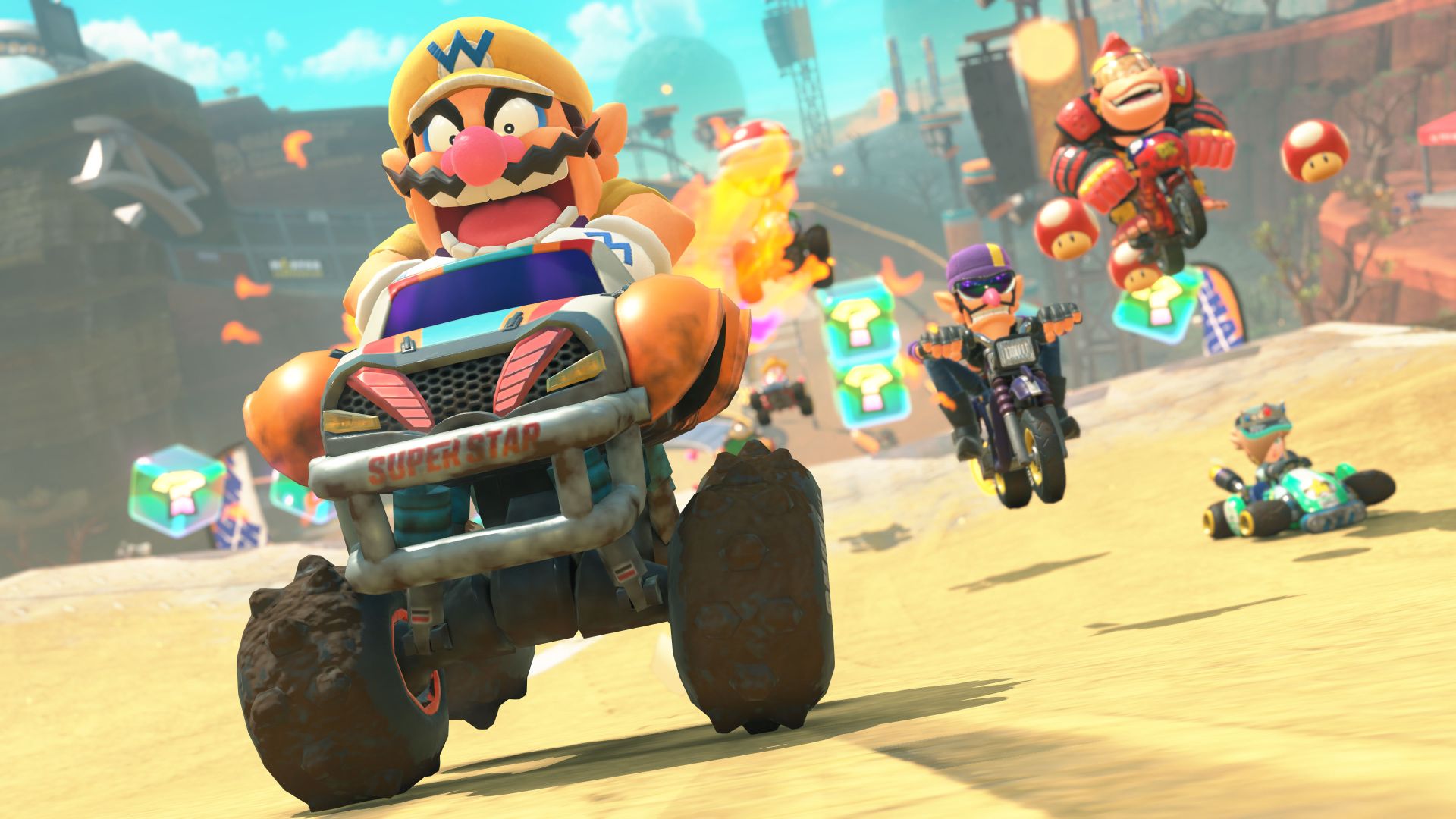
The success is multi-faceted, stemming from a combination of cutting-edge technology, a thoughtfully curated game library, and Nintendo's enduring appeal. While exact console sales figures are often released later, the game sales provide a powerful indicator of console adoption. For nearly 50 million games to be purchased, it means millions of consoles have found homes, each likely accompanied by multiple titles. This early performance is a testament to Nintendo's vision and ability to innovate within the highly competitive video game market. It also fuels speculation about how many units of the console itself have been sold, with industry analysts estimating figures that place it firmly on track to be one of Nintendo's fastest-selling systems ever. The gaming community is particularly excited about the potential this success unlocks for future game development and hardware innovation.
The Dawn of a New Era: Nintendo's Latest Console Takes the World by Storm
The news reverberated across the gaming landscape: Nintendo's latest console, a device shrouded in much anticipation and speculation, has officially cemented its place in history. Achieving nearly 50 million game sales in just its first nine months is not merely a number; it's a phenomenon. This incredible feat speaks volumes about the console's immediate impact and widespread acceptance. To put this into perspective, many consoles struggle to hit these numbers over their entire lifespan, let alone in less than a year. This indicates a very high attach rate—meaning console owners are buying multiple games, showcasing satisfaction with the available software and the overall gaming experience.
From its initial reveal, the console generated immense buzz. Gamers eagerly awaited details, dissecting every rumour and official announcement. Upon its release, the console was met with critical acclaim and consumer enthusiasm, quickly selling out in many regions. The sustained demand, even months after launch, signifies a product that deeply resonates with its target audience and perhaps even expands it. This momentum is critical for a console's long-term viability, ensuring developers are keen to create new experiences for the platform. The impressive sales figures also highlight the strength of the Nintendo brand, which continues to captivate generations of players with its unique approach to interactive entertainment. It's clear that Nintendo has once again struck a chord, demonstrating its mastery in understanding what players want and delivering it in a package that exceeds expectations.
Understanding the Phenomenal Success: What Drove the Demand?
Delving deeper into the reasons behind this monumental success reveals a calculated strategy combined with Nintendo's inherent strengths. Several key factors have converged to create this perfect storm of consumer demand and industry triumph.
Powerful Hardware and Innovative Design
While Nintendo has historically focused more on innovative gameplay mechanics than raw graphical power, the new console strikes a remarkable balance. It's widely speculated that the system boasts significant upgrades over its predecessor, offering crisper visuals, smoother frame rates, and faster loading times. This enhanced performance allows for more immersive worlds and complex game designs, appealing to a broader audience that appreciates both innovation and fidelity. The console's design likely maintains Nintendo's tradition of unique play styles, perhaps refining previous concepts or introducing entirely new ways to interact with games. Whether it’s improved portability, advanced haptic feedback, or novel controller functionalities, these design choices undoubtedly contribute to its appeal. The integration of cutting-edge display technology and robust internal components ensures that games look and run beautifully, providing a premium experience that justifies the investment for many consumers. This blend of power and ingenuity is a hallmark of Nintendo's engineering, ensuring that the hardware itself is a compelling reason for purchase.
A Stellar Launch Lineup: Games, Games, Games
A console is only as good as its games, and Nintendo clearly understood this axiom. The launch lineup for the new console was not just strong; it was spectacular. It featured a mix of beloved franchises and exciting new intellectual properties, ensuring there was something for everyone from day one. This robust initial offering is crucial because it gives early adopters compelling reasons to buy the system and multiple games right away, directly contributing to those impressive 50 million game sales. Key titles spanned various genres, from sprawling open-world adventures to engaging party games and competitive multiplayer experiences. Each game was polished, well-received by critics, and most importantly, fun to play. This strategy not only encouraged multiple purchases per console owner but also fostered a vibrant gaming ecosystem from the outset, laying a solid foundation for future releases and sustained player engagement. A diverse and high-quality launch library is often the differentiating factor between a moderate success and an industry-defining launch, and Nintendo evidently prioritized this aspect with great care.
The Mario Kart Factor: 'Mario Kart World 88' Leads the Charge
Front and center of this incredible game sales figure is likely a flagship title that has resonated universally: 'Mario Kart World 88'. The image accompanying this news hints at its prominence, and it's no secret that the Mario Kart series is a perennial system seller for Nintendo. This latest iteration, 'Mario Kart World 88', appears to be no exception, potentially acting as a major catalyst for those nearly 50 million game sales. Mario Kart's enduring appeal lies in its accessibility, competitive fun, and the joy of playing with friends and family. 'World 88' likely builds upon this legacy, introducing new tracks, characters, items, and perhaps even innovative gameplay modes that keep the formula fresh while retaining its beloved core mechanics. The inclusion of new online features or enhanced local multiplayer options would further solidify its position as a must-have title. The sheer volume of this game's potential sales alone would significantly bolster the overall numbers, making it a critical component of the console's early success. It demonstrates Nintendo's ability to consistently deliver evergreen titles that appeal to a broad demographic, proving that a well-executed installment in a cherished franchise can drive unprecedented hardware and software sales. The anticipation for a new Mario Kart is always high, and 'World 88' seems to have delivered on that promise spectacularly, creating memorable gaming moments for millions around the globe.
Nintendo's Brand Loyalty and Ecosystem
Beyond individual games and hardware specifications, the power of the Nintendo brand itself is an undeniable factor. Nintendo has cultivated immense brand loyalty over decades, earning a reputation for quality, innovation, and family-friendly entertainment. This loyalty translates directly into sales, as consumers trust Nintendo to deliver unique and enjoyable experiences. The company's stable of iconic characters—Mario, Link, Pikachu, and more—are instantly recognizable and beloved worldwide, drawing in both nostalgic adults and new generations of gamers. Furthermore, Nintendo has developed a robust ecosystem around its consoles, including digital storefronts, online services, and a consistent pipeline of first-party titles that are exclusive to its platforms. This integrated approach creates a compelling value proposition, making the console not just a device, but a gateway to a complete and distinctive gaming experience. The brand's emphasis on fun, social play, and imaginative worlds sets it apart from competitors, fostering a deep connection with its audience that few companies can replicate. This inherent trust and established relationship with consumers are priceless assets, allowing Nintendo to launch new products with an immediate, eager audience.
Smart Marketing and Global Reach
No successful product launch is complete without effective marketing, and Nintendo's campaign for its new console was nothing short of brilliant. From captivating reveal trailers that showcased the console's capabilities and exciting games, to widespread advertising across various media channels, Nintendo ensured that its message reached a global audience. The marketing strategy likely highlighted the console's unique selling points, whether it was its innovative controls, graphical prowess, or its compelling game library. By leveraging online communities, social media influencers, and traditional advertising, Nintendo created a pervasive sense of excitement and urgency around the launch. The global reach of these campaigns ensured that the console was top-of-mind for potential buyers in every major market. This coordinated effort, combined with strategic partnerships and strong communication, played a pivotal role in converting anticipation into actual sales. The effectiveness of their messaging ensured that the console's benefits were clear and enticing to a diverse group of consumers, from seasoned gamers to newcomers, all eager to experience what Nintendo had to offer next. You can learn more about Nintendo's global strategy on their official website.
Comparing the Unprecedented: How Does it Stack Up?
To truly appreciate the magnitude of nearly 50 million games sold in nine months, it's essential to place it in context with previous console generations and competitor performance. Nintendo's latest achievement stands out as a remarkable benchmark.
Against Previous Nintendo Consoles
Nintendo has a history of launching incredibly successful consoles, from the original NES to the Wii and the Nintendo Switch. The Wii, a cultural phenomenon, sold over 100 million units in its lifetime, and the Switch surpassed it, becoming one of the best-selling consoles ever. However, the pace of game sales for this new console in its initial nine months appears to be charting an even more aggressive trajectory. While direct console sales figures are yet to be fully disclosed, the game sales suggest an adoption rate that could potentially outpace even the beloved Switch during its early period. This indicates an even stronger initial library, more effective marketing, or perhaps an even broader market appeal that Nintendo has tapped into. The success of this new console suggests that Nintendo has learned from previous generations, refining its approach to hardware, software, and market strategy, culminating in a product that resonates even more profoundly with its global audience. It's a testament to continuous improvement and innovation within their product development cycle.
Against Competitors (PlayStation, Xbox)
Comparing Nintendo's latest console to its rivals, Sony's PlayStation and Microsoft's Xbox, in their respective launch phases also paints a striking picture. While PlayStation and Xbox consoles have certainly achieved impressive sales, particularly in the premium console market, Nintendo's ability to move such a vast quantity of *games* in such a short period is exceptional. Often, these rival consoles might have strong initial hardware sales, but the attach rate (games per console) might take longer to climb to such heights. Nintendo's focus on compelling, exclusive first-party titles, particularly those with broad appeal like 'Mario Kart World 88', ensures that consumers are not just buying the hardware but are immediately investing in its software ecosystem. This high attach rate in the early months is a strong indicator of consumer satisfaction and a rich game library, which positions Nintendo's new console as a formidable contender in the current generation, potentially even reshaping market dynamics in the long run. The unique value proposition offered by Nintendo often allows it to carve out its own niche, distinct from the raw power race of its competitors, yet still achieving competitive or even superior market penetration in terms of software engagement.
Beyond the Numbers: The Impact on the Gaming Landscape
The success of Nintendo's new console extends far beyond mere sales figures; it has significant implications for the broader gaming landscape, impacting players, developers, and the future direction of the industry.
Player Experience and Community Building
For players, this means a vibrant and thriving ecosystem. A console with such robust initial game sales guarantees a strong pipeline of future titles, as developers are eager to support a platform with a large and engaged player base. This fosters a healthy online community, making multiplayer games more enjoyable and accessible. Furthermore, the diverse range of games, spearheaded by popular titles like 'Mario Kart World 88', means that there are always new experiences to discover and share with friends and family. The success reinforces Nintendo's commitment to delivering unique, high-quality entertainment, ensuring that players feel their investment is valued. This surge in popularity also often leads to increased community content, guides, and fan discussions, enriching the overall player experience and cementing the console's place as a cultural touchstone.
Developer Interest and Third-Party Support
The staggering sales figures are a huge draw for game developers, both independent studios and major third-party publishers. High console and game sales signal a lucrative market, making the platform highly attractive for bringing new titles. This means that Nintendo's latest console is likely to receive significant third-party support, expanding its game library beyond Nintendo's own excellent first-party offerings. Developers will be more willing to invest resources in optimizing their games for the platform, potentially leading to more exclusive content or enhanced versions of multi-platform titles. This influx of diverse games will only further strengthen the console's appeal, creating a positive feedback loop that benefits everyone in the gaming ecosystem. It reduces the risk for developers, making it easier to justify development costs and ensuring a broader range of genres and experiences for players.
Future Implications for Nintendo and the Industry
This unprecedented success sets a powerful precedent for Nintendo, affirming its strategy of innovation over brute force. It solidifies Nintendo's position as a dominant force in the video game industry, capable of captivating massive audiences. For the industry as a whole, it highlights the enduring power of strong intellectual property, innovative hardware design, and a focus on unique gameplay experiences. It may encourage other developers and console manufacturers to rethink their strategies, potentially leading to a renewed emphasis on creativity and distinctiveness rather than just graphical power. The success story of Nintendo's new console serves as a compelling reminder that at its heart, gaming is about fun and connection, and when those elements are prioritized, the results can be truly extraordinary. This momentum will empower Nintendo to continue investing heavily in research and development, pushing the boundaries of what's possible in interactive entertainment for years to come.
Challenges and the Road Ahead
While the initial success of Nintendo's new console is undeniable, the road ahead will present its own set of challenges that Nintendo will need to navigate to sustain this momentum.
Maintaining Momentum
The biggest challenge will be maintaining this incredible momentum beyond the initial launch window. Early sales are often driven by hype and pent-up demand. To keep consumers engaged, Nintendo will need a consistent flow of high-quality game releases, not just from its internal studios but also from strong third-party partners. Avoiding long droughts between major releases will be crucial. This involves careful planning of release schedules and continuous communication with developers to ensure a steady stream of exciting content. Furthermore, fostering a competitive and engaging online community through regular updates, events, and new features will be key to retaining players over the long term. This sustained effort requires a robust content pipeline and an adaptive strategy to evolving player preferences.
Supply Chain and Availability
Given the immense demand, managing the supply chain efficiently will be critical. Any significant shortages could lead to consumer frustration and potentially push buyers towards competing platforms. Nintendo must work diligently with its manufacturing partners to ensure a steady supply of consoles and accessories to meet global demand, especially during peak shopping seasons. Global logistics and component availability are always complex, and managing these factors effectively will directly impact the console's ability to continue its record-breaking sales trajectory. Transparency with consumers about stock levels and future availability can also help manage expectations and maintain goodwill. Learning from past experiences, particularly during global events that impacted manufacturing, will be paramount.
Future Game Releases and Ecosystem Expansion
Beyond the launch titles, the true test lies in the ongoing game support. Nintendo will need to continue delivering innovative first-party titles, perhaps expanding into new genres or experimenting with new gameplay mechanics. Furthermore, growing the console's digital ecosystem through new services, subscriptions, and interactive experiences could add significant value. Exploring new avenues for content, such as collaborations or integration with other entertainment forms, could also broaden its appeal. The expansion of the online multiplayer infrastructure and the potential introduction of new hardware revisions or accessories could also play a role in keeping the platform fresh and exciting for players. The ongoing evolution of the game library and platform features will be the lifeblood of the console's long-term success, ensuring it remains relevant and captivating for years to come. Stay updated on gaming news, including Nintendo's latest, via Kotaku.
Conclusion
Nintendo's new console has not just launched; it has soared, achieving a truly monumental feat with nearly 50 million games sold in its first nine months. This success is a powerful declaration of Nintendo's enduring influence and its unparalleled ability to capture the hearts and imaginations of gamers worldwide. From its innovative hardware design and a stellar launch lineup, epitomized by the eagerly anticipated 'Mario Kart World 88', to Nintendo's deep-seated brand loyalty and masterful marketing, every element has converged to create a triumph of epic proportions.
This achievement goes beyond impressive statistics; it signifies a vibrant future for gaming, promising a rich tapestry of new experiences for players and a lucrative platform for developers. As Nintendo continues to navigate the challenges of supply and sustained content creation, the foundation has been laid for what could very well become one of the most successful consoles in history. The gaming community watches with bated breath, excited to see what further innovations and unforgettable adventures Nintendo will bring to the table. One thing is clear: Nintendo's latest console isn't just a product; it's a movement, redefining expectations and setting a new standard for what a successful console launch can truly achieve. It has unequivocally ushered in a thrilling new chapter for interactive entertainment, reminding us all of the magic Nintendo consistently delivers.
from Kotaku
-via DynaSage

Post a Comment