
A Deep Cut From Splatoon 3 May Hold A Clue To Splatoon Raiders’ Story…And Why The World Is Ruled By Squids
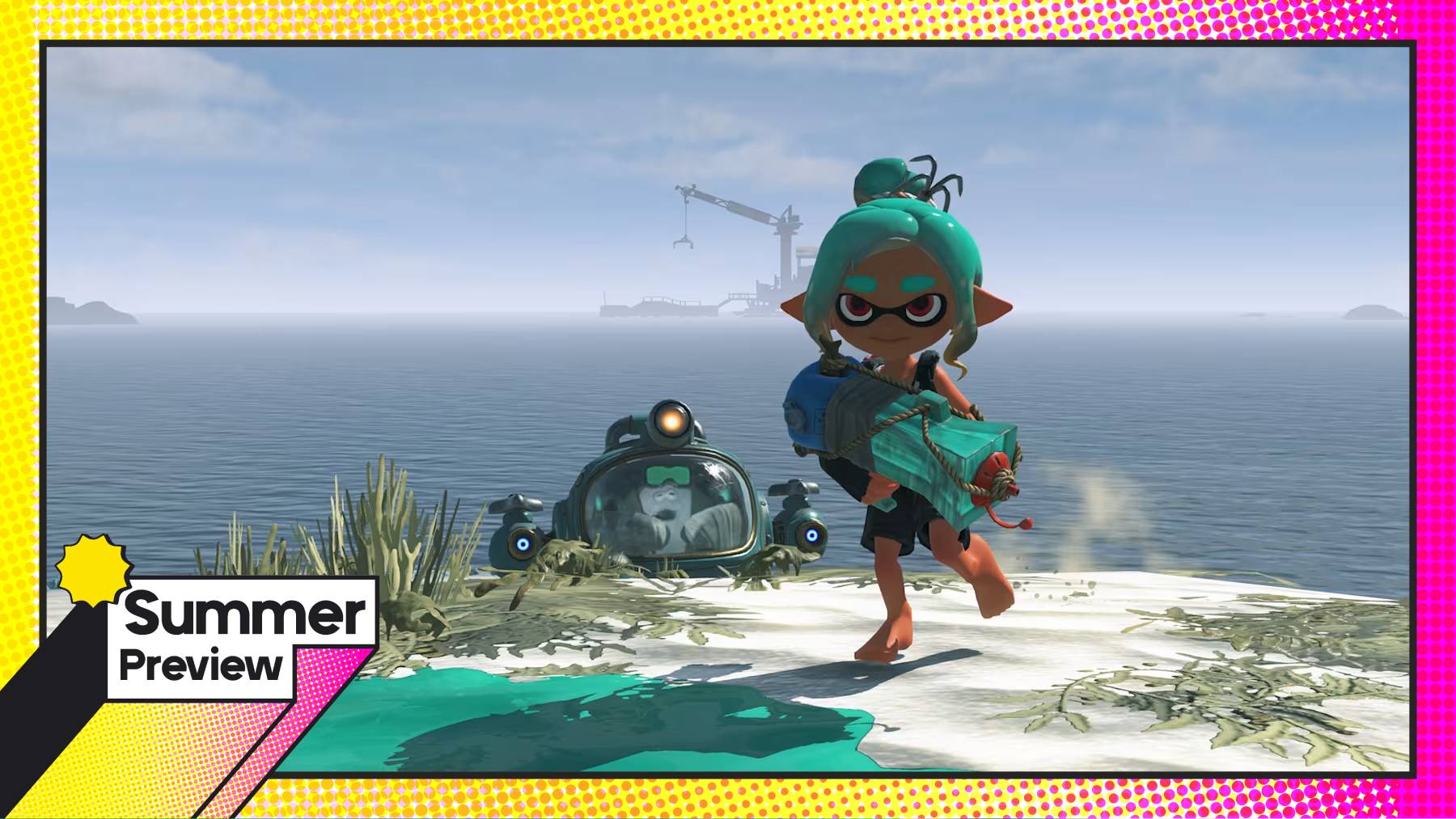
Splatoon: Where Every Match Is Written Down in Ink
In the vibrant, chaotic, and utterly charming world of Splatoon, every splash, every dodge, and every strategic move contributes to a canvas that tells the story of an intense battle. The phrase "Written down in ink" perfectly captures the essence of this unique game. It's not just about winning; it's about making your mark, literally, on the battlefield. With its innovative mechanics, unforgettable characters, and a community as colorful as its paint splatters, Splatoon has carved out a significant niche in the gaming landscape, especially for players looking for something refreshingly different from traditional shooters. This game series, exclusive to Nintendo consoles like the Nintendo Switch, reimagines competitive multiplayer by focusing on territorial control through ink-based combat rather than solely on eliminating opponents. It's a game that invites players of all ages and skill levels to dive into its vibrant world, offering a blend of fast-paced action, strategic depth, and endless fun.
From its debut on the Wii U to its current iteration on the Switch, Splatoon has continuously evolved, expanding its lore, refining its gameplay, and nurturing a passionate fanbase. The core loop remains irresistible: transform between Inkling (or Octoling) and squid form, cover the arena in your team's color, and outmaneuver your rivals. This seemingly simple premise hides layers of tactical play, encouraging teamwork, quick thinking, and adaptability. Whether you're a seasoned veteran or a curious newcomer, the call to action is clear: grab your splat weapon, choose your gear, and prepare to leave your indelible mark on the ink-soaked arenas. Each match is a fresh canvas, waiting for your strategy to be "written down in ink" for all to see.
Diving into the Deep End: The Unique World of Splatoon
At the heart of Splatoon's appeal is its incredibly rich and distinct universe. Far from the grim, gritty battlefields often seen in other shooters, Splatoon introduces us to Inkopolis, a bustling metropolitan hub inhabited by Inklings and Octolings – sentient cephalopod creatures who love fashion, music, and, above all, ink-based turf wars. These characters are not just cute; they are brimming with personality, sporting the latest trends and expressing themselves through their unique abilities. The lore, though often presented subtly through in-game dialogue, collectible scrolls, and even fictional news broadcasts, paints a fascinating picture of a post-human Earth, where these marine creatures have risen to prominence, adapting human culture and technology in their own quirky ways. The game’s world is a masterclass in creative design, blending futuristic elements with a playful, punk-rock aesthetic.
The cities themselves, like Inkopolis Plaza or Splatsville, serve as more than just menu screens; they are living, breathing social hubs where players can see each other's custom characters, check out their gear, and even view their artwork posted on social media-like platforms. This creates a strong sense of community and connection, making the game feel much larger than just its battle arenas. Every detail, from the quirky shopkeepers with their memorable catchphrases to the catchy background music that defines each area, contributes to an immersive experience. It's a world where color is currency, expression is power, and fun is the ultimate goal. The designers at Nintendo truly went above and beyond to create a universe that is both instantly recognizable and deeply engaging, inviting players to not just play a game, but to become a part of something truly special.
Ink: More Than Just Paint – A Mechanic, a Metaphor, a Legacy
The central pillar of Splatoon's gameplay, and arguably its entire identity, is ink. But to call it merely "paint" would be a disservice. Ink in Splatoon is a multi-faceted game mechanic that transforms the battlefield and dictates every aspect of play. It's your ammunition, your movement method, your shield, and your objective all rolled into one vibrant substance. Players shoot ink to damage opponents, but more crucially, to cover the ground. When the ground is covered in your team's ink, you can transform into a squid or octo form, swim quickly through it, reload your weapon, and even hide from enemies. This unique mechanic creates a dynamic flow to battles, turning the environment itself into a strategic element. Control the ink, and you control the match. Lose ink territory, and you lose mobility and options, making you vulnerable.
Beyond its literal function, ink serves as a powerful metaphor. The phrase "Written down in ink" takes on profound meaning here. Every match is a story, and the ink you lay down is the narrative. It represents your effort, your strategy, and your contribution to the team's legacy in that specific battle. Did you make bold pushes into enemy territory? Was your ink placement precise and tactical? Did you save a teammate by splatting an opponent, or cover crucial ground in the final seconds? All these actions are literally "written down" on the map by your ink. This reinforces the idea that every player, regardless of their individual skill in direct combat, can significantly influence the outcome by contributing to the overall ink coverage. It promotes a more inclusive and teamwork-oriented style of play, where every stroke matters.
Moreover, the ink allows for a powerful sense of self-expression. Through character customization, weapon choices, and even the way players decorate their lockers or post drawings in the plaza, ink becomes a medium for creativity. The splats and patterns you leave on the ground are unique to your playstyle, a temporary signature on the canvas of the arena. This ephemeral nature of the ink, constantly being overwritten by opponents and then reclaimed, mirrors the fleeting but impactful moments of a competitive match. Yet, the memory of those moments, the strategies employed, and the thrill of victory or the lessons of defeat, remain – truly "written down in ink" in the annals of your personal gaming experience. It's this deep integration of a central mechanic with thematic elements that makes Splatoon an enduring and beloved title.
Beyond the Paintball: Redefining the Shooter Genre
When Splatoon first launched, it immediately stood out in a genre often dominated by military themes, realistic graphics, and an intense focus on kill-to-death ratios. Splatoon bravely veered in a completely different direction, offering a vibrant, family-friendly alternative that redefined what a "shooter" could be. Its genius lies in shifting the primary objective away from simply eliminating opponents and towards covering the most ground with your team's ink. While splatting (defeating) enemies is certainly helpful, as it temporarily removes them from the map and makes it easier to ink turf, it's not the ultimate goal. This fundamental change makes the game far more accessible and less intimidating for newcomers, fostering a more positive and cooperative atmosphere.
This innovative approach broadens the appeal of the shooter genre significantly. Players who might shy away from traditional competitive games due to their high-pressure, often unforgiving nature find a welcoming home in Splatoon. The emphasis on turf control means that even players who struggle with aiming or quick reflexes can still be incredibly valuable to their team by focusing on covering territory, supporting teammates, or strategically inking hard-to-reach areas. This inclusivity is a cornerstone of Splatoon's design philosophy, allowing a wider demographic of players to enjoy the thrill of online competition without the same level of stress. It proves that a competitive game doesn't have to be violent or overly complex to be strategic and deeply engaging. Instead, Splatoon offers a refreshing take, prioritizing fun, color, and teamwork, creating a gaming experience that truly stands apart.
The Evolution of a Phenomenon: Splatoon Through the Years
The Splatoon series has seen remarkable growth since its initial release, evolving from a quirky new IP into one of Nintendo's flagship franchises. Each iteration has built upon the solid foundation of its predecessor, introducing new features, refining existing mechanics, and expanding the rich world of Inkopolis. The original Splatoon on Wii U introduced the core concept of ink-based turf wars, the unique Inkling characters, and the charming aesthetic that would define the series. It was a bold experiment for Nintendo, moving into a genre they hadn't heavily explored, and it paid off, earning critical acclaim for its innovation.
Splatoon 2 on the Nintendo Switch took everything great about the first game and amplified it. It introduced Octolings as playable characters, expanded the weapon and gear customization options, added new multiplayer maps, and brought with it the beloved Salmon Run cooperative mode. The single-player Octo Expansion also added significant lore and challenging levels, pushing the boundaries of the game's narrative. This sequel cemented Splatoon's status as a top-tier multiplayer title, demonstrating Nintendo's commitment to the franchise. Finally, Splatoon 3 further refined the experience, bringing players to the new hub world of Splatsville, introducing even more weapon types (Stringers and Splatanas), expanding Salmon Run with new bosses, and innovating with new special weapons and movement techniques like the Squid Roll and Squid Surge. Each game has successfully maintained the core identity while consistently delivering fresh content and improvements, ensuring the series remains engaging and relevant for its dedicated fanbase.
Multiplayer Mayhem: Modes and Strategy That Leave a Mark
Splatoon's multiplayer modes are where the game truly shines, offering a diverse range of experiences that cater to different playstyles and strategic preferences. At its heart is Turf War, the accessible and iconic 4v4 mode where the objective is simple: cover the most ground with your team's ink within a three-minute time limit. This mode is the perfect entry point for new players, teaching them the fundamental mechanics of inking turf, swimming through ink, and working with teammates. Despite its simplicity, Turf War can be incredibly deep and strategic, especially in its final moments where a well-timed special weapon or a coordinated push can flip the outcome of a match. It emphasizes constant movement, territorial awareness, and the importance of every single ink drop.
For those seeking a more competitive edge, Ranked Battles (known as Anarchy Battles in Splatoon 3) offer a structured environment with specific objectives beyond just inking turf. These include:
- Splat Zones: Teams compete to control designated areas on the map by covering them in their ink. Once a zone is fully inked, it starts counting down for your team. The first team to reach zero or have the lowest count when time runs out wins. This mode requires constant attention to specific points and often leads to intense tug-of-war battles.
- Tower Control: Teams fight to ride a movable tower to the opponent's goal. Controlling the tower means standing on it and protecting the player riding it. It's a mode that demands coordination, pushing power, and careful defense, often creating clear frontline engagements.
- Rainmaker: A unique mode where players retrieve a powerful weapon called the Rainmaker, which shoots large bursts of ink. The goal is to carry the Rainmaker to the opponent's pedestal. The Rainmaker wielder becomes a high-value target, making teamwork essential for both escorting the carrier and taking them down.
- Clam Blitz: Perhaps the most complex ranked mode, Clam Blitz involves collecting clams scattered across the map. Once a player collects ten clams, they form a "Power Clam." This Power Clam must be thrown into the opponent's basket. Breaking the barrier around the basket requires a Power Clam, after which smaller clams can be scored. This mode emphasizes resource gathering, strategic pushes, and quick decisions on when and where to attack the basket.
Finally, there's Salmon Run, Splatoon's cooperative horde mode. Here, teams of four Inklings or Octolings work together to collect Golden Eggs from Salmonids (enemy creatures) and deposit them into a basket. Facing waves of increasingly aggressive and unique Salmonid bosses, players must manage limited resources, communicate effectively, and combine their weapon specializations to survive. Salmon Run offers a refreshing break from competitive play, focusing purely on teamwork and survival against the environment. It's a highly addictive mode that tests a different set of skills and provides valuable in-game rewards, making it a beloved staple of the Splatoon experience. Each of these modes contributes to the feeling that every game played is truly "written down in ink," a unique narrative of skill, strategy, and splashy fun.
Weapons and Gear: Your Artistic Tools
In Splatoon, your choice of weapon and gear is akin to selecting your artistic tools before painting a masterpiece. The game boasts an impressive arsenal, cleverly disguised as everyday objects repurposed for ink warfare, each offering a distinct playstyle and strategic advantage. Understanding your weapon and how it interacts with the map and your teammates is key to success.
The weapon categories are diverse and innovative:
- Shooters: Your standard automatic or semi-automatic weapons, great for general inking and direct combat. Examples include the Splattershot and N-ZAP.
- Rollers: Excellent for quickly inking large areas of ground and delivering powerful close-range splats. Think of the Splat Roller or Flingza Roller.
- Chargers: Long-range sniper-like weapons that require charging up for powerful, precise shots. The Splat Charger and E-liter 4K are prime examples.
- Splatlings: Heavy weapons that unleash a continuous stream of ink after a charge-up, offering high firepower and area control. The Heavy Splatling is a classic.
- Blasters: Fire explosive ink projectiles that deal splash damage, great for hitting enemies around corners or over obstacles. The Blaster and Range Blaster are disruptive forces.
- Brushes: Fast-moving melee-oriented weapons that ink a path quickly and can aggressively splat foes up close. The Octobrush and Inkbrush define speedy assaults.
- Dualies: Allow players to perform a dodge roll, offering high mobility and evasive maneuvers, perfect for aggressive players. The Splat Dualies and Dark Tetra Dualies are nimble threats.
- Brellas: Unique weapons that can deploy a shield to protect themselves and teammates, also firing ink projectiles. The Splat Brella and Tenta Brella combine offense and defense.
- Stringers: Introduced in Splatoon 3, these are bow-like weapons that can fire multiple arrows of ink horizontally or vertically. The Tri-Stringer offers versatile zoning.
- Splatanas: Also new in Splatoon 3, these sword-like weapons can swing ink horizontally or vertically, and also perform a charged slash. The Splatana Wiper and Splatana Stamper are close-quarters powerhouses.
Gear and Fashion: More Than Just Looks
Beyond weapons, gear plays a crucial role in customizing your Inkling or Octoling. Headgear, clothing, and shoes aren't just for fashion; they each come with various abilities that grant passive bonuses. These abilities can reduce ink consumption, increase movement speed, speed up special charge, enhance jumping, or protect against enemy ink. Players can customize their gear with ability chunks, allowing for deep personalization and optimization of their playstyle. Do you want to be a fast, aggressive front-liner? Stack on Run Speed Up and Swim Speed Up abilities. Prefer to support from a distance? Ink Saver (Main) and Special Charge Up might be your preference. This system adds another layer of strategic depth, allowing players to fine-tune their build to complement their weapon choice and team role. It truly ensures that every aspect of your in-game presence is "written down in ink" through your choices, making your character uniquely yours.
The Splatoon Community: A Canvas of Creativity and Competition
One of Splatoon's greatest strengths lies in its vibrant and dedicated community. Far beyond simply logging in for matches, players engage with the game in myriad ways, fostering a sense of belonging and continuous excitement. Central to this community engagement are the beloved Splatfests. These limited-time events pit two (or three in Splatoon 3) opposing teams, based on fun, often whimsical themes (e.g., "Mayo vs. Ketchup," "Gear vs. Grub vs. Fun"), against each other in massive turf wars. Splatfests generate immense hype, encourage spirited debate, and transform the entire Inkopolis/Splatsville hub into a festival ground. Players rally behind their chosen side, battling for bragging rights and exclusive super sea snails, making these events memorable highlights of the Splatoon experience.
The social hubs themselves, Inkopolis Plaza and Splatsville, are buzzing with player creativity. Through the game's unique "Miiverse"-like (or now, simply Nintendo Switch Online) drawing feature, players can post handwritten or drawn messages that appear as graffiti or digital art throughout the cities and even on loading screens. This spontaneous art gallery showcases the community's talent, humor, and passion, allowing players to share memes, fan art, messages of encouragement, or simply their thoughts on the latest Splatfest. This creates a powerful sense of shared experience and cultural exchange that is rarely seen in other online games. It's a direct way for players to have their personal expression "written down in ink" for countless others to see.
Beyond casual play and art, the Splatoon community also thrives in competitive scenes, lore discussions, and content creation. Dedicated players analyze meta-game strategies, develop competitive teams, and participate in tournaments. Online forums and social media platforms are rife with discussions about the intricate lore, character theories, and upcoming game updates. Streamers and YouTubers provide endless entertainment, showcasing high-level play, comedic moments, and in-depth guides. This multi-faceted engagement ensures that Splatoon remains a living, breathing entity, constantly evolving through the contributions and passion of its players. The community truly takes the foundation Nintendo laid and builds an expansive, colorful world where every player can leave their mark, metaphorically and literally, in ink.
The Visual and Auditory Feast: A Masterclass in Style
Splatoon isn't just fun to play; it's a feast for the senses, delivering a visual and auditory experience unlike any other game. The art style is immediately captivating: bright, bold, and bursting with personality. Every character, weapon, and environment is designed with an infectious energy that screams "fresh." The visual language of the game is impeccable, using vibrant colors not just for aesthetics but as crucial gameplay indicators. The clear distinction between team colors makes it easy to understand the state of the match at a glance, while the dynamic splattering of ink adds a chaotic yet beautiful layer to the battlefield. The character designs, particularly the Inklings and Octolings, are iconic, blending urban fashion with aquatic motifs, making them incredibly appealing and expressive. The world of Splatoon is a masterclass in how to create a unique and memorable identity through visual design alone, ensuring that its aesthetic is "written down in ink" in the minds of players.
Complementing the stunning visuals is an equally impressive soundtrack. Splatoon's music is famously catchy, genre-bending, and incredibly diverse. From high-energy punk-rock tracks that fuel intense turf wars to groovy techno beats in the social hubs and the unsettling, often melancholic tunes of the single-player campaigns, every piece of music is perfectly tailored to its context. The in-game bands, like Wet Floor, Off the Hook, and Deep Cut, are fictional entities within the Splatoon universe, complete with their own lore and distinct musical styles, adding another layer of depth and charm. The sound design extends beyond music, too; the satisfying splat of ink, the squelch of swimming, the unique sound effects of each weapon, and the iconic "Woomy!" or "Ngyes!" voice lines all contribute to an immersive auditory experience. Together, the visuals and audio create an unparalleled atmosphere that is both exhilarating and deeply engaging, proving that style and substance can beautifully coexist in the world of video games.
Why Splatoon Continues to Make Its Mark
Splatoon's enduring popularity and critical acclaim are no accident. It's a game that successfully reimagined an entire genre, injecting it with a much-needed dose of creativity, inclusivity, and vibrant personality. Its innovative ink mechanics offer a fresh take on competitive play, prioritizing territorial control and strategic thinking over raw combat prowess. This design choice opens the door for a wider audience, proving that shooters don't need to be hyper-realistic or violent to be exciting and deeply rewarding. The game's consistent post-launch support, including free content updates, new weapons, maps, and the ever-popular Splatfests, has kept the experience fresh and the community engaged for years, a testament to Nintendo's commitment to the franchise.
Moreover, Splatoon has fostered a unique cultural identity, built around its distinct art style, catchy music, and quirky lore. It’s a game that encourages self-expression, from customizing your character's gear to sharing your artwork in the bustling city hubs. The sense of camaraderie within the community, fueled by cooperative modes like Salmon Run and the festive atmosphere of Splatfests, creates a welcoming and positive environment. Ultimately, Splatoon stands as a testament to Nintendo's ability to innovate and delight. It's more than just a game; it's a phenomenon that has left an indelible mark on the gaming world, a legacy truly "written down in ink" for all to admire and enjoy. Its continued success ensures that Inklings and Octolings will be splatting their way to victory for years to come, painting the world one colorful match at a time.
Conclusion: The Ink-redible Legacy of Splatoon
In a landscape often saturated with conventional ideas, Splatoon emerges as a beacon of originality and joyful innovation. From its foundational premise of covering the ground in vibrant ink to its deeply engaging competitive modes, cooperative challenges, and unparalleled stylistic flair, the series has consistently delivered an experience that is both familiar in its competitive spirit and utterly unique in its execution. Each game played, each strategy deployed, and each laugh shared with teammates is, in essence, "written down in ink" – forming part of the rich tapestry that defines the Splatoon universe and the experiences of its players. It has proven that creativity, accessibility, and a strong sense of identity can forge a lasting legacy in the notoriously competitive world of video games. As the ink continues to fly, one thing remains clear: Splatoon's mark on gaming is permanent, vibrant, and utterly unforgettable.
from Kotaku
-via DynaSage
