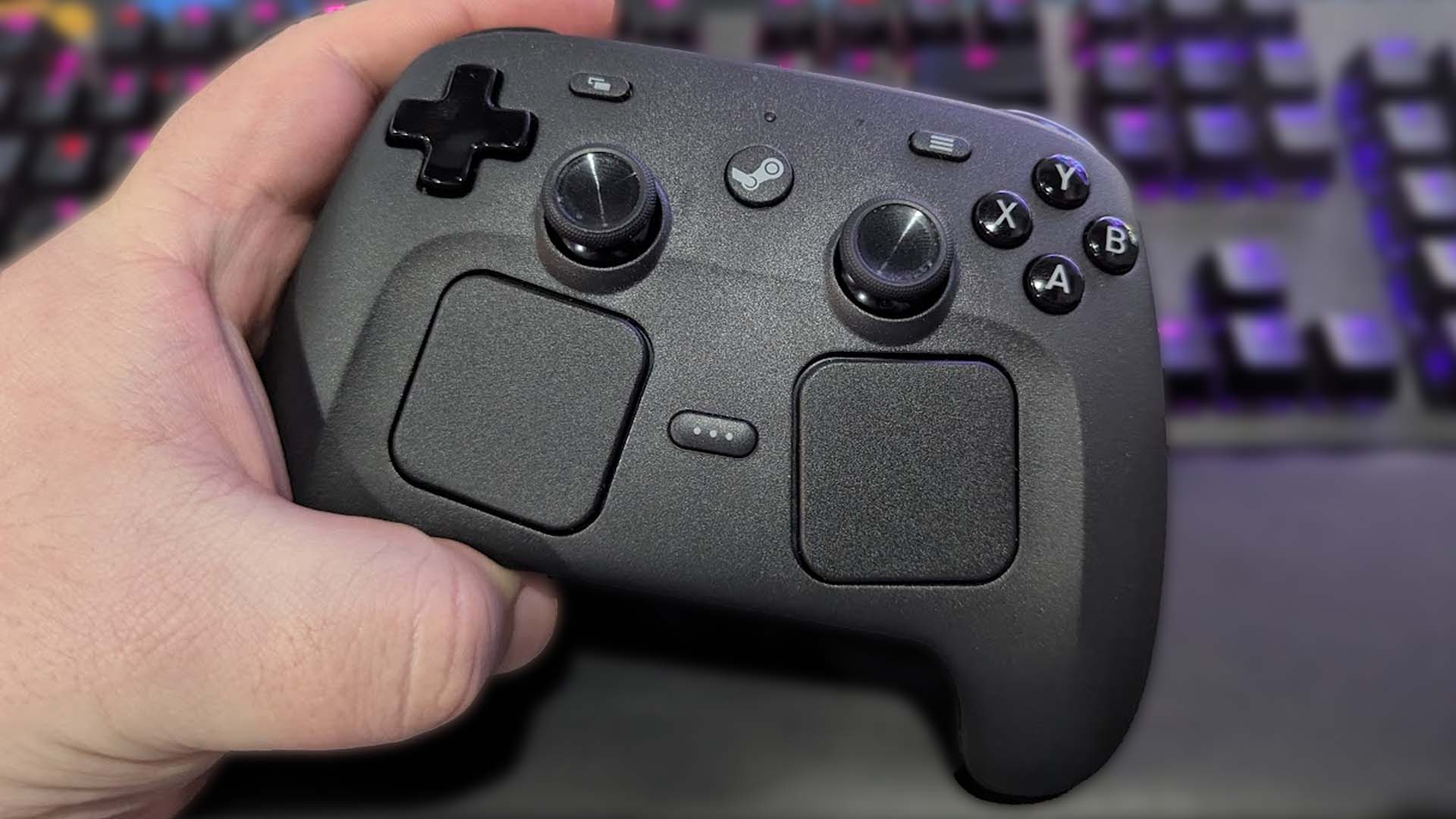
Valve Says Its New Controller Is Shipping Before The Steam Machine Because It’s Unaffected By RAM Shortage And Is ‘Ready Now’
The Unseen Challenges: How Rising Memory Costs Are Shaping the Future of Valve's Hardware Initiatives
In the ever-evolving world of PC gaming and dedicated hardware, innovation often comes with its own set of hurdles. While enthusiasts eagerly anticipate the next big thing, the economic realities of manufacturing can significantly impact development, release, and even the very concept of new products. One such critical factor, often overlooked by consumers, is the fluctuating cost of essential components. Today, we delve into how increased memory costs are influencing Valve's ambitious hardware projects, specifically the upcoming Steam Machine and the speculated Steam Frame.
Understanding Valve's Hardware Vision: Steam Machines Revisited
Valve, the company behind the ubiquitous Steam platform, has always been an innovator in the PC gaming space. Their ventures into hardware began in earnest with the introduction of Steam Machines in 2013, alongside the unique Steam Controller and the Linux-based SteamOS. The core idea was ambitious: to bring the open nature and vast library of PC gaming into the living room, offering a console-like experience without the closed ecosystems of traditional gaming consoles.
Steam Machines were essentially small form-factor gaming PCs designed to run SteamOS, directly competing with PlayStation and Xbox. Valve partnered with various hardware manufacturers like Alienware, CyberPowerPC, and Zotac to produce a range of devices with differing specifications and price points. The vision was to create a diverse ecosystem, giving consumers more choice than ever before in how they accessed their Steam library from the comfort of their couch. This diversity, however, also became one of their challenges, as consumers found themselves navigating a complex landscape of hardware configurations.
The Initial Promise and Challenges
The promise of Steam Machines was enticing: an open platform, access to thousands of games, and the flexibility of PC hardware. However, several factors prevented them from achieving widespread success. Key among these were the nascent state of SteamOS, which initially lacked broad game compatibility compared to Windows, and the ongoing need for developers to port their games to Linux. Furthermore, the market was already saturated with established consoles, and many PC gamers preferred to connect their existing rigs to their TVs or simply stick to desktop play. The hardware landscape was also rapidly changing, making it difficult for manufacturers to keep up with the latest components while maintaining competitive pricing.
Despite these hurdles, the Steam Machine initiative was not a complete failure. It served as a crucial learning experience for Valve, laying the groundwork for future hardware endeavors. The development of SteamOS, the refinement of the Steam Controller, and the deeper understanding of consumer needs in the living room gaming space all contributed to Valve's subsequent hardware successes, most notably the Steam Deck. The challenges encountered provided invaluable insights into component sourcing, manufacturing complexities, and the delicate balance between performance and cost.
The Enigma of "Steam Frame": A Speculative Look at Valve's Next Endeavor
While the "Steam Machine" is a well-documented part of Valve's history, the mention of "Steam Frame" sparks curiosity. Given Valve's past hardware ventures and current market trends, we can speculate on what a "Steam Frame" might entail. It's plausible that Valve is exploring new form factors or functionalities beyond the traditional gaming PC. This could be a thinner, lighter, or even more integrated device, possibly focusing on streaming, cloud gaming, or a specific niche within the PC gaming ecosystem.
Potential Concepts for a "Steam Frame"
- Dedicated Streaming Device: Similar to the defunct Steam Link but with enhanced capabilities, a "Steam Frame" could be a powerful, low-latency client designed to stream games from a more powerful PC or even from cloud gaming services directly to a display. This would minimize local processing requirements, allowing for a much smaller and potentially more affordable device.
- Mini PC with Integrated Display: Imagine a compact all-in-one unit, perhaps resembling a smart display or a small monitor with integrated SteamOS and hardware capable of running less demanding indie titles or older AAA games natively, while still being able to stream more graphically intensive titles. This could appeal to users seeking a minimalist gaming setup.
- Modular Gaming System: Valve has a history of experimenting. A "Steam Frame" could be a modular base unit, allowing users to slot in different components or external GPUs, providing a flexible upgrade path that a traditional console lacks. This would cater to a more enthusiast audience looking for customizability.
- Cloud Gaming Gateway: With the rise of services like GeForce Now and Xbox Cloud Gaming, a "Steam Frame" could be Valve's answer to a dedicated cloud gaming client, optimized for low latency and high-quality streaming from Steam's own servers (if Valve were to launch such a service) or other third-party providers.
Regardless of its exact form, the "Steam Frame" would likely aim to address some of the shortcomings of the original Steam Machines, focusing on a clearer value proposition and a more streamlined user experience. It would also need to carve out its own space in a market now increasingly influenced by handheld gaming PCs like Valve's own Steam Deck and a renewed interest in PC gaming in general. The success of any new hardware, however, hinges significantly on the cost of its internal components.
The Crucial Role of Memory Costs in Hardware Development
Memory, specifically Random Access Memory (RAM) and Graphics Double Data Rate (GDDR) memory, is a foundational component in any modern computing device, especially gaming hardware. RAM acts as the short-term data storage for the CPU, allowing quick access to information needed for active applications and games. GDDR memory (VRAM) is specialized RAM used by the graphics processing unit (GPU) to store image data, textures, and other graphical assets, crucial for high-fidelity gaming. Solid State Drives (SSDs) also play a critical role in overall system responsiveness and game loading times, and their prices also fluctuate significantly.
The cost of these memory components can fluctuate wildly due to a complex interplay of supply and demand, manufacturing capacities, technological advancements, and even global geopolitical events. When memory prices rise, it directly impacts the bill of materials (BOM) for hardware manufacturers. This means that a device designed with a target price in mind might suddenly become unprofitable to produce or too expensive for the target consumer market.
Factors Influencing Memory Prices
- Global Demand: High demand for smartphones, servers (especially for cloud computing and AI), and consumer electronics can strain memory chip production, driving prices up.
- Manufacturing Capacity: Building and maintaining semiconductor fabrication plants (fabs) is incredibly expensive and time-consuming. Any issues in production, natural disasters affecting facilities, or delays in new fab construction can limit supply.
- Technological Transitions: Shifts to new memory standards (e.g., DDR4 to DDR5, GDDR5 to GDDR6) can temporarily create supply imbalances as manufacturers retool and ramp up production of the new generation.
- Geopolitical Factors and Trade Policies: International trade disputes, tariffs, and even regional conflicts can disrupt supply chains and increase costs for raw materials or finished components.
- Economic Inflation: Broader economic pressures can also contribute to increased manufacturing and shipping costs, which are then passed on to component prices.
For a company like Valve, or any hardware maker, these cost fluctuations are not just minor inconveniences; they are significant business challenges. A sudden surge in memory prices can force a complete reevaluation of a product's specifications, target price, or even its release schedule. This is particularly true for devices that aim for a specific price point, like gaming consoles or niche PC hardware, where every dollar in the BOM counts.
The market for gaming hardware is highly sensitive to price. Consumers expect a certain level of performance for their money, and if memory costs push a product beyond a competitive price point, it risks failure, regardless of its innovative features. Therefore, managing memory costs effectively is paramount for the viability of any new gaming device.
The Impact of Increased Memory Costs on Valve's Hardware Initiatives
The statement that the upcoming Steam Machine and Steam Frame "have been affected by increased memory costs" is quite telling. It suggests that these projects are likely facing delays, design changes, or a reevaluation of their retail pricing strategies.
Potential Consequences for Steam Machine
If Valve is considering a new iteration of the Steam Machine, it would likely aim to be more powerful and efficient than its predecessors. Modern games demand more RAM and VRAM than ever before. For a new Steam Machine to be competitive in today's market, it would need a substantial amount of fast memory. If the cost of this memory has surged, Valve and its partners face a dilemma:
- Higher Retail Price: The device might need to launch at a higher price than initially planned, potentially making it less attractive compared to traditional gaming PCs or consoles.
- Reduced Specifications: To keep the price down, Valve might have to reduce the amount or speed of RAM/VRAM, leading to a less powerful device that struggles with demanding games, contradicting the goal of a robust gaming machine.
- Delayed Release: Developers might choose to wait for memory prices to stabilize or decrease, delaying the product's launch until it can be offered at a more competitive price point.
- Slimmer Profit Margins: If Valve decides to absorb some of the increased costs to maintain a competitive price, it would cut into their profit margins, making the project less financially attractive.
Given the original Steam Machine's struggles, Valve would be acutely aware of the need to hit a sweet spot in terms of performance and price. Elevated memory costs complicate this balance significantly.
Consequences for the Speculated Steam Frame
For the hypothetical "Steam Frame," the impact of memory costs depends heavily on its intended purpose:
- Streaming Device: Even a dedicated streaming client requires sufficient RAM to run its operating system, decode video streams, and manage network traffic efficiently. While it won't need as much as a gaming PC, unexpected cost hikes could still inflate its price, potentially eroding its appeal as an affordable streaming solution.
- Mini PC / Cloud Gaming Gateway: If the Steam Frame is designed to run some games locally or act as an intelligent gateway, it would require more robust memory specifications. Increased costs here could force compromises on performance or price, making it less competitive against devices like the Steam Deck or even smart TVs with integrated apps.
Valve's strategy often involves providing a high-value product at a reasonable price, as seen with the Steam Deck. Cost-effective hardware is crucial for achieving market penetration, and memory is a non-negotiable component. The "affected by" phrasing implies that the company is actively grappling with these issues, perhaps necessitating a redesign or a strategic pivot.
Valve's Hardware Journey: Lessons Learned and Future Directions
Valve has a unique approach to hardware. Unlike companies that release annual iterations, Valve tends to release devices only when they feel they have something genuinely innovative or disruptive to offer. The Steam Machine era, while not a commercial blockbuster, provided invaluable lessons in user experience, Linux gaming, and the complexities of hardware manufacturing and distribution.
The success of the Steam Deck stands as a testament to these learned lessons. By focusing on a single, well-defined hardware target, Valve was able to optimize SteamOS, ensure broad game compatibility via Proton, and deliver a compelling handheld PC gaming experience at a competitive price. The Steam Deck carefully balanced performance with cost, utilizing custom APUs and specific memory configurations to achieve its goals. This success indicates that Valve is capable of navigating complex hardware challenges when the vision is clear and execution is focused.
Navigating Supply Chains in a Global Economy
The recent global supply chain disruptions, chip shortages, and inflationary pressures have highlighted the precarious nature of hardware manufacturing. Companies must now factor in not just the raw cost of components, but also the resilience of their supply chains, the availability of specialized labor, and the ever-present threat of market volatility. For a company developing new hardware like a Steam Machine or Steam Frame, these external factors are as important as internal design decisions.
Valve, with its experience in producing and shipping Steam Decks globally, has undoubtedly gained significant expertise in navigating these complex supply chains. This experience will be critical in mitigating the impact of increased memory costs on their upcoming projects. They might explore alternative memory suppliers, negotiate long-term contracts, or even consider designing hardware that allows for more flexible memory configurations to adapt to market changes.
The Broader Implications for PC Gaming and Dedicated Hardware
The challenges faced by Valve due to memory costs are not isolated. The entire technology industry, from smartphone manufacturers to console makers, grapples with these issues. For PC gaming specifically, it means that the cost of entry for building a high-end gaming PC remains volatile. When RAM and VRAM prices increase, so does the cost of graphics cards and overall system builds, potentially making PC gaming less accessible to a broader audience.
Dedicated gaming hardware, like consoles or niche devices such as Steam Machines, are particularly sensitive because they are often designed with very specific price targets to compete in a crowded market. If a manufacturer cannot hit that target, the product's viability is severely threatened. This can stifle innovation and limit consumer choice, pushing companies towards more conservative designs or delaying novel product categories.
This situation also underscores the importance of software optimization. If hardware costs become prohibitive, efficient software that can make the most of less powerful or less expensive components becomes even more valuable. SteamOS, with its continuous improvements and Proton compatibility layer, plays a crucial role here, aiming to extract maximum performance from the underlying hardware.
Conclusion: A Balancing Act in a Dynamic Market
The news that Valve's upcoming Steam Machine and Steam Frame are "affected by increased memory costs" is a clear indicator of the constant balancing act hardware manufacturers face. Innovation doesn't happen in a vacuum; it's intricately linked to economic realities, supply chain dynamics, and the ever-fluctuating cost of components. For Valve, a company known for its patient and deliberate approach to hardware, this likely means a careful reassessment of design, pricing, and timing for these anticipated products.
Whether the "Steam Frame" emerges as a sleek streaming client, a modular mini-PC, or something entirely different, its journey will undoubtedly be shaped by these economic pressures. Similarly, any new Steam Machine iteration will need to demonstrate exceptional value to overcome its predecessors' challenges and justify its price point in a memory-constrained market.
As consumers, understanding these underlying economic factors helps us appreciate the complexities involved in bringing advanced technology to market. For now, we await further updates from Valve, hoping that they can navigate these cost challenges to deliver their next generation of innovative gaming hardware without compromising on quality or accessibility. The future of PC gaming in the living room, and perhaps beyond, depends on their ability to adapt and overcome these significant hurdles.
from Kotaku
-via DynaSage

Post a Comment