Phantom Blade Zero Dev Comes Out Against AI Slopface That Could ‘Alter Our Artists’ Original Creative Intent’ After DLSS 5 Drama
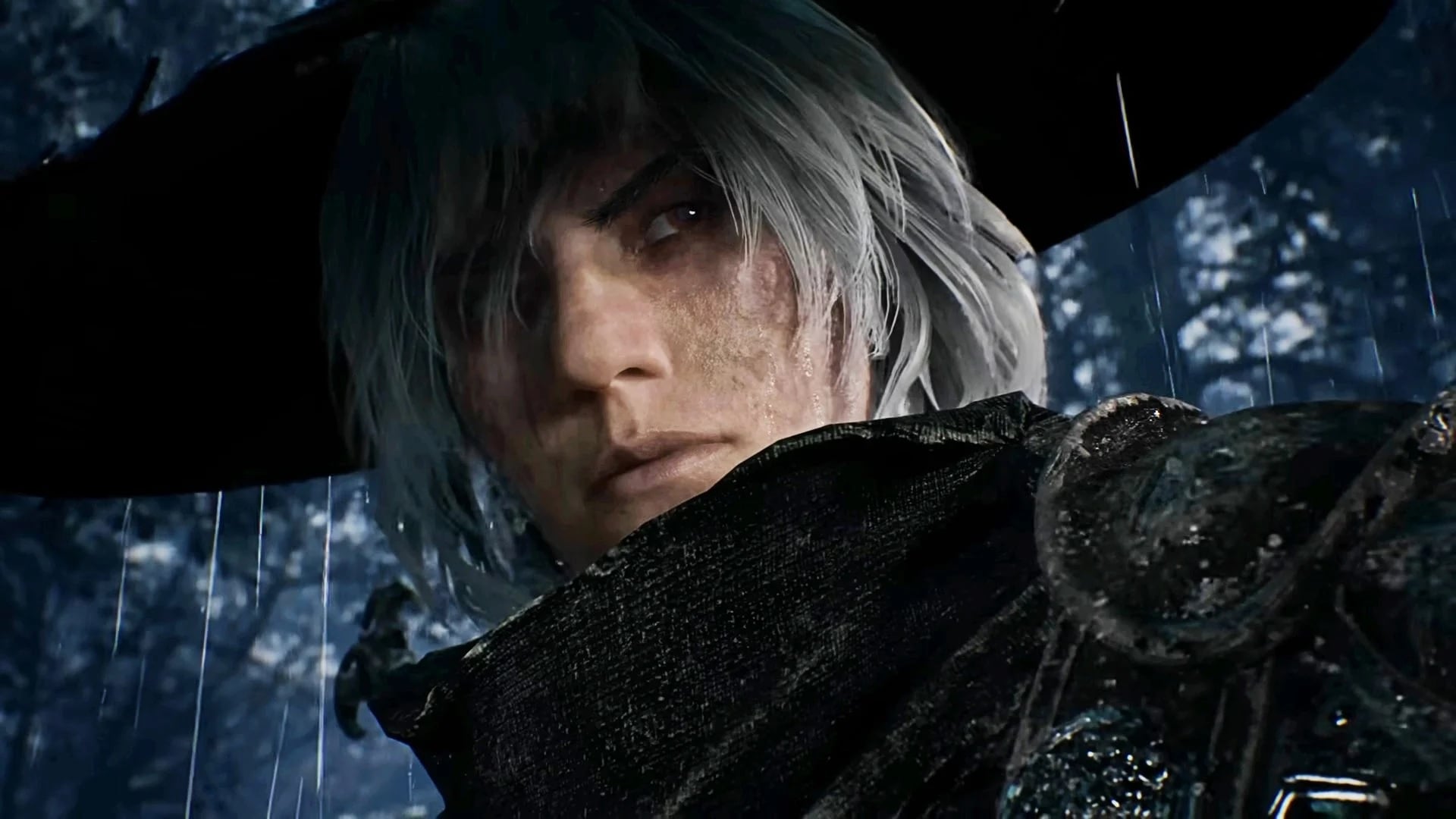
Phantom Blade: The Action-RPG Diving Headfirst into Nvidia's AI Revolution
The world of video games is always changing, always pushing boundaries. We've seen graphics go from blocky pixels to incredibly realistic scenes, and gameplay evolve from simple button mashing to deep, complex adventures. Now, a new frontier is emerging, powered by Artificial Intelligence (AI), and it's bringing with it both excitement and debate. One of the games leading this charge is the highly anticipated action-RPG, Phantom Blade, which is making waves not just for its engaging gameplay but also for its embrace of a new and quite controversial AI technology from Nvidia.
For many years, Nvidia has been at the forefront of gaming technology, especially when it comes to making games look stunning and run smoothly. Their graphics cards are legendary, and innovations like Ray Tracing (for realistic lighting) and DLSS (which uses AI to make games look sharper and run faster) have become industry standards. However, their latest venture into AI for games goes beyond just visuals and performance. It aims to change how games are made, how characters act, and how players interact with game worlds. With Phantom Blade stepping up as one of the early adopters, it gives us a clear look at what this future might hold – and why it's stirring up so much discussion.
What is Phantom Blade? A Glimpse into the Action-RPG
Before we dive into the AI discussion, let's understand the game itself. Phantom Blade Zero (often referred to simply as Phantom Blade) is an upcoming action role-playing game that has already captured the attention of many gamers with its dark, atmospheric aesthetic and fast-paced, fluid combat. Developed by S-GAME, it promises a unique blend of martial arts, supernatural elements, and a captivating story set in a world called "Phantom World."
The game looks like it will offer players a deep and challenging experience, typical of the action-RPG genre. Players will likely customize their character, learn new skills, collect powerful gear, and face off against formidable enemies. The visual style, with its intricate character designs and detailed environments, suggests a game that aims for a high level of immersion. Combat appears to be a major highlight, requiring skill, timing, and strategic use of abilities, reminiscent of popular "soulslike" games or character action titles.
In essence, Phantom Blade is positioned to be a visually striking and mechanically satisfying action-RPG. Its developers are clearly aiming for a premium experience, which makes its decision to integrate advanced AI technology even more significant. This isn't just a small indie title experimenting; this is a major production using cutting-edge tech to enhance its core offering. The choice to include Nvidia's new AI tools indicates a desire to push the boundaries of what an action-RPG can be, making the game world and its inhabitants feel more alive and responsive than ever before.
Unpacking Nvidia's "New AI Tech": Beyond Just Graphics
When we talk about "Nvidia AI tech" in gaming, many immediately think of DLSS (Deep Learning Super Sampling). DLSS is fantastic; it uses AI to cleverly upscale lower-resolution images, making games look sharp on high-resolution screens while demanding less from your graphics card. This means higher frame rates and smoother gameplay. However, the "controversial new Nvidia AI tech" Phantom Blade is supporting goes beyond visual enhancements.
This new generation of AI tools, often referred to under banners like "Nvidia ACE (Avatar Cloud Engine) for Games" or other specialized AI frameworks, focuses on making game worlds more dynamic and characters more intelligent and interactive. Imagine a game where non-player characters (NPCs) don't just repeat pre-recorded lines or follow rigid scripts. Instead, they can understand your questions, generate unique dialogue on the fly, and even react emotionally to your actions and the unfolding story.
Here's a breakdown of what this "new AI tech" typically involves:
- AI-Powered NPCs and Dialogue Generation: This is perhaps the most talked-about aspect. Instead of writers scripting every single line for every minor character, AI language models can generate dialogue based on character personalities, the current game state, and player input. This means NPCs can have more natural, unscripted conversations, potentially making every playthrough feel unique.
- Dynamic Storytelling and Quests: With intelligent NPCs and AI systems that can understand narrative progression, games could theoretically generate more dynamic quests or alter storylines based on player choices and interactions in ways that are far more complex than traditional branching narratives.
- Procedural Content Generation with AI: While procedural generation (creating game elements like maps or items automatically) isn't new, AI can take it to the next level. AI can be used to generate more coherent, diverse, and aesthetically pleasing environments, enemies, or even entire game areas, tailored to player preferences or story needs.
- Advanced Character Animation: AI can assist in creating more realistic and varied character animations, from subtle facial expressions during dialogue to complex combat maneuvers, potentially reducing the manual workload for animators.
Essentially, this technology aims to infuse games with a level of unpredictability and intelligence previously unimaginable. It seeks to break free from the constraints of manually crafted content, offering an ever-evolving, highly responsive game world. For a game like Phantom Blade, an action-RPG focused on immersion and combat, this could mean more believable antagonists, more engaging side quests, and a world that truly feels alive.
Why the Controversy? Unpacking the Debate
With such powerful potential, one might wonder why this technology is controversial. The debates are multi-layered, touching on ethical concerns, creative control, economic impact, and the very nature of what makes a game enjoyable. Let's explore the main points of contention:
Concerns for Developers and Artists: Job Security and Creative Control
Perhaps the most immediate concern comes from within the game development community. Artists, writers, voice actors, and animators worry about their jobs. If AI can generate environments, script dialogue, or even animate characters, will there still be a need for human creators in the same capacity? This isn't just about efficiency; it's about the fear of automation replacing human ingenuity and livelihoods. Many argue that human creativity is irreplaceable, but the economic pressures to adopt AI tools could lead to smaller teams and fewer jobs.
There's also the question of creative control. While AI can generate content, can it truly capture the nuances, themes, and emotional depth that human writers and artists pour into their work? Some fear that over-reliance on AI could lead to games that feel generic, "soulless," or lacking a distinct artistic vision, as the AI might optimize for efficiency or statistical averages rather than genuine innovation or emotional impact.
Ethical Considerations: Ownership, Bias, and Deepfakes
The ethical implications of AI-generated content are vast. Who owns the copyright to dialogue or artwork generated by an AI? If the AI was trained on existing human-created content, does that constitute intellectual property theft? These legal questions are still largely unresolved.
Furthermore, AI models are trained on massive datasets, and these datasets can carry biases present in the real world. If an AI generates characters or dialogue, it could inadvertently perpetuate stereotypes or create problematic content. There are also concerns about "deepfake" technology, where AI can mimic human voices or appearances so convincingly that it could be misused.
Player Experience: Authenticity, Unpredictability, and Glitches
From a player's perspective, the controversy stems from several areas. Will AI-generated dialogue feel authentic? While it might be grammatically correct, will it have the wit, personality, or emotional resonance of well-written human dialogue? There's a risk that conversations could feel generic, nonsensical, or simply "off," breaking immersion rather than enhancing it.
The very unpredictability that AI promises can also be a double-edged sword. While emergent gameplay is exciting, poorly implemented AI can lead to absurd situations, frustrating bugs, or characters acting illogically, pulling players out of the experience. The current state of large language models, while impressive, still occasionally produces factual errors or "hallucinates" information, which could be disastrous in a narrative-driven game.
Performance and Hardware Requirements: The "Nvidia-Only" Aspect
Historically, Nvidia's cutting-edge tech often comes with a performance cost and can sometimes be proprietary, meaning it works best, or only, on Nvidia hardware. This creates a potential divide among gamers depending on their graphics card brand. If Nvidia's new AI tech requires specific hardware to run effectively, it could mean that players with AMD or Intel graphics cards might not get the full experience, or their performance might suffer significantly. This can be seen as segmenting the player base and forcing hardware upgrades, which always sparks debate.
The processing power needed for complex AI models, especially those running in real-time within a game, can be substantial. Even with dedicated AI cores (like Nvidia's Tensor Cores), running these systems alongside complex game engines could push hardware to its limits, potentially leading to lower frame rates or requiring even more powerful (and expensive) GPUs.
How Nvidia's AI Tech Might Enhance Phantom Blade
Despite the controversies, the potential benefits of this AI tech for an action-RPG like Phantom Blade are compelling. If implemented successfully, it could transform how players interact with and perceive the game world.
More Engaging NPCs and Dynamic Interactions
Imagine wandering through the Phantom World and encountering an NPC. Instead of them spouting a fixed line, you could ask them about the current political climate, rumors of a monster in the nearby forest, or even their personal history, and receive a coherent, unique answer tailored to your query. This level of dynamic interaction would make NPCs feel less like glorified quest givers and more like genuine inhabitants of the world. In Phantom Blade, where atmosphere and narrative are crucial, this could greatly deepen immersion.
AI could also allow for more nuanced reactions from NPCs. If you repeatedly choose a morally ambiguous path, NPCs might express fear or distrust, impacting future interactions or even leading to new, AI-generated side quests that reflect your reputation. This creates a highly personalized and responsive narrative experience.
Emergent Storylines and Enhanced Replayability
Action-RPGs thrive on replayability. While Phantom Blade will undoubtedly have a core narrative, AI could introduce emergent storylines. A simple rumor generated by an NPC's AI could evolve into a complex quest chain as you investigate, leading to unexpected encounters or resolutions that weren't explicitly pre-scripted by the developers. This means each playthrough could genuinely feel different, offering fresh challenges and discoveries.
For example, a villain's plans could adapt based on how you foil their previous attempts, making them feel like a more intelligent and reactive adversary. This dynamic progression could keep players hooked for hundreds of hours, as they never quite know what unique situations the AI will create.
A More Alive and Responsive Game World
The Phantom World is described as dark and atmospheric. AI could enhance this by making the environment itself feel more alive. Environmental NPCs could react more realistically to events, weather patterns could influence NPC behavior or even combat scenarios in unforeseen ways, and the world's lore could be explored through organic conversations rather than just static text logs.
In combat, AI could make enemies more adaptable and challenging. Instead of just following predefined attack patterns, AI enemies could learn from your tactics, adjust their strategies, or even communicate more effectively with each other, creating more dynamic and unpredictable battles that keep players on their toes.
The Promise of AI in Action-RPGs: Beyond Controversy
Looking past the debates, the potential of AI in action-RPGs is truly exciting. It could herald a new era of gaming where worlds are more expansive, stories are more personal, and every decision truly matters.
Unprecedented Replayability
One of the biggest draws of AI-driven content is the promise of endless replayability. If game elements like quests, character interactions, and even environmental details can be dynamically generated or significantly altered by AI, then each new game session, or even each new character, could offer a uniquely fresh experience. This is a holy grail for action-RPGs, which often rely on players spending hundreds of hours in their worlds.
Personalized Gaming Experiences
AI has the potential to tailor the game experience specifically to individual players. Imagine an AI learning your combat preferences and adjusting enemy types or boss mechanics to perfectly challenge you, or an AI observing your narrative choices and weaving future story elements that resonate deeply with your playstyle and moral compass. This level of personalization could create an incredibly intimate and immersive journey for every player.
Emergent Gameplay and Unscripted Moments
Some of the most memorable moments in gaming arise from unscripted, emergent situations. AI can amplify this. A random NPC interaction could lead to an unexpected alliance or betrayal. An environmental detail, dynamically generated, could hide a crucial clue. These "water cooler moments" – where players share unique, unplanned experiences – could become far more common, making game worlds feel truly alive and unpredictable.
Increased Realism and Immersion
While graphics have come a long way, the believability of NPC behavior and world responsiveness often lags. AI can bridge this gap, making characters react with more realistic emotions, engaging in more natural conversations, and having a greater sense of agency within the game world. This enhanced realism translates directly into deeper immersion, pulling players further into the fantastical realms of games like Phantom Blade.
Empowering Developers (with Caution)
While job displacement is a concern, AI tools can also empower developers, particularly smaller teams. AI could handle tedious, repetitive tasks, freeing up human designers to focus on creative vision, polish, and quality control. It could enable the creation of larger, more complex worlds with fewer resources, democratizing game development to some extent, provided the tools are accessible and ethical guidelines are in place.
Addressing the Challenges: Nvidia's Path Forward and Industry Responsibility
For AI in gaming to truly flourish and move past its "controversial" label, the challenges must be proactively addressed by companies like Nvidia and the wider gaming industry. This isn't just about technological advancement; it's about responsible innovation.
Transparency and Clear Communication
Nvidia and game developers need to be transparent about how AI is being used. Clearly communicating what aspects are AI-generated versus human-crafted can help manage player expectations and build trust. For example, if an NPC's dialogue is AI-powered, players should know that, perhaps even with an option to toggle certain AI features on or off.
Hybrid Approaches: AI-Assisted, Not AI-Driven
The most promising path forward likely involves hybrid approaches. Instead of AI completely replacing human creativity, it should act as a powerful assistant. AI can generate drafts, provide variations, or handle background tasks, while human writers, artists, and designers retain ultimate creative control and polish the final product. This leverages AI's strengths for efficiency while preserving the artistic integrity and "soul" that human creators bring.
For Phantom Blade, this might mean AI generates initial dialogue options for minor NPCs, which are then reviewed and refined by human writers, or AI assists in creating vast environmental textures that are later hand-painted and detailed by artists. This collaborative model can yield superior results.
Robust Ethical Guidelines and Safeguards
The industry needs to establish clear ethical guidelines for AI use, particularly regarding intellectual property, bias mitigation, and responsible content generation. Companies must invest in tools and processes to detect and prevent harmful or inappropriate AI outputs. Safeguards should be in place to ensure AI models are not trained on copyrighted material without proper consent or compensation, and to continuously monitor for biases in generated content.
Focus on Quality and Player Experience
Ultimately, the success of AI in gaming will hinge on whether it genuinely enhances the player experience. If AI leads to bland, buggy, or frustrating interactions, players will reject it. Developers must rigorously test AI integrations to ensure they add depth, immersion, and fun, rather than detracting from it. For Phantom Blade, this means ensuring that the AI-powered elements seamlessly integrate with its core combat and narrative, adding value without feeling tacked on or artificial.
Hardware Accessibility and Optimization
Nvidia needs to ensure its AI technologies are well-optimized across a range of hardware, or at least offer scalable solutions. While cutting-edge tech often demands high-end GPUs, the goal should be to make these innovations accessible to a wider player base over time. Collaborating with other hardware manufacturers or developing open standards for AI in games could also help alleviate concerns about proprietary lock-ins.
The Broader Impact on the Gaming Industry
Phantom Blade's adoption of Nvidia's controversial AI tech is more than just a feature for one game; it's a bellwether for the entire gaming industry. Its success or failure could significantly influence how other developers and publishers approach AI integration.
A Catalyst for Innovation
If Phantom Blade successfully demonstrates the value of this AI tech, it could spur a wave of innovation. Other developers might feel compelled to explore similar tools, leading to a rapid evolution in game design. We could see games with truly dynamic worlds, where player actions have far-reaching, unpredictable consequences, and every encounter feels unique.
Shifting Development Paradigms
The way games are made could fundamentally change. Traditional linear pipelines for writing, level design, and animation might evolve into more iterative processes where AI generates possibilities, and human creators curate and refine. This could lead to faster development cycles for certain types of content or allow for the creation of games with unprecedented scale and complexity.
New Skill Sets for Developers
The rise of AI will also necessitate new skill sets for game developers. Understanding how to prompt AI, manage AI models, and integrate AI-generated content effectively will become increasingly important. Game development education will need to adapt to train the next generation of creators in these hybrid human-AI workflows.
Competition and Industry Standards
Nvidia's move will likely prompt other tech giants, such as AMD, Intel, and even console manufacturers (Sony, Microsoft), to accelerate their own AI research and development for gaming. This competition could lead to even more advanced and perhaps more open AI platforms, ultimately benefiting developers and players alike. As these technologies mature, industry-wide standards for AI ethics, interoperability, and performance will become crucial.
Looking Ahead: The Future of AI and Gaming
The journey of AI in gaming, with titles like Phantom Blade leading the way, is just beginning. What we're seeing now is merely the tip of the iceberg, and the next 5-10 years promise even more transformative changes.
Imagine truly adaptive game masters that learn your playstyle and create dungeons, puzzles, or narrative beats specifically designed to challenge or entertain you. Picture NPCs with deep, evolving personalities, capable of forming genuine relationships (or rivalries) with players that span entire game worlds. Consider games where every object, every blade of grass, and every cloud is dynamically generated and reacts intelligently to your presence and the changing game state.
AI could also personalize accessibility features, adapting interfaces or control schemes based on individual player needs without manual configuration. It could power more sophisticated multiplayer experiences, creating dynamic events that involve multiple players in emergent, collaborative storytelling. The lines between pre-scripted content and dynamically generated experiences could blur entirely.
However, this future hinges on responsible development and a continued focus on human creativity. AI should enhance, not replace, the magic that human artists and storytellers bring to games. It needs to be a tool that empowers, rather than diminishes, the human element of game creation and enjoyment.
Conclusion: A New Era of Interactive Entertainment
Phantom Blade's embrace of Nvidia's controversial new AI tech marks a significant moment in gaming history. It's a bold step into a future where games could be more immersive, dynamic, and personalized than ever before. While the technology brings with it legitimate concerns regarding job security, ethical use, and potential impact on creative integrity, its potential to revolutionize action-RPGs and the wider gaming landscape is undeniable.
As players delve into the dark, action-packed world of Phantom Blade, they won't just be experiencing a new game; they'll be witnessing a pivotal moment in the evolution of interactive entertainment. The success of this integration will shape discussions and development for years to come, pushing us all to consider what it truly means for a game world to be "alive" and what role AI will play in crafting the next generation of unforgettable adventures. The debate is healthy, and the journey promises to be fascinating.
from Kotaku
-via DynaSage

Post a Comment