‘I Don’t Wanna See Anymore G*d D*mn r/tomodachilife On This Subreddit ANYMORE!’ – Rupaul’s Drag Race Subreddit Is Fed Up With Tomodachi Life
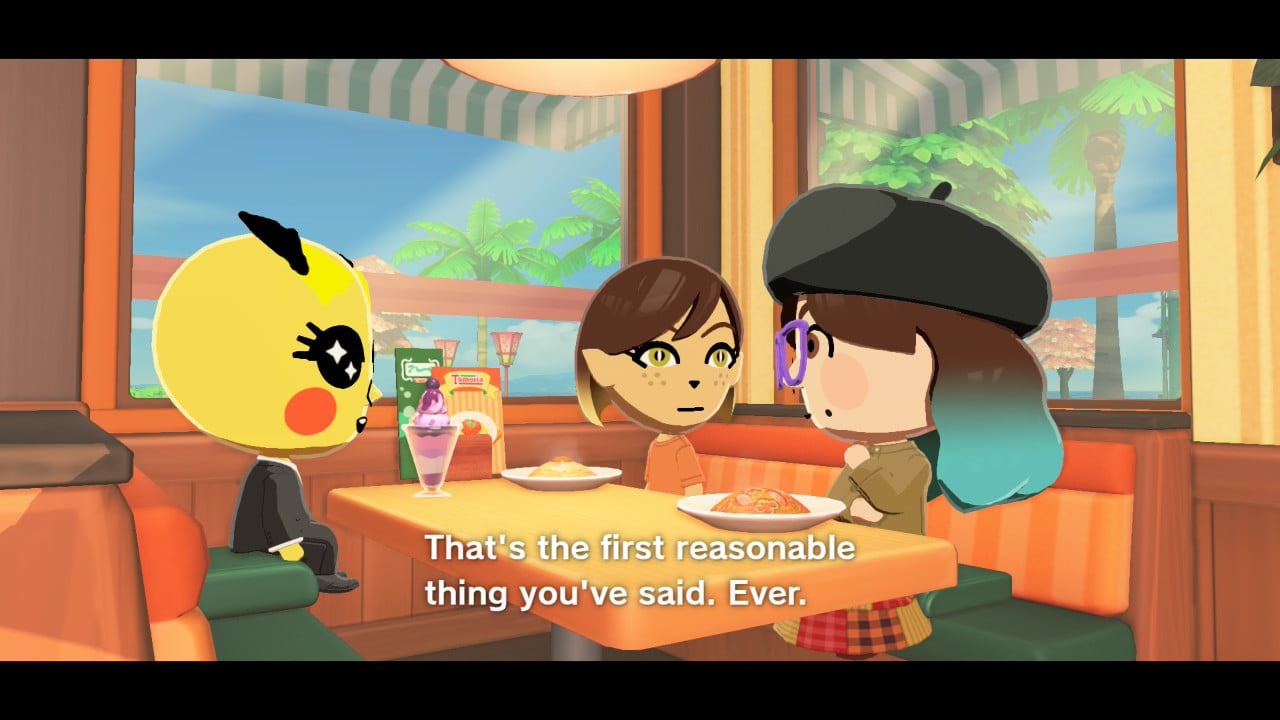
Don't Ban Mii: Celebrating the Unique Charm and Enduring Legacy of Nintendo's Mii Characters
In the vast world of video games, where incredible graphics and complex stories often take center stage, there's a special place for simplicity, charm, and personal connection. Nintendo’s Mii characters perfectly embody this spirit. These customizable avatars, first introduced with the Nintendo Wii, became an instant hit, allowing players to bring themselves, their friends, and even their favorite celebrities into their gaming experiences. More than just digital representations, Miis fostered a sense of belonging, humor, and endless creative possibilities. Yet, as gaming evolves, there's a quiet concern that these beloved characters might fade away or face restrictions. This is why the plea, "Don't ban Mii," resonates deeply with a generation of gamers who cherish the unique magic Miis bring to the table.
Miis are more than just character models; they are gateways to personalized fun. They've been at the heart of some of Nintendo's most iconic and universally loved games, from the active living rooms of Wii Sports to the quirky, everyday drama of Tomodachi Life. Their simple, cartoonish design makes them approachable for all ages, while the robust customization options allow for surprisingly accurate or hilariously exaggerated creations. The idea that these delightful digital companions could be marginalized or, worse, "banned" in any form, feels like losing a piece of gaming history and a vibrant part of Nintendo's identity.
The Birth of a Phenomenon: How Miis Captured Hearts
The story of Miis began with the Nintendo Wii, a console that revolutionized gaming by bringing it to a wider audience than ever before. Released in 2006, the Wii broke down barriers, encouraging families and friends to play together in their living rooms. At the core of this accessibility was the Mii. When you first set up your Wii, one of the initial tasks was creating your Mii. This wasn't just a minor step; it was an invitation to personalize your console, to see yourself directly reflected in the gaming world.
Creating a Mii was an intuitive and enjoyable process. With a limited but expressive set of facial features, hairstyles, and accessories, players could craft avatars that looked uncannily like real people or wildly imaginative characters. This simplicity was its genius. You didn't need to be an artist; the tools were easy to use, and the results were always charming. Suddenly, your grandma could be a tennis champion in Wii Sports, your best friend could be a pro bowler, and you could race alongside them in Mario Kart Wii.
This personal touch made games instantly more engaging. Seeing your own face, or a recognizable caricature of a loved one, on screen added an unparalleled layer of immersion and humor. The Mii became a symbol of the Wii's success, representing its mission to make gaming accessible, social, and fun for everyone. It was a digital "you" that could go on countless adventures, without the need for complex character customization systems often found in more hardcore role-playing games.
More Than Just Avatars: The Mii's Role in Gaming Culture
Miis quickly transcended their role as mere profile pictures. They became integral to the gameplay experience itself in many Nintendo titles, profoundly impacting gaming culture in several ways:
Personalization and Emotional Connection
For many players, their Miis became extensions of themselves. They weren't just characters; they were *their* characters. This created a strong emotional bond. When your Mii won a gold medal in Wii Sports, it felt like *you* won. When your Mii in Tomodachi Life fell in love or had a quirky dream, it was a moment of genuine delight. This level of personalization, where players could inject their own identity and humor into the game world, was revolutionary for its time and remains a powerful draw.
Universal Appeal and Accessibility
The simple, approachable design of Miis made them appealing to people of all ages and gaming skill levels. Unlike photorealistic avatars that can sometimes feel alienating, Miis are inherently friendly and inviting. This accessibility was crucial to the Wii's success in bringing gaming to demographics previously untouched by the industry. Grandparents, young children, and everyone in between could easily create a Mii and jump into a game.
Community and Sharing
Nintendo also cleverly integrated ways to share Miis, whether through local transfers on the Wii or later through online services like Miiverse (for the Wii U and 3DS). This fostered a sense of community, allowing players to exchange their creations, populate their game worlds with Miis from friends, or even download celebrity Miis. This sharing aspect amplified the fun, making each game feel more alive and connected to a broader network of players.
Humor and Whimsy
Perhaps one of the greatest contributions of Miis is their inherent humor. The exaggerated expressions, the slightly awkward movements, and the often-ridiculous situations they found themselves in provided endless laughs. Watching a Mii with an oversized nose and tiny eyes flail around in Wii Fit or perform a dramatic opera in Tomodachi Life was consistently entertaining. This lightheartedness is a hallmark of Nintendo's design philosophy, and Miis are a perfect embodiment of it.
Mii's Greatest Hits: Where Miis Truly Shined
While Miis appeared in many titles, a few games truly showcased their potential and cemented their place in gaming history:
Wii Sports: The Global Introduction
Bundled with most Wii consoles, Wii Sports was the first experience with Miis for millions worldwide. It was here that players first saw their digital selves swinging a tennis racket, bowling a perfect strike, or dodging punches in boxing. The simple joy of seeing your Mii perform these actions, often with exaggerated and comical movements, was incredibly engaging and helped define the Wii experience.
Tomodachi Life: The Ultimate Mii Sandbox
For many, Tomodachi Life on the Nintendo 3DS is the pinnacle of Mii-centric gaming. This life simulation game allowed players to populate an island with their Miis, who would then live out quirky, unpredictable lives. They would form friendships, fall in love, have fights, sing songs, and perform all sorts of hilarious antics. Tomodachi Life truly embraced the idea of Miis as individual characters with their own personalities, thoughts, and feelings. It was a digital dollhouse where the dolls were literally you and everyone you knew, leading to endless emergent storytelling and laugh-out-loud moments. The game's charm was so potent that it created a dedicated fanbase who adored watching their Miis navigate the absurdities of island life.
Miitopia: An RPG Adventure for Your Miis
Building on the success of Tomodachi Life, Miitopia offered a more structured adventure. This role-playing game allowed players to cast their Miis in various roles – heroes, villains, and townspeople – and embark on an epic quest. The humor stemmed from seeing familiar faces in classic RPG scenarios, often with ridiculous job classes and interactions. Miitopia proved that Miis could carry a full-fledged gaming experience, not just as decorative avatars, but as the very heart of the narrative and gameplay.
Mario Kart Wii and Other Cameos
Beyond these dedicated Mii titles, Miis made popular appearances in many other Nintendo games. Racing as your Mii in Mario Kart Wii was a thrill, adding a personal touch to the competitive races. They appeared in various forms across the Wii U and 3DS libraries, always bringing that familiar, friendly face to the fore. Even on the Nintendo Switch, Miis are still present, primarily for user profiles, though their starring roles have become less frequent.
The "Ban Mii" Concern: Why We Need to Protect This Legacy
The phrase "Don't ban Mii" isn't necessarily about an official, literal ban from Nintendo. Instead, it encapsulates a broader concern among fans that Miis might be phased out, relegated to minor roles, or that their unique charm might be stifled by evolving trends or cautious content policies. There are several reasons why this sentiment holds weight:
The Shift Towards Realistic Graphics
As gaming hardware becomes more powerful, there's a natural push towards hyper-realistic graphics and intricate character designs. In this landscape, the simple, cartoonish aesthetic of Miis can sometimes be seen as outdated. However, their charm lies precisely in their timeless simplicity, which allows for broader appeal and easier recognition. Losing this style in favor of complex models would mean sacrificing a part of Nintendo's visual identity.
User-Generated Content (UGC) Challenges
Miis are, at their core, user-generated content. Players create them. While Miis are fairly limited in what they can depict (no complex text, no overtly inappropriate imagery), the broader trend in online gaming is towards stricter moderation of UGC to prevent misuse, harassment, or the creation of offensive material. The fear is that the potential for even minor issues could lead to a decision to scale back or remove Mii creation features, rather than finding a balanced approach to moderation.
Historically, even Tomodachi Life faced a minor controversy surrounding the inability for Miis to enter into same-sex relationships, leading to discussions about inclusion and representation. While Nintendo responded and acknowledged the feedback, such incidents can sometimes lead companies to become overly cautious with features that allow for extensive user input, even if the creative freedom Miis offer is overwhelmingly positive and harmless.
The Importance of Creative Freedom
Miis offer a fantastic entry point into creative expression for many players. The act of designing a Mii, whether it's an accurate self-portrait or a fantastical creature, is a rewarding experience. Restricting this creative freedom would diminish a core aspect of what makes Miis special. It's about empowering players to be part of the game's world in a personal way, fostering imagination and a sense of ownership.
Nostalgia and Legacy
For a generation of players, Miis are tied to cherished memories of the Wii era, family game nights, and the innocent fun of the 3DS. They represent a golden age of accessible, joyful gaming. To abandon Miis would be to erase a significant part of Nintendo's recent history and to disappoint a loyal fanbase who associate these characters with positive, often formative, gaming experiences. Preserving Miis is about respecting this legacy and understanding their lasting cultural impact.
The Enduring Appeal and Future of Miis
Despite the concerns, the enduring appeal of Miis is undeniable. They embody several core values that make Nintendo games so beloved:
- Simplicity and Approachability: Their easy-to-understand design makes them welcoming to everyone.
- Personalization: They offer a unique way for players to see themselves and their loved ones in the game.
- Humor: Miis are inherently funny, adding a layer of lightheartedness to any game they appear in.
- Community: They encourage sharing and interaction among players.
- Timelessness: Their cartoonish style doesn't age in the same way hyper-realistic graphics do.
So, what does the future hold for Miis? Rather than "banning" them, Nintendo should continue to embrace and evolve them. Imagine Miis integrated more deeply into future online multiplayer games, allowing for personalized expressions during battles or races. Picture new Mii-centric games that leverage modern hardware, perhaps with more detailed environments or expanded social simulations.
The Nintendo Switch, while still supporting Miis for user profiles, has largely moved away from Mii-focused experiences. However, the success of past Mii games shows a clear demand. A new Tomodachi Life or Miitopia built for the Switch, perhaps with online community features and expanded customization, could be a massive hit. The potential for Miis to continue bringing smiles and fostering creativity is immense, provided they are given the opportunity to thrive.
The Power of a Simple Avatar
At their core, Miis prove the power of a simple idea executed brilliantly. They're a testament to Nintendo's ability to innovate in ways that prioritize fun, accessibility, and personal connection. They remind us that not every game needs cutting-edge graphics to be deeply engaging; sometimes, all it takes is a familiar face, a dash of humor, and the chance to see yourself (or a caricature of your friend) embark on a silly adventure.
The "Don't ban Mii" sentiment is a heartfelt plea from fans to remember the charm, joy, and legacy these characters represent. It's a call to action for Nintendo to continue supporting and developing their unique Mii ecosystem, ensuring that future generations of gamers can experience the same personalized fun and creative expression that Miis have offered for well over a decade. Let's champion these little avatars and ensure they remain a vibrant, celebrated part of the Nintendo universe for years to come.
from Kotaku
-via DynaSage

Post a Comment