Gunzilla CEO Denies Claims Of Not Paying Staff, Rants About ‘Haters,’ And Brags About Crunch
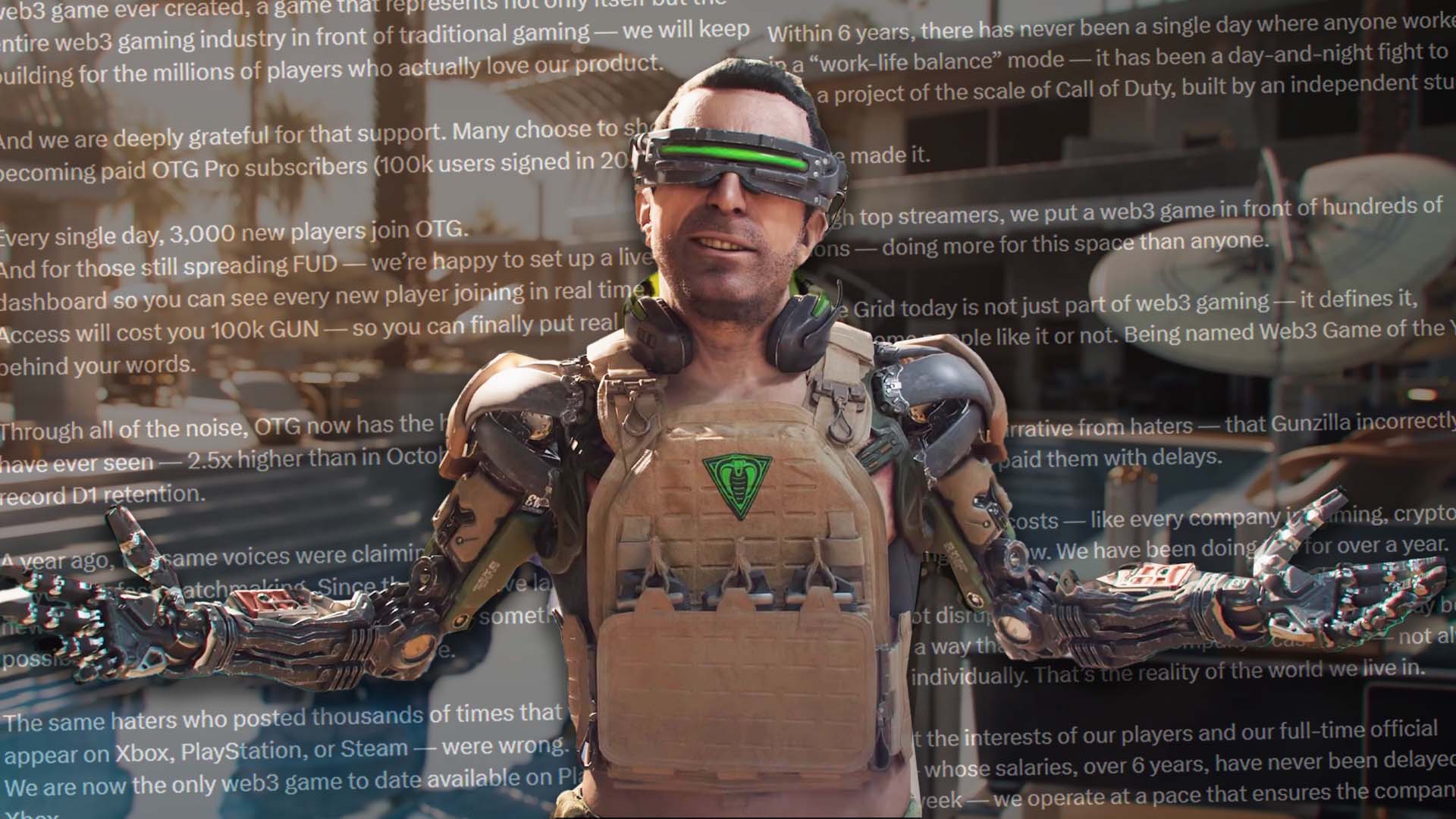
Unlocking Game Secrets: The Controversial Idea of Paying for Player Data in *Off the Grid*
In the fast-evolving world of video games, data is king. Every click, every shot fired, every item collected by a player generates valuable information. This data helps game developers understand what works, what doesn't, and how to improve their creations. Traditionally, this information stays within the company walls, used for internal analysis and strategic planning. However, a recent statement from Vlad Korolev, Co-CEO of Gunzilla Games, the studio behind the upcoming battle royale title Off the Grid, has sparked a fascinating and potentially groundbreaking discussion: allowing people to pay cryptocurrency to access player data and gauge the game's success.
This proposal challenges conventional industry practices and opens up a Pandora's Box of questions regarding transparency, privacy, monetization, and the future of game analytics. Is this a bold step towards a more open gaming ecosystem, or a risky move that could erode player trust? Let's dive deep into what this idea means for Off the Grid, the gaming community, and the industry as a whole.
Who is Vlad Korolev and What is Off the Grid?
Before we dissect the proposal, it's essential to understand the key players. Vlad Korolev is a prominent figure in the gaming industry, known for his role as Co-CEO of Gunzilla Games. Gunzilla is a relatively new studio with big ambitions, aiming to push boundaries in game development. Their flagship project, Off the Grid, is a highly anticipated cyberpunk battle royale game that has garnered attention not only for its director, the acclaimed filmmaker Neill Blomkamp (known for movies like District 9), but also for its embrace of Web3 technologies, including NFTs for in-game customization.
Off the Grid aims to blend a compelling narrative with intense multiplayer action in a unique futuristic setting. As a battle royale game, it relies heavily on a thriving player base and constant engagement. The success of such a title is often measured by its player count, retention rates, and the overall health of its in-game economy. This context is crucial when considering Korolev's proposal to sell access to the very metrics that define such success.
The Core Idea: Paying for Player Data
Vlad Korolev's statement suggests a radical departure from the norm: offering access to Off the Grid's player data in exchange for cryptocurrency. This isn't just about general market trends; it's about specific, granular information directly related to how the game is performing and how players are interacting with it. But what exactly does "player data" mean in this context, and why would anyone pay for it?
What Constitutes "Player Data"?
When we talk about player data, we're referring to a vast array of information generated by users within a game. This can include:
- Engagement Metrics: How long players spend in the game, how often they log in, which modes they play most.
- Performance Data: Win/loss ratios, kill/death ratios, accuracy statistics, achievement unlocks.
- In-Game Economy Data: Purchases made (both virtual and real-money), item acquisition, trading activity, currency flow.
- Behavioral Patterns: Movement tracking, preferred weapons or characters, social interactions within the game.
- Geographical Data: Where players are logging in from (often anonymized).
- Churn Data: When and why players stop playing the game.
Crucially, most discussions around selling player data would imply anonymized and aggregated information, meaning individual players cannot be identified. This is a critical distinction for privacy and ethical considerations.
Why Would People Pay for This Data?
The demand for such data could come from several different groups, each with their own motivations:
- Investors and Analysts: Individuals or firms looking to understand the financial viability and growth potential of Off the Grid or Gunzilla Games. Access to raw performance data could inform investment decisions.
- Competitors: Other game developers might be interested in understanding the success factors, player engagement strategies, or even potential weaknesses of a rival game.
- Game Media and Content Creators: Journalists, streamers, and YouTubers could use this data to create more informed content, analyses, and predictions about the game's trajectory.
- Curious Players and Communities: Dedicated fans might want to see the "behind the scenes" numbers, perhaps even running their own community analyses or building third-party tools.
- Esports Organizations: Teams and analysts might use aggregated performance data to scout talent or strategize.
In essence, this data provides a clear, quantitative snapshot of a game's health and popularity, offering insights that are usually kept under wraps.
Cryptocurrency as the Payment Mechanism
The choice of cryptocurrency as the payment method for accessing this data is not incidental, especially for a game like Off the Grid which already embraces Web3 elements. Cryptocurrency brings its own set of characteristics to the transaction:
- Decentralization: Crypto transactions typically don't involve traditional banks, offering a more direct peer-to-peer exchange.
- Transparency (of Transactions): Blockchain technology, which underpins cryptocurrencies, provides a public and immutable ledger of all transactions. While the buyer's identity might be pseudonymous, the transaction itself is recorded.
- Global Accessibility: Cryptocurrencies can be used by anyone, anywhere, often bypassing traditional financial barriers.
- Speed and Lower Fees: Transactions can often be processed faster and with lower fees than traditional international bank transfers, depending on the specific cryptocurrency and network.
- Association with Web3: Using crypto aligns with the broader Web3 philosophy of digital ownership, user empowerment, and new monetization models.
However, the use of crypto also comes with challenges, including market volatility, regulatory uncertainty in some regions, and the need for users to be familiar with digital wallets and blockchain technology. For Gunzilla Games, it likely signals their commitment to integrating Web3 principles deeply into their game's ecosystem, extending beyond just in-game items to data monetization itself.
Understanding "Game Success" Through Data
What exactly defines "game success" in today's highly competitive market? It's more than just critical reviews or initial sales figures. Long-term success, especially for live-service games like battle royales, hinges on sustained player engagement and a healthy in-game economy. Data provides the clearest window into these vital metrics.
Key Indicators of Game Success:
- Player Count (Daily/Monthly Active Users - DAU/MAU): The sheer number of people playing the game. High and stable numbers indicate a vibrant community.
- Retention Rates: How many players return to the game over time. Good retention suggests players enjoy the game and find reasons to keep playing.
- Average Session Length: How long players spend in each gaming session, indicating engagement levels.
- Monetization (Average Revenue Per User - ARPU): For free-to-play games, this measures how much money, on average, each player spends.
- Community Growth: Activity on forums, social media, and streaming platforms.
- Esports Viewership: For competitive games, the popularity of its esports scene can indicate global interest.
By making this data accessible (albeit for a fee), Gunzilla Games could be aiming to provide irrefutable evidence of their game's performance, attracting further investment, talent, or even simply satisfying a curious public. It's a bold move that could foster greater accountability and transparency within the typically opaque gaming industry.
Implications and Controversies of Data Monetization
Korolev's proposal, while innovative, is not without its complexities and potential pitfalls. Monetizing player data, even if anonymized and aggregated, touches upon sensitive areas of privacy, ethics, competition, and trust.
Transparency vs. Privacy: A Fine Line
On one hand, making game data accessible could be seen as a huge step towards transparency. Developers would be putting their game's performance on full display, allowing the market and players to judge its success based on objective metrics rather than just marketing hype. This could build trust with investors and a certain segment of the player base who appreciate openness.
On the other hand, the word "data" immediately raises privacy concerns. Even if Gunzilla Games promises anonymized data, the specter of individual player tracking or exploitation always looms. The details of what data would be shared, how it's aggregated, and the safeguards in place would be critical. Without clear and stringent protocols, this could be perceived as selling off player activity for profit, potentially leading to a backlash.
Ethical Considerations: Who Owns the Data?
A fundamental ethical question arises: who truly "owns" the data generated by players? While players agree to terms of service, which usually grant game companies rights to use their data, the idea of monetizing this data by selling it to third parties is a different frontier. Is it fair to profit from the collective actions of a player base, even if individuals aren't identified? This debate is not unique to gaming; it's a central theme in the wider digital economy, but its application here is novel.
The Competitive Landscape: An Arms Race for Data?
If Gunzilla Games successfully implements this model, it could set a precedent. Would other game studios feel compelled to follow suit, creating a new "data market" in the industry? This could lead to an arms race where access to competitor data becomes a crucial (and costly) strategic advantage. Smaller studios might struggle to afford this data, potentially exacerbating existing inequalities in the market.
Furthermore, how might competitors use this data? To reverse-engineer successful gameplay loops? To target specific player segments? While data can foster innovation, it can also be used for less benevolent purposes, such as identifying weaknesses to exploit or mimicking successful strategies without genuine creativity.
Player Trust and Community Reaction
The success of any online game heavily relies on its community and player trust. How players react to this proposal will be paramount. Some might see it as an interesting experiment or a sign of transparency. Others might view it as a betrayal, a further commodification of their playtime, or a privacy risk. Clear communication from Gunzilla Games about their data handling policies, anonymization techniques, and the benefits of this system would be crucial to manage player expectations and maintain a positive relationship.
If players feel their data is being exploited, even indirectly, it could lead to reduced engagement, boycotts, or a general distrust that undermines the game's long-term viability. Building and maintaining player trust is a delicate balance, and any move involving data monetization must be handled with extreme care.
Market Dynamics and Regulatory Challenges
Creating a market for game data also raises questions about its value and regulation. How would the price of access be determined? Would it fluctuate based on demand or the perceived value of the data? Moreover, data protection laws like GDPR in Europe and CCPA in California are becoming increasingly stringent. Even with anonymized data, there are legal complexities to navigate, especially concerning how data is collected, stored, and shared globally. Gunzilla Games would need to ensure full compliance with all relevant data privacy regulations, a task that becomes more intricate when offering data access to a global audience for cryptocurrency payment.
Potential Benefits for the Industry
Despite the controversies, Korolev's proposal could offer several benefits, potentially shaping the future of the gaming industry:
- Enhanced Transparency: It could force greater openness within the gaming sector, making it harder for companies to obscure underperforming games or mislead investors.
- New Revenue Streams: For developers, selling access to data could provide an additional income source, helping to fund ongoing development and maintenance, especially for free-to-play titles.
- Empowering Independent Analysts: Researchers, academic institutions, and independent game analysts could gain unprecedented access to real-world game data, leading to deeper insights into player psychology, game design effectiveness, and market trends.
- Informed Decision-Making: Investors and stakeholders could make more informed decisions based on hard data rather than speculative reports, potentially leading to more stable and sustainable investments in gaming.
- Fostering Innovation: External analysis of data might reveal trends or insights that internal teams missed, potentially sparking new ideas for game design, marketing, or community engagement.
Potential Drawbacks and Risks
However, the risks are equally significant and must be carefully considered:
- Misinterpretation of Data: Raw data, even aggregated, can be misinterpreted without proper context or analytical expertise. This could lead to flawed conclusions or misguided investment.
- Enabling Malicious Actors: While unlikely to contain personally identifiable information, even anonymized behavioral data could theoretically be used by cheaters or hackers to understand game mechanics or player patterns for illicit gain.
- Erosion of Player Trust: As discussed, if not handled with absolute transparency and robust privacy measures, this initiative could severely damage player trust in Gunzilla Games and potentially the broader Web3 gaming movement.
- Security Concerns: Managing access to sensitive data, especially when linked to cryptocurrency payments, introduces new security challenges. The system must be impervious to breaches that could expose data or lead to financial losses.
- Data Overload: Providing access to vast amounts of data without proper tools or guidance could be overwhelming and not genuinely useful for those purchasing access.
The Web3 and Blockchain Gaming Context
It's crucial to view Vlad Korolev's proposal through the lens of Web3 and blockchain gaming. Off the Grid is explicitly incorporating Web3 elements, primarily NFTs, for in-game assets. The use of cryptocurrency for data access aligns perfectly with the Web3 ethos, which champions decentralization, user ownership, and new economic models.
In the ideal Web3 vision, users would have greater control over their digital assets and, theoretically, their data. While selling access to data might seem at odds with "user ownership" of data, it could also be framed as a new form of digital economy where value generated by player activity (even if anonymized) can be monetized in a transparent, blockchain-recorded way. This could be seen as an extension of the Web3 promise to create new forms of value exchange within digital worlds, moving beyond traditional free-to-play or buy-to-play models.
However, critics might argue that this is simply a novel way for companies to extract more value from their users, rather than truly empowering them. The distinction lies in whether players feel they are getting a fair deal or benefit from this data monetization, or if it simply serves the interests of the developers and data purchasers.
A Look at the Future: Data in Gaming
Vlad Korolev's proposition for Off the Grid is more than just a marketing stunt; it's a potential blueprint for how game data might be handled in the future. As games become increasingly complex, live-service oriented, and integrated with blockchain technologies, the value of their underlying data will only grow.
This initiative could pave the way for a future where:
- Data Marketplaces Flourish: Dedicated platforms could emerge where aggregated game data is bought and sold, much like financial market data.
- Player Compensation Models Evolve: While not explicitly part of Korolev's current proposal, future models might explore ways to directly or indirectly compensate players for the data they generate, perhaps through in-game rewards or token distributions.
- Advanced Analytics Become Standard: External analysts and AI-driven tools could provide deeper, more nuanced insights into game performance than ever before, accelerating game development and optimization.
- Industry Benchmarking Improves: With more open data, developers could more accurately benchmark their games against competitors, leading to better strategic decisions and a more competitive, innovative market.
The success or failure of this model for Off the Grid will undoubtedly be closely watched by the entire gaming industry. It will serve as an important case study for the viability of Web3-driven data monetization and its impact on player relations and market dynamics.
Conclusion: A Bold New Frontier for Game Data
Vlad Korolev's statement about allowing cryptocurrency payments for access to Off the Grid player data represents a bold and potentially disruptive idea in the gaming world. It's a move that aligns with the Web3 philosophy Gunzilla Games is embracing, offering a new level of transparency and a novel monetization strategy.
While the prospect of open access to game success metrics could bring benefits like increased industry transparency, new revenue streams for developers, and richer analytical insights for investors and media, it also comes with significant challenges. Issues of player privacy, ethical considerations regarding data ownership, the potential for competitive imbalances, and the critical need for robust security measures must be carefully addressed.
As Off the Grid approaches its launch and this data-sharing model potentially takes shape, the gaming community will be observing closely. The outcome will not only determine the fate of this specific feature but could also set a precedent for how player data is valued, exchanged, and governed in the interconnected, data-driven gaming landscapes of tomorrow. It's a fascinating glimpse into a future where the lines between gameplay, data, and economy are increasingly blurred, demanding careful navigation to ensure innovation benefits all stakeholders without compromising trust or privacy.
from Kotaku
-via DynaSage

Post a Comment