
Capcom Just Cannot Stop Deliberately Breaking Its Games With DRM
The Return of Horror: Resident Evil Classics Hit Steam, But There's a Catch
For fans of classic survival horror, few names evoke as much dread and excitement as Resident Evil. The original trilogy – a cornerstone of PlayStation gaming and a defining moment for the genre – has been eagerly anticipated by PC players for years. The good news is that these legendary titles are finally making their way to Steam, bringing their unique blend of suspense, puzzles, and horrifying creatures to a new generation of players and offering a nostalgic trip for veterans. However, this exciting news comes with a significant caveat that has sparked considerable discussion: the inclusion of Enigma DRM (Digital Rights Management).
This blog post will delve into the enduring legacy of the original Resident Evil trilogy, celebrate its long-awaited arrival on Steam, and critically examine the implications of the Enigma DRM. We'll explore what DRM is, why it's used, the controversies surrounding it, and specifically what Enigma means for the player experience, especially for beloved classics like these.
Reliving the Nightmare: The Original Resident Evil Trilogy
The original Resident Evil trilogy isn't just a collection of games; it's a foundational series that shaped the landscape of video game horror. Let's take a closer look at what makes each entry so iconic.
Resident Evil (1996): The Birth of Survival Horror
Released in 1996, the first Resident Evil game instantly captivated players with its oppressive atmosphere, scarce resources, and genuinely unsettling scares. Players took on the roles of S.T.A.R.S. (Special Tactics and Rescue Service) team members Chris Redfield or Jill Valentine, investigating a mysterious mansion on the outskirts of Raccoon City. What started as a search and rescue mission quickly devolved into a fight for survival against hordes of zombies and mutated creatures, all while uncovering the sinister secrets of the Umbrella Corporation.
The game pioneered many elements that would become hallmarks of the survival horror genre: fixed camera angles that created tension by hiding threats, "tank controls" that added to the feeling of vulnerability, complex environmental puzzles, and crucial resource management (every bullet counted!). Its voice acting might be famously cheesy today, but the game's impact on immersion and terror was undeniable. It taught players to fear the unknown, to conserve precious items, and that every darkened hallway could hide a gruesome surprise. It was more than just a game; it was an experience in dread.
You can learn more about the series' origins here.
Resident Evil 2 (1998): Escalation and Despair in Raccoon City
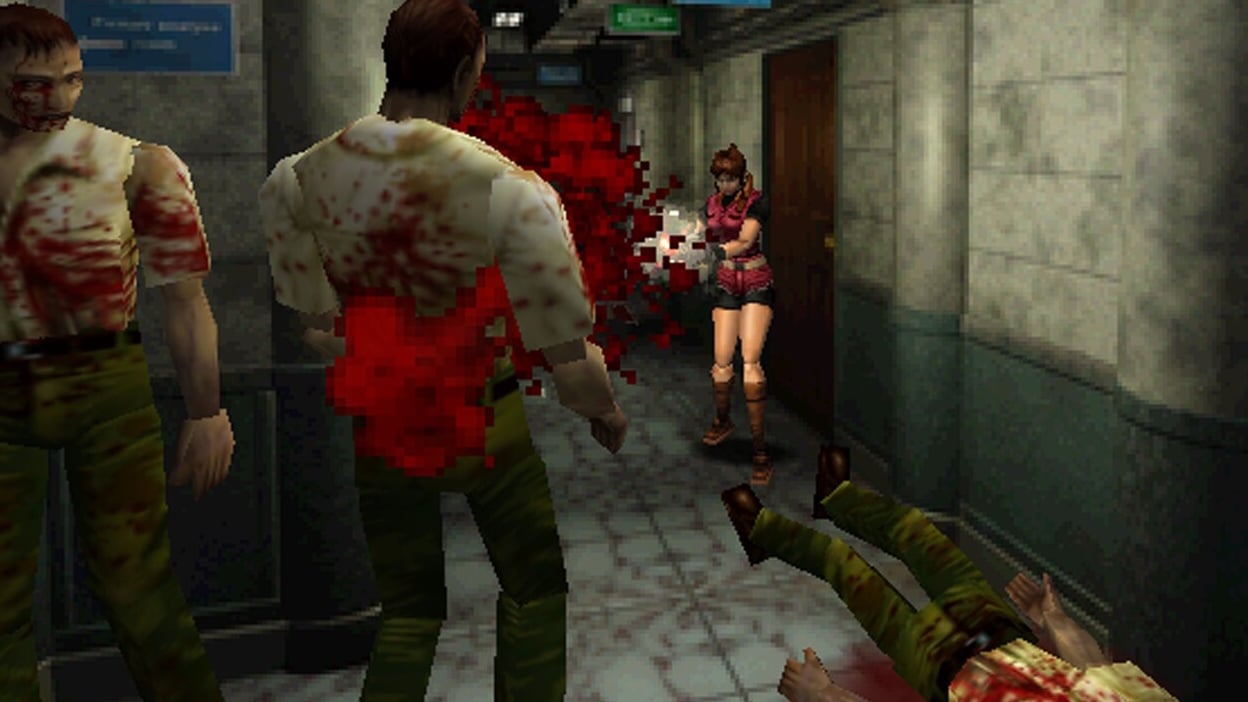
Just two years later, Resident Evil 2 shattered expectations and expanded the nightmare exponentially. Moving beyond the confines of the mansion, the game plunged players into the heart of a full-blown zombie apocalypse in Raccoon City. Players followed rookie cop Leon S. Kennedy and college student Claire Redfield as they navigated the ravaged streets and the infested Raccoon City Police Department, each with their own interconnected storylines.
RE2 refined the formula of its predecessor, offering improved graphics, more intricate environments, and a sense of urgency that was palpable. The infamous "B scenarios" allowed players to experience the game from a different character's perspective, revealing new paths, enemies, and story details. The introduction of persistent enemies like the Tyrant (Mr. X) added an unparalleled layer of tension, forcing players to constantly adapt and often flee. This game is widely regarded by many fans as the pinnacle of classic Resident Evil, perfecting the balance between action, exploration, and sheer terror.
Resident Evil 3: Nemesis (1999): The Relentless Pursuit
Concluding the original trilogy, Resident Evil 3: Nemesis pushed the series further into action while maintaining its horror roots. Players once again stepped into the boots of Jill Valentine, attempting to escape Raccoon City in its final, chaotic hours, just before its complete destruction. The star of this show was undoubtedly the Nemesis, a towering, intelligent bioweapon designed by Umbrella to hunt down and eliminate surviving S.T.A.R.S. members.
Nemesis was a game-changer, literally, as it introduced an enemy that wasn't confined to specific areas but could chase Jill through multiple zones, often bursting through walls or windows in truly terrifying moments. This created a feeling of constant threat and vulnerability. While it incorporated more action-oriented elements like a dodge mechanic, it never lost sight of the series' core horror identity. RE3 served as a frantic, explosive farewell to Raccoon City, solidifying the trilogy's place in gaming history as an unparalleled journey into fear.
The Steam Release: A Long-Awaited Homecoming
For years, PC gamers have yearned for official, easily accessible versions of these classics. While fan patches and emulators existed, nothing beats the convenience and stability of official releases on a platform like Steam. Steam offers a wealth of benefits: easy installation, automatic updates, cloud saves, community forums, and often, better compatibility with modern hardware.
The announcement that the original Resident Evil trilogy would arrive on Steam was met with enormous excitement. It represented a chance for new players to experience these horror masterpieces without jumping through hoops, and for veterans to revisit them with modern conveniences. The prospect of these genre-defining games being readily available, updated, and potentially optimized for contemporary systems was a dream come true for many. However, that dream quickly became complicated.
Understanding DRM: Digital Rights Management
Before diving into the specifics of Enigma, it's crucial to understand what DRM is and why it exists. Digital Rights Management refers to technologies used by publishers and copyright holders to control access to copyrighted material. In the context of video games, DRM aims to prevent piracy and ensure that only legitimate, paying customers can play the software.
Why Publishers Use DRM
- Piracy Prevention: The primary goal is to make it harder for unauthorized users to copy and distribute games without purchasing them. Publishers invest significant resources into game development and want to protect their investment.
- Revenue Protection: By limiting piracy, publishers hope to maximize sales and ensure a return on their considerable financial outlay.
- Control Over Usage: DRM can also enforce licensing agreements, such as limiting the number of installations, requiring online authentication, or even managing access to specific content.
The Downside of DRM for Legitimate Players
While the intent behind DRM might seem reasonable, its implementation often leads to frustration for the very people it's supposed to protect: legitimate buyers. Common criticisms and issues associated with DRM include:
- Performance Impact: DRM software often runs in the background, consuming CPU cycles and memory, which can lead to reduced game performance, frame rate drops, or longer loading times.
- Inconvenience: Some DRM schemes require always-online internet connections, even for single-player games, which can be problematic for players with unstable internet or those who wish to play offline.
- Compatibility Issues: DRM can sometimes conflict with other software, drivers, or even future operating systems, leading to crashes or an inability to play the game down the line.
- Longevity Concerns: If a DRM server is eventually shut down (a common occurrence for older games), legitimate buyers may lose access to games they purchased, raising questions about digital ownership.
- Modding Restrictions: Many DRM solutions actively interfere with or prevent game modifications (mods), which are a huge part of PC gaming culture and can extend a game's lifespan significantly.
- False Positives: Aggressive DRM can sometimes be flagged as malicious software by antivirus programs, leading to installation issues or even quarantining game files.
The debate around DRM highlights a fundamental tension: publishers want to protect their intellectual property, while players want unrestricted access and ownership of their purchased games. This friction often results in a less-than-ideal experience for the customer.
For more general information on DRM, you can visit the Wikipedia page on DRM.
Enigma DRM: A Closer Look
The specific DRM solution chosen for the Resident Evil trilogy on Steam is Enigma DRM. Enigma Protector is a well-known software protection solution designed to prevent reverse engineering, unauthorized modification, and piracy of applications. It's often used for its robust protection capabilities, but like many powerful DRM solutions, it comes with its own set of baggage.
How Enigma Protector Works (Simplified)
Enigma employs a variety of techniques to safeguard software:
- Code Virtualization: It converts parts of the original program's code into a virtual machine's instruction set, making it incredibly difficult for standard debuggers and disassemblers to understand or modify.
- Anti-Tampering Checks: The DRM constantly monitors the game's files and memory for any signs of modification. If tampering is detected, the game may refuse to run or crash.
- Anti-Debugging: It uses techniques to detect if a debugger is attached to the game process, preventing hackers from analyzing the game's code in real-time.
- Hardware Binding (Optional): In some implementations, Enigma can bind the software license to specific hardware components, limiting the number of machines a game can be installed on.
Past Experiences and Criticisms with Enigma
Enigma Protector has been used in various applications and games before, and its track record, particularly in gaming, has often been met with mixed to negative reactions:
- Performance Overhead: The virtualization and protection layers that Enigma adds can introduce a performance penalty. For modern, demanding games, this might be noticeable, but for classic titles like Resident Evil, even a small hit could be perceived as unnecessary or detrimental to the original experience.
- False Positives with Antivirus: Due to its deep-level system hooks and obfuscation techniques, Enigma-protected executables are sometimes flagged incorrectly as malware by antivirus software, leading to frustration for users trying to install or run their games.
- Modding Obstacles: The anti-tampering and anti-debugging features of Enigma are inherently hostile to modding. The Resident Evil community, especially on PC, has a rich history of creating fan-made patches, texture packs, and gameplay modifications. Enigma could severely limit or outright prevent these creative endeavors, robbing players of a significant part of the PC gaming experience.
- Long-Term Compatibility: Like other complex DRM, there's always a question mark over how Enigma-protected games will fare with future operating system updates or hardware changes. Will the protection layer itself become a compatibility bottleneck years down the line, potentially rendering the game unplayable?
The choice of Enigma DRM for games released decades ago raises eyebrows. These titles are not new, bleeding-edge releases susceptible to day-one piracy in the same way modern AAA games are. Many argue that the downsides of such aggressive DRM far outweigh any perceived benefits for these classic games.
The Fan Reaction: A Bitter Pill
The announcement of the Resident Evil trilogy's Steam release, quickly followed by the revelation of Enigma DRM, created a wave of mixed emotions among the gaming community. The initial excitement was palpable, but it was swiftly tempered by concern and disappointment.
Performance Worries
Fans immediately voiced concerns about how Enigma might affect the performance of games that are already decades old. While the original games aren't graphically intensive by modern standards, any performance degradation – even minor – for games that should run flawlessly on contemporary hardware is seen as unacceptable. Players worry about stuttering, increased load times, or general instability that wouldn't exist without the DRM.
The Modding Community's Lament
Perhaps one of the most significant blows is the potential impact on the dedicated Resident Evil modding community. From simple graphical enhancements and bug fixes to entirely new gameplay experiences and fan translations, mods have kept these games fresh and replayable for decades. Enigma's anti-tampering measures are specifically designed to block such modifications, effectively cutting off a vibrant and creative aspect of the PC gaming experience. This feels particularly punitive for classic games where modding often acts as a form of digital preservation and enhancement.
Preservation Concerns
The long-term viability of digitally purchased games is a growing concern, especially with DRM. If the developers or the DRM provider ever cease support for Enigma (e.g., if servers go offline or activation keys are no longer managed), there's a real risk that players could lose access to games they legally purchased. This fear of "losing" access to classic titles is a powerful driver of discontent, especially for games that are a significant part of gaming history.
"Punishing Legitimate Buyers"
A common sentiment among frustrated players is that DRM primarily punishes legitimate buyers while often doing little to deter determined pirates. Pirate versions of games often remove DRM, providing a "cleaner" experience that runs better and has fewer restrictions. This creates a perverse incentive where the illegal version might offer a superior user experience, which understandably angers paying customers.
For a game like the original Resident Evil, which is considered a cultural artifact in gaming, the imposition of intrusive DRM feels like a barrier to enjoyment and preservation, rather than a necessary protection. Many feel that the decision is misguided, failing to understand the unique context of re-releasing classic titles.
Comparing with Past Resident Evil PC Releases
The Resident Evil series has had a complex history on PC. Early ports were often direct conversions from console versions, sometimes lacking PC-specific optimizations. However, over the years, Capcom has generally done a decent job with their PC releases, especially with the more recent titles and remakes. Many past Resident Evil games on PC have been mod-friendly, allowing the community to thrive and enhance the experience.
For example, the remakes of Resident Evil 2 and Resident Evil 3 are widely praised for their PC ports and relatively open modding scene. This makes the decision to use Enigma DRM for the *original* trilogy feel even more out of step with recent trends and community expectations, especially for games that predate many of these DRM technologies.
Potential Impact and Future Outlook
The inclusion of Enigma DRM could have several implications for the Steam release of the Resident Evil trilogy. It might deter some potential buyers who are wary of DRM's impact on performance, modding, or long-term accessibility. While hardcore fans might purchase the games regardless, those on the fence could be swayed by the negative sentiment surrounding the DRM.
It's unlikely that Capcom will remove the DRM for these particular releases, as it's typically a decision made early in the porting process. However, strong community feedback could potentially influence future decisions regarding DRM for other classic re-releases or upcoming titles. The ongoing debate around DRM serves as a constant reminder to publishers that while they seek to protect their assets, they must also prioritize the player experience.
For those who are particularly sensitive to DRM, alternative methods of experiencing these classics (such as playing older console versions or utilizing fan-made solutions for existing PC ports) might remain preferable, though less convenient than an official Steam release. It highlights the unfortunate reality where official releases can sometimes be overshadowed by community-driven efforts that prioritize user freedom and longevity.
Tips for Players Considering the Steam Release
If you're still eager to dive into the original Resident Evil trilogy on Steam despite the DRM, here are a few tips:
- Check System Requirements: Ensure your PC meets or exceeds the recommended specifications. While these are old games, potential DRM overhead means having a bit of extra power can help.
- Monitor Performance: Once you purchase and install, pay attention to how the games run. If you experience significant performance issues, consider reaching out to Steam support or the game's official forums.
- Engage with the Community: Keep an eye on the Steam community forums for these games. Players often share workarounds, performance tips, or updates on DRM's impact.
- Manage Expectations for Modding: Be prepared for limited or no modding capabilities due to the DRM. If modding is a crucial part of your enjoyment for classic games, this release might be disappointing in that regard.
Conclusion: A Bittersweet Homecoming
The arrival of the original Resident Evil trilogy on Steam is, without a doubt, a significant event for the gaming world. These three games represent a monumental achievement in interactive horror, defining a genre and terrifying millions. Their accessibility on a modern platform like Steam should be a cause for universal celebration.
However, the inclusion of Enigma DRM casts a long shadow over this otherwise joyous occasion. It reignites the long-standing debate about publisher control versus player rights, the efficacy of DRM, and its often-negative impact on performance, modding, and long-term game preservation. While the desire to protect intellectual property is understandable, many argue that for beloved classics like these, such aggressive measures are counterproductive and ultimately detract from the very experience they aim to safeguard.
Ultimately, the choice to purchase these versions rests with individual players. It's a decision that weighs the convenience of an official Steam release against the known drawbacks of intrusive DRM. Regardless, the original Resident Evil trilogy remains a timeless journey into the heart of fear, and its legacy will continue to influence horror games for generations to come, even if its digital homecoming is a bittersweet one.
What are your thoughts on DRM in classic game re-releases? Share your opinions in the comments below!
from Kotaku
-via DynaSage
