Apple Testing Four Smart Glasses Styles Made of High-End Materials
Apple's Vision for Smart Glasses: Blending High-End Design with Advanced AI
Apple is making significant strides in the realm of smart glasses, with reports suggesting the company is actively developing at least four distinct styles. This ambitious project signals Apple's strong belief that its renowned design prowess will be the key differentiator, enabling these glasses to stand out dramatically from rival products already on the market or in development. The Cupertino giant isn't just building technology; it's crafting an experience, aiming for smart glasses that are as much a fashion statement as they are a technological marvel.
The Pursuit of Premium Design: A Core Apple Strategy
According to insights from Bloomberg's Mark Gurman, a respected authority on Apple's internal workings, the company's latest smart glass designs are not just about aesthetics; they're about superior craftsmanship. Gurman, in his recent Power On newsletter, revealed that Apple is opting for a high-end material known as acetate. This choice is deliberate, as acetate is described as "more durable and luxurious" when compared to the standard plastic often employed by many existing smart glass brands. This material decision alone speaks volumes about Apple's intention to position its smart glasses as premium, desirable objects, rather than just functional gadgets. It's a testament to the company's long-standing philosophy of integrating form and function seamlessly, ensuring that the user experience begins even before the technology is turned on.
Variety in Style: Catering to Diverse Tastes
Apple understands that personal style is paramount, especially when it comes to something worn on the face. To address this, Gurman's report indicates that the designs currently undergoing testing are diverse, aiming to appeal to a broad spectrum of users. This strategic approach recognizes that one size – or one style – does not fit all, and offers choices that could resonate with different fashion preferences and face shapes. The proposed styles include:
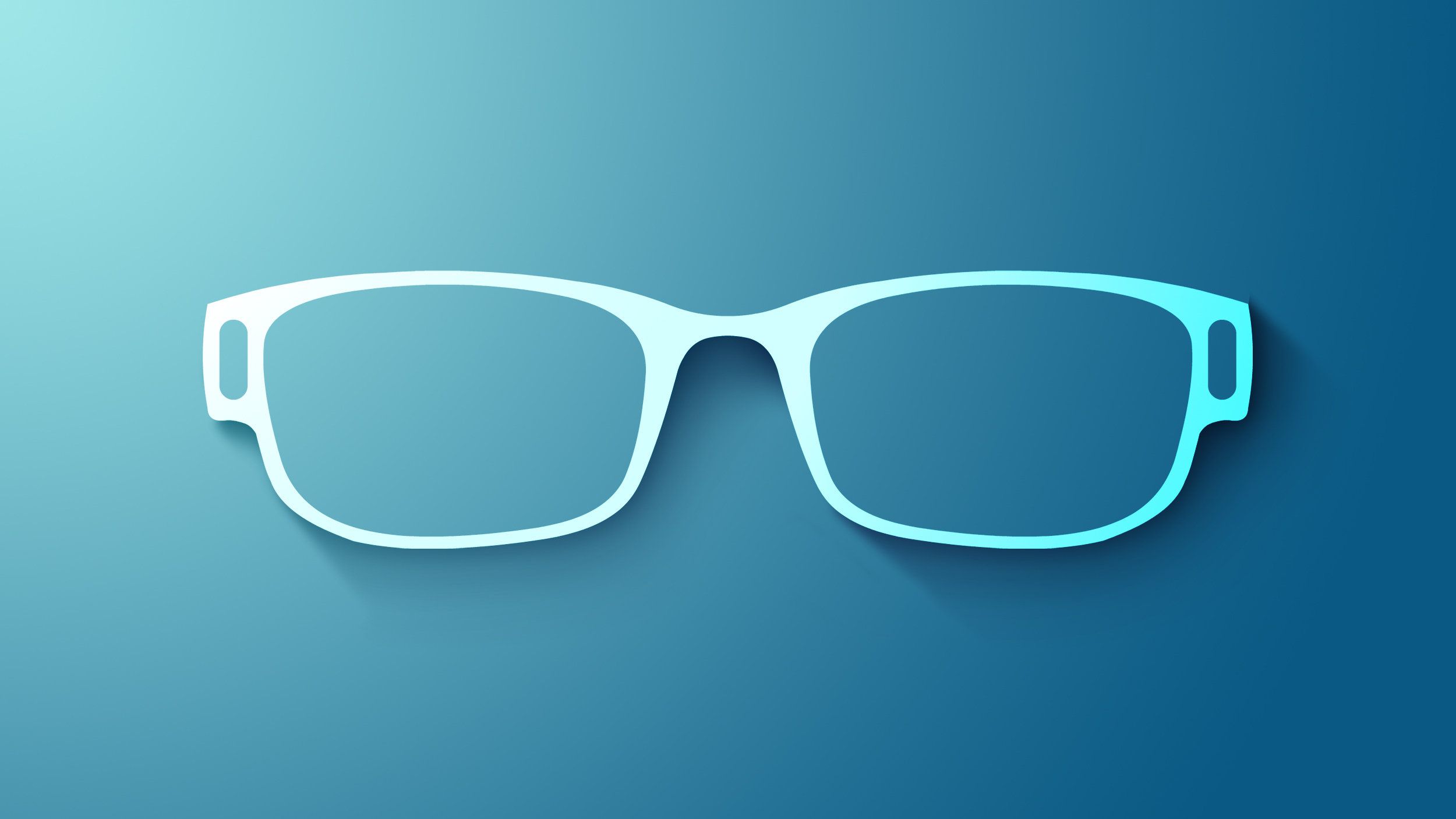
- **A large rectangular frame, reminiscent of Ray-Ban Wayfarers:** This classic and widely recognized style offers a bold, iconic look. It caters to users who prefer a timeless, slightly retro aesthetic that has proven popular across generations. Such a design could appeal to those seeking a statement piece that blends modern technology with established fashion trends.
- **A slimmer rectangular design, similar to the glasses worn by Apple CEO Tim Cook:** This option suggests a more understated, professional, and elegant aesthetic. It would likely appeal to users who favor a minimalist approach, seeking smart glasses that are discreet and blend seamlessly into a business or everyday casual environment without drawing excessive attention. This style embodies a sophisticated simplicity.
- **Larger oval or circular frames:** This style caters to individuals who prefer softer lines and a more contemporary or artistic look. Oval and circular frames can offer a more gentle appearance compared to sharper rectangular frames, often favored by those looking for a modern, slightly intellectual, or bohemian vibe.
- **A smaller, more refined oval or circular option:** This refined choice is for users who prioritize subtlety and lightness. It suggests glasses that feel almost imperceptible, designed for those who want the advanced features of smart glasses without compromising on comfort or a minimalistic visual footprint. This option emphasizes elegance and delicate design.
These varied designs are intended to be instantly recognizable as Apple products – an internal goal the company refers to as creating an "icon." This means that even without a visible logo, the aesthetic language, the quality of materials, and the overall feel will unmistakably signify Apple's touch. Furthermore, the glasses are expected to come in "many" color options, with black, ocean blue, and light brown currently being explored. This expanded color palette, alongside the distinct styles, underscores Apple's commitment to personal expression and integrating technology into one's individual identity, moving beyond the typical utilitarian black or silver of many tech devices.
Seamless Integration: The Heart of the Apple Ecosystem
Beyond their outward appearance, Apple's smart glasses are poised to be deeply integrated into the existing Apple ecosystem, particularly with the iPhone and Siri. This profound connectivity is not merely a convenience; it's a foundational element that will unlock the true potential of these wearables. Imagine the seamless experience: your glasses will likely pair effortlessly with your iPhone, acting as an extension of your primary device. Notifications, calls, and messages could appear subtly on your lenses, offering information at a glance without needing to pull out your phone.
Siri's role will be pivotal. Voice commands will become the primary mode of interaction, allowing users to control features, ask questions, set reminders, and access information hands-free. This level of interaction enhances safety and convenience, whether you're driving, cooking, or simply walking down the street. Siri on smart glasses could transcend its current capabilities, becoming a more intuitive and context-aware personal assistant, always present but never intrusive.
Leveraging Apple Intelligence for Contextual Awareness
A major advancement that will define these smart glasses is their reliance on "Apple Intelligence." This phrase points to a sophisticated on-device AI system designed to understand and react to the user's environment and intentions. The glasses will use advanced computer vision to interpret the user's surroundings, feeding this rich contextual awareness directly into Apple Intelligence. This means the glasses won't just display information; they'll understand *where* you are, *what* you're looking at, and *what you might need* based on that context.
For example, if you're looking at a landmark, the glasses could silently provide historical facts or navigation cues without you even asking. If you're in a foreign country, they might offer real-time translations of signs. This proactive, intelligent assistance moves beyond simple commands, offering a truly augmented reality experience where information is delivered precisely when and where it's most relevant. This contextual understanding, powered by sophisticated AI, represents a significant leap forward in wearable technology, transforming a simple display into a truly intelligent companion.
The Camera System: A Window to Augmented Reality
The camera system on these smart glasses is also a critical component, enabling much of the computer vision capabilities. Gurman describes the cameras currently being considered as "vertically oriented oval lenses with surrounding lights." This design choice immediately distinguishes Apple's approach from competitors like Meta, whose Ray-Ban smart glasses feature a more conventional circular camera design. The vertically oriented oval lenses might offer advantages in capturing a wider field of view or optimizing for specific augmented reality applications, perhaps better mimicking human peripheral vision or providing more data points for spatial mapping.
The "surrounding lights" could serve multiple purposes: indicators for recording status (addressing privacy concerns by signaling when the camera is active), flash for low-light conditions, or even specialized projectors for interaction with surfaces. These cameras will be essential for mapping the environment, overlaying digital information onto the real world, and capturing photos and videos from a first-person perspective. This capability opens doors for everything from enhanced navigation with AR overlays to hands-free content creation, seamlessly blending the digital and physical worlds.
Apple's Broader AI Wearables Strategy: A Connected Future
The smart glasses are not an isolated product but a crucial piece of Apple's larger and more ambitious AI wearables strategy. This comprehensive vision aims to weave intelligent technology into various aspects of daily life through devices worn on the body. This strategy also includes new AirPods with cameras and a camera-equipped pendant, indicating a multi-pronged approach to ambient computing and personal intelligence.
The rumored AirPods with cameras suggest capabilities like discreet environmental sensing, perhaps to enhance audio experiences, capture quick visual notes, or even contribute to health monitoring by analyzing surroundings. A camera-equipped pendant could offer a different form factor for discreet recording or interaction, focusing on hands-free operation and ease of access. Together, these devices paint a picture of an ecosystem where AI is constantly aware of your context, offering proactive assistance and seamlessly bridging your digital and physical worlds.
This broader strategy positions Apple at the forefront of spatial computing, building upon the groundwork laid by the Vision Pro. While the Vision Pro offers an immersive, high-fidelity mixed reality experience, the smart glasses are designed to be a more lightweight, everyday wearable for augmented reality. They represent a continuum of spatial computing devices, from the powerful, dedicated Vision Pro to the subtle, always-on smart glasses and other AI-powered accessories. This layered approach allows Apple to address various use cases and user preferences, making advanced technology accessible in different forms and contexts.
The overarching goal appears to be creating an ambient intelligence layer that integrates deeply with users' lives. By distributing sensors and AI processing across multiple wearables, Apple aims to provide a more holistic understanding of the user and their environment. This could lead to hyper-personalized experiences, where your devices anticipate your needs, offer relevant information, and simplify complex tasks without requiring explicit commands for every action. This future envisions technology that is truly intuitive, almost disappearing into the background of daily life while enhancing it in profound ways.
Anticipated Release and Market Impact
The timeline for Apple's smart glasses is drawing closer, with expectations pointing towards an unveiling at the end of 2026 or early the following year. The actual retail release is then projected to occur in 2027. This schedule suggests that Apple is taking its time to perfect the technology, design, and user experience, rather than rushing to market. Given the complexities of developing a truly integrated and aesthetically pleasing smart glass product, this patient approach is characteristic of Apple.
When they do arrive, Apple's smart glasses are expected to make a significant splash in the wearables market. Their entry will intensify competition and likely set new benchmarks for design, functionality, and ecosystem integration. Existing players like Meta (with Ray-Ban Stories) and others experimenting with AR glasses will undoubtedly face renewed pressure to innovate and differentiate their offerings.
The impact of Apple's smart glasses could be far-reaching. They have the potential to democratize augmented reality, bringing it from niche applications to mainstream daily use. Imagine a future where simple tasks are enhanced by digital overlays: navigating through a new city with directions projected onto the street, identifying plants or objects with a glance, or receiving real-time fitness metrics during a workout without breaking stride. For professionals, these glasses could offer new ways to interact with data, collaborate, and enhance productivity in field work or creative industries.
Beyond practical applications, Apple's focus on design and user experience could help overcome one of the biggest hurdles for smart glasses: social acceptance. If these glasses are genuinely stylish and comfortable, rather than overtly "techy," they stand a much better chance of being embraced by a wider audience. This shift could transform how people interact with technology, moving from screen-centric engagement to a more natural, spatial interaction with digital information.
However, the release will also bring important discussions about privacy. With cameras and constant environmental awareness, Apple will need to ensure robust privacy protections and transparent controls for users. Given Apple's strong stance on user privacy with its other products, it's expected that these smart glasses will incorporate advanced privacy features, perhaps including clear visual indicators when cameras are active and strict data handling protocols. The success of smart glasses hinges not just on technological prowess but also on building user trust and addressing societal concerns about surveillance and data security.
The Evolution of Human-Computer Interaction
Apple's smart glasses, combined with its broader AI wearables strategy, signify a major step in the evolution of human-computer interaction. For decades, our primary interfaces have been screens – desktops, laptops, smartphones. While effective, they often create a barrier between the user and their environment. Smart glasses, especially those powered by advanced AI and computer vision, promise to break down this barrier.
Instead of looking *at* a screen, we will be looking *through* one, where digital information is seamlessly integrated into our natural field of vision. This paradigm shift could lead to more intuitive, context-aware, and less intrusive interactions with technology. It means less time staring down at a phone and more time engaging with the world around us, with relevant information subtly enhancing our perception.
This vision aligns with the concept of "ubiquitous computing," where technology becomes so pervasive and integrated into our environment that it fades into the background, serving us without demanding constant attention. Apple, with its expertise in hardware, software, and industrial design, is uniquely positioned to lead this charge, making smart glasses a truly transformative category rather than just a niche gadget. The ongoing development of Apple Intelligence will be crucial here, as it will determine how effectively these glasses can understand and predict user needs, offering genuinely intelligent assistance rather than just a projected display.
From an accessibility standpoint, smart glasses could also open up new possibilities. Real-time captions for the hearing impaired, visual aids for those with low vision, or even simplified interfaces for individuals with cognitive impairments could be transformative. The ability to present information directly in the user's line of sight, customized and context-aware, holds immense potential for empowering diverse user groups.
Conclusion: A Glimpse into Apple's Future
Apple's venture into smart glasses, characterized by at least four distinct styles crafted from high-end acetate, underscores its unwavering commitment to superior design and user experience. This isn't just about creating another tech gadget; it's about defining a new category of wearable technology that seamlessly integrates into daily life, becoming an extension of the user's personal style and intelligence. The deep integration with iPhone and Siri, coupled with the revolutionary capabilities of Apple Intelligence and computer vision, promises a level of contextual awareness and proactive assistance previously unseen in this space.
As part of a broader AI wearables strategy that includes camera-equipped AirPods and pendants, these smart glasses are a cornerstone of Apple's long-term vision for ambient computing and augmented reality. With an anticipated release in late 2026 or early 2027, Apple is poised not only to enter the smart glass market but to potentially redefine it. By blending iconic design with cutting-edge AI, Apple aims to deliver a product that is both technologically advanced and intimately personal, inviting us to experience the world through an intelligent, augmented lens.
This article, "Apple Testing Four Smart Glasses Styles Made of High-End Materials" first appeared on MacRumors.com
Discuss this article in our forums
from MacRumors
-via DynaSage

Post a Comment