Mac Studio 512GB RAM Option Disappears Amid Global DRAM Shortage
Mac Studio's Top RAM Option Vanishes: What It Means for Professionals and the Future
In a subtle but significant move, Apple recently updated the configuration choices for its powerful Mac Studio, making a key change that could impact creative professionals and power users alike. As of this week, the option to equip the Mac Studio with a massive 512GB of unified memory (RAM) has been removed from the company's online store. This means the highest amount of RAM you can now configure your Mac Studio with is 256GB.
This change, while seemingly minor, sends ripples through the high-end computing world, particularly for those relying on the Mac Studio for intensive tasks like video editing, 3D rendering, complex software development, and the burgeoning field of local artificial intelligence. The disappearance of the 512GB option highlights ongoing challenges in the global supply chain for critical computer components and signals shifting market dynamics.
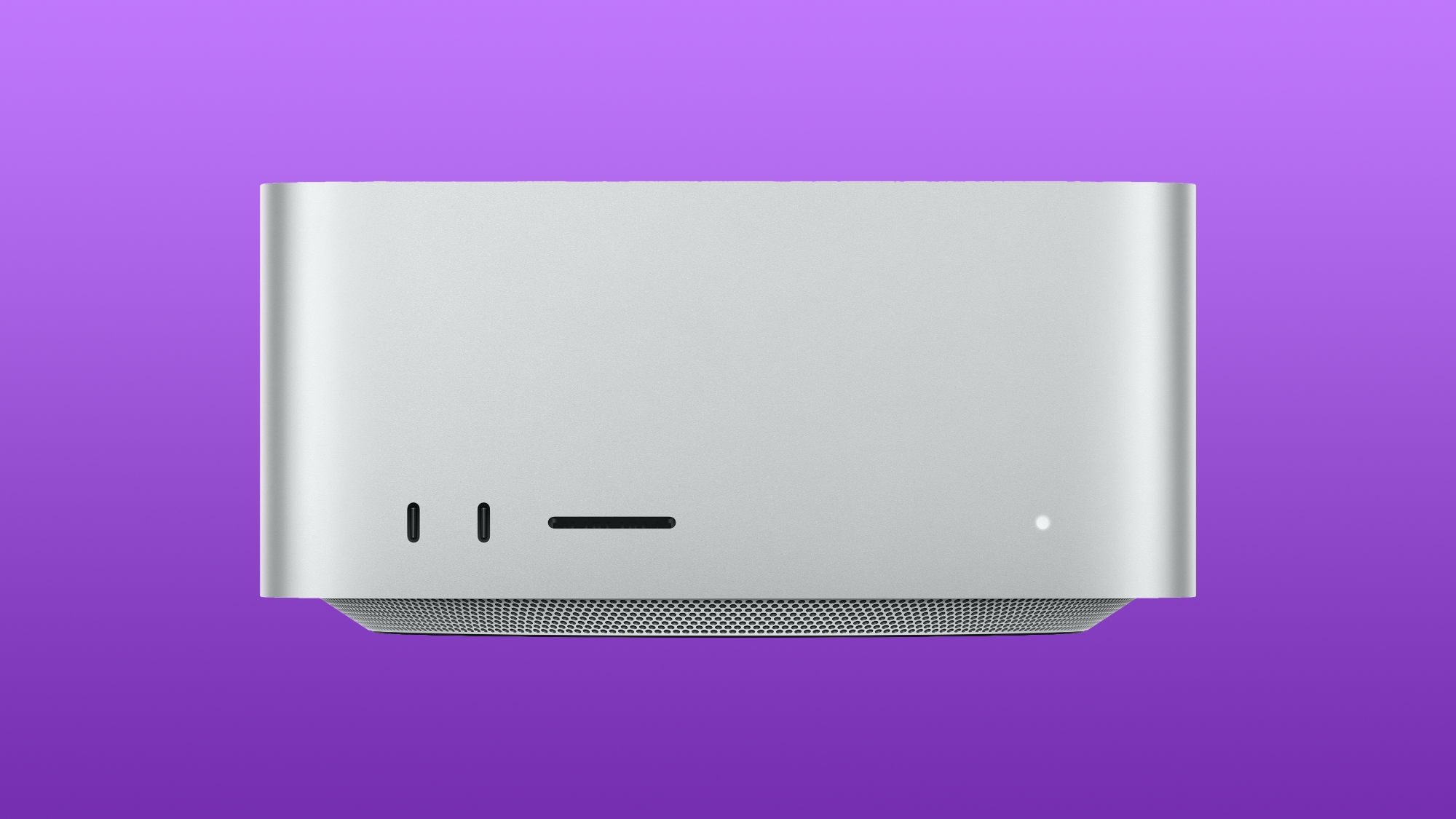
Understanding the Mac Studio and Unified Memory (RAM)
Before diving deeper into the implications of this change, it's helpful to understand what the Mac Studio is and why its memory configuration is so crucial. The Mac Studio is Apple's desktop computer designed for professional users who need extreme performance. It bridges the gap between the Mac mini (a compact, general-purpose desktop) and the Mac Pro (Apple's highest-end, modular workstation). With its powerful Apple Silicon chips – currently the M3 Max and M3 Ultra – the Mac Studio is engineered to handle demanding workloads that require significant processing power and, crucially, a large amount of fast memory.
RAM, or Random Access Memory, is essentially your computer's short-term memory. It's where your computer temporarily stores data that it's actively using or plans to use very soon. The more RAM you have, the more applications you can run simultaneously, and the larger and more complex files you can work with without your computer slowing down. For professionals dealing with multi-gigabyte video files, massive image libraries, intricate 3D models, or large datasets, having ample RAM is not just a luxury; it's a necessity for smooth, efficient workflows.
Apple's M-series chips, including the M3 Ultra, utilize a unique architecture called "unified memory." Unlike traditional computers where the CPU (central processing unit) and GPU (graphics processing unit) have separate pools of RAM, unified memory allows the CPU, GPU, and other components to share a single, high-bandwidth pool of memory. This integrated approach dramatically improves efficiency and speed, as data doesn't need to be copied back and forth between different memory banks. For tasks that are both processor-intensive and graphics-intensive, unified memory offers a significant performance advantage, making the amount of available unified memory even more critical for the Mac Studio's target audience.
The Evolution of Mac Studio RAM Options and the Recent Shift
When the Mac Studio was first introduced with the M1 Ultra chip, it quickly became a favorite for professionals. The initial configurations offered a range of RAM options, starting from a robust base and escalating to extremely high capacities to meet diverse professional needs. With the introduction of the M3 Ultra chip, Apple further pushed the boundaries of performance and memory capabilities, allowing users to configure their machines with truly staggering amounts of unified memory.
Previously, a Mac Studio equipped with the top-tier M3 Ultra chip could be configured with RAM options that started from 36GB, offering upgrades to 48GB, 64GB, 96GB, 128GB, 192GB, 256GB, and even up to 512GB. This wide spectrum allowed users to precisely tailor their machine to their specific requirements, ensuring they had enough memory for even the most demanding projects. The 512GB option, in particular, was an incredibly appealing choice for those pushing the absolute limits of desktop computing, knowing that their machine would likely remain relevant and powerful for many years to come.
However, this week, that top-tier 512GB option quietly disappeared. Now, the Mac Studio, even with the M3 Ultra chip, maxes out at 256GB of unified memory. While 256GB is still a substantial amount of RAM by any measure and more than enough for many professional workflows, the removal of the 512GB option represents a significant change in Apple's offering for its most demanding users. For those who specifically budgeted for or required that highest capacity, this update forces a reassessment of their purchasing decisions and potential workflow adjustments.
Furthermore, the scarcity isn't just affecting the top-end. Even for the remaining high-capacity options, particularly the 256GB upgrade, customers are now facing longer wait times. Reports indicate that those opting for a 256GB configuration might have to wait until May to receive their machine. This extended delivery window underscores the underlying supply constraints that are likely driving these changes.
The Rising Cost of High-Capacity RAM
Compounding the limitation in available memory is a noticeable price increase for the remaining high-capacity RAM upgrades. Previously, upgrading a high-end M3 Ultra Mac Studio from 96GB to 256GB of unified memory would cost an additional $1,600. Now, that same upgrade comes with a $2,000 price tag, representing a significant $400 increase. This upward adjustment in price further reflects the growing strain on memory component supplies and the associated production costs.
To put this into perspective, when the 512GB option was still available, it commanded a premium of approximately $4,000 over the base configuration. While the 256GB option is now the most expensive memory upgrade available, its new price point, combined with the absence of an even higher tier, means that users are paying more for less maximum capacity than was previously possible. This trend of increasing component costs being passed on to consumers is not unique to Apple but is a broader indicator of economic pressures within the tech industry.
These price adjustments and configuration limitations are not merely arbitrary decisions by Apple. They are typically direct responses to market realities, particularly concerning the availability and cost of critical components like DRAM (Dynamic Random Access Memory), which forms the core of Apple's unified memory architecture. When supply dwindles and demand remains high or increases, prices inevitably go up, and manufacturers must make difficult choices about what configurations they can sustainably offer.
The Global DRAM Shortage: A Key Driver
The most probable and widely cited reason behind Apple's decision to remove the 512GB RAM option and increase prices for other high-capacity configurations is the ongoing global shortage of DRAM. DRAM is the fundamental building block for all modern computer memory, including the unified memory in Apple Silicon chips. It's a highly volatile market, susceptible to shifts in demand, production capabilities, and geopolitical factors.
What is DRAM and Why is it Essential?
DRAM is a type of volatile memory that stores each bit of data in a separate capacitor within an integrated circuit. It's used as the primary storage for active data and program code in computers, smartphones, servers, and many other electronic devices. Its speed and density make it ideal for the "working memory" that a computer constantly accesses. Without sufficient DRAM, a computer cannot efficiently run software, process data, or perform tasks quickly.
Causes of the Current Shortage
Several factors have converged to create the current DRAM shortage:
- Increased Demand from AI and Data Centers: The explosion in artificial intelligence development, particularly large language models and advanced machine learning, has led to an unprecedented demand for high-bandwidth memory (HBM) and conventional DRAM. AI training and inference require vast amounts of memory to store model parameters and process data, driving up demand from cloud providers and data centers.
- New Device Launches: The continuous release of new smartphones, PCs, and gaming consoles also contributes to sustained demand for DRAM. Each new generation of devices often requires more memory than its predecessor to support advanced features and improved performance.
- Production Constraints: While memory manufacturers are ramping up production, bringing new fabrication plants online is a time-consuming and incredibly expensive process. Existing fabs operate at or near capacity, and any disruption, such as power outages, natural disasters, or equipment failures, can significantly impact global supply.
- Supply Chain Bottlenecks: The lingering effects of global supply chain disruptions, which were exacerbated during the pandemic, continue to impact the availability of raw materials and specialized components needed for DRAM production.
- Inventory Management by Manufacturers: In cycles of high demand, memory manufacturers might strategically manage their inventory, sometimes holding back supply to stabilize or increase market prices.
This perfect storm of factors has led to a situation where DRAM supply has "dried up," meaning there isn't enough to meet the surging demand, and prices have inevitably "soared." For a company like Apple, which consumes vast quantities of high-quality DRAM, this shortage directly impacts their ability to offer certain configurations and affects their manufacturing costs.
The Mac Studio and the Surge in Local AI Demand
Another significant factor contributing to both the increased demand for Mac Studio and the longer wait times for high-RAM configurations is the rapidly growing interest in running "local AI agents." This trend represents a shift from purely cloud-based AI processing to performing AI tasks directly on the user's device.
What are Local AI Agents?
Local AI agents refer to artificial intelligence models and applications that run entirely on a user's personal computer or device, rather than relying on remote servers in the cloud. This means that tasks like image generation, text summarization, code completion, audio processing, or even running a personalized chatbot can be performed without an internet connection or sending data to external servers. This approach offers several advantages, including enhanced privacy, lower latency (faster responses), and potentially lower long-term costs (by avoiding cloud subscription fees).
Why Local AI Demands High RAM
Running sophisticated AI models locally is incredibly demanding on hardware, particularly when it comes to memory. AI models, especially large language models (LLMs) like those powering generative AI, consist of billions of parameters. To run these models efficiently, the entire model, or at least a significant portion of it, needs to be loaded into the computer's RAM. The larger and more complex the model, the more RAM it requires. If the model doesn't fit into RAM, the system must constantly swap data between RAM and slower storage (like an SSD), which drastically reduces performance.
The Mac Studio, with its powerful M3 Ultra chip and its unique unified memory architecture, is exceptionally well-suited for these types of local AI workloads. The M3 Ultra's high-performance neural engine, combined with a large pool of fast, unified memory, allows it to process AI tasks with remarkable efficiency. This makes the Mac Studio a prime target for researchers, developers, and creative professionals who want to experiment with or implement local AI solutions without relying on expensive cloud computing resources.
The increased popularity of local AI has therefore driven up demand for machines capable of handling these workloads, placing additional pressure on the Mac Studio's supply, especially for configurations with higher amounts of RAM. Users understand that to effectively run the latest AI models, maximizing their RAM is paramount, which directly contributes to the demand for options like 256GB and previously, 512GB.
Broader Impact of Memory Scarcity on the Tech Industry
The memory scarcity affecting Apple is not an isolated incident; it's a symptom of a larger trend impacting the entire tech industry. The ripple effects of global DRAM shortages are already being felt in memory pricing, and experts predict they could significantly affect broader PC and smartphone sales in the months to come. Manufacturers across the board are grappling with higher costs and potential production bottlenecks, which will inevitably influence product availability and pricing for consumers.
For PC manufacturers, a lack of available DRAM means either designing machines with less memory than desired, delaying product launches, or increasing the final price of their computers. Similarly, the smartphone market, which is a massive consumer of mobile DRAM (LPDDR), could see supply constraints for new models or increased prices. This isn't just about high-end devices; the impact can extend to entry-level and mid-range devices as well, as basic components become more expensive and harder to source.
The situation creates a challenging environment for smaller companies that lack the purchasing power and strategic relationships of industry giants. These smaller players may find it even harder to secure necessary DRAM supplies, potentially leading to production delays, reduced product lineups, or being priced out of the market entirely. This could consolidate market share among the larger, more established technology companies that have the resources to weather such storms.
Apple's Strategic Position Amidst Supply Chain Challenges
Despite the challenges, Apple is uniquely positioned to minimize the effects of the DRAM shortage on its consumers compared to many other companies. While no company is entirely immune, Apple's scale, financial strength, and long-standing relationships with suppliers give it a significant advantage:
- Massive Purchasing Power: As one of the largest buyers of electronic components globally, Apple can secure large, long-term contracts with DRAM manufacturers. This volume purchasing often guarantees them a preferential position in terms of supply allocation and potentially more favorable pricing, even during shortages.
- Integrated Supply Chain Management: Apple has a highly sophisticated and vertically integrated supply chain. They work closely with their suppliers, often investing in their manufacturing processes and developing custom components. This close partnership allows them to monitor supply levels more effectively and adapt quickly to changes.
- Ability to Absorb Costs: With significant profit margins across many of its product lines, Apple has a greater capacity to absorb higher memory costs in the short term without immediately passing the full increase directly to consumers. While we have seen price adjustments, these might be less severe than what smaller companies, operating on tighter margins, would have to implement.
- Optimization and Efficiency: Apple's custom-designed M-series chips, with their unified memory architecture, are incredibly efficient in their use of memory. This optimization means that an Apple Silicon machine might achieve similar or better performance with less RAM compared to a traditional x86 system, making the available memory go further.
- Strategic Design and Planning: Apple plans its product roadmaps years in advance. This long-term foresight allows them to anticipate component demands and shortages, potentially placing orders well in advance or designing their products to be adaptable to different component availabilities where possible.
Therefore, while Apple is certainly affected by the global DRAM shortage, its robust strategic position helps it navigate these turbulent waters more effectively. The removal of the 512GB option and the price increase for 256GB are likely measures to manage the current supply reality and ensure that they can continue to deliver high-performance machines to their customers, albeit with some limitations at the very top end.
The Future of Mac Studio: M5 and Beyond
Looking ahead, the Mac Studio lineup is expected to continue evolving. Industry whispers and typical Apple release cycles suggest that we can anticipate new versions featuring the M5 Max and M5 Ultra chips sometime in 2026. These next-generation Apple Silicon processors are expected to bring further advancements in CPU, GPU, and neural engine performance, pushing the boundaries of what's possible on a desktop computer.
However, the current memory constraints raise questions about how future Mac Studio models will address RAM capacities. Will Apple find ways to overcome the DRAM shortage by 2026, perhaps through new manufacturing partnerships, advancements in memory technology, or more efficient chip designs that require less physical DRAM for the same perceived capacity? Or will we see a continued trend of maxing out at 256GB, with the focus shifting more towards optimizing how that memory is used rather than simply increasing its raw quantity?
The development of on-device AI capabilities is only going to accelerate, meaning the demand for high-capacity, high-bandwidth memory will likely intensify. Apple will need to innovate not just in processor performance but also in its memory strategy to continue meeting the needs of its professional user base. Whether this means exploring new memory types, securing even more dedicated supply, or engineering even more efficient ways to leverage unified memory remains to be seen. As of now, the exact timing and specifications for an updated Mac Studio remain unclear, but it will be a key area to watch in the coming years.
Conclusion
The quiet removal of the 512GB RAM option for the Mac Studio is more than just a configuration change; it's a clear indicator of the current stresses on the global technology supply chain, particularly regarding DRAM. Driven by soaring demand for memory from AI, data centers, and new devices, coupled with persistent production challenges, the cost and availability of high-capacity RAM are impacting even giants like Apple.
For Mac Studio users, especially those engaged in the most demanding professional workflows or pioneering local AI development, this means a new ceiling of 256GB unified memory, along with increased costs and longer wait times for certain configurations. While Apple's strategic position helps it mitigate some of these challenges, the broader industry faces significant headwinds.
As we look forward to potential M5-powered Mac Studio models in 2026, the question of memory capacity will undoubtedly remain a central theme. How Apple navigates these ongoing supply constraints and continues to deliver cutting-edge performance will be crucial for its professional user base and will offer insights into the future of high-performance computing.
(Thanks, Ólafur for the initial tip!)
Further Resources:
This article, "Mac Studio 512GB RAM Option Disappears Amid Global DRAM Shortage" first appeared on MacRumors.com
Discuss this article in our forums
from MacRumors
-via DynaSage

Post a Comment