Apple Watch AFib History Feature Launches in Mainland China
Apple Watch AFib History Feature Arrives in Mainland China: A Major Step Forward for Heart Health
In a significant development for digital health, Apple has officially launched its highly anticipated atrial fibrillation (AFib) history feature for the Apple Watch in mainland China. This rollout marks a crucial expansion of Apple's advanced health monitoring capabilities into one of the world's largest and most important markets, offering a new tool for individuals managing this common heart condition.
Understanding Atrial Fibrillation (AFib) and Its Importance
Before diving into the specifics of the Apple Watch feature, it's essential to understand what atrial fibrillation is and why its monitoring is so critical. AFib is a type of irregular heart rhythm (arrhythmia) that begins in the atria, the upper chambers of the heart. During AFib, the atria beat chaotically and rapidly, leading to poor coordination with the ventricles, the lower chambers. This can result in symptoms like palpitations, shortness of breath, fatigue, and lightheadedness. However, many individuals with AFib experience no symptoms at all, making it a silent threat.
The primary concern with AFib is its potential to cause serious complications. When the atria don't pump blood effectively, blood can pool and form clots. If a blood clot travels from the heart to the brain, it can cause a stroke – a devastating event that can lead to permanent disability or death. In fact, AFib significantly increases the risk of stroke, with some estimates suggesting it can increase the risk by four to five times. Additionally, untreated AFib can weaken the heart over time, potentially leading to heart failure.
Given these risks, early detection and consistent management of AFib are paramount. Regular monitoring allows individuals and their healthcare providers to understand the frequency and duration of AFib episodes, which can inform treatment decisions, including medication, lifestyle changes, or procedures. This is where modern wearable technology, particularly the Apple Watch, plays an increasingly vital role.
The Apple Watch AFib History Feature: A Closer Look
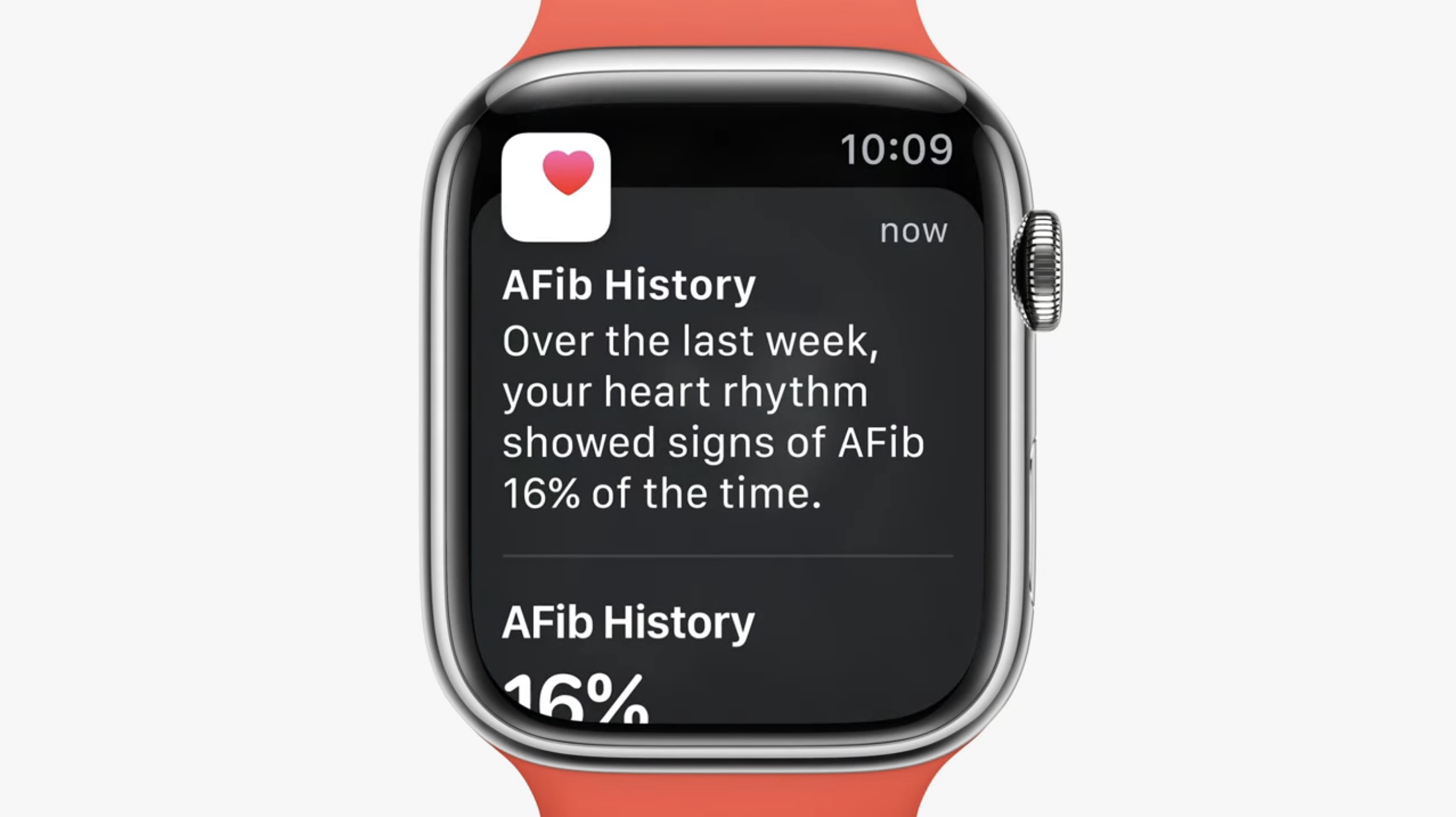
The AFib History feature on the Apple Watch is a sophisticated tool designed to help users diagnosed with atrial fibrillation track their condition over time. While the feature has been available in the United States since 2022, its arrival in China marks a significant expansion of its global reach and impact.
At its core, the feature works by continuously analyzing pulse rate data collected by the Apple Watch's photoplethysmography (PPG) sensor. This sensor uses green LED lights paired with light-sensitive photodiodes to detect the amount of blood flowing through the wrist at any given moment. Based on the patterns and variations in this pulse rate data, the Apple Watch can identify episodes that are consistent with atrial fibrillation. It's important to note that this is a retrospective analysis; the watch isn't constantly diagnosing AFib in real-time but rather looking back at collected data to estimate how often the heart has been in an irregular rhythm.
The most valuable output of the AFib History feature is what Apple refers to as an "AFib burden" estimate. This metric provides users with an understanding of the approximate percentage of time their heart spent in atrial fibrillation while they were wearing their Apple Watch during a specific period. This historical perspective is incredibly powerful for patients and their physicians. Instead of relying solely on sporadic ECG readings or patient recall, which can be inaccurate, the AFib History offers a more comprehensive picture of the heart's activity.
For someone diagnosed with AFib, understanding their AFib burden can help them identify potential triggers, assess the effectiveness of their treatment plan, and have more informed discussions with their cardiologist. For instance, if a user notices an increase in their AFib burden after certain activities or dietary choices, they can adjust their lifestyle accordingly. Similarly, doctors can use this quantitative data to fine-tune medication dosages or evaluate the need for further interventions.
Who Can Benefit from AFib History?
Apple clearly defines the intended user base for its AFib History feature. It is designed for individuals aged 22 years or older who have already received a diagnosis of atrial fibrillation from a physician. This distinction is crucial: the Apple Watch AFib History feature is a management and monitoring tool, not a diagnostic one. It is not intended to detect AFib in individuals who have not been previously diagnosed, nor is it a substitute for professional medical advice or diagnosis.
The reason for this specific targeting lies in the nature of medical technology and regulation. Features that provide health insights, especially those related to heart conditions, are typically regulated as medical devices. This means they undergo rigorous testing and approval processes to ensure accuracy, safety, and efficacy. By focusing on diagnosed individuals, Apple ensures the feature serves as an adjunct to established medical care, empowering patients to be more proactive in their health management under the guidance of their doctors.
For these users, the Apple Watch becomes a powerful personal health companion, continuously working in the background to gather vital data. It transforms a passive device into an active participant in their health journey, providing insights that were once only available through clinical settings or specialized monitoring equipment.
The Journey to China: Navigating Regulatory Complexities
The delayed launch of the AFib History feature in mainland China, compared to its 2022 debut in the U.S., highlights the intricate landscape of global medical device regulation. Capabilities like ECG (electrocardiogram) readings, Irregular Heart Rhythm Notifications, and the AFib History feature are generally classified as medical or quasi-medical functions. This classification places them under the strict purview of national health authorities, which require thorough review and approval before such technologies can be deployed.
In China, the governing body for medical devices is the National Medical Products Administration (NMPA). The NMPA's approval process is renowned for its rigor and detail, demanding extensive documentation, clinical trial data (if applicable), safety assessments, and often, localization efforts to ensure the technology meets specific Chinese standards and user needs. This is a common hurdle for many advanced health technologies seeking to enter the Chinese market, regardless of the product's origin or prior approvals in other regions.
The NMPA process typically involves several stages: pre-market registration, technical review, clinical evaluation (which might involve local clinical trials or acceptance of foreign data if deemed equivalent), quality management system inspection, and final approval. Each stage requires substantial data and compliance with a comprehensive set of regulations. For a sophisticated feature like AFib History, which relies on complex algorithms and sensor data, demonstrating its accuracy and clinical utility to the NMPA is a significant undertaking.
Apple's successful navigation of this process underscores its commitment to the Chinese market and its dedication to bringing its full suite of health features to users worldwide. Gaining NMPA approval is a testament to the scientific validity and engineering precision behind the Apple Watch's health capabilities, establishing trust and credibility within China's healthcare ecosystem. This achievement not only benefits Apple Watch users in China but also sets a precedent for future digital health innovations and their integration into regulated healthcare systems.
A Suite of Heart Health Features: Beyond AFib History
The AFib History feature is part of a broader ecosystem of heart health tools available on the Apple Watch, demonstrating Apple's comprehensive approach to cardiovascular monitoring. Alongside AFib History, users in over 150 countries worldwide, including now mainland China, can benefit from the ECG app and Irregular Heart Rhythm Notifications.
The ECG App
The ECG app allows users to take an on-demand electrocardiogram directly from their wrist. By touching the Digital Crown, users complete an electrical circuit, and the watch records an ECG. This can detect signs of atrial fibrillation or a normal sinus rhythm in just 30 seconds. The ECG app provides immediate results, which can be invaluable for individuals experiencing symptoms or those who want to check their heart rhythm at a specific moment. While AFib History provides a retrospective view, the ECG app offers a snapshot in time, making them complementary tools.
Irregular Heart Rhythm Notifications
This feature works in the background, passively checking the user's pulse for signs of irregular heart rhythms that could be suggestive of AFib. Unlike the ECG app, which requires active engagement, or AFib History, which needs a diagnosis, Irregular Heart Rhythm Notifications are designed for all users (above a certain age, usually 22) and can alert individuals who might not even know they have AFib. If the watch detects multiple irregular rhythms over a period, it will send a notification, advising the user to consult a doctor for further evaluation. This proactive screening capability is a critical step towards early detection, potentially identifying AFib in asymptomatic individuals before complications arise.
Together, these features create a robust system for heart health monitoring. The Irregular Heart Rhythm Notifications can help detect potential AFib in undiagnosed individuals. The ECG app offers on-demand checks for those with concerns. And for those already diagnosed, the AFib History provides a continuous, long-term picture of their condition, enabling better management and more informed conversations with their healthcare providers. Apple maintains a dedicated list of Apple Watch feature availability on its website, ensuring transparency for users across different regions.
Impact on Public Health and the Chinese Market
The introduction of the AFib History feature in mainland China holds profound implications for both public health and Apple's strategic presence in the region. China faces a growing burden of cardiovascular diseases, including AFib, driven by factors such as an aging population, lifestyle changes, and increased prevalence of risk factors like hypertension and diabetes. Providing tools for better management and early detection of heart conditions can significantly contribute to improving health outcomes on a national scale.
For individuals in China already diagnosed with AFib, this feature offers an unprecedented level of personal insight into their condition. It empowers them to take a more active role in their health, fostering greater engagement and adherence to treatment plans. For the healthcare system, access to more consistent and comprehensive patient data can enhance the efficiency and effectiveness of care delivery, potentially reducing hospitalizations and improving the quality of life for AFib patients.
From Apple's perspective, securing NMPA approval and launching this feature reinforces its commitment to the Chinese market. China is not just a major manufacturing hub for Apple but also a crucial consumer market. By bringing its most advanced health features to Chinese users, Apple strengthens its brand appeal and ecosystem, differentiating the Apple Watch as a sophisticated medical-grade wearable rather than just a lifestyle gadget. This move could also pave the way for other advanced health technologies to gain traction in the Chinese market, setting a precedent for digital health innovation within its regulatory framework.
Furthermore, the success of such features in China could inspire local tech companies to develop similar, NMPA-approved solutions, fostering a competitive and innovative environment for digital health. Ultimately, the broader impact could be a shift towards more preventative and personalized healthcare models, leveraging technology to manage chronic conditions more effectively across a vast population.
Apple's Broader Vision for Health
The launch of AFib History in China is not an isolated event but rather another chapter in Apple's long-term and ambitious vision for health. Over the past decade, Apple has steadily invested in health and wellness, transforming the Apple Watch from a notification device into a powerful health companion. This commitment extends beyond hardware to include robust software platforms like HealthKit, ResearchKit, and CareKit, which facilitate data collection, medical research, and patient care management.
Apple's strategy revolves around three core pillars: providing actionable insights to users, empowering clinical care, and advancing medical research. Features like AFib History directly contribute to the first pillar by giving users a deeper understanding of their own health data. By integrating with the broader healthcare ecosystem, through data sharing (with user consent) and partnerships, Apple aims to bridge the gap between consumer technology and professional medicine. Moreover, the vast amount of anonymized, aggregated data collected through features like heart rate monitoring and activity tracking, when used ethically and with user permission, holds immense potential for medical research, helping scientists better understand diseases and develop new treatments.
The company emphasizes privacy and security in all its health initiatives, recognizing the sensitive nature of personal health information. Health data on Apple devices is encrypted and users have granular control over what data is shared and with whom. This commitment to user trust is fundamental to the widespread adoption and success of its health platforms globally.
As Apple continues to innovate, we can anticipate further advancements in sleep tracking, mental health support, and potentially new sensors for monitoring other vital signs. The company's goal is to make health information accessible, understandable, and actionable for everyone, enabling a more proactive and preventative approach to well-being.
Leveraging Technology for Personalized Health Management
The Apple Watch's AFib History feature exemplifies how wearable technology is revolutionizing personalized health management. In an era where healthcare systems are often overwhelmed and reactive, tools that empower individuals to monitor their own health proactively are invaluable. For conditions like AFib, where symptoms can be sporadic or absent, continuous, passive monitoring provides a level of insight that traditional clinical visits alone cannot match.
This capability allows individuals to move beyond episodic care to a more continuous model of health engagement. By having access to their AFib burden data, users can engage in more meaningful conversations with their doctors, making appointments more productive and treatment plans more tailored to their individual needs. It fosters a sense of ownership over one's health, encouraging healthier lifestyle choices and better adherence to medical advice.
Furthermore, the integration of such features into a widely adopted consumer device like the Apple Watch makes advanced health monitoring accessible to a broader population, far beyond what specialized medical devices could achieve. This democratization of health technology holds immense potential for improving public health outcomes globally, bridging gaps in healthcare access and awareness.
Conclusion
The launch of the Apple Watch AFib History feature in mainland China is a landmark event, underscoring Apple's unwavering commitment to health innovation and its dedication to making advanced monitoring tools available worldwide. By successfully navigating China's stringent regulatory landscape, Apple has not only expanded the reach of a crucial health feature but also solidified its position as a leader in digital health in one of the world's most dynamic markets.
For millions of individuals in China living with or at risk of atrial fibrillation, the Apple Watch now offers a powerful, intuitive tool to better understand and manage their heart health. This feature, combined with the ECG app and Irregular Heart Rhythm Notifications, creates a comprehensive suite of cardiovascular monitoring capabilities that empower users, facilitate informed discussions with physicians, and contribute significantly to the global effort against heart disease.
As technology continues to evolve, the Apple Watch stands as a testament to the potential of wearables to transform healthcare, moving us towards a future where personalized, proactive health management is not just a possibility, but a reality for everyone. Always remember that while technology provides valuable insights, it is never a substitute for professional medical advice. Users should always consult with their doctors regarding any health concerns or before making decisions related to their medical care.
This article, "Apple Watch AFib History Feature Launches in Mainland China" first appeared on MacRumors.com
Discuss this article in our forums
from MacRumors
-via DynaSage

Post a Comment