Apple Wanted to Buy Halide to Boost iPhone 18 Pro's Camera App—Now There's a Lawsuit
The iPhone 18 Pro's Camera Ambitions, a Failed Acquisition, and a Lawsuit That Shakes the Tech World
In the fiercely competitive world of smartphone technology, Apple continuously strives to push the boundaries of innovation, particularly when it comes to the iPhone 18 Pro's camera capabilities. Their ambition to make the iPhone's built-in Camera app a professional-grade tool led them down a fascinating path, reportedly involving acquisition talks with a renowned third-party app developer, Lux Optics, the creator of the popular Halide camera app. However, these discussions ultimately collapsed, setting the stage for a dramatic legal dispute between the startup's co-founders. This unfolding saga, as detailed by The Information, not only offers a rare glimpse into Apple's strategic moves but also highlights the complex and often contentious dynamics within the tech startup ecosystem.
At the heart of this narrative is Apple's relentless pursuit of photographic excellence. For years, the iPhone has been synonymous with mobile photography, democratizing the ability to capture stunning images and videos. Yet, with the rise of increasingly sophisticated smartphone cameras from competitors and the ever-growing demand from users for more control and professional features, Apple faces the challenge of continually enhancing its native Camera app. The goal for the upcoming iPhone 18 Pro is reportedly nothing short of revolutionary: to "match professional-grade cameras in terms of certain advanced features." This lofty aspiration necessitates a significant upgrade to the built-in Camera app, prompting Apple to explore various avenues for innovation, including the potential acquisition of companies that have already excelled in this domain.
The Quest for the Ultimate iPhone Camera: Why Apple Looks Beyond its Walls
Apple's strategic interest in Lux Optics and its Halide app underscores a broader trend in the tech industry: even the largest companies sometimes look to acquire specialized talent and technology from smaller, agile startups to accelerate their own development. While Apple boasts an immense team of engineers and designers, certain niche areas, like advanced manual camera controls or specific computational photography techniques, are often pioneered by independent developers who can innovate rapidly without the constraints of a larger corporate structure.
The "professional-grade" promise for the iPhone 18 Pro's camera is a bold one. What exactly does this entail? Traditionally, professional cameras offer features like extensive manual controls over aperture, shutter speed, ISO, and white balance; the ability to shoot in RAW format for maximum post-processing flexibility; sophisticated focus systems; advanced metering options; and a robust suite of creative modes. While the iPhone's native Camera app has made great strides, it largely prioritizes simplicity and computational photography, often leaving advanced manual control to third-party applications. To truly "match" professional cameras, Apple would need to integrate a deeper level of user control and access to raw image data, along with potentially new optical and sensor technologies. This is where a company like Lux Optics, with its expertise in exposing these capabilities to users through intuitive interfaces, becomes incredibly valuable.
The urgency behind this upgrade is palpable. The smartphone market is saturated, and camera quality remains a primary differentiator for many consumers. Competitors like Google, Samsung, and others are constantly pushing the envelope with their own advanced camera systems, incorporating AI, larger sensors, and unique computational photography tricks. For Apple to maintain its leading position and justify the "Pro" moniker, a significant leap in its camera's capabilities and user control is essential. This backdrop explains why enhancing the built-in Camera app is considered a "top priority for the company right now," and why they reportedly sought out a partner like Lux Optics.
Halide: A Beacon of Professional Photography on iOS
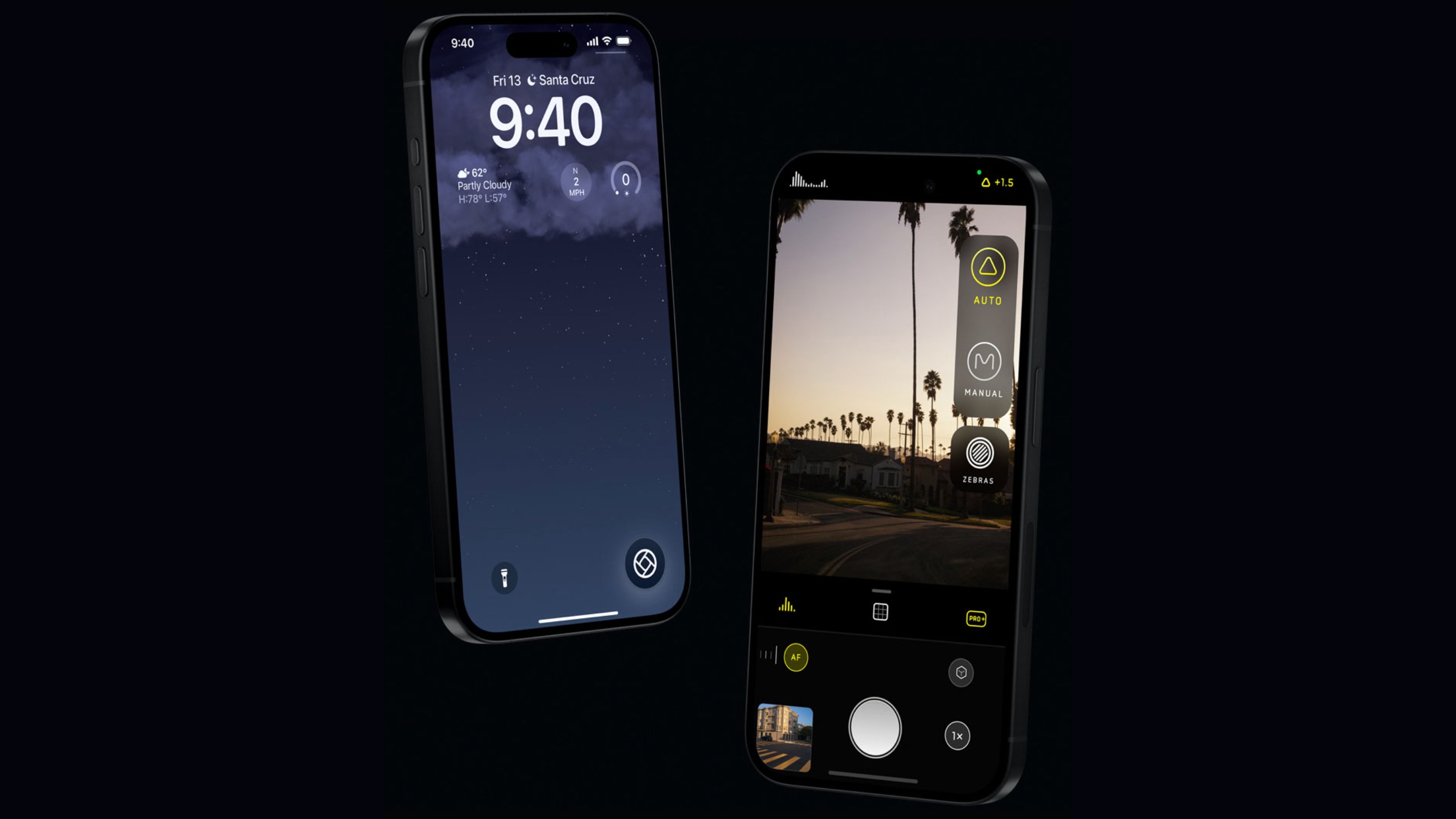
Lux Optics, the company behind Halide, Kino, and Spectre, has carved out a significant reputation among serious iPhone photographers. Halide, in particular, stands out as a professional-grade camera app for iOS, renowned for its elegant interface and powerful features that go far beyond what the native iPhone Camera app offers. Users praise Halide for its ability to provide granular control over various camera settings, including manual focus with focus peaking, deep control over ISO and shutter speed, and the ability to shoot in various RAW formats like ProRAW, which captures far more image data for advanced editing.
Kino is designed for advanced video capture, offering controls and features that appeal to cinematographers using their iPhones. Spectre, on the other hand, specializes in long-exposure photography, using computational techniques to create stunning images of moving water, light trails, and crowded scenes, all without the need for a tripod in many cases. These apps demonstrate Lux Optics' deep understanding of both photography principles and iOS development, making complex features accessible and enjoyable to use.
The expertise embodied in these apps – from user interface design to backend image processing algorithms – represents a significant asset. For Apple, acquiring Lux Optics would not just mean gaining popular apps; it would mean integrating a team with a proven track record of innovation in mobile photography, potentially fast-tracking their own Camera app's evolution. Imagine the intuitive controls of Halide seamlessly integrated into the stock iPhone Camera, offering a professional mode that satisfies the most demanding users while keeping the default experience simple for everyone else. This synergy was likely a major draw for Apple, as their employees reportedly told the startup that its intellectual property was a "major consideration" during the evaluation process.
The Unfolding Acquisition Saga: A Near Miss and Shifting Tides
According to reports, Apple's interest in Lux Optics materialized into concrete discussions in the summer of 2025. These were not mere preliminary talks but serious negotiations aimed at acquiring the company. For a small startup like Lux Optics, an acquisition by a tech giant like Apple would represent a monumental achievement – validation of their work, financial security for their team, and the opportunity for their technology to reach millions more users globally.
However, despite the appeal of such a deal, the talks ultimately concluded without an agreement. The reason for the breakdown, as reported, was that Lux Optics believed it "could get a better offer from Apple in the future following updates to the app." This perspective is understandable from a startup's point of view. If a company believes its valuation will significantly increase after releasing new features, growing its user base, or proving its technology further, it might choose to hold out for a larger payout. This strategy, while potentially lucrative, also carries risks, as demonstrated by the subsequent turn of events.
The decision to decline Apple's initial offer, fueled by optimism for a future, more favorable deal, proved to be a pivotal moment. It prevented Apple from acquiring Lux Optics' entire portfolio and integrating its team directly. What Lux Optics might not have fully anticipated, however, was Apple's alternative strategy: pursuing individual talent if the full acquisition proved unfeasible. This is a common tactic in Silicon Valley, where companies sometimes engage in "acqui-hires" – acquiring a company primarily for its talented team rather than its products – or simply recruit key individuals directly if broader acquisition talks fail.
A Contentious Departure: Sebastiaan de With Joins Apple
Just two months after the acquisition talks with Lux Optics collapsed, Apple made a decisive move. They began recruiting Lux's co-founder and designer, Sebastian de With. This swift action highlights Apple's keen interest in de With's specific talents and expertise, suggesting that he was considered a crucial element in Lux Optics' success and a valuable asset for Apple's design and camera teams. De With's role as co-founder and designer at Lux Optics meant he was intimately involved in the user experience and visual aesthetics of Halide and the other apps, areas where Apple places immense importance.
The situation escalated dramatically in December, when Lux CEO and co-founder Ben Sandofsky reportedly fired de With. The stated reason for the termination was "financial misconduct." This accusation immediately raises red flags, signaling a deep fracture within the leadership of Lux Optics, a company that had just been in high-stakes acquisition talks with Apple.
Following his termination from Lux Optics, Sebastian de With officially announced in January that he had joined Apple's design team. This announcement, coming so soon after the failed acquisition and his firing, added another layer of complexity to the narrative. On one hand, it represented a significant career move for de With, joining one of the most influential design teams in the world. On the other, it set the stage for the explosive legal battle that was to follow, intertwining the personal and professional lives of the co-founders with the strategic interests of Apple.
The Storm Erupts: Sandofsky's Lawsuit and Grave Accusations
The simmering tensions between the Lux Optics co-founders boiled over into a full-blown legal battle when Ben Sandofsky filed a lawsuit in the California Superior Court of Santa Cruz against Sebastian de With. The accusations made by Sandofsky are severe and strike at the core of business ethics, intellectual property rights, and financial integrity.
Firstly, Sandofsky accuses de With of improperly using more than $150,000 in Lux company funds for personal expenses since 2022. If true, such financial misconduct could be a serious breach of fiduciary duty and trust, potentially damaging the company's financial health and its relationship with investors. The accusation points to a pattern of alleged misuse extending over several years, suggesting a deeper underlying issue within the company's financial management and co-founder oversight.
Secondly, and perhaps even more damaging in the context of Apple's prior interest, Sandofsky alleges that de With provided "confidential material and source code from Lux to Apple." This is a profoundly serious accusation in the tech world. Intellectual property (IP), especially source code, is the lifeblood of a software company. If de With indeed transferred such sensitive assets to Apple, it could constitute a major breach of contract, a violation of trade secret laws, and a severe blow to Lux Optics' competitive standing. It would imply that Apple, through de With, gained access to proprietary technology without having to pay for the full acquisition of the company, effectively undermining the value of Lux Optics' IP.
These accusations paint a picture of deep betrayal and misconduct, potentially jeopardizing both de With's new role at Apple and Lux Optics' future. The lawsuit seeks to recover damages and protect Lux Optics' intellectual property, highlighting the high stakes involved in co-founder disputes, especially when large tech companies are indirectly involved.
De With's Defense: A Counter-Narrative of Retaliation and Financial Irregularities
Sebastian de With's legal representatives have swiftly responded to the lawsuit, dismissing the accusations as "meritless." Their defense offers a starkly different interpretation of events, framing Sandofsky's lawsuit not as a righteous pursuit of justice but as a retaliatory action.
Regarding the central accusation of IP transfer, de With's legal team emphatically denies that he "used, transferred, or disclosed any Lux intellectual property" as part of his new job at Apple. This direct rebuttal sets the stage for a legal battle where the burden of proof will be critical, especially concerning the complex nature of source code and confidential material. It also implies that Apple itself did not receive any illicit transfers, an important distinction given Apple's non-defendant status in the case.
Furthermore, de With's defense introduces a powerful counter-narrative. They assert that the lawsuit was filed only after de With himself raised concerns with Sandofsky about "financial irregularities at Lux" and had requested access to its financial records and payments. This suggests that de With was, in fact, attempting to scrutinize Lux's finances and that the lawsuit against him is a "retaliatory response to those efforts and an attempt to avoid scrutiny of that conduct."
This counter-claim transforms the narrative from a clear-cut case of misconduct into a complex web of accusations and counter-accusations. If de With's claims are substantiated, it could shift the blame onto Sandofsky for potential financial mismanagement at Lux Optics, making the lawsuit appear as a defensive maneuver rather than an offensive one. Such internal financial disputes among co-founders are unfortunately not uncommon in startups, often escalating when one party departs under contentious circumstances.
Apple's Role (or Lack Thereof) and the Broader Implications
Crucially, Apple is not named as a defendant in the lawsuit and is not accused of any wrongdoing. This distinction is important for Apple, as it maintains its reputation as a company that adheres to legal and ethical standards, even when it benefits from talent acquisition. However, the situation is undoubtedly an uncomfortable one for the tech giant.
While legally insulated, Apple finds itself indirectly entangled in a bitter co-founder dispute involving a company it once sought to acquire and a key individual it subsequently hired. This scenario raises several questions and potential implications for Apple:
- Talent Acquisition Ethics: While recruiting talent is standard practice, the timing and context of de With's hiring – immediately after failed acquisition talks and his firing – will inevitably be scrutinized. Apple will need to ensure that its internal processes for hiring from companies they previously considered acquiring are robust and legally sound.
- Reputation in the Startup Community: Startup founders often share stories and experiences, both positive and negative, about dealing with larger companies. While Apple is not at fault here, the public spectacle of this lawsuit could make some startups more wary about engaging in acquisition talks or having their talent recruited by Apple in the future, particularly if sensitive IP is perceived to be at risk.
- Internal Scrutiny: Even without being a defendant, Apple will likely conduct internal reviews to ensure that no Lux Optics IP was inadvertently or intentionally brought into the company by de With, especially given the seriousness of Sandofsky's allegations. Protecting its own reputation and avoiding any appearance of impropriety is paramount for a company of Apple's stature.
Ultimately, Apple's direct goal remains unchanged: to enhance the iPhone 18 Pro's Camera app. Whether de With's direct contributions will be impacted by the ongoing legal battle, or whether Apple will simply continue its internal development efforts, remains to be seen. However, the saga highlights the intricate and sometimes perilous dance between big tech and innovative startups.
The Future of iPhone Photography Amidst the Turmoil
Regardless of the outcome of the lawsuit, Apple's commitment to making the iPhone 18 Pro's camera truly "professional-grade" will continue. The company has multiple avenues for achieving this goal:
- Internal Development: Apple possesses vast resources and talent to develop advanced camera features in-house. They can leverage their existing teams for computational photography, hardware integration, and user interface design to bring professional controls and capabilities to the native Camera app. This path, while potentially slower than an acquisition, offers full control over the process.
- Further Talent Acquisition: Even if full company acquisitions are tricky, Apple can continue to recruit key individuals from other specialized camera app developers or photography experts from the industry.
- Partnerships: Apple might explore strategic partnerships with other companies for specific technologies or features, allowing them to integrate advanced capabilities without full ownership.
- Hardware Innovation: The camera experience is not just about software; it's also about the underlying hardware. Continuous improvements in sensor technology, lens design, and image signal processing chips will be crucial for reaching "professional-grade" status.
The incident with Lux Optics serves as a powerful reminder of the high stakes involved in the smartphone camera arms race. Consumers expect increasingly powerful and versatile cameras, and Apple knows it must deliver. The iPhone 18 Pro is expected to be a pivotal device in this ongoing evolution, and the enhancements to its Camera app will be a major talking point, regardless of the drama unfolding around the company's past acquisition attempts.
This entire situation underscores the complex interplay of innovation, business strategy, and human dynamics in the tech world. A promising acquisition that could have significantly boosted the iPhone 18 Pro's camera capabilities instead spiraled into a bitter legal dispute, revealing the hidden tensions that can exist even within successful startups. The saga of Apple, Lux Optics, and the co-founder lawsuit is a compelling narrative that will continue to unfold, offering insights into the cutthroat nature of technological advancement and the often-unpredictable human element that drives it.
Lessons Learned: Navigating the Complexities of Startups, Acquisitions, and IP Protection
The dramatic events surrounding Lux Optics offer several critical lessons for both startups and large technology companies. For startups, particularly those developing highly specialized or proprietary technology, the story emphasizes the paramount importance of robust legal agreements and clear intellectual property protection strategies. Co-founder agreements should meticulously detail roles, responsibilities, equity structures, and most importantly, exit strategies and dispute resolution mechanisms. The accusations of financial misconduct and IP transfer highlight how internal disagreements, if left unchecked, can quickly escalate into costly and reputation-damaging legal battles.
Furthermore, the decision by Lux Optics to hold out for a "better offer" from Apple, while financially rational from one perspective, illustrates the inherent risks in such a high-stakes gamble. The landscape of big tech acquisitions can change rapidly, and a bird in hand is often worth two in the bush. Valuations can fluctuate, market conditions shift, and a giant like Apple might simply pivot to alternative strategies, such as recruiting individual talent, rather than pursuing a full acquisition.
For large companies like Apple, this incident, though not directly involving them as a defendant, serves as a cautionary tale about the complexities of talent acquisition following failed acquisition attempts. While legally permissible to hire individuals, the optics and potential for indirect entanglement in disputes require careful navigation. Maintaining clear ethical guidelines, ensuring thorough due diligence during recruitment, and reinforcing policies against the transfer or use of third-party intellectual property are crucial for preserving reputation and avoiding future legal headaches.
Ultimately, this case is a vivid illustration of the challenges inherent in the tech ecosystem, where innovation often intersects with intense competition, intricate legal frameworks, and human ambition. The desire to equip the iPhone 18 Pro with a truly "professional-grade" camera spurred Apple's initial interest, but the subsequent events remind us that the journey from technological ambition to market reality is rarely straightforward.
As the legal proceedings unfold in California Superior Court, the tech community will watch closely. The outcome will not only determine the fate of Lux Optics and its co-founders but could also set precedents for how intellectual property and talent mobility are viewed in the high-stakes world of smartphone innovation.
This article, "Apple Wanted to Buy Halide to Boost iPhone 18 Pro's Camera App—Now There's a Lawsuit" first appeared on MacRumors.com
Discuss this article in our forums
from MacRumors
-via DynaSage

Post a Comment