Apple Store External Storage Prices Spike Amid AI-Driven Shortage
The Unseen Costs of the AI Boom: Why Your Apple External Storage Just Got So Expensive (and Hard to Find)
For many Apple users, an external hard drive or solid-state drive (SSD) is an essential accessory. Whether it's for backing up precious photos, storing large video projects, or simply expanding the limited internal storage of a MacBook, these devices offer vital flexibility and peace of mind. However, a recent development has sent shockwaves through the Apple community and indeed, the wider tech market. Last week, Apple quietly, but significantly, increased the prices of external hard drives sold through its official online store and physical retail locations. This sudden and steep price hike, first brought to light by Bloomberg's respected tech journalist Mark Gurman, is a stark indicator of a brewing storm in the tech supply chain, largely fueled by the burgeoning demand for Artificial Intelligence (AI).
The implications of these price adjustments go far beyond a mere annoyance for shoppers. They highlight a fundamental shift in how memory and storage chips, the building blocks of modern computing, are being allocated and valued. As AI data centers proliferate and consume vast quantities of these critical components, the consumer market is finding itself at the back of the queue, facing not only soaring prices but also widespread shortages. This blog post will delve into the details of these price changes, explore the underlying causes rooted in the AI revolution, and discuss the broader impact on consumers and the future of tech hardware.
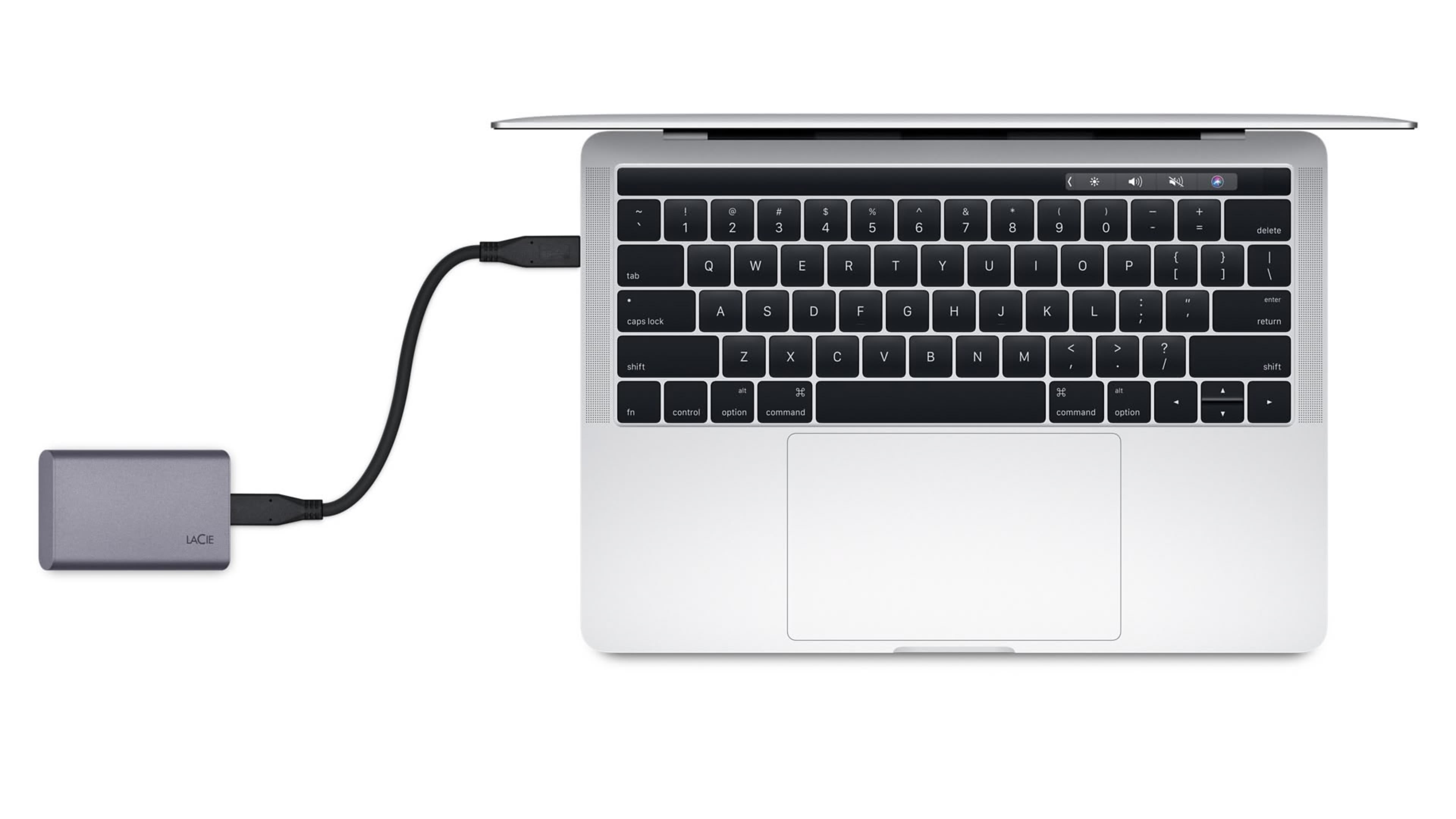
Sticker Shock at the Apple Store: Unpacking the Price Increases
Mark Gurman, known for his insightful reporting on Apple, detailed the alarming price updates in his latest Power On newsletter. His report painted a clear picture of substantial cost increases across various external storage offerings. These aren't minor adjustments; they represent a dramatic revaluation of these products. For instance, a SanDisk 4TB (terabyte) solid-state external drive, a popular choice for its speed and reliability, which previously retailed for approximately $500, now carries a hefty price tag of $1,200. That’s an increase of 140%, more than doubling its original cost. Similarly, a 1TB model from the same brand saw its price skyrocket from $120 to $360, a staggering 200% surge.
To put these figures into perspective, imagine a product you rely on suddenly costing two or even three times its previous price. For consumers who depend on external storage for vital tasks—whether it's professional video editing, extensive photo archives, or simply secure data backups—these new prices can be prohibitive. Solid-state drives (SSDs) are particularly prized for their faster data transfer speeds, greater durability compared to traditional hard disk drives (HDDs), and compact form factors, making them ideal companions for modern Macs. The fact that these essential tools are now so much more expensive directly impacts the cost of computing for a vast segment of Apple's user base.
While Apple, as Gurman points out, does not set the prices for these third-party accessories itself—that responsibility lies with the individual vendors like SanDisk—the impact on buyers remains the same. When these products are sold through Apple's highly visible and trusted channels, these price adjustments effectively become the new market reality for many consumers. It signifies that even with Apple's immense buying power and influence, the broader market forces are simply too strong to resist, leading to a direct pass-through of increased costs to the end user. This situation forces consumers to either bear the brunt of these inflated prices or seek out increasingly scarce and potentially less reliable alternatives.
The Silent Culprit: AI's Insatiable Hunger for Chips
The root cause of these dramatic price hikes and subsequent shortages can be traced back to the explosive growth of Artificial Intelligence. AI is not just a buzzword; it's a transformative technology that requires unprecedented computational power, particularly in the realm of memory and storage chips. This "AI-fueled demand," as Gurman aptly describes it, is creating a massive squeeze on the consumer market, diverting critical resources towards enterprise-level AI applications and data centers.
What is AI and Why Does It Need So Much Memory?
At its core, Artificial Intelligence, especially in its current dominant forms like large language models (LLMs) and deep learning, relies on processing vast amounts of data. Think of AI as a student trying to learn everything ever written, spoken, or drawn. To do this, it needs to access, analyze, and store colossal datasets—billions, even trillions, of data points. This learning process, known as "training," is incredibly data-intensive and computationally expensive.
During training, AI models crunch through petabytes (thousands of terabytes) of information. This requires high-speed access to memory (RAM) and long-term storage (like the NAND flash chips found in SSDs). Every time an AI model "thinks" or makes a prediction (a process called "inference"), it needs to quickly retrieve and manipulate data. The larger and more complex the AI model, the more memory and storage it demands. These models are constantly growing in size and sophistication, which means their hunger for chips is only increasing exponentially. The sheer scale of data involved in building and running modern AI systems is simply staggering, far exceeding the demands of traditional computing applications.
Furthermore, AI development is an iterative process. Engineers are constantly refining models, running new experiments, and handling even larger datasets to improve performance and capabilities. Each iteration requires fresh batches of data to be ingested, processed, and stored, creating a perpetual cycle of demand for high-performance memory and storage solutions. This relentless cycle means that the demand for these specific types of chips is not a temporary spike but rather a foundational shift driven by the very nature of AI itself. It's an ongoing, massive investment in the hardware infrastructure that underpins the AI revolution, and it's consuming resources at an unprecedented rate.
From Your Desktop to Data Centers: The Chip Drain
The memory and storage chips crucial for your external SSDs and computer RAM are essentially the same types of components that power massive AI data centers. Specifically, we're talking about NAND flash memory, which forms the basis of SSDs, and DRAM (Dynamic Random-Access Memory), which serves as the fast, temporary memory for both consumer computers and enterprise servers. These chips are manufactured by a relatively small number of global giants, and their production capacity, while vast, is not infinite.
Currently, the biggest consumers of these chips are the rapidly expanding AI data centers. Companies at the forefront of AI development, such as Google, Amazon, Microsoft, and numerous AI startups, are pouring billions of dollars into building out these massive computing infrastructures. These "AI data center build-outs" involve constructing enormous facilities packed with specialized servers, graphics processing units (GPUs), and, critically, vast quantities of high-bandwidth memory (HBM) and high-capacity NAND flash storage. Each new server rack going into an AI data center can demand many times more memory and storage than a typical consumer-grade computer, and these data centers are built with thousands of such racks.
Manufacturers of NAND flash and memory chips are facing an unprecedented surge in demand from these enterprise clients. For chipmakers, fulfilling these large, long-term contracts from AI giants is far more lucrative than selling smaller batches of chips to consumer product manufacturers. Enterprise deals often involve higher volumes, more stable demand, and typically better profit margins. This economic reality means that manufacturers are naturally prioritizing these "lucrative enterprise contracts" over supplying the consumer market. The consequence is a deliberate, though perhaps unavoidable, starvation of the consumer electronics supply chain. Your desire for a new external SSD for your MacBook simply cannot compete with the multi-billion-dollar projects of global AI leaders who need hundreds of thousands of chips for a single data center expansion.
This prioritization creates a direct bottleneck for consumer products. Fewer chips are allocated for manufacturing external drives, internal SSDs for laptops, or RAM modules for everyday computers. The reduced supply, coupled with steady or even increasing consumer demand, inevitably leads to higher prices and scarcity. It's a classic case of supply and demand, but on an epic scale, driven by a technological revolution that is reshaping global industry priorities.
Beyond Prices: The Widespread Shortage Across Retailers
The problem isn't just about higher prices; it's also about basic availability. Gurman’s report highlights a troubling trend: external drives on Apple's online store are "largely sold out." This isn't just a few models being out of stock; it's a systemic issue where "most models" show "no availability for delivery or in-store pickup." For anyone attempting to purchase external storage through Apple, this means encountering frustrating "unavailable" messages, making it nearly impossible to acquire the desired product.
While there might still be some lingering stock at physical Apple Store locations, Gurman notes that even there, shoppers will face the same "inflated prices." This suggests that any remaining inventory is being sold at the new, higher rates, indicating that the price adjustments are not just an online phenomenon but a universal market shift. This scarcity creates a bottleneck for users, particularly those with urgent storage needs, such as professionals working on time-sensitive projects or students needing to back up critical data.
Furthermore, this supply crunch isn't confined to Apple's ecosystem. The ripple effect is being felt across the entire retail landscape. "Similar shortages and hikes can be found at Best Buy, Amazon, and other retailers," Gurman observes. This widespread unavailability across major consumer electronics outlets confirms that the issue is not specific to Apple or its vendors but reflects a broader market condition. When giants like Amazon, with their vast logistics and supply chain networks, are experiencing similar difficulties, it underscores the severity of the global chip shortage. It means that finding an external drive at a reasonable price, regardless of where you look, is becoming an increasingly challenging task for the average consumer, transforming what was once a routine purchase into a frustrating quest.
A Ripple Effect: How AI Demand Impacts Your Other Apple Gear
The strain on memory and storage chip supplies due to AI demand is not an isolated incident affecting only external drives. It's a systemic problem with far-reaching consequences that have already impacted other core Apple products. The current shortage of external storage directly stems from the same "supply crunch" that forced Apple to implement other significant changes earlier this month, affecting some of its most popular and powerful computers.
MacBook Price Hikes: A Precedent Set
Just before the external drive price surges, Apple had already raised the prices of its popular MacBook Air and MacBook Pro models by $100. At the time, this was met with some surprise and disappointment from consumers, as price increases on core products are relatively uncommon outside of major generational upgrades. While Apple didn't explicitly state the reason, industry analysts quickly connected these increases to rising component costs. The logic is straightforward: if the underlying memory and storage components become more expensive for Apple to procure, those increased costs eventually get passed on to the consumer in the form of higher retail prices for the finished product.
The MacBook Air and MacBook Pro, especially their base configurations, rely heavily on integrated SSDs and RAM. As AI data centers gobble up NAND flash and DRAM, the prices of these essential components rise for all buyers, including Apple. Therefore, the $100 increase on these laptops served as an early warning sign, a prelude to the even steeper price hikes we're now seeing on external storage. It demonstrated that Apple, despite its market dominance, is not immune to the fundamental economic pressures exerted by global supply chain dynamics. This precedent sets a concerning tone for future hardware releases, suggesting that AI's influence on pricing might become a recurring theme.
For consumers, this means that the total cost of ownership for Apple devices is subtly increasing across the board. The initial purchase price of a new MacBook is higher, and then the cost of essential accessories like external drives is also escalating. This compounding effect makes upgrading or expanding one's Apple ecosystem significantly more expensive than it was just a few months ago, potentially forcing users to compromise on storage capacity or delay necessary purchases.
The Mac Studio's Missing Memory Upgrade
Another telling symptom of the deepening chip shortage was the quiet removal of the Mac Studio's top-tier 512GB RAM memory upgrade option. The Mac Studio is Apple's high-performance desktop computer designed for professional users who demand maximum power and memory for intensive tasks like video editing, 3D rendering, and complex software development. The availability of a 512GB RAM configuration was a significant selling point for these users, enabling them to handle truly colossal datasets and run multiple demanding applications simultaneously without slowdowns.
The decision to remove this high-capacity RAM option, as reported by MacRumors earlier in March, was almost certainly a direct consequence of the memory chip crunch. When high-density DRAM modules become scarce and expensive due to overwhelming demand from AI data centers, it becomes challenging for even a company like Apple to consistently offer such a premium, high-volume configuration. Rather than offering the upgrade at an astronomically inflated price or facing constant backorders, Apple likely opted to streamline its offerings to what it could reliably supply.
This move is a strong signal that the impact of AI demand isn't just about price; it's also about what's physically available. If Apple's top-tier professional machine cannot consistently offer its highest memory configuration, it highlights the severe constraints on the supply side. For professionals who rely on that much RAM, this means either settling for a lower configuration that might compromise their workflow or exploring alternative, non-Apple solutions. It underscores how the trickle-down effect of AI's insatiable hunger for chips is affecting even the most specialized segments of the consumer tech market, altering product specifications and limiting user choices.
The Future Outlook: Will Things Get Worse Before They Get Better?
The current situation, as dire as it seems for consumers, is unfortunately predicted to worsen. Mark Gurman explicitly notes that "the situation is likely to get worse throughout 2026 – and possible beyond." This sobering forecast suggests that the era of affordable and readily available memory and storage components may be drawing to a close, at least for the foreseeable future. The underlying reasons for this pessimistic outlook are deeply embedded in the trajectory of the AI industry.
AI development is not slowing down; it's accelerating. Every major tech company and countless startups are investing unprecedented sums into AI research, development, and deployment. This continuous investment translates directly into an ever-increasing demand for the specialized hardware that powers AI: advanced GPUs, high-bandwidth memory, and vast quantities of fast NAND flash storage. The global infrastructure required to train and run these increasingly complex AI models is still very much under construction, meaning the "AI data center build-outs" are far from complete. As more data centers come online and existing ones expand, their collective appetite for chips will only intensify.
Furthermore, chip manufacturing is a complex and capital-intensive process that cannot be scaled up overnight. Building new fabrication plants (fabs) takes years and billions of dollars. While chipmakers are indeed investing in expanding capacity, the lead time for these investments to translate into increased output is substantial. This means that for the next few years, demand is projected to outpace supply significantly, especially for the high-performance memory and storage chips favored by AI applications.
The implications of Gurman's warning are profound. Consumers should prepare for a prolonged period of elevated prices and potential scarcity for a wide range of tech products, not just external drives. Future iterations of Macs, iPhones, and other devices might see their base storage options shrink, or their prices increase, to reflect the underlying component costs. The "new normal" in consumer tech might involve higher entry barriers and more deliberate choices about memory and storage configurations. This isn't just a temporary market fluctuation; it's a structural shift driven by a generational technological revolution, the full impact of which is only just beginning to unfold.
Implications for Consumers and the Broader Tech Landscape
The current surge in external storage prices and widespread shortages, directly linked to AI's demands, has significant implications for individual consumers and the broader tech landscape. For everyday users, particularly those on a budget, upgrading their storage or ensuring robust backups just became a far more expensive proposition. This might lead to compromises, such as opting for smaller capacities than truly needed, or delaying essential data protection measures, which can have long-term risks. Creative professionals, who often rely on terabytes of fast storage for their workflows, face increased operational costs that could impact their business models.
This situation also highlights a growing divide in the tech market. While enterprise-level AI development benefits from massive investment and priority access to cutting-edge components, the consumer segment is experiencing the pinch. This bifurcation means that the resources of chip manufacturers are increasingly being directed towards a few powerful AI players, potentially stifling innovation and affordability in the consumer electronics space. It shifts the power dynamic within the tech ecosystem, making chip supply a critical geopolitical and economic battleground.
In the long run, this could lead to more integrated, non-upgradable devices if manufacturers find it harder to source discrete memory and storage components for user-accessible slots. It might also accelerate the shift towards cloud-based storage solutions, as physical external drives become cost-prohibitive. While cloud storage offers convenience, it also introduces ongoing subscription costs and potential concerns about data privacy and internet dependency, which are not always ideal alternatives for all users.
<Ultimately, the current crisis in external storage pricing and availability serves as a tangible demonstration of how profound the AI revolution is. It's not just about advanced algorithms or smarter software; it's fundamentally reshaping the global hardware supply chain, impacting everything from the cost of your next MacBook to the availability of a simple external drive. Consumers must now navigate a tech landscape where the invisible hand of AI demand plays a powerful role in determining what's available and at what price.
Conclusion: The AI Revolution's Unexpected Side Effect
The sudden and steep price hikes for external hard drives at Apple, coupled with widespread shortages across the retail sector, are far more than just an inconvenience. As revealed by Mark Gurman, these changes are a direct consequence of the AI revolution's insatiable hunger for memory and storage chips. The massive demand from AI data centers, coupled with manufacturers prioritizing lucrative enterprise contracts, has created a severe supply crunch that is now directly impacting consumer products.
We've seen the early warnings through the increased prices of MacBooks and the removal of high-end RAM upgrades for the Mac Studio. Now, external storage, a crucial component for many Apple users, is experiencing the full force of this market shift. With predictions suggesting the situation is likely to worsen throughout 2026 and potentially beyond, consumers must adjust to a new reality where essential tech accessories are more expensive and harder to find. The era of cheap and abundant storage may be temporarily on hold, replaced by a landscape shaped by the towering demands of artificial intelligence.
This situation underscores the interconnectedness of the global tech supply chain and how a major technological shift in one area can ripple outwards, affecting seemingly unrelated consumer products. While the benefits of AI are widely anticipated, its unexpected side effect is a significant cost increase and scarcity in the very hardware that makes our personal computing possible. For now, consumers are left to grapple with these new market dynamics, reminding us that every technological leap often comes with unforeseen challenges.

This article, "Apple Store External Storage Prices Spike Amid AI-Driven Shortage" first appeared on MacRumors.com
Discuss this article in our forums
from MacRumors
-via DynaSage

Post a Comment