Apple Still Aiming for 20th Anniversary iPhone With All-Screen Display
The Dream of a Seamless Screen: Apple's Quest for the 20th Anniversary iPhone
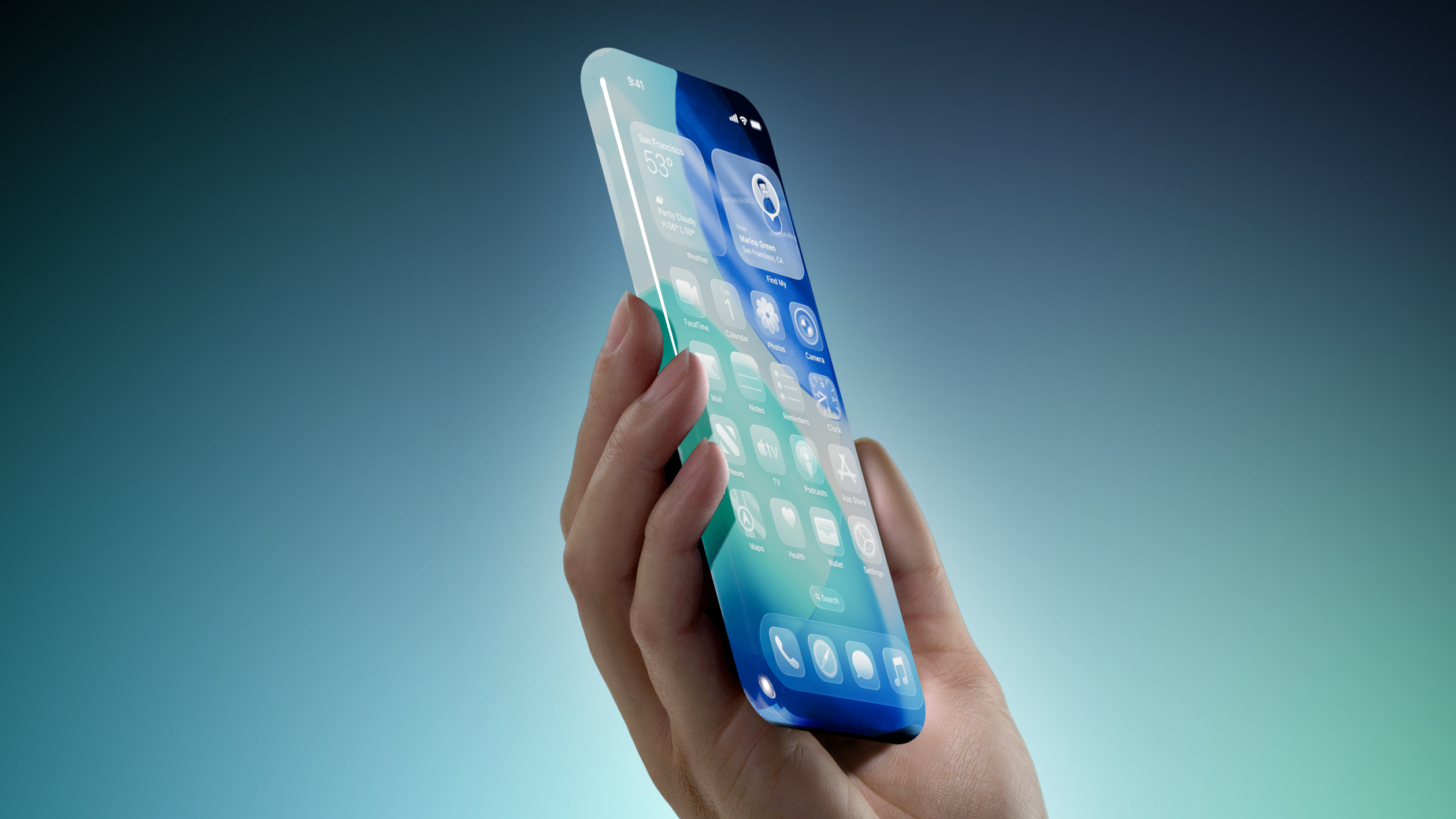
Imagine holding an iPhone where the screen stretches from edge to edge, uninterrupted by a notch or a cutout – just pure, immersive display. This vision, long a dream for smartphone enthusiasts and designers alike, is reportedly at the forefront of Apple's ambitious plans for its 20th-anniversary iPhone. Rumors from reliable sources suggest that Apple is tirelessly working on advanced under-screen camera technology, aiming to deliver a truly seamless visual experience that could redefine smartphone design as we know it.
This pursuit of an "uninterrupted display" is more than just an aesthetic choice; it represents the pinnacle of Apple's design philosophy – to create devices that fade into the background, allowing the content and user experience to take center stage. While the journey to this all-screen future is fraught with technical challenges, the latest insights from insiders reveal Apple's determined, albeit incremental, roadmap to achieving this groundbreaking milestone, potentially by 2027 for a special anniversary model.
The Vision: A Truly Uninterrupted Display
For years, the smartphone industry has been inching towards the ideal of an all-screen device. From the early days of thick bezels to the introduction of notches and now the Dynamic Island, each step has been a compromise, a necessary evil to house essential components like the front-facing camera, Face ID sensors, and speakers. Apple's ultimate goal, however, is to eliminate these compromises entirely, presenting users with a pristine canvas for their digital lives.
An uninterrupted display would offer unparalleled immersion. Videos, games, and photos would expand across the entire front of the device, free from any visual distractions. This isn't just about aesthetics; it's about enhancing the user experience in a fundamental way. Imagine watching a cinematic masterpiece or playing a graphically intense game without a black bar or an island breaking the flow. The device would truly become a window into your digital world, dissolving the physical boundaries between you and your content.
Apple has always been at the forefront of industrial design, often setting trends that the rest of the industry follows. From the sleek aluminum unibody designs of early iPhones to the precise engineering of the latest models, the company consistently pushes the boundaries of what's possible in a consumer device. An all-screen iPhone would be a testament to this legacy, showcasing Apple's ability to combine cutting-edge technology with minimalist design to create something truly magical.
The journey to this vision began with the iPhone X in 2017, which introduced the iconic notch and Face ID. While controversial at the time, it was a bold step towards maximizing screen real estate. Subsequent models refined this approach, culminating in the innovative Dynamic Island on the iPhone 15 Pro models (released in 2023, for example, assuming the context of the source article's inferred 2026 publication year). Each iteration has moved the industry closer to the dream, and the 20th-anniversary iPhone could be the device that finally fulfills it.
The Technological Hurdles: Hiding the Camera and Face ID
Achieving a truly uninterrupted display requires overcoming significant technological challenges, primarily concerning the front-facing camera and Apple's sophisticated Face ID system. These components currently occupy physical space on the display, necessitating the notch or Dynamic Island. To hide them, Apple must perfect "under-display" technologies.
Under-Display Camera (UDC) Challenges
An under-display camera works by placing the camera sensor beneath a section of the screen that can become transparent when the camera is in use. This sounds straightforward, but in practice, it's incredibly complex. The screen pixels above the camera must be able to "disappear" or become highly transparent to allow enough light to reach the sensor for a clear image. When not in use, these pixels must revert to displaying content seamlessly with the rest of the screen.
The primary challenge with UDC technology lies in maintaining image quality. For light to pass through the display, the pixel density in the camera area must be significantly reduced, making that section of the screen less vibrant and potentially noticeable when the camera isn't active. More critically, the screen itself acts as a filter, distorting and scattering light before it reaches the camera sensor. This can lead to issues like:
- Poor Image Clarity: Photos and videos taken with UDC often appear softer, less detailed, and sometimes hazy compared to traditional front-facing cameras.
- Color Accuracy Issues: The screen's presence can introduce color shifts, making skin tones look unnatural or colors appear muted.
- Lens Flare and Glare: Internal reflections within the display layers can create unwanted lens flare or glare, especially in bright lighting conditions.
- Low Light Performance: The reduced light transmission severely impacts low-light photography, leading to noisy and underexposed images.
While other manufacturers like Samsung and ZTE have already released phones with UDC technology, Apple's notoriously high standards for camera performance mean that it cannot simply adopt existing solutions. Apple demands a front camera that not only functions but excels, providing sharp, color-accurate photos and high-quality video for FaceTime and selfies. This commitment to quality is likely why they have taken a more cautious approach, refining the technology until it meets their stringent criteria.
Under-Display Face ID Complexities
Even more complex than hiding a standard camera is integrating Face ID under the display. Face ID is Apple's advanced facial recognition system, which relies on a sophisticated array of sensors known as the TrueDepth camera system. This system includes:
- Infrared Camera: Captures an infrared image of your face.
- Flood Illuminator: Bathes your face in infrared light to ensure visibility in various conditions.
- Dot Projector: Projects more than 30,000 invisible infrared dots onto your face to create a precise depth map.
For Face ID to work under the display, all these components must be able to transmit and receive infrared light through the screen without significant interference. The screen's layers can absorb or scatter infrared light, making it difficult for the sensors to accurately map the user's face or detect subtle movements for security purposes. The challenges include:
- Infrared Transmission: Ensuring that the specific wavelengths of infrared light used by Face ID can pass through the display efficiently and accurately.
- Depth Mapping Precision: The dot projector needs to cast a precise pattern, and the IR camera needs to read it perfectly to create an accurate depth map. Any distortion caused by the display could compromise the security and reliability of Face ID.
- Miniaturization and Power: Integrating these complex sensors into an even smaller space under the display, while maintaining their performance and power efficiency, is a monumental engineering feat.
The combination of these hurdles explains why Face ID has remained a prominent feature on the front of the iPhone for so long. Apple prioritizes the security and seamless functionality of Face ID, making it a critical component that cannot be compromised for the sake of an aesthetic design. Until under-display technology can reliably support all aspects of the TrueDepth system without degradation, Apple is likely to continue with visible cutouts or an incremental approach.
Apple's Incremental Journey: From Notch to Dynamic Island and Beyond
Apple's path toward an all-screen iPhone has been a gradual evolution, marked by strategic design changes that balance innovation with practical functionality. This incremental approach is characteristic of Apple, which prefers to perfect a technology before widely adopting it.
The Notch Era (iPhone X to iPhone 14)
The introduction of the notch with the iPhone X in 2017 was a revolutionary step. It allowed Apple to push the display closer to the edges than ever before, dramatically shrinking the bezels and creating a more immersive experience. The notch, while polarizing, housed all the essential components for Face ID, the front camera, speaker, and other sensors. For years, this design defined the premium iPhone aesthetic, becoming instantly recognizable.
Despite criticisms, the notch served its purpose, enabling advanced biometric security and sophisticated front-facing camera features. Apple steadily refined the notch over time, shrinking its size slightly with subsequent generations, demonstrating a clear intention to minimize its impact on the display.
The Dynamic Island (iPhone 15 Pro and onwards)
The iPhone 15 Pro models (released in 2023, based on context) marked another significant leap with the introduction of the Dynamic Island. This innovative solution replaced the static notch with a pill-shaped cutout that cleverly integrates software and hardware. The Dynamic Island isn't just a cutout; it's a dynamic area that expands and contracts to display alerts, notifications, and ongoing background activities like music playback, timers, and calls. It transforms a hardware necessity into a interactive, user-friendly feature.
While still a cutout, the Dynamic Island represents a major step towards maximizing screen real estate and making the "interruption" a functional part of the user experience. It shows Apple's ingenuity in turning a limitation into an opportunity for innovation. However, it is still a visible component, and the ultimate goal remains a display free of any cutouts.
Shrinking the Dynamic Island: The Next Step
Display analyst Ross Young and leaker Fixed Focus Digital have both hinted that Apple's under-display ambitions might take longer than initially expected. Ross Young specifically noted that the Dynamic Island, albeit in a smaller form, is likely to persist through 2027, potentially featuring on this year's (2026) iPhone 18 Pro models. Fixed Focus Digital echoed these sentiments, suggesting Apple still faces considerable challenges with under-display Face ID, leading them to prioritize gradually shrinking the cutout rather than eliminating it entirely in the immediate future.
This implies that even as Apple pushes for under-display technology, it will likely introduce solutions in phases. A smaller Dynamic Island would further reduce the visual intrusion, paving the way for more radical changes down the line. This approach allows Apple to refine its under-display components without compromising the user experience of mainstream devices.
Digital Chat Station's Insights: A Phased Roadmap to Perfection
Chinese leaker Digital Chat Station, a well-known and often accurate source for Apple rumors, provides the most recent and detailed roadmap for Apple's display innovations. Their insights suggest a nuanced, multi-stage approach rather than a single, dramatic jump to an all-screen design.
Stage 1: Smaller Dynamic Island with Partially Hidden Face ID (Potentially iPhone 18 Pro)
According to Digital Chat Station, the immediate next step involves a smaller Dynamic Island. Crucially, this smaller cutout would be accompanied by some Face ID components moving *under* the display. This means parts of the TrueDepth system, perhaps the flood illuminator or infrared camera, would be successfully integrated beneath the screen, while other elements (like the dot projector and the front camera) might still reside within a reduced cutout.
This would be a significant technical achievement, demonstrating Apple's progress in transparent display technology and miniaturization. For users, it would mean a less intrusive Dynamic Island, providing a more expansive viewing area without sacrificing the core functionality of Face ID. This stage is tentatively linked to the iPhone 18 Pro models, which would likely be released in the fall of 2026 (assuming the original article's publication context).
Stage 2: Hole-Punch Camera with Fully Under-Display Face ID (by 2027)
The subsequent stage, projected for 2027, envisions a further reduction of the cutout. Instead of a Dynamic Island, the iPhone would feature a discreet "hole-punch" camera, similar to what's seen on many Android flagships today. The critical advancement here is that by this time, Digital Chat Station claims that Face ID would be *fully* under the display. This means all components of the TrueDepth system – the infrared camera, flood illuminator, and dot projector – would be successfully integrated beneath the screen, leaving only the front-facing camera as a visible element.
This would be a major breakthrough, freeing up significant screen space and offering a nearly edge-to-edge viewing experience. The hole-punch design is a common intermediate step for manufacturers moving towards UDC, as it keeps the main camera visible (for optimal quality) while hiding less critical sensors.
Stage 3: The Uninterrupted Display for a Higher-End 20th Anniversary Model
While the previous stages describe significant progress, Digital Chat Station's timeline suggests that the truly uninterrupted display – where even the front-facing camera is hidden beneath the screen – might be reserved for a very specific, high-end model: a special 20th-anniversary iPhone. This indicates that Apple is still pursuing the ultimate all-screen dream, but the technology required for flawless UDC and UD Face ID might be too complex or costly for mass production across an entire lineup initially.
By reserving it for a premium anniversary edition, Apple could showcase its most advanced innovations in a flagship device, setting a new benchmark for smartphone design. This aligns with Apple's historical strategy of introducing groundbreaking features on special models, like the iPhone X for the 10th anniversary.
The Quad-Curved Display: Enhancing the Borderless Look
Further enhancing the immersive experience, Digital Chat Station also mentions that Apple is continuing to test an all-screen device with a "quad-curved display." This refers to a screen that curves around all four edges of the device – the left, right, top, and bottom. While many phones today feature curved left and right edges, curving all four edges would create an even more dramatic and seamless "waterfall" effect, making the display appear to flow off the sides of the device.
A quad-curved display would significantly enhance the borderless look, making the phone feel like a single piece of glass. It would amplify the immersion, making content appear to float, unbound by physical edges. This design, however, comes with its own set of challenges, including potential for accidental touches, increased fragility, and complexities in manufacturing and repair. Nevertheless, it underscores Apple's commitment to pushing the boundaries of industrial design in its pursuit of the ultimate iPhone.
The "20th Anniversary iPhone": A Special Edition Benchmark
The concept of a "20th-anniversary iPhone" harkens back to the groundbreaking release of the iPhone X in 2017, which celebrated the iPhone's 10th anniversary. That device introduced Face ID, an OLED display, and a dramatic edge-to-edge design that redefined smartphone aesthetics for years to come. A 20th-anniversary model, arriving in 2027 (20 years after the original iPhone's debut in 2007), would carry similar expectations for radical innovation.
It makes strategic sense for Apple to reserve its most advanced and perhaps most challenging technologies, like a fully uninterrupted display, for such a landmark device. This approach allows Apple to:
- Showcase Peak Innovation: Position the anniversary model as a technological tour de force, demonstrating Apple's leadership in the industry.
- Justify Premium Pricing: The immense research, development, and manufacturing costs associated with a truly all-screen design could be absorbed by a higher-priced, ultra-premium device.
- Generate Excitement and Demand: A special anniversary edition with a revolutionary design would create significant buzz and drive demand, much like the iPhone X did.
- Test the Waters: Introducing a new, complex technology on a high-end, potentially lower-volume model allows Apple to gather real-world data and refine the technology before rolling it out to a broader audience in subsequent years.
Beyond the display, a 20th-anniversary iPhone could also integrate other cutting-edge features. This might include next-generation processor advancements, improvements in battery technology, new materials for durability and lightness, or even experimental features related to augmented reality or health monitoring. The display, however, would undoubtedly be the headline feature, making the device instantly iconic.
The Broader Industry Context: Why Apple Takes Its Time
While Apple is reportedly still perfecting its under-display camera and Face ID technology, it's worth noting that several other smartphone manufacturers have already brought UDC-equipped devices to market. Companies like Samsung (with its Fold series) and ZTE (with its Axon series) have shipped phones that feature under-display cameras. However, these implementations often come with compromises.
Early UDC phones from other brands typically suffer from noticeable image quality degradation for the front camera. Selfies can appear blurry, hazy, or lack detail, and the area of the screen above the camera can sometimes be identified by a slight difference in pixel density or color. These trade-offs, while acceptable to some users who prioritize an uninterrupted display, fall short of Apple's stringent quality benchmarks.
Apple's reputation is built on delivering a polished, high-quality user experience. Introducing a feature that compromises key functionalities like camera quality or Face ID reliability would be out of character for the company. This explains why Apple is taking a slower, more deliberate approach, patiently refining the underlying technologies until they can meet its exacting standards. The goal is not just to integrate UDC, but to integrate it seamlessly and without compromise, ensuring the iPhone continues to offer best-in-class performance across all its features.
This patient strategy has served Apple well in the past. They often aren't the first to adopt a new technology, but when they do, they tend to do it in a way that elevates the user experience and often sets new industry standards. Think of features like wireless charging, 5G, or even OLED displays – Apple waited until the technology matured and could be integrated flawlessly into its ecosystem.
The Hurdles Ahead and the Waiting Game
Despite the promising roadmap from Digital Chat Station, the journey to a truly all-screen iPhone is still paved with significant technical challenges. The core issue remains: can current under-display technologies meet Apple's incredibly high standards for image quality, security, and overall user experience?
- Quality Assurance: Apple demands pixel-perfect displays and best-in-class camera performance. Achieving this while light passes through a screen layer is an immense engineering hurdle.
- Mass Production: Even if a prototype works flawlessly, scaling that technology to millions of devices with consistent quality is another major challenge.
- Component Integration: Seamlessly integrating multiple under-display components (camera, IR emitter, IR receiver, dot projector) without interference or performance degradation requires meticulous design and manufacturing.
- Cost Implications: Advanced under-display technologies are expensive to research and implement, which could significantly impact the final price of the device.
The fluctuating timelines from various leakers – from Gurman's initial 2027 prediction for an all-glass device, to Ross Young's and Fixed Focus Digital's more cautious outlook suggesting the Dynamic Island will persist – highlight the inherent uncertainty in developing such cutting-edge technology. Apple is known for delaying features if they don't meet internal expectations, even if it means missing rumored deadlines.
Ultimately, whether Apple can truly realize a full all-glass design that eliminates the remaining front-facing cutout entirely by the 20th anniversary remains to be seen. The company is undoubtedly investing heavily in this future, but the complex interplay of physics, optics, and material science means that success is not guaranteed, and perfection takes time.
What This Means for Consumers: Anticipation and the Future of Smartphones
For consumers, the prospect of a 20th-anniversary iPhone with an uninterrupted display is incredibly exciting. It promises a device that pushes the boundaries of design and interaction, offering a glimpse into the future of mobile technology. The anticipation surrounding such a device reflects a collective desire for innovation and a more seamless digital experience.
However, it also raises questions about potential trade-offs. Will an under-display camera, even from Apple, truly match the quality of a traditional front-facing camera? Will the Face ID system be just as fast and reliable? Apple's challenge will be to deliver this groundbreaking design without compromising the core functionalities that users have come to expect and rely upon.
Regardless of the exact timeline, Apple's relentless pursuit of an all-screen iPhone signals a clear direction for the industry. The future of smartphones is undoubtedly moving towards devices that are pure screens, where technology becomes invisible, and the focus shifts entirely to content and interaction. This journey, from the first iPhone's modest screen to the potential uninterrupted canvas of the 20th-anniversary model, is a testament to continuous innovation and the enduring dream of technology becoming truly magical.
Conclusion: The Enduring Quest for Perfection
Apple's ongoing efforts to perfect under-screen camera and Face ID technology for a 20th-anniversary iPhone with an uninterrupted display underscore its unwavering commitment to innovation and design excellence. While the path is challenging and the timeline fluid, the vision of a truly seamless, all-screen device continues to drive the company's research and development.
From the incremental steps of shrinking the Dynamic Island and integrating some Face ID components under the display, to the ultimate goal of a quad-curved, completely borderless screen, Apple is meticulously paving the way for the next generation of iPhone design. The 20th-anniversary model, potentially arriving in 2027, stands as a symbol of this ambition – a device that could once again redefine what a smartphone can be.
The industry watches keenly as Apple navigates the complex technical hurdles, balancing groundbreaking aesthetics with uncompromising performance. Whether it's the iPhone 18 Pro with a smaller Dynamic Island or the ultimate anniversary edition with an invisible camera, Apple's journey towards the uninterrupted display promises an exciting future for iPhone users, pushing the boundaries of technology to deliver an experience that truly connects us with our digital world.
This article, "Apple Still Aiming for 20th Anniversary iPhone With All-Screen Display" first appeared on MacRumors.com
Discuss this article in our forums
from MacRumors
-via DynaSage

Post a Comment