Apple Now Makes One in Four iPhones in India
The Great Shift: Apple Now Makes One in Four iPhones in India – A Strategic Rebalancing
In a significant strategic move that reshapes global electronics manufacturing, Apple has dramatically boosted its iPhone production in India. Recent reports from Bloomberg indicate that the tech giant now assembles roughly a quarter of its flagship devices in the South Asian nation. This remarkable acceleration, seeing production increase by approximately 53 percent last year alone, is a clear sign of Apple's determined effort to navigate complex global trade dynamics and diversify its crucial supply chains, particularly to reduce its heavy reliance on China.
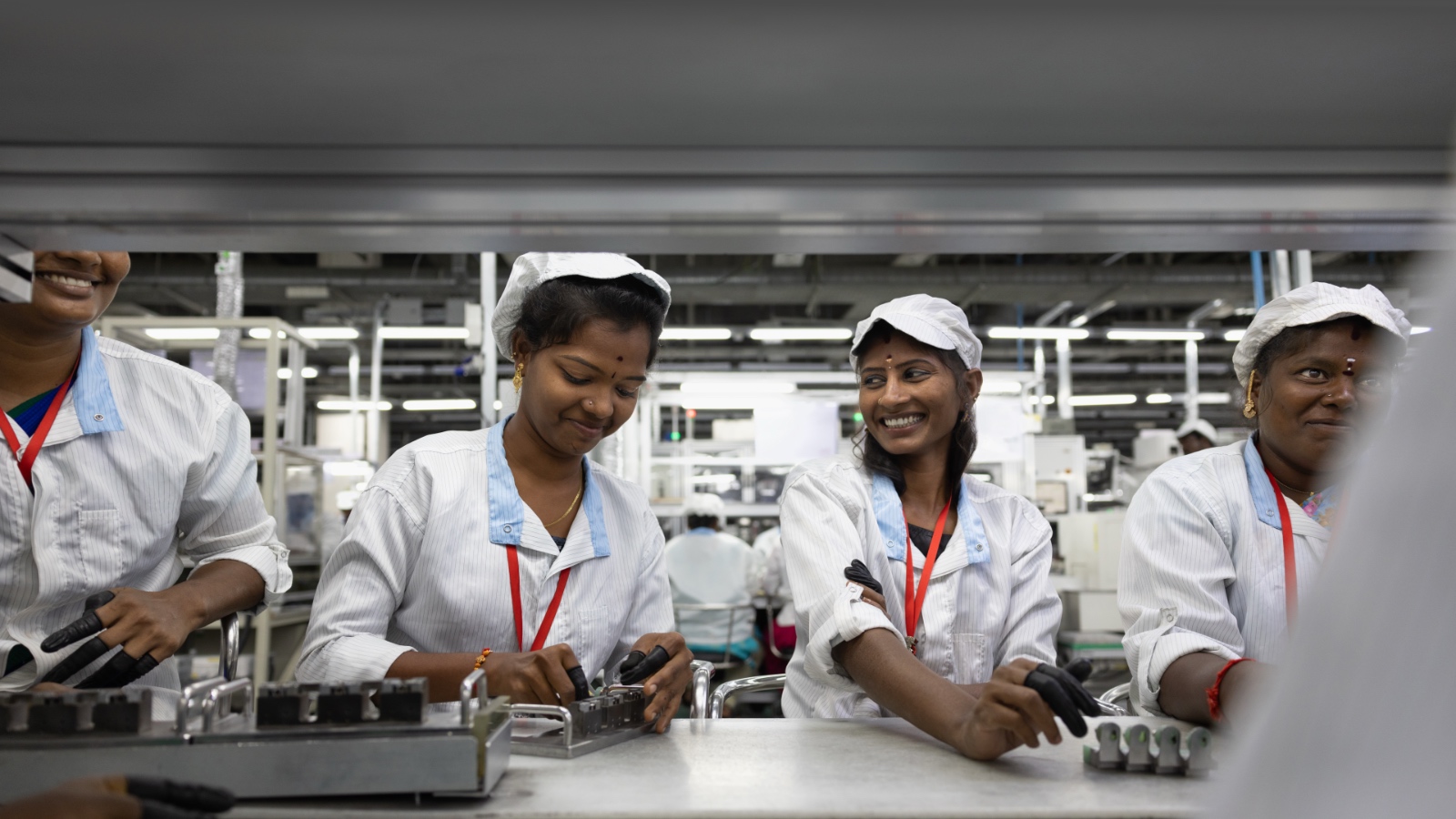
The numbers behind this shift are compelling. According to sources cited by Bloomberg, Apple assembled an impressive 55 million iPhones in India throughout 2025. This figure represents a substantial leap from the 36 million units produced in the country just a year prior. This isn't merely an incremental adjustment; it's a profound strategic recalibration by one of the world's most influential companies, aimed at mitigating the risks stemming from ongoing U.S.-China trade tensions and ensuring a more resilient and geographically dispersed production network.
Why the Pivot? De-risking and Diversification in a Volatile World
For decades, China served as the undisputed manufacturing powerhouse for Apple, earning the moniker "the world's factory." Its vast, integrated supply chain, skilled labor force, and robust infrastructure made it an ideal location for assembling hundreds of millions of iPhones, iPads, and MacBooks each year. However, the global landscape has shifted dramatically, introducing new pressures and vulnerabilities that have pushed companies like Apple to rethink their manufacturing blueprints.
The primary catalyst for Apple's aggressive move into India is the escalating trade friction between the United States and China. Tariffs imposed by both nations, alongside increasing geopolitical tensions, have made a single-country manufacturing strategy inherently risky. Relying almost entirely on one nation for core production exposes a company to potential disruptions from trade wars, political disputes, or even unforeseen events like natural disasters or pandemics, as highlighted during the early days of COVID-19 when factory shutdowns in China severely impacted global supply.
Apple manufactures between 220 million and 230 million iPhones globally each year. For a company operating at this scale, even minor disruptions can have massive financial and reputational consequences. Diversifying production to India provides Apple with a critical "de-risking" strategy, spreading its manufacturing eggs across more baskets. This approach enhances supply chain resilience, ensuring that potential issues in one region do not cripple global production or product availability.
Moreover, the move reflects a broader industry trend. A Canalys report last year already claimed that India had overtaken China as the leading manufacturer of smartphones shipped to the United States. This demonstrates India's rapidly growing capacity and attractiveness as an alternative manufacturing hub, not just for Apple but for the entire smartphone industry.
India's Lure: The "Make in India" Initiative and Production-Linked Incentives (PLI)
Apple's increased investment in India is not a unilateral decision; it’s a strategic alignment with India's ambitious industrial policy. The California-based tech giant has leaned heavily on Prime Minister Narendra Modi's "Make in India" initiative, which aims to transform the country into a global manufacturing hub. A cornerstone of this initiative is the Production-Linked Incentives (PLI) scheme, designed to attract foreign investment and boost domestic manufacturing across various sectors, including electronics.
The PLI scheme offers financial incentives to companies based on their incremental sales from products manufactured in India. Essentially, the more a company produces and sells from India, the more government support it receives. These subsidies have played a crucial role in making India a more appealing manufacturing destination by helping to offset some of the inherent structural cost disadvantages that manufacturers traditionally face in the country. These disadvantages often include a less developed local supply chain compared to China, and complex logistics challenges.
For Apple and its manufacturing partners, the PLI scheme translates into tangible financial benefits that narrow the cost gap between manufacturing in India versus established hubs like China and Vietnam. By providing these incentives, the Indian government has effectively created a more competitive environment, encouraging global giants to bring their high-tech production lines to Indian soil. This strategy is not just about attracting assembly plants; it’s about fostering a deeper industrial ecosystem, encouraging local component manufacturing, and creating a skilled workforce.
The success of the PLI scheme is evident in the numbers. Not only has Apple significantly increased its iPhone output, but India as a whole has seen a surge in electronics manufacturing. This has led to job creation, technology transfer, and the development of local expertise, all contributing to Prime Minister Modi's vision of a self-reliant and industrially robust India.
Building the Ecosystem: Manufacturing Partners and Production Scope
Apple doesn't directly own the large factories that produce its devices. Instead, it relies on a network of global manufacturing partners. In India, key players leading the charge for iPhone assembly include Foxconn, Tata Electronics, and Pegatron. These companies, giants in their own right, have invested heavily in establishing and expanding their facilities across various Indian states, bringing state-of-the-art technology and production processes to the country.
The scope of iPhone production in India has also broadened considerably. Initially, manufacturing in India often focused on older iPhone models or lower-end variants for the domestic market. However, Apple's strategy has matured, and its Indian facilities are now assembling a wider and more sophisticated range of devices. This includes all models in the very latest iPhone 17 lineup, specifically targeting the high-end market with variants like the iPhone 17 Pro and iPhone 17 Pro Max. This marks a significant milestone, demonstrating the increasing capability and reliability of India’s manufacturing ecosystem.
Beyond the latest flagship models, manufacturing partners in India continue to produce older, yet still popular, devices such as the iPhone 15 and iPhone 16. These products cater to both the burgeoning domestic Indian market, where smartphone adoption is still growing rapidly, and increasingly for export markets globally. This dual focus allows Indian factories to serve local demand while also contributing to Apple's global supply, further solidifying India's role in the company's worldwide production strategy.
The establishment and expansion of these factories by Apple's partners have far-reaching economic benefits for India. They create hundreds of thousands of direct and indirect jobs, from factory floor workers and engineers to logistics and supply chain personnel. They also stimulate the growth of ancillary industries and local suppliers, slowly but surely building out a more comprehensive electronics manufacturing ecosystem within India, reducing the reliance on imported components over time.
The Road Ahead: Persistent Challenges and Calls for More Support
Despite the impressive progress, the journey towards making India a fully competitive global manufacturing hub for high-tech electronics is not without its hurdles. While the PLI scheme has helped narrow the cost differences, assembling electronics and manufacturing components in India still generally remains more expensive than in highly optimized ecosystems like China and Vietnam, according to Bloomberg's analysis.
Several factors contribute to this cost gap. One significant challenge is the relative lack of a deeply integrated and robust local supply chain for electronic components. China, for instance, has spent decades building an intricate network of suppliers for everything from tiny resistors and capacitors to displays and camera modules, all located in close proximity to assembly plants. This dense ecosystem allows for rapid prototyping, quick sourcing, and minimal logistics costs. India is still in the process of developing this depth of local component manufacturing.
Logistics also present a challenge. While India has made strides in infrastructure development, transporting goods across the country and to ports for export can sometimes be more time-consuming and costly compared to more established manufacturing nations. Bureaucratic processes, while improving, can also add layers of complexity and cost.
Consequently, companies like Apple and Samsung, deeply invested in India, are continuing to push for additional government support. They argue that sustained incentives are necessary to further offset these structural disadvantages and help India truly compete on a global scale. These companies are currently engaged in active discussions with the Indian government about a potential new round of incentives specifically aimed at boosting export growth, which is critical for India to become a major player in the global electronics trade.
The timing for these negotiations is crucial. India's existing production-linked subsidies for smartphones are set to expire on March 31. This deadline places significant pressure on officials in New Delhi to act swiftly to design and implement new, attractive incentive schemes. Moreover, the report notes that the U.S. Supreme Court recently striking down some tariffs affecting China adds another layer of complexity. If this development leads to an easing of trade restrictions or cost advantages for manufacturing in China, India's government will face even greater pressure to ensure its policies keep the country cost-competitive and appealing to global manufacturers like Apple.
Broader Implications for Apple and the Global Supply Chain
Apple's strategic pivot to India has profound implications, not just for the company itself but for the broader global manufacturing landscape. For Apple, the benefits extend beyond mere tariff avoidance and risk mitigation. A diversified manufacturing base offers greater flexibility in responding to market demands, managing geopolitical shifts, and building a more resilient business model.
Having production facilities in India also allows Apple to tap into India's rapidly expanding domestic market more effectively. While much of the initial focus is on exports, a significant portion of the iPhones made in India are also sold within the country. As India's middle class grows and smartphone penetration increases, having local production can lead to faster time-to-market, potentially lower distribution costs, and a stronger connection with local consumers. It reinforces Apple's commitment to a market that is projected to become one of its largest.
From a global supply chain perspective, this shift signals a move away from the "China-centric" model that dominated electronics manufacturing for decades. Companies are increasingly adopting a "China+1" or even "multi-region" strategy, spreading their production across multiple countries to hedge against risks. India, with its vast labor pool, growing economy, and supportive government policies, is emerging as a primary beneficiary of this trend, positioning itself as a credible alternative to China for high-volume manufacturing.
The investment by Apple and its partners also brings advanced manufacturing techniques, quality control standards, and technological expertise to India. This transfer of knowledge and best practices will undoubtedly elevate the capabilities of India's industrial sector, fostering innovation and enhancing the country's overall manufacturing prowess. It's a stepping stone towards India developing its own robust ecosystem for high-tech production, potentially moving beyond just assembly to more complex component manufacturing and design in the future.
Conclusion: A Mutually Beneficial Partnership with Future Potential
The remarkable increase in iPhone production in India, reaching a quarter of Apple's global output, represents a pivotal moment for both the tech giant and the South Asian nation. For Apple, it's a strategic imperative – a calculated move to de-risk its supply chain, navigate complex international trade relations, and build resilience in an increasingly uncertain world. For India, it signifies a major triumph for its "Make in India" initiative and Production-Linked Incentives, showcasing the country's growing appeal as a global manufacturing destination.
The transition has been rapid, moving from a negligible share just a few years ago to assembling all the latest iPhone 17 models, including the high-end Pro variants. This success is a testament to the collaborative efforts of the Indian government and Apple's manufacturing partners like Foxconn, Tata Electronics, and Pegatron, who have invested significantly in building capacity and capability.
While substantial progress has been made, challenges remain. The cost effectiveness of manufacturing in India compared to established hubs like China and Vietnam, along with the need for a more comprehensive local component supply chain, are ongoing hurdles. The current negotiations for renewed and enhanced government incentives highlight the critical role that continued policy support will play in cementing India's position as a long-term manufacturing partner for Apple and other global brands.
Ultimately, Apple's expanding presence in India is more than just about assembling phones; it's about forging a mutually beneficial partnership that promises to create jobs, foster technological advancement, and integrate India more deeply into the global high-tech economy. As India continues to refine its industrial policies and infrastructure, it stands poised to become an even more indispensable part of Apple's future, shaping not only the smartphone industry but also the landscape of global manufacturing for decades to come.
This article, "Apple Now Makes One in Four iPhones in India" first appeared on MacRumors.com
Discuss this article in our forums
from MacRumors
-via DynaSage

Post a Comment