Apple 'HomePad' to Offer Magnetic Snap-to-Wall Feature and More
Unveiling Apple's "HomePad": A Smart Home Revolution on the Horizon
Get ready for a potentially game-changing device from Apple, internally known as the "HomePad." This innovative smart home hub is rumored to bring a host of exciting features, including a magnetic snap-to-wall capability, deep doorbell integration, and powerful functionalities driven by Apple Intelligence. These insights come from the well-known leaker and prototype collector, "Kosutami," who has shared intriguing details about this upcoming product.
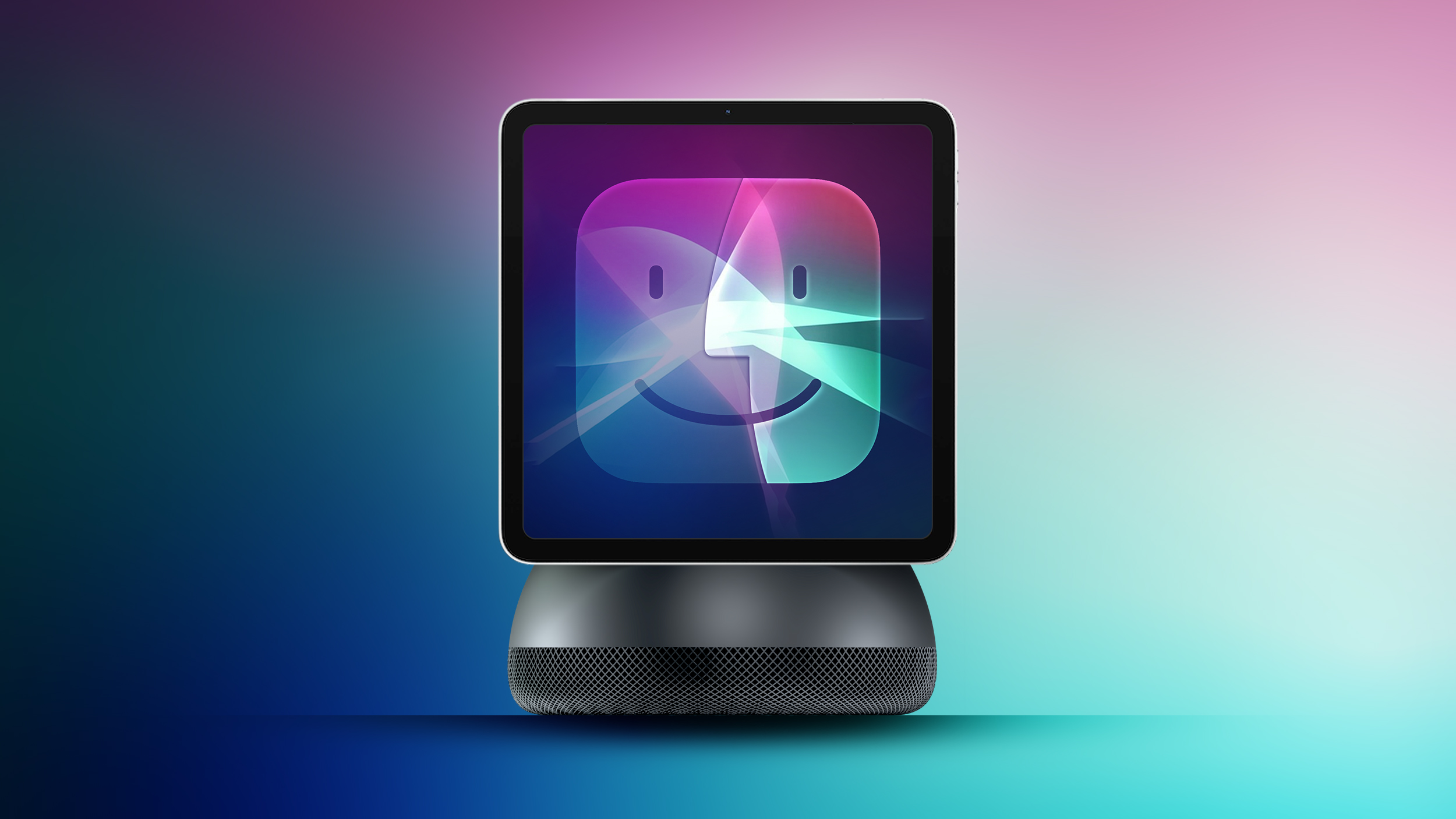
The Vision Behind the "HomePad": A Centralized Smart Home Experience
For several years, Apple has reportedly been working on a device designed to serve as the ultimate central command center for your smart home. The "HomePad" aims to be a singular, intuitive interface for managing all your connected devices, enjoying multimedia, making video calls, and quickly accessing essential information. Imagine a device that not only controls your lights and thermostat but also plays your favorite podcasts, lets you chat with family, and provides a quick weather update – all from one sleek hub.
The device is expected to feature a 7-inch square display, offering ample screen real estate for interactive controls and glanceable information. A front-facing camera will also be included, opening up possibilities for video communication and potentially even advanced presence detection within the home. This blend of features positions the HomePad as more than just a smart speaker or a simple display; it's being crafted as the cornerstone of Apple's evolving vision for the connected home.
While the name "HomePad" is currently used internally, as confirmed by Kosutami to MacRumors, it's not yet certain if this will be its official moniker upon release. Apple is known for its meticulous product naming, and a final decision may still be pending as the device approaches launch.
Revolutionary Magnetic Design: The Snap-to-Wall Feature
One of the most captivating rumored features of the HomePad is its MagSafe-like snap-to-wall capability. In a recent post on X, Kosutami revealed that one of the HomePad prototypes they personally observed boasts this magnetic attachment system. This feature represents a significant departure from traditional smart displays, which typically rest on tabletops or require complex mounting solutions.
Flexible Placement and Aesthetic Integration
The magnetic snap-to-wall design offers unparalleled flexibility in where and how the HomePad can be integrated into your living space. Instead of being confined to a desk or kitchen counter, users could easily attach it to a wall in the hallway, by the front door, or even in the bathroom. This not only declutters surfaces but also makes the device more accessible and prominent where it's most needed. Imagine walking into your home and having your personalized command center seamlessly integrated into your wall, ready to greet you with essential information or quick controls.
Ease of Installation and Potential Portability
A MagSafe-like system implies incredible ease of installation. Users wouldn't need to drill holes or run cables through walls; a simple magnetic mount could adhere to most surfaces, allowing the HomePad to snap into place effortlessly. This also hints at potential portability within the home. A user might detach the HomePad from a wall in the living room and move it to the kitchen to follow a recipe, then back to the bedroom as a smart alarm clock, assuming the magnetic mounts are strategically placed throughout the house. This versatility would set the HomePad apart from its competitors, offering a truly dynamic smart home experience.
Design Implications and Future Possibilities
This magnetic feature also speaks to Apple's design philosophy – prioritizing elegance, simplicity, and user experience. Such a design could lead to a range of official and third-party accessories, including various wall mounts, charging docks, or even protective cases that integrate with the magnetic system. It could also influence the HomePad's power delivery, perhaps allowing it to be wirelessly charged when snapped to a powered mount, ensuring it's always ready for use without visible cables.
Seamless Security and Convenience: Doorbell Integration
Another crucial feature reportedly being developed for the HomePad is direct doorbell integration. This means that when someone rings your smart doorbell, the HomePad could immediately display a live video feed, allowing you to see and speak to visitors without needing to pull out your phone or switch to a different app. Kosutami's observations specifically mention this capability in the prototypes.
Enhanced Home Security
Integrating the doorbell directly into a central hub significantly enhances home security. You can instantly monitor who is at your door, whether you're expecting a package or simply want to screen visitors. This real-time visual and audio communication can deter potential intruders and provide peace of mind, especially when combined with other HomeKit-enabled security devices like smart locks and cameras. For families, it offers an easy way to see who is calling without necessarily opening the door.
Unparalleled Convenience
Beyond security, doorbell integration brings a new level of convenience. No more fumbling for your phone to check who's there; the HomePad acts as an always-on portal to your front door. This is particularly useful when you're busy in another part of the house, perhaps cooking or working, and a quick glance at the HomePad gives you all the information you need. It solidifies the HomePad's role as the primary interface for managing your home's entry points, making it an indispensable part of a modern smart home ecosystem.
The Smart Home Ecosystem Advantage
This feature ties directly into Apple's broader HomeKit framework, promising seamless interoperability with compatible smart doorbells. Users who already have or plan to purchase a HomeKit doorbell would find the HomePad a natural extension of their existing setup, reinforcing the strength of Apple's connected ecosystem. It demonstrates Apple's commitment to creating a cohesive and user-friendly smart home experience, where all devices work together harmoniously through a central control point.
The Brains Behind the Operation: Powered by Apple Intelligence
Perhaps the most significant and forward-looking aspect of the HomePad is its reported heavy reliance on Apple Intelligence. This groundbreaking AI technology, recently announced by Apple, is set to revolutionize how users interact with their devices, and the HomePad appears to be a prime candidate for showcasing its capabilities.
What is Apple Intelligence?
Apple Intelligence is Apple's personal intelligence system, designed to integrate deeply into iOS, iPadOS, and macOS. It leverages generative AI models with personal context to provide incredibly helpful and relevant features. This includes enhanced writing tools, image generation, smarter Siri interactions, and proactive suggestions that understand your personal data while prioritizing privacy and security. By processing requests on-device and using private cloud compute for more complex tasks, Apple Intelligence aims to deliver powerful AI without compromising user data.
How Apple Intelligence Enhances the HomePad Experience
On the HomePad, Apple Intelligence could transform the device from a mere control panel into an intelligent, proactive assistant for your entire home. Imagine a HomePad that:
- Offers Proactive Suggestions: Based on your habits, time of day, and calendar, it could suggest "Good morning" routines, automatically adjust lighting, or remind you about upcoming appointments displayed glanceably on its screen.
- Smarter Siri: Siri on the HomePad would become significantly more capable, understanding complex requests, remembering context, and performing multi-step actions within your smart home ecosystem. "Siri, dim the lights, start my evening playlist, and lock the front door" could become a seamless, personalized command.
- Personalized Experiences: The HomePad could recognize individual family members (perhaps via the front-facing camera or voice recognition) and tailor its display, music suggestions, or even news feeds to their preferences.
- Contextual Awareness: Leveraging its sensors and connection to other smart home devices, the HomePad could understand the current state of your home. For example, it might suggest turning off lights in an empty room or alert you if a window is left open when you're away.
- Enhanced Privacy and Security: True to Apple's ethos, Apple Intelligence processes much of its data on-device, ensuring that your personal smart home interactions remain private. For tasks requiring cloud processing, Apple's Private Cloud Compute offers an unparalleled level of data protection.
The integration of Apple Intelligence promises to make the HomePad not just a device you control, but an intelligent partner that anticipates your needs and simplifies your daily life, creating a truly smart and responsive home environment.
More Than Just a Display: Core Functions of the HomePad
While the magnetic mounting and AI capabilities are exciting, the core functionality of the HomePad centers around its role as a versatile home hub. Apple intends for it to be a centralized location for a multitude of essential tasks:
1. Smart Home Control
At its heart, the HomePad will serve as the ultimate control panel for all your HomeKit-compatible devices. From adjusting smart thermostats and lighting to managing smart locks, blinds, and cameras, everything will be accessible from its intuitive touch display. This unified control experience eliminates the need to jump between multiple apps, streamlining the management of your entire smart home ecosystem.
2. Entertainment Hub
The 7-inch display and integrated speakers (likely of high quality, akin to Apple's HomePod line) will make the HomePad an excellent entertainment device. Users can enjoy listening to music from Apple Music or other streaming services, tune into podcasts, or even watch videos. Its placement flexibility means entertainment can be brought to any room, transforming spaces into personalized media zones.
3. Communication Center
With its front-facing camera, the HomePad is perfectly positioned to become a central communication hub. It will likely support FaceTime video calls, allowing family members to easily connect with friends and relatives directly from the device. Furthermore, it could act as an intercom system for multi-room audio communication within a larger home, making it easy to call everyone to dinner or check on someone in another room.
4. Glanceable Information
The HomePad's display will be designed to provide essential information at a glance, much like a dashboard for your daily life. This includes real-time weather updates, calendar events, news headlines, and traffic conditions. With Apple Intelligence, this information could be highly personalized and context-aware, showing you exactly what you need to know, when you need to know it, without any interaction required.
Potential for Ecosystem Expansion
Beyond these core functions, the HomePad could serve as a platform for new Apple services or even third-party apps designed specifically for a smart home interface. Imagine dedicated apps for meal planning, exercise routines, or even remote work tools, all optimized for the HomePad's unique form factor and capabilities. It opens up a vast array of possibilities for enhancing daily life within the home.
The Source of the Rumors: Understanding Kosutami's Insights
The valuable details about the "HomePad" largely stem from the leaker known as Kosutami. In the world of Apple rumors, certain individuals and groups gain a reputation for their accuracy and access to internal information. Kosutami is one such figure, known for collecting prototypes and leaking details about unreleased Apple products.
Credibility and Prototype Access
Kosutami's credibility is bolstered by their claim of having seen a HomePad prototype in person. Gaining access to early prototypes is a rare feat, suggesting a deep network within the supply chain or internal Apple circles. While all rumors should be taken with a grain of salt until official announcements, insights from sources like Kosutami often provide the earliest reliable indications of Apple's future product roadmap.
The Nature of Apple Development
It's important to remember that Apple's product development cycle is extensive and involves numerous prototypes. Features observed in early prototypes may evolve, be refined, or even be discarded before a final product launch. However, key conceptual elements like magnetic attachment and core functionalities tend to persist, giving us a strong indication of the company's direction. Kosutami's reports offer a rare glimpse into this secretive process.
The Journey to Launch: Delays and Anticipated Release
The path to the HomePad's release has been marked by several delays, pushing its anticipated launch date further into the future. Originally rumored for an early 2025 debut, the device's apparent release shifted to early 2026, and is now reportedly set for the fall of 2026.
Reasons for the Delays: The Role of Apple Intelligence
According to the leaker, these delays are primarily attributed to issues with Apple Intelligence development. Integrating a complex, cutting-edge AI system like Apple Intelligence into a new hardware product is a monumental task. Ensuring its stability, performance, and seamless functionality, especially across an entire smart home ecosystem, requires extensive testing and refinement. Apple is renowned for its commitment to delivering polished user experiences, and any fundamental issues with a core technology like AI would undoubtedly necessitate a re-evaluation of the product's timeline.
Impact of Delays on Market Anticipation
While delays can be frustrating for eager consumers, they often signify Apple's dedication to quality. A delayed product, especially one as foundational as a smart home hub, suggests that Apple is taking the necessary time to get it right. In a competitive smart home market, a flawed launch could be detrimental, so ensuring Apple Intelligence is robust and ready for prime time is paramount.
Apple's Meticulous Development Process
Apple's product development is known for its secrecy and perfectionism. Prototypes are tested rigorously, and features are iterated upon until they meet the company's high standards. The shifting release date underscores this process, highlighting the complexities involved in bringing a sophisticated new device, especially one so reliant on advanced software, to market. Fall, typically running from September to December, usually coincides with Apple's busiest release period of the year, suggesting a major launch.
A Strategic Launch: Alongside Flagship Products
The rumored fall 2026 release timing places the HomePad in a very interesting position, potentially arriving alongside some of Apple's most significant annual product refreshes. This could include the iPhone 18 Pro in September or redesigned MacBook Pro models in October. This strategic timing is not accidental.
Implications for Apple's Ecosystem Strategy
Launching the HomePad alongside flagship devices like the iPhone 18 Pro and new MacBook Pro models would amplify its visibility and integrate it seamlessly into Apple's broader ecosystem narrative. It would allow Apple to showcase how the HomePad complements these devices, extending the Apple experience into the home in a powerful new way. Imagine setting up your new iPhone 18 Pro, and then effortlessly pairing it with a HomePad that immediately recognizes your preferences and data, thanks to Apple Intelligence.
Cross-Device Functionality and Synergy
This co-launch strategy emphasizes the synergy across Apple's product lines. The HomePad wouldn't be a standalone device but a crucial component of a connected Apple lifestyle. Features like Handoff for music or video, seamless messaging, and shared iCloud information would make the HomePad feel like a natural extension of your iPhone, iPad, and Mac. It reinforces Apple's long-standing strategy of building an interconnected ecosystem where each device enhances the value of the others, making it harder for users to leave the Apple fold.
Apple's Vision for the Smart Home: Competing in a Crowded Market
The introduction of the HomePad signals a significant move by Apple to solidify its position in the increasingly competitive smart home market. Currently, the market is dominated by players like Google with its Nest Hub and Amazon with its Echo Show devices. Apple's approach, however, often emphasizes different strengths.
Current Smart Home Landscape
Google and Amazon have established strong footholds with their smart displays, offering a wide range of features from media consumption to smart home control. Their devices are often seen as more accessible in terms of price and feature breadth, especially for users outside the Apple ecosystem.
Apple's Unique Selling Propositions
Apple's entry with the HomePad is likely to leverage its core differentiators:
- Privacy: Apple's unwavering commitment to user privacy, particularly with Apple Intelligence processing on-device, will be a major draw for consumers concerned about data collection by other smart home platforms.
- Ecosystem Integration: For millions of iPhone, iPad, and Mac users, the HomePad will offer unparalleled integration and a seamless user experience that competitors struggle to match.
- Design and Build Quality: Apple's reputation for premium design and robust build quality will likely extend to the HomePad, making it an attractive addition to modern homes.
- Ease of Use: The intuitive interface and powerful Apple Intelligence are expected to make the HomePad exceptionally easy to use, even for those new to smart home technology.
The Matter Standard and Interoperability
With the advent of the Matter smart home standard, Apple's HomeKit ecosystem is becoming more interoperable with devices from other manufacturers. The HomePad, as a central Matter controller, would further bridge the gap between Apple's curated ecosystem and a wider range of smart home products, potentially attracting a broader user base while maintaining Apple's stringent security and privacy standards.
How HomePad Fits into Apple's Broader Strategy
The HomePad isn't just a new device; it's a critical piece of Apple's expanding home strategy, which also includes HomePod speakers, Apple TV, and the Home app. It fills a crucial gap for a dedicated, interactive smart display that acts as a visual and auditory hub. This strategic move aims to make Apple's ecosystem even stickier, providing compelling reasons for users to invest further in Apple's suite of services and hardware.
The Anticipated Impact: What the HomePad Means for Users
If the "HomePad" lives up to its rumored potential, it could significantly alter how users interact with their homes and smart technology. Its magnetic design, comprehensive features, and AI-driven intelligence promise a truly transformative experience.
Enhanced Daily Convenience
The HomePad aims to simplify daily routines. Waking up to a personalized dashboard, effortlessly managing your environment, and having instant access to communication and entertainment would make daily life smoother and more efficient. The ability to snap it to a wall in any room means convenience is always within reach.
Simplified Smart Home Management
For many, managing a smart home can be complex, involving multiple apps and interfaces. The HomePad promises a unified, intuitive control center, reducing friction and making smart home technology accessible to a wider audience. This simplification is key to mass adoption and user satisfaction.
Future Possibilities and Ecosystem Expansion
Beyond its initial features, the HomePad represents a platform for future innovation. As Apple Intelligence evolves and new HomeKit devices emerge, the HomePad will likely grow in capabilities, becoming even more indispensable to the smart home. It could serve as a gateway for advanced home automation, energy management, health monitoring integrations, and much more, truly bringing the "smart" into smart living.
Conclusion: Waiting for the Next Chapter in Smart Living
The rumored "HomePad" from Apple, with its magnetic snap-to-wall feature, deep doorbell integration, and powerful Apple Intelligence, is shaping up to be one of the most anticipated smart home devices in recent memory. While delays have pushed its launch to fall 2026, the prospect of a premium, AI-driven central hub that seamlessly integrates into the Apple ecosystem is incredibly exciting.
As we await official announcements, the details shared by Kosutami paint a compelling picture of a device designed to redefine convenience, security, and intelligence within our homes. The HomePad isn't just another gadget; it's Apple's bold statement on the future of connected living, promising a more intuitive, personalized, and efficient smart home experience for everyone within its orbit. Keep an eye out for more details as fall 2026 approaches – it might just be the season your home truly becomes intelligent.
This article, "Apple 'HomePad' to Offer Magnetic Snap-to-Wall Feature and More" first appeared on MacRumors.com
Discuss this article in our forums
from MacRumors
-via DynaSage

Post a Comment