Apple Helping to Expand Music Education to More Students and Schools
Apple and Save The Music: Amplifying Access to Music Education for Thousands
In a powerful testament to its commitment to education and the arts, Apple is significantly expanding its collaboration with the Save The Music Foundation. This vital non-profit organization is a beacon of hope for countless students across the U.S., dedicated to fostering comprehensive music education in public schools. Save The Music goes beyond simply donating musical instruments; it provides essential technology, teacher training, and ongoing support to build sustainable music programs, ensuring that every child has the chance to experience the transformative power of music.
This renewed and expanded partnership marks a crucial moment for arts education, promising to enrich the lives of thousands more students who might otherwise lack access to musical instruction. Apple's involvement underscores a shared belief that music is not just an extracurricular activity but a fundamental component of a well-rounded education, nurturing creativity, critical thinking, and emotional intelligence.
"We're thrilled to be expanding our partnership with Save the Music, bringing music education to even more schools across the country," declared Apple CEO Tim Cook, highlighting the enthusiasm and dedication driving this initiative. This statement reflects Apple's broader mission to empower individuals through technology and learning, ensuring that the next generation has the tools and opportunities to express themselves and innovate.
A Deeper Dive into the Save The Music Foundation's Vital Work
The Save The Music Foundation has been a steadfast champion for music education for decades. Founded on the principle that music education profoundly impacts a child's development, the organization works tirelessly to restore and build music programs in public schools, especially in communities where resources are scarce. Their approach is holistic and long-lasting, focusing not only on providing instruments but also on establishing sustainable programs that integrate into the school's curriculum. This includes:
- Instrument and Technology Grants: Supplying band, orchestra, and world percussion instruments, as well as crucial music technology like keyboards, recording equipment, and digital audio workstations.
- Teacher Development: Offering professional development and support for music teachers, ensuring they have the skills and resources to deliver high-quality instruction.
- Program Support: Working with school districts to develop comprehensive, multi-year plans for music education that become an integral part of the school day.
- Advocacy: Raising awareness about the importance of music education and advocating for policies that support arts funding in schools.
By partnering with Save The Music, Apple is directly contributing to an ecosystem designed to uplift entire school communities. The foundation’s track record demonstrates that investing in music education yields immense returns, not just in terms of musical talent but in overall student well-being and academic achievement. They understand that for a music program to truly thrive, it needs more than just instruments; it requires a supportive environment, skilled educators, and a long-term vision, all of which Save The Music diligently helps to cultivate.
Apple's Enduring Commitment to Education and Creativity
Apple's involvement in education is not new; it dates back to the company's very origins. From the early Apple II computers in classrooms to the ubiquitous iPad today, Apple has consistently strived to put powerful, intuitive tools in the hands of students and educators. Their philosophy centers on the belief that technology can unlock creativity, foster critical thinking, and make learning more engaging and accessible for everyone.
Empowering Future Innovators with Apple Technology
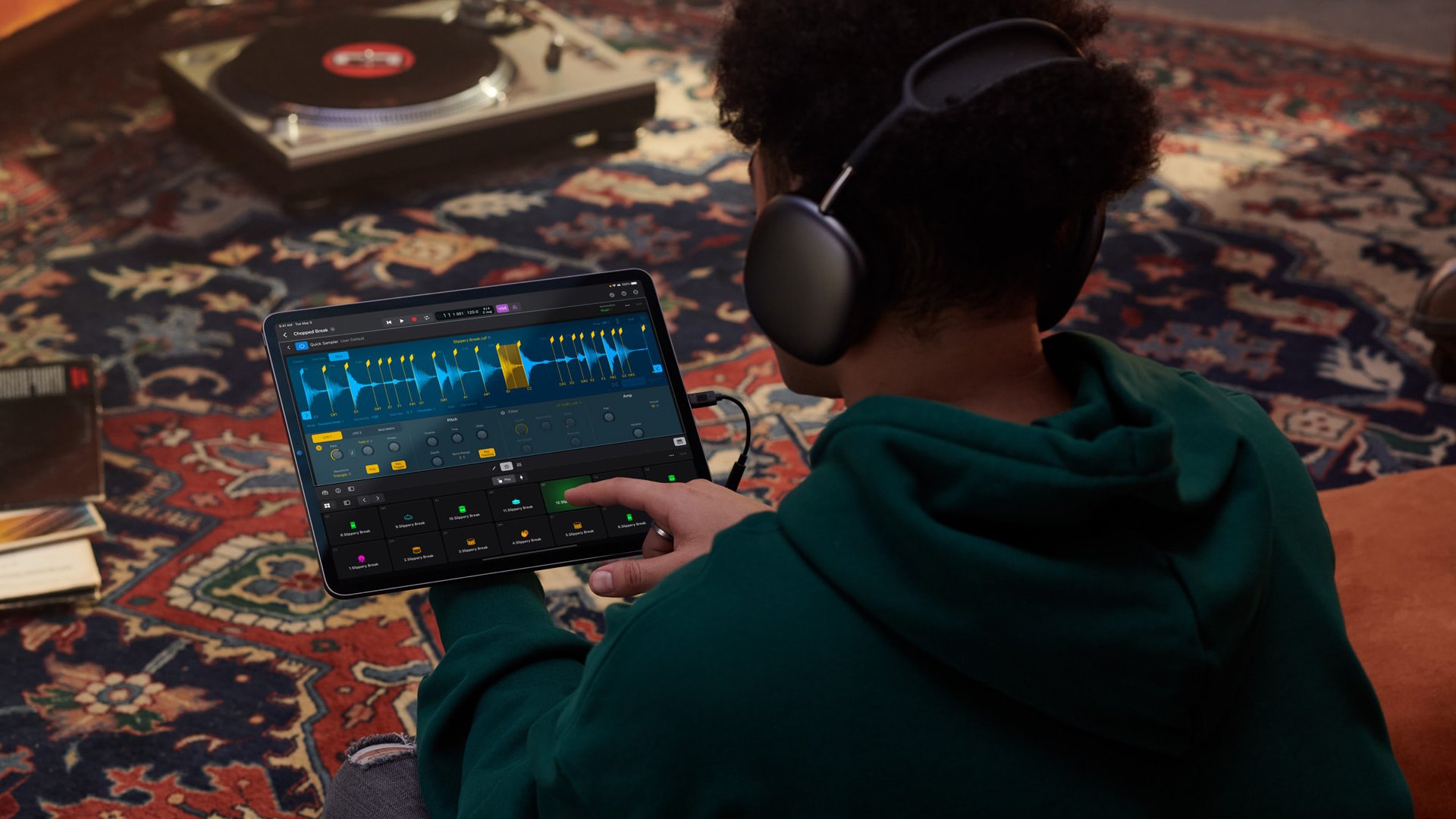
The company’s ecosystem of hardware, software, and services is uniquely suited to the demands of modern education. Products like the iPad, with its versatile multi-touch interface, coupled with the precision of the Apple Pencil, transform into dynamic canvases for creativity across all subjects, especially music. GarageBand, Apple’s intuitive music creation app, allows beginners to compose, record, and mix their own songs, democratizing music production and making it accessible to anyone with an idea. For more advanced students and aspiring professionals, Logic Pro provides a sophisticated suite of tools for professional-grade music production and engineering.
Beyond the devices themselves, Apple has also developed extensive educational programs and resources for teachers, such as "Everyone Can Create," which provides free project guides and teacher resources to help integrate creative expression into every subject. This comprehensive approach ensures that schools are not just receiving technology but are also equipped with the pedagogical support to leverage these tools effectively.
This expanded partnership with Save The Music is a natural extension of this long-standing commitment. By combining Save The Music's expertise in program development and instrument provision with Apple's cutting-edge technology, they are creating a powerful synergy. This collaboration ensures that students gain access not only to traditional instruments but also to modern digital tools that reflect the contemporary music industry, preparing them for a future where digital literacy and creative technology skills are increasingly vital.
The Indispensable Value of Music Education
In an educational landscape often dominated by STEM (Science, Technology, Engineering, and Mathematics), the arts, particularly music, sometimes struggle for funding and recognition. However, research consistently demonstrates that music education is far from a luxury; it is a fundamental component of human development and overall academic success. The benefits are multifaceted, impacting cognitive function, emotional well-being, social skills, and academic performance.
Cognitive Benefits: Sharpening the Mind
Engaging with music activates almost every area of the brain. Learning an instrument or understanding music theory strengthens neural pathways, particularly in areas responsible for language, memory, and spatial-temporal reasoning. Children who participate in music education often show improved:
- Language and Reading Skills: Music training enhances the brain's ability to process sounds, including pitch, rhythm, and timbre, which are crucial for distinguishing phonemes in language.
- Mathematical Skills: Understanding rhythm, scales, and harmony inherently involves patterns, fractions, and proportions, laying a strong foundation for mathematical concepts.
- Memory and Attention: Memorizing melodies, complex rhythms, and musical pieces improves both short-term and long-term memory. The discipline required to practice an instrument also enhances focus and sustained attention.
- Problem-Solving and Critical Thinking: Interpreting musical scores, improvising, or composing requires creative problem-solving and critical evaluation.
Emotional and Social Development: Nurturing the Whole Child
Music provides a unique outlet for emotional expression and connection, fostering essential social and emotional learning (SEL) skills:
- Self-Expression and Creativity: Music offers a non-verbal language for children to express feelings, ideas, and experiences, fostering creativity and a sense of self.
- Discipline and Perseverance: Learning an instrument requires dedication, practice, and the ability to overcome challenges. These qualities build resilience and a strong work ethic.
- Teamwork and Collaboration: Playing in an ensemble, choir, or band teaches students how to listen to others, synchronize their efforts, and work together towards a common goal, building vital collaborative skills.
- Empathy and Cultural Understanding: Exposure to diverse musical genres and cultures broadens horizons, promotes understanding, and fosters empathy for different perspectives.
- Confidence and Self-Esteem: Mastering a new skill, performing for an audience, or contributing to a group performance can significantly boost a child's confidence and self-esteem.
Academic Performance: A Catalyst for Success
While often viewed as separate, music education has a clear, positive correlation with overall academic achievement. Students involved in music programs frequently exhibit higher standardized test scores, better attendance rates, and are more likely to pursue higher education. The discipline, focus, and cognitive benefits derived from musical training translate directly into improved performance across all academic subjects.
By investing in music education, Apple and Save The Music are not just creating musicians; they are fostering well-rounded individuals who are better equipped for academic success, future careers, and meaningful engagement with the world around them. They are helping to cultivate a generation of innovative thinkers, compassionate citizens, and creative problem-solvers.
Technology: A New Frontier for Musical Learning
The traditional image of music education often involves sheet music, orchestral instruments, and a conductor. While these elements remain crucial, Apple's partnership with Save The Music is actively integrating cutting-edge technology, opening up exciting new avenues for learning and creativity. This fusion of traditional and modern tools ensures that music education remains relevant, engaging, and accessible to a wider range of students.
The iPad: A Portable Music Studio
The iPad, often paired with the Apple Pencil, is at the heart of this technological revolution in music classrooms. It transforms from a simple tablet into a comprehensive music studio. Students can:
- Compose and Arrange: Using apps like GarageBand and Logic Pro for iPad, students can compose original pieces, arrange existing melodies, and experiment with different instruments and sounds—all on a single device.
- Record and Produce: The iPad's built-in microphones, or external ones connected via accessories, allow students to record vocals and instruments. They can then edit, mix, and master their tracks, learning fundamental audio production skills.
- Learn and Practice: Interactive music apps provide visual feedback for learning instruments, practicing scales, or understanding rhythm. The portability of the iPad means practice can happen anywhere.
- Access Diverse Sounds: Digital instruments within apps allow students to explore a vast array of sounds—from classical orchestral instruments to modern synthesizers and world music instruments—without needing physical access to every single one.
Apple Pencil: Precision in Digital Creation
The Apple Pencil enhances the iPad experience by providing precise control for tasks like notating music, drawing waveforms, or fine-tuning parameters in music production apps. It bridges the gap between traditional pen-and-paper artistry and digital creation, allowing for intuitive interaction with musical software.
AirPods Max (and other Apple Audio Devices): Immersive Learning
High-quality audio devices like AirPods Max play a critical role in focused music education. They allow students to:
- Practice Privately: Students can practice instruments or listen to their compositions without disturbing others, fostering a personalized and immersive learning environment.
- Critical Listening: High-fidelity headphones enable students to hear subtle nuances in music, essential for ear training, mixing, and appreciating complex compositions.
- Collaborate Remotely: While not explicitly mentioned in the original text, the integration of audio and communication tools can facilitate remote collaboration on musical projects, broadening the scope of teamwork.
By equipping schools with these tools, Apple and Save The Music are ensuring that students are not only learning to play instruments but are also becoming fluent in the language of digital music creation. This prepares them for a future where music is increasingly created, shared, and consumed digitally, opening doors to careers in music production, sound engineering, game design, and more.
Tim Cook's Personal Commitment and The Wadleigh Example
The importance of this partnership was personally highlighted by Apple CEO Tim Cook, who recently visited the Wadleigh Secondary School for the Performing and Visual Arts in New York City. This visit was more than just a photo opportunity; it was a firsthand demonstration of the tangible impact of these programs on students' lives.
Cook observed and listened to music created by the students themselves, witnessing their talent and creativity flourish with the aid of Apple products. A short video shared from his visit visibly showcased students immersed in their musical projects, utilizing iPads, Apple Pencils for precise input, and AirPods Max for focused listening and creation. This scene powerfully illustrates how Apple's tools are not merely devices but extensions of the students' creative minds, enabling them to compose, produce, and express themselves in ways that were previously unimaginable in many public school settings.
Incredible to hear music created by students at Wadleigh Secondary School for the Performing & Visual Arts in Harlem with Maggie Rogers!
— Tim Cook (@tim_cook) March 17, 2026
We're thrilled to be expanding our partnership with Save the Music, bringing music education to even more schools across the country. pic.twitter.com/pKbTfsn1yl
Cook's presence at Wadleigh Secondary School sends a clear message: Apple values the arts and recognizes the critical role they play in a complete education. His engagement reinforces the idea that these initiatives are not just corporate philanthropy but a genuine investment in the future potential of young people. By seeing their work acknowledged by a global leader, students are undoubtedly inspired and encouraged to continue pursuing their musical passions.
Expanding Horizons: Impact on 50 Schools and Beyond
Apple's expanded partnership is set to bring essential music programming to nearly 50 more schools across the country. This expansion is significant, representing a substantial commitment to addressing the disparities in arts education that exist in many public school districts. While "nearly 50" might seem like a modest number in the grand scheme of thousands of schools, each one represents a community where students will now have access to instruments, technology, and qualified instruction that they might not have had otherwise.
Consider the ripple effect: 50 new schools could mean hundreds, if not thousands, of students gaining access to music education each year. Over time, this impact compounds, potentially influencing tens of thousands of young lives. These programs often become hubs of creativity, fostering not just musical talent but also a sense of community, belonging, and achievement among students. For many, this will be their first and only opportunity to learn an instrument, compose music, or experience the joy of performing.
This expansion also serves as a model for other corporations and organizations. It demonstrates that strategic partnerships between tech giants and dedicated non-profits can effectively address critical gaps in public education. The success of these programs could inspire further investment and broader initiatives, ultimately benefiting even more students nationwide.
A Harmonious Future: Corporate Responsibility and Community Empowerment
The collaboration between Apple and the Save The Music Foundation exemplifies a powerful model of corporate social responsibility. It highlights how leading companies can leverage their resources, technology, and influence to make a tangible difference in areas that genuinely impact future generations. In an era where educational resources are often stretched thin, such partnerships are not just beneficial; they are essential.
This initiative goes beyond simply providing tools; it empowers communities. By strengthening music programs, schools become more vibrant and attractive learning environments. Students gain new skills and passions, teachers receive valuable support, and parents see their children engaged in enriching activities that contribute to their holistic development. It helps create a culture where creativity is valued as much as academic rigor.
Looking ahead, the success of this expanded partnership holds the promise of inspiring even greater investment in arts education. As more success stories emerge from schools benefiting from this program, it will further underscore the irreplaceable role of music in shaping well-rounded, capable, and imaginative individuals. Apple's commitment, coupled with Save The Music's unwavering dedication, is helping to compose a more harmonious and creative future for students across the United States.
The melody of music education, now amplified by cutting-edge technology and corporate commitment, promises to resonate deeply within these communities, fostering a generation that is not only technologically proficient but also creatively inspired and emotionally intelligent. It's a testament to the belief that every child deserves the chance to find their rhythm, express their voice, and experience the profound joy that only music can bring.
This article, "Apple Helping to Expand Music Education to More Students and Schools" first appeared on MacRumors.com
Discuss this article in our forums
from MacRumors
-via DynaSage

Post a Comment