Apple Gives iPhone Designers Bonuses Up to $400K to Counter OpenAI Poaching
Apple Boosts iPhone Design Team with Massive Bonuses to Combat Talent Poaching
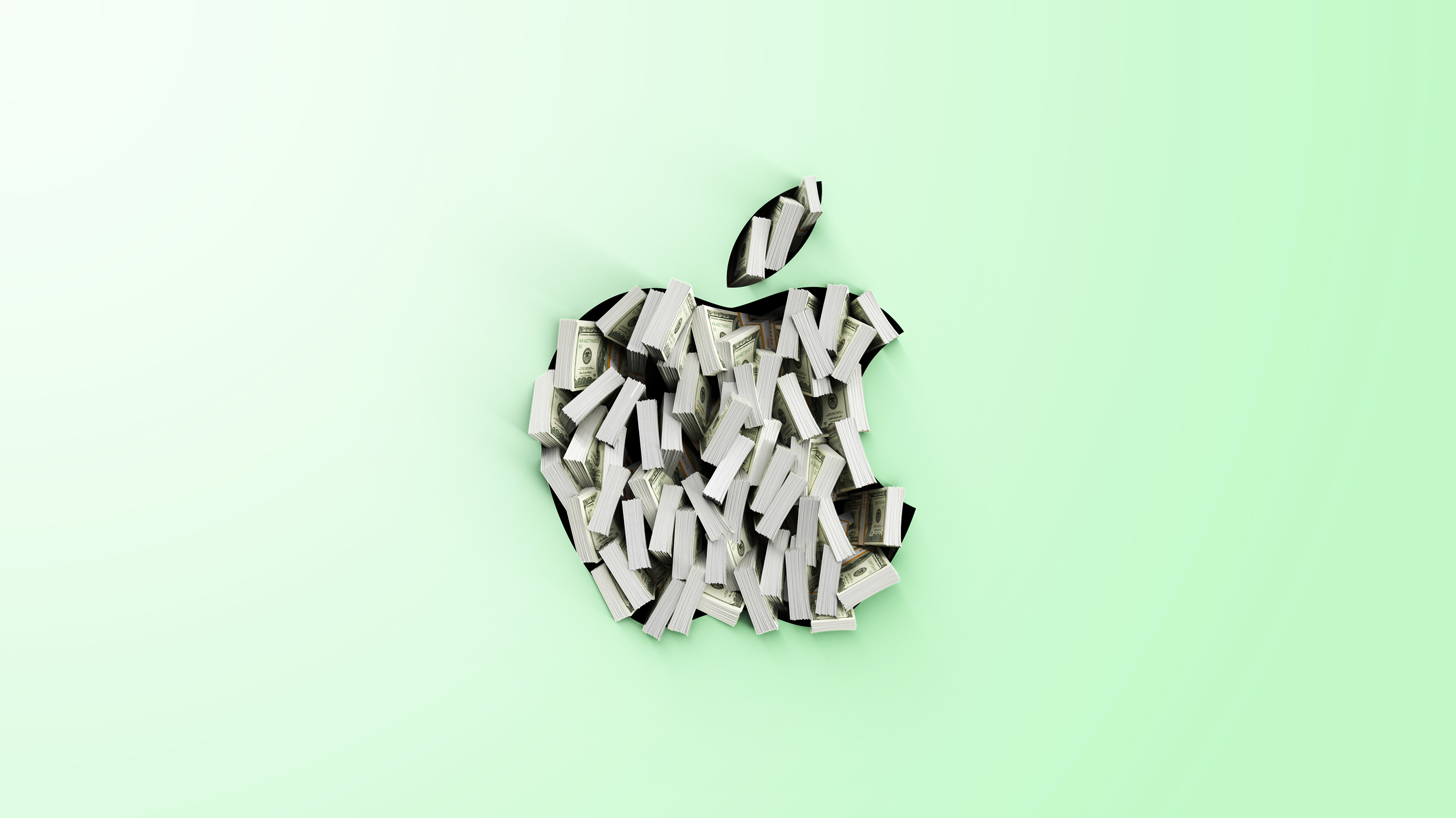
In a striking move to safeguard its invaluable talent, Apple has reportedly issued significant bonuses, reaching "several hundred thousand dollars," to its core iPhone Product Design team. This strategic financial incentive aims to prevent these crucial engineers and designers from being lured away by aggressive recruitment efforts from rival companies, most notably OpenAI. The information, initially brought to light by Bloomberg, highlights the escalating battle for top-tier talent within the tech industry.
These substantial bonuses are structured as Restricted Stock Units (RSUs), a popular form of equity compensation designed to foster long-term employee commitment. The RSUs are not immediately accessible; instead, they will "vest" over a four-year period. This means that to unlock the full value of their stock awards, the recipients must remain employees of Apple for the duration of this vesting schedule. This mechanism is a powerful tool for retention, tying the financial reward directly to continued service and loyalty to the company.
The High Stakes of Talent in the Tech World
In today's fast-paced technology landscape, the adage "talent is everything" holds more truth than ever. Companies, particularly those at the forefront of innovation like Apple, are engaged in a relentless war for the brightest minds. The unique skills possessed by top engineers, designers, and software architects are not easily replaceable. Losing such individuals can have profound ripple effects, ranging from delays in critical projects and a drain of institutional knowledge to a weakening of competitive advantage.
The cost of employee turnover extends far beyond the immediate need to fill a vacant position. It encompasses the expenses associated with recruitment, onboarding, and training a new hire, which can often amount to a significant percentage of an employee's annual salary. More importantly, it involves the loss of specific expertise, team cohesion, and the intimate understanding of ongoing projects and proprietary technologies. For a company like Apple, where product design is a cornerstone of its brand identity and market success, losing key members of the iPhone design team could jeopardize future innovation and product launches.
This intense competition is particularly pronounced in specialized fields such as silicon design, advanced hardware engineering, and cutting-edge software development, including artificial intelligence. As technology evolves at an unprecedented rate, the demand for experts capable of pushing boundaries continues to outstrip supply, driving up salaries and benefits across the industry. Companies are therefore compelled to devise increasingly sophisticated strategies to attract, motivate, and, crucially, retain their most valuable human assets.
Apple's Strategic Move: Why the Bonuses?
The decision to award such substantial bonuses to the iPhone Product Design team is a clear reflection of the perceived threat and the immense value Apple places on this specific group. The individual stock awards can reportedly range from $200,000 to $400,000, and potentially even higher, depending on the performance of Apple's stock in the coming years. This makes the incentive not only significant in immediate terms but also aligns the employees' long-term financial interests with the company's market success.
Apple executives are acutely aware of the ongoing drain of engineering talent, particularly to emerging and highly funded rivals. The company has seen a notable number of engineers depart for competitors, with OpenAI being a prominent destination. These departures are not just about numbers; they often involve individuals with highly specialized skills and deep knowledge of Apple's intricate hardware and software ecosystems. Protecting these teams is paramount to maintaining Apple's leadership in consumer electronics and its ability to continually innovate.
By offering these restricted stock units, Apple aims to create a powerful golden handcuff. The deferred nature of the compensation means that employees who choose to leave before their RSUs fully vest forfeit a significant portion of their potential earnings. This makes the decision to depart a much more costly one, encouraging employees to think twice before accepting offers from competing firms. It's a calculated move designed to secure the loyalty and continued contributions of its most critical design talent during a period of intense industry-wide competition.
Understanding Restricted Stock Units (RSUs)
Restricted Stock Units (RSUs) are a common form of equity compensation used by many public companies, especially in the tech sector, to reward employees and tie their interests to the company's long-term success. Unlike traditional stock options, which give an employee the *right* to buy company stock at a predetermined price, RSUs represent a *promise* from the company to give an employee a certain number of shares of company stock (or its cash equivalent) once specific conditions are met.
The most common condition is a "vesting schedule," which typically requires the employee to remain with the company for a certain period. In Apple's case, the four-year vesting period is a standard, yet effective, duration. This means that a portion of the total RSU award becomes available to the employee at regular intervals—for example, 25% after one year, another 25% after two years, and so on, until the full amount is vested after four years. If an employee leaves before the end of this period, any unvested RSUs are typically forfeited.
The value of RSUs to an employee is directly tied to the company's stock price. When the RSUs vest, the employee receives actual shares (or cash equal to the market value of those shares at the time of vesting). If Apple's stock performs well over the four-year period, the value of the bonuses could significantly exceed the initial estimate, providing an even greater incentive. Conversely, a decline in stock price would reduce their value, though they still represent a guaranteed form of compensation unlike stock options that can become "underwater" (where the strike price is higher than the market price).
For companies, RSUs offer several advantages. They are a powerful retention tool because they incentivize employees to stay. They align employee interests with shareholder interests, as everyone benefits from a rising stock price. They are also less dilutive than stock options at the time of grant, as the actual shares are only issued upon vesting. For employees, RSUs provide a more predictable form of compensation compared to options, as they almost always have some value upon vesting, provided the company is still in business.
The Unrivaled Value of Apple Design
Apple's reputation for exceptional product design is not merely anecdotal; it's a cornerstone of its brand identity and a primary driver of its commercial success. From the sleek lines of the original iMac to the intuitive interface of the iPhone and the sophisticated engineering of the Apple Watch, design has always been at the heart of what makes Apple products desirable. This isn't just about aesthetics; it's about the seamless integration of form and function, the meticulous attention to detail, and the relentless pursuit of user experience that sets Apple apart.
The iPhone Product Design team, in particular, holds immense strategic importance. The iPhone is not only Apple's flagship product but also a cultural phenomenon that has revolutionized personal technology. The designers responsible for its hardware—its materials, ergonomics, camera bumps, button placements, and internal architecture—are not just stylists; they are visionaries who translate complex technological capabilities into elegant, user-friendly devices. Their work directly impacts customer satisfaction, brand loyalty, and, ultimately, Apple's bottom line.
The legacy of individuals like former Apple design chief Jony Ive, who played a pivotal role in shaping many of Apple's most iconic products, underscores the critical contribution of industrial design to the company's identity. While Ive has since moved on to other ventures, the design philosophy he helped instill continues to permeate Apple's culture. Protecting the current generation of designers who uphold this philosophy and push its boundaries is therefore not just about retaining talent; it's about preserving the very essence of what makes Apple, Apple.
OpenAI's Emerging Hardware Ambitions
The fact that OpenAI is actively recruiting Apple's hardware design engineers is perhaps the most intriguing aspect of this story. OpenAI, primarily known as a leader in artificial intelligence research and development, particularly for its advancements in large language models like ChatGPT, might seem like an unlikely destination for hardware specialists. However, this recruitment drive signals a significant and strategic shift in OpenAI's ambitions: a clear move towards integrating its AI capabilities into physical products.
Why would an AI software company need hardware designers? The answer lies in the growing convergence of artificial intelligence and the physical world. For AI to become truly ubiquitous and impactful, it needs to manifest in tangible forms beyond screens and cloud servers. This could involve developing specialized AI devices, perhaps personal AI companions, smart home hubs, robotics, or even advanced augmented reality (AR) or virtual reality (VR) headsets that seamlessly embed OpenAI's powerful models into everyday objects.
The involvement of former Apple design chief Jony Ive, now reportedly working on hardware products at OpenAI, further validates this direction. Ive's expertise is in crafting beautiful, user-centric hardware. His presence suggests that OpenAI isn't just looking to build functional devices, but products that are elegantly designed, intuitive to use, and capable of delivering a uniquely OpenAI-powered experience. This could involve creating dedicated hardware that optimizes for AI processing, ensures privacy, or offers novel interaction methods that leverage generative AI.
Such a move would allow OpenAI to control the entire stack, from the foundational AI models to the end-user hardware, similar to how Apple integrates its software and hardware. This vertical integration could give OpenAI a significant competitive advantage, enabling them to optimize performance, enhance user experience, and differentiate their AI products in an increasingly crowded market. The recruitment of over 40 former Apple employees, including those who worked on the iPad, Apple Watch, and Vision Pro, underscores the serious intent behind these hardware ambitions.
The Allure of New Frontiers: Why Leave Apple?
For many, the idea of leaving a tech giant like Apple, known for its stability, prestige, and generous compensation, might seem counterintuitive. However, for highly skilled engineers and designers, the allure of a nascent, rapidly growing company like OpenAI can be incredibly strong. Several factors often contribute to these career decisions:
- Equity Upside: While Apple offers substantial RSUs, a rapidly growing startup like OpenAI might offer potentially exponential equity growth if it succeeds. Early employees at successful startups can become incredibly wealthy if the company goes public or is acquired.
- Opportunity for Greater Impact: At a massive company like Apple, even highly talented individuals might feel like a small cog in a large machine. At a smaller, fast-paced company, they might have the opportunity to make a more direct and visible impact on product development and strategic direction.
- Working on Cutting-Edge AI: Artificial intelligence is arguably the most exciting and transformative field in technology right now. For engineers passionate about pushing technological boundaries, working directly on foundational AI technologies and their novel applications can be a powerful draw.
- New Challenges and Learning: Moving to a new environment, especially one at the intersection of AI and hardware, presents fresh challenges and opportunities for learning and professional growth that might not be available within a more established organizational structure.
- Company Culture: While Apple has a strong culture, a younger company might offer a different working environment, pace, or philosophy that resonates more with certain individuals.
These factors, combined with competitive compensation packages, create a compelling proposition for Apple's talent, forcing the Cupertino giant to respond with robust retention strategies like these significant bonuses.
A Pattern of Retention: Apple's Past Strategies
This isn't the first time Apple has resorted to substantial stock bonuses to keep its engineers from defecting. The company has a demonstrated history of using such financial incentives to thwart poaching and bolster employee retention, especially in critical areas. In 2021 and again in 2022, Apple issued similar stock bonuses to engineers across various vital departments, including silicon design, hardware, software, and operations.
These earlier instances highlight a consistent strategy. Whenever a particular segment of its workforce becomes highly coveted by rivals, Apple is prepared to open its coffers to protect its intellectual capital. This proactive, or often reactive, approach demonstrates the company's understanding that investing in its people is as crucial as investing in research and development or marketing. It's a pragmatic response to the relentless demands of the tech talent market, where specialized skills are a highly liquid and sought-after commodity.
The Broader Implications for the Tech Landscape
The intense competition for talent, exemplified by Apple's bonus strategy and OpenAI's aggressive recruitment, has profound implications for the entire technology landscape. Firstly, it drives up compensation levels across the board. As leading companies vie for the same limited pool of top-tier professionals, salaries, equity packages, and benefits continue to escalate, making it more challenging for smaller companies to compete without significant funding.
Secondly, it signals a blurring of lines between traditional tech sectors. OpenAI, a software and AI research company, is now actively building hardware teams. This trend suggests that successful companies in one domain may increasingly seek to integrate capabilities from other domains to create more complete and differentiated products. This vertical integration could lead to a new wave of innovation, but also to heightened competition as companies encroach on each other's traditional territories.
Finally, this talent war underscores the critical importance of human capital in an era dominated by technological advancements. While AI itself is automating many tasks, the human ingenuity required to conceive, design, and implement these advanced systems remains indispensable. Companies that can attract and retain the best minds will be best positioned to lead the next generation of technological breakthroughs, shaping industries and altering how we live and work.
Conclusion: Navigating the Future of Tech Talent
Apple's decision to issue substantial restricted stock unit bonuses to its iPhone Product Design team is more than just a financial transaction; it's a powerful statement in the ongoing war for elite talent. It underscores the immense value placed on the individuals who craft the physical experiences of our most beloved devices and highlights the growing threat from ambitious rivals like OpenAI, which are rapidly expanding into new territories like hardware.
As the tech industry continues its breakneck pace of innovation, the battle for the brightest minds will only intensify. Companies will need to go beyond competitive salaries, offering compelling visions, opportunities for impact, and sophisticated retention strategies like RSUs to secure the loyalty of their most critical employees. The convergence of AI and hardware, as demonstrated by OpenAI's strategy, promises exciting new products and challenges, making the design and engineering talent at the heart of these developments more crucial than ever before. The future of technology will undoubtedly be shaped by those who can attract, nurture, and retain the extraordinary individuals capable of bringing these visions to life.
This article, "Apple Gives iPhone Designers Bonuses Up to $400K to Counter OpenAI Poaching" first appeared on MacRumors.com
Discuss this article in our forums
from MacRumors
-via DynaSage

Post a Comment