Xiaomi's Rumored 'iOS Bridge' to Bring Better Apple Device Connectivity
Xiaomi's Bold Move: HyperOS 3.1 and the 'iOS Bridge' Promise Seamless Apple Connectivity
Get ready for a significant shift in how your favorite tech devices interact! At this year's highly anticipated Mobile World Congress (MWC), tech giant Xiaomi is set to unveil a groundbreaking software update that promises to revolutionize connectivity between its own extensive range of devices and popular Apple products. This move could be a game-changer for millions of users worldwide who navigate both the Android and iOS ecosystems.
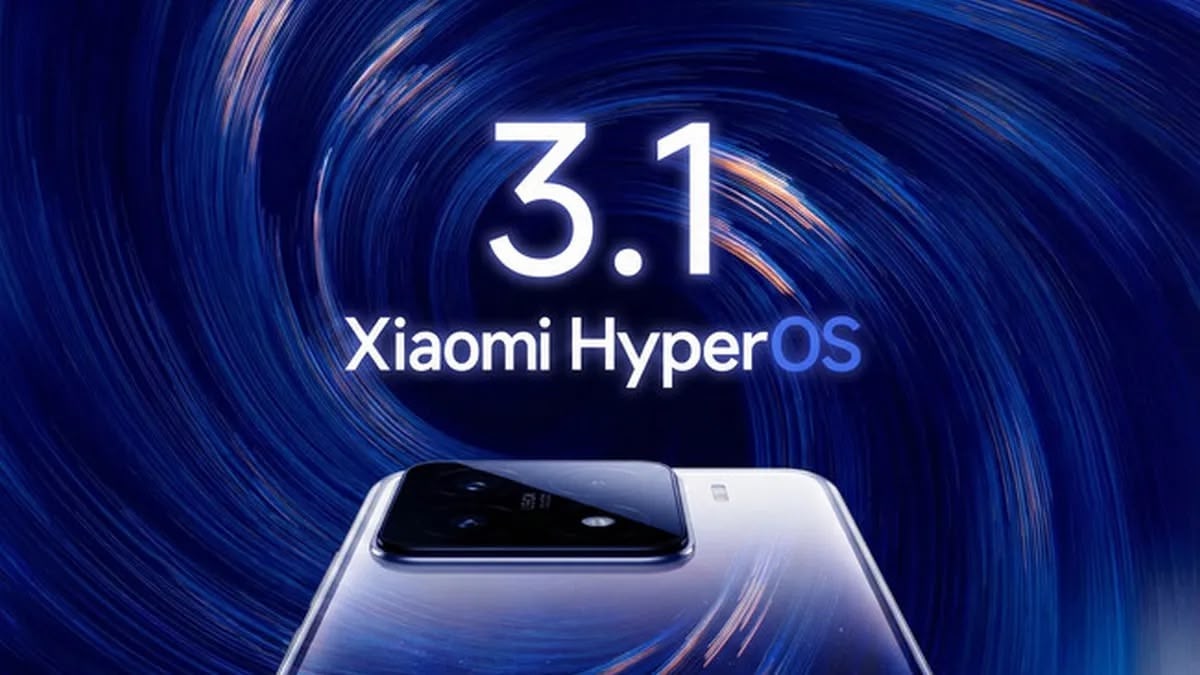
Slated to debut alongside the cutting-edge Xiaomi 17 series, the much-anticipated HyperOS 3.1 update is rumored to introduce a fascinating feature dubbed the "iOS Bridge." This innovative solution aims to forge a smoother, more integrated experience between Xiaomi's ecosystem and Apple's, an endeavor that has historically been a significant challenge for tech companies. According to insights from GizChina, the "iOS Bridge" is tipped to bring a suite of features that will dramatically enhance cross-platform interaction. These features include:
- iPhone Call Alerts on Xiaomi Devices: Imagine your iPhone ringing, but the notification and option to answer or manage the call pop up directly on your connected Xiaomi tablet or PC. This means you won't need to scramble for your iPhone, allowing for uninterrupted workflow or relaxation. This feature promises unprecedented convenience, especially for those who frequently switch between devices or work from a multi-screen setup.
- Enhanced AirPods Integration: Apple's popular AirPods are known for their seamless integration within the Apple ecosystem. Xiaomi's "iOS Bridge" aims to replicate some of this magic, promising better integration with Xiaomi devices. Users can expect to see battery levels displayed directly on their Xiaomi devices and gain access to enhanced controls, mirroring the intuitive experience typically reserved for Apple's own hardware.
- Direct File Sharing Between iPhone and Xiaomi: The pain of transferring files between an iPhone and a non-Apple device is a common frustration. Xiaomi's new feature promises a fast, wireless transfer capability, enabling direct file sharing between iPhones and Xiaomi devices without the need for cumbersome third-party apps, cloud services, or cables. This could be a huge time-saver for students, professionals, and anyone who needs to quickly move photos, videos, or documents.
If these features indeed make their grand appearance in Barcelona during MWC, which is scheduled to run from March 2 to March 5, it will undoubtedly mark another significant victory for technology users. Specifically, it will be a monumental win for the growing demographic of individuals who appreciate the premium experience of an iPhone and AirPods but also enjoy the innovation and value offered by a Xiaomi phone, laptop, or tablet. This hybrid user base is larger than one might expect, and addressing their needs could unlock immense potential for Xiaomi.
The timing of this announcement is particularly pertinent given Xiaomi's robust performance in the global market. In 2025, Xiaomi commanded a respectable 16% share of the European smartphone market, as reported by Omdia. This strong market presence positions Xiaomi perfectly to introduce features that can genuinely impact a large user base and potentially attract even more consumers who are looking for flexibility in their tech choices.
What is MWC and Why Does it Matter?
The Mobile World Congress (MWC) is arguably the largest and most influential event in the mobile industry. Held annually in Barcelona, Spain, it serves as a global stage where leading technology companies unveil their latest innovations, showcase groundbreaking products, and discuss the future trends shaping the mobile landscape. For Xiaomi, MWC is the ideal platform to make such a significant announcement. It allows them to capture international attention, engage with industry leaders, and directly communicate their vision for a more interconnected digital world.
MWC isn't just about new phones; it's about the entire mobile ecosystem – from network infrastructure and IoT devices to AI advancements and, crucially, software innovations. Xiaomi's "iOS Bridge" fits perfectly into this narrative, demonstrating how software can break down traditional barriers and create new possibilities for users.
Xiaomi's Growing Influence in the Global Smartphone Market
Xiaomi has rapidly ascended the ranks of global smartphone manufacturers, establishing itself as a formidable competitor to long-standing giants. Its success can be attributed to a strategic blend of offering high-quality devices with cutting-edge features at competitive prices. This "value-for-money" approach has resonated deeply with consumers, particularly in emerging markets and regions like Europe, where its market share continues to grow.
Beyond smartphones, Xiaomi has aggressively expanded its ecosystem to include tablets, laptops, smart home devices, wearables, and more. This broad portfolio means that many users own multiple Xiaomi products. The challenge, and opportunity, has always been to make these devices work seamlessly together, and now, to extend that seamlessness to include devices from other major players like Apple.
By focusing on interoperability, Xiaomi isn't just selling individual devices; it's building an ecosystem that strives for universality. This strategic direction could further solidify its position as a global tech leader, appealing to a wider audience than ever before.
The Promise of HyperOS 3.1: Bridging Two Worlds
HyperOS is Xiaomi's proprietary operating system, designed to power its vast array of smart devices. It represents Xiaomi's ambition to create a unified, intelligent ecosystem that delivers a consistent and intuitive user experience across all its products. The HyperOS 3.1 update is expected to bring numerous enhancements, but the "iOS Bridge" feature stands out as a bold and innovative move.
The concept of bridging the gap between two traditionally distinct operating systems – Android (which HyperOS is built upon) and iOS – addresses a long-standing pain point for many modern tech users. In an increasingly multi-device world, people often find themselves owning a mix of products from different brands. For instance, someone might prefer the camera and apps of an iPhone but find better value or specific features in a Xiaomi tablet or smartwatch. Historically, making these devices play nice has required compromises, workarounds, or the use of generic, less efficient solutions.
The "iOS Bridge" signifies Xiaomi's commitment to user-centric design, acknowledging that consumers shouldn't be locked into a single brand's ecosystem if they desire flexibility. It's an attempt to create a more harmonious digital environment where devices from different manufacturers can communicate and collaborate more effectively, enhancing convenience and productivity.
Unpacking the "iOS Bridge" Features: A Deeper Dive
Let's explore each of the rumored features in more detail, considering their implications for user experience and the broader tech landscape.
iPhone Call Alerts on Xiaomi Devices
The ability to manage iPhone calls directly from a Xiaomi tablet or PC is a significant leap forward in cross-device convenience. Today, if your iPhone rings while you're deeply engrossed in work on your Xiaomi laptop or enjoying a movie on your Xiaomi tablet, you typically have to pause what you're doing, locate your phone, and then answer or dismiss the call. This breaks concentration and can be disruptive.
With "iOS Bridge," the incoming call notification would appear on your connected Xiaomi device, complete with caller ID. You could then answer the call using your Xiaomi device's microphone and speakers (or a connected headset), send it to voicemail, or decline it. This mirrors Apple's own Continuity features, which allow users to answer iPhone calls on their Macs or iPads. For users who juggle multiple devices throughout their day, this feature dramatically improves workflow and reduces friction. Imagine being in a video conference on your Xiaomi PC and seamlessly taking an iPhone call without ever touching your phone – that's the promise of this integration. It enhances productivity and provides a truly seamless experience for the user.
Enhanced AirPods Integration with Xiaomi Devices
AirPods are incredibly popular, not just among iPhone users but also with Android users who appreciate their sound quality and portability. However, when paired with non-Apple devices, AirPods often lose many of their "smart" features. Users can connect and listen to audio, but they typically can't see battery levels, access advanced controls, or benefit from features like automatic device switching.
Xiaomi's enhanced AirPods integration aims to bring some of that Apple magic to its own devices. Seeing the battery levels of your AirPods and their charging case directly on your Xiaomi phone or tablet would be a massive convenience. No more guessing when your earbuds might die, or needing to re-pair them with an iPhone just to check. Furthermore, "enhanced controls" could mean better gesture support (e.g., customizing double-tap actions), more reliable connection management, or even rudimentary support for features like spatial audio, although the latter might require deeper hardware and software collaboration with Apple. This feature significantly enhances the value proposition of AirPods for Xiaomi users, making the combination a much more attractive option.
Direct File Sharing Between iPhone and Xiaomi
Transferring files between an iPhone and an Android-based device has historically been a cumbersome process. Users often resort to emailing files to themselves, using cloud storage services like Google Drive or Dropbox (which require uploads and downloads), or connecting to a computer with a cable as an intermediary. Each of these methods adds friction, time, and often requires an internet connection.
A "fast, wireless transfer feature" that enables direct file sharing between iPhones and Xiaomi devices without relying on third-party apps is nothing short of revolutionary. This could function similarly to Apple's AirDrop or Android's Nearby Share, utilizing technologies like Wi-Fi Direct or Bluetooth for peer-to-peer transfers. Imagine quickly sharing a high-resolution photo taken on your iPhone with a friend who has a Xiaomi phone, or sending a document from your Xiaomi tablet to your iPhone without any internet connection or extra steps. This feature would be a boon for productivity, collaboration, and casual sharing. It removes a significant barrier between the two ecosystems, making hybrid usage far more practical and enjoyable.
Why is This Happening Now? The Strategic Play
The timing of Xiaomi's "iOS Bridge" announcement is no accident. Several factors likely contribute to this strategic move:
- Increasing Demand for Interoperability: Consumers are increasingly frustrated by ecosystem lock-in. They want the freedom to choose the best device for their needs, regardless of the brand, and expect them to work together seamlessly. Xiaomi is recognizing and responding to this growing demand.
- Attracting Hybrid Users: As mentioned, a significant segment of tech users operates in both the Apple and Android worlds. By offering a bridge, Xiaomi can make its products more appealing to iPhone owners who might be considering a Xiaomi tablet, laptop, or another smart device, knowing that it will integrate better with their primary phone. This expands Xiaomi's potential customer base beyond traditional Android-only users.
- Competitive Differentiation: While other Android manufacturers focus on camera tech or processing power, Xiaomi is carving out a niche by addressing a fundamental usability issue. This could give it a significant competitive advantage over other Android brands that don't offer such deep integration with Apple's ecosystem.
- Pushing the Boundaries of Android: By developing such a bridge, Xiaomi is showcasing its advanced software engineering capabilities within HyperOS. It demonstrates that the Android ecosystem (or at least Xiaomi's flavor of it) can achieve sophisticated cross-platform compatibility, challenging the perception that only Apple can offer truly seamless device integration.
- Responding to Regulatory Pressure: In some regions, there's growing regulatory pressure on tech giants to open up their ecosystems and promote greater interoperability. While not directly stated, developing such a bridge could align with future regulatory trends and position Xiaomi as a company that champions open standards and user choice.
Potential Impact on the Tech Ecosystem
The implications of Xiaomi's "iOS Bridge" could ripple across the entire technology industry:
- For Users: The most immediate and tangible benefit is for the end-user. It means increased flexibility, reduced frustration, and a greater return on investment from their existing devices. It empowers users to choose products based on features and value, rather than being strictly confined by brand allegiance.
- For Xiaomi: This feature could significantly boost Xiaomi's brand perception, positioning it as an innovative, user-centric company. It could lead to increased sales of its tablets, PCs, and other smart devices among iPhone users, thereby growing its overall market share and expanding its ecosystem's reach.
- For Apple: This presents an interesting challenge to Apple's traditionally "walled garden" approach. While Apple users often praise the seamlessness of its ecosystem, external bridges like Xiaomi's could diminish the perceived need to buy *only* Apple products to achieve that seamlessness. It might even subtly push Apple to consider its own external interoperability strategies in the future, or at least solidify its own ecosystem advantages.
- For the Industry: If successful, Xiaomi's "iOS Bridge" could inspire other Android manufacturers to pursue similar cross-platform integration strategies. This could lead to a broader trend towards a more open and interconnected tech world, where devices from different brands communicate more effectively, benefiting consumers across the board. It could foster an environment of healthy competition in terms of interoperability, rather than just raw specs.
Challenges and Considerations
While the prospects are exciting, implementing such a bridge comes with its own set of challenges:
- Technical Hurdles: Ensuring stable, secure, and efficient communication between two distinct operating systems is a complex engineering feat. Xiaomi will need to guarantee that the connections are robust, don't drain battery excessively, and maintain data privacy.
- User Adoption and Trust: Even with advanced features, gaining user trust will be crucial. Users need to feel confident that their data is secure and that the integration works reliably before fully embracing it.
- Apple's Stance: The level of integration might be dependent on how much Apple allows. Apple has historically maintained strict control over its ecosystem. While basic Bluetooth and Wi-Fi Direct protocols are open, deeper integration for features like "enhanced controls" or specific APIs might require a level of cooperation from Apple that isn't guaranteed. Xiaomi might be relying on clever workarounds or publicly available protocols.
- Feature Parity: While "enhanced" integration is promised, it's unlikely to reach the absolute seamlessness of native Apple-to-Apple device communication initially. Xiaomi will need to manage user expectations regarding the depth and breadth of this interoperability.
Looking Ahead: The Future of Cross-Platform Harmony
Xiaomi's "iOS Bridge" could be a trailblazer, hinting at a future where device ecosystems are less rigid and more accommodating. The dream of a truly seamless digital life – where your phone, tablet, laptop, and smart home devices from various brands all communicate effortlessly – is a powerful one. By taking this bold step, Xiaomi is positioning itself as an innovator that is actively working towards that future.
This initiative could spark further discussions and developments across the industry regarding universal standards for device communication, data transfer, and peripheral integration. While individual companies will always strive to differentiate themselves, a fundamental layer of interoperability could significantly improve the overall user experience across the tech spectrum. Xiaomi's role here, as an early adopter of such an aggressive cross-platform strategy, could be monumental.
Conclusion: A Game-Changer for Hybrid Users
The upcoming Mobile World Congress 2026 is shaping up to be a landmark event, not just for Xiaomi but for the entire tech world. With the rumored "iOS Bridge" feature arriving with the HyperOS 3.1 update, Xiaomi is making a clear statement: user experience and flexibility are paramount.
For individuals who have invested in both Apple and Xiaomi devices, this could truly be a game-changer. The ability to manage iPhone calls on a Xiaomi tablet, enjoy enhanced AirPods functionality, and effortlessly share files between iPhones and Xiaomi devices addresses long-standing frustrations and unlocks new levels of convenience and productivity. This strategic move by Xiaomi not only strengthens its own ecosystem but also champions a more open, interconnected future for personal technology.
The world will be watching Barcelona closely from March 2 to March 5 to see if these exciting rumors become a reality. If they do, Xiaomi might just redefine what's possible in cross-platform harmony.
This article, "Xiaomi's Rumored 'iOS Bridge' to Bring Better Apple Device Connectivity" first appeared on MacRumors.com
Discuss this article in our forums
from MacRumors
-via DynaSage

Post a Comment