Where Is AirTag 2's Missing Feature?
Apple's New AirTag 2: Improved Tracking, But a Vision Pro Feature Goes Missing
Apple has recently unveiled its second-generation AirTag, bringing several welcome enhancements to its popular item tracker. While users will appreciate the upgraded performance, a highly anticipated feature – deeper integration with Apple's cutting-edge Vision Pro headset – was notably absent from the new accessory. This missing piece raises questions not only about the AirTag's potential but also about the broader direction of Apple's spatial computing ambitions and the future of other rumored devices like the AirPods Pro.
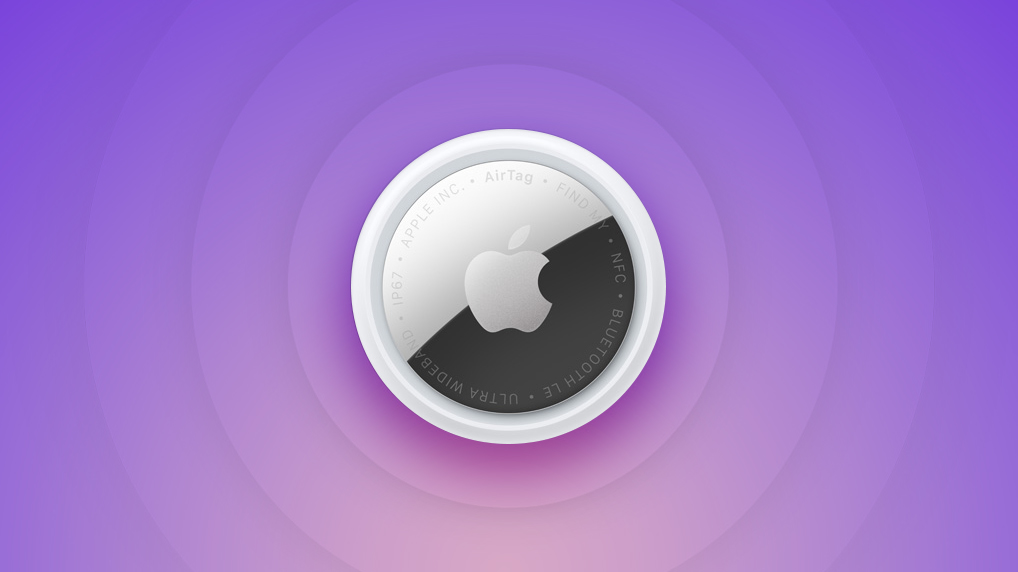
What is AirTag and What's New in the Second Generation?
Before diving into what’s missing, it’s essential to understand what an AirTag is and what makes it such a useful device. Launched initially in 2021, the AirTag is a small, disc-shaped tracking device designed by Apple to help users locate lost items. By attaching an AirTag to keys, a backpack, a wallet, or even a pet, users can track these items using Apple's "Find My" network. This network leverages hundreds of millions of Apple devices worldwide, which anonymously detect Bluetooth signals from nearby AirTags and relay their location back to the owner. This creates an incredibly vast and private tracking network, making it possible to find lost items almost anywhere.
The original AirTag quickly became a beloved accessory for its simplicity, effectiveness, and tight integration with the Apple ecosystem. It uses Bluetooth Low Energy (LE) for initial detection and a feature called Precision Finding for close-range location. Precision Finding relies on Ultra Wideband (UWB) technology, specifically Apple's U1 chip, found in newer iPhone models. When an iPhone with a U1 chip is near an AirTag, it can guide the user directly to the item with visual, haptic, and audio feedback, much like a digital compass pointing to the exact location of the AirTag.
Key Enhancements in AirTag 2
The second-generation AirTag builds upon this solid foundation with several meaningful upgrades, as detailed in Apple's announcements and user guides. These improvements enhance the core functionality of finding lost items, making the experience even more reliable and efficient:
- 50% Farther Precision Finding: One of the most significant improvements is the extended range for Precision Finding. The new AirTag allows users to pinpoint items from a greater distance than before. This means if your keys are just out of sight, perhaps under a couch or in another room, your iPhone can guide you to them more easily and from further away, reducing the need to move around extensively to get within range. This is particularly helpful in larger spaces or when items are subtly hidden.
- Upgraded Bluetooth with Increased Range: The new AirTag incorporates an upgraded Bluetooth module, leading to an increased overall range for detection by the Find My network. This enhancement improves the likelihood of your AirTag being detected by passing Apple devices, thus updating its location more frequently and accurately, especially if it’s lost in a public place. A stronger Bluetooth signal also means a more stable connection for initial detection, allowing your iPhone to connect to the AirTag from a slightly greater distance before Precision Finding kicks in.
- 50% Louder Speaker: A common method for locating a nearby AirTag is to make it play a sound. The second-generation AirTag features a speaker that is 50% louder than its predecessor. This is a crucial improvement, as it makes it much easier to hear the AirTag's chime when an item is buried under laundry, hidden in a drawer, or tucked away in a noisy environment. The louder sound can be the difference between quickly retrieving your item and spending extra time searching.
These updates, while not revolutionary, collectively offer a more robust and user-friendly experience for AirTag owners. They address some of the minor limitations of the original model, making the process of finding lost belongings more seamless and less frustrating. You can find a detailed comparison between the two generations on MacRumors.
The Missing Rumored Feature: Vision Pro Integration
Despite these welcome improvements, the launch of the AirTag 2 left many tech enthusiasts and analysts pondering the absence of a particular feature that had been widely anticipated: enhanced integration with Apple's upcoming Vision Pro headset. This feature was not just a speculative whisper but a prediction made by a highly respected and often accurate Apple analyst.
Ming-Chi Kuo's Prediction and the Vision Pro Promise
Back in August 2023, renowned Apple analyst Ming-Chi Kuo, known for his deep insights into Apple's supply chain and product roadmap, reported that the second-generation AirTag would feature "better integration" with the Vision Pro. This integration was teased as a key component of Apple's broader "spatial computing ecosystem," a term Apple uses to describe its vision for interacting with digital content in the physical world.
At the time, Kuo did not offer specific details on how this integration would manifest. However, the mere mention sparked considerable excitement and speculation within the tech community. The Vision Pro, with its advanced sensors, high-resolution displays, and sophisticated operating system (visionOS), is designed to seamlessly blend digital content with the user's real-world surroundings. Imagine wearing your Vision Pro and being able to "see" a digital overlay pointing directly to your lost keys, which have an AirTag attached. Instead of just hearing a chime or seeing an arrow on your iPhone screen, you might see a virtual marker floating above your couch, indicating exactly where your wallet is hidden. This kind of augmented reality (AR) experience would take the utility of the AirTag to an entirely new level, making the search for lost items intuitive and visually immersive.
The functionality was a significant part of the rumor cycle leading up to the AirTag 2's launch, suggesting that Apple was at least exploring such capabilities. The idea of interacting with physical items through a spatial computing interface perfectly aligns with Apple's stated vision for the Vision Pro as a revolutionary new computing platform. It promised to make the digital-physical divide even blurrier, enhancing practicality and convenience in everyday tasks.
Why Did It Go Missing?
However, the final, released second-generation AirTag has no such feature. This absence raises several questions. Was the rumor simply inaccurate, or did Apple decide to postpone or scrap the feature? There are several possibilities:
- Technical Challenges: Integrating a small, battery-powered tracker like the AirTag with the complex sensor array of the Vision Pro might have presented unforeseen technical hurdles. Achieving accurate, real-time spatial awareness for an AirTag, especially in varying environments, could be more challenging than initially anticipated.
- Prioritization Shift: Apple might have shifted its priorities during the AirTag 2's development cycle. Perhaps the resources allocated for Vision Pro integration were redirected to other features, or the company decided to focus on perfecting the core tracking experience first.
- Vision Pro's Own Timeline: The Vision Pro itself is a nascent product, and its software (visionOS) is still evolving. Apple might be waiting for future iterations of visionOS to mature before rolling out such advanced integration features for accessories. It is entirely possible that Apple could still add deeper AirTag integration with the Vision Pro via a future software update, such as visionOS 27 (or a later version). This would allow Apple to refine the user experience and ensure seamless operation once the Vision Pro ecosystem is more established.
- Product Strategy Re-evaluation: As we will discuss later, there might be broader strategic shifts concerning the Vision Pro's role in Apple's immediate future, which could impact accessory integration plans.
Regardless of the reason, the missing Vision Pro integration is a notable omission that prevents the AirTag 2 from fully realizing its rumored potential within Apple's spatial computing vision.
The Related Rumor: AirPods Pro and Vision Pro Integration with Infrared Cameras
The AirTag 2 wasn't the only accessory rumored to receive significant Vision Pro integration. Ming-Chi Kuo also indicated that another key Apple product, the next-generation AirPods Pro, would feature a "more significant" hardware upgrade specifically aimed at enhancing its connection with the Vision Pro. This upgrade, according to Kuo, would come in the form of infrared cameras.
Infrared Cameras in AirPods Pro: Enhancing Spatial Experiences
The idea of infrared cameras in AirPods Pro is particularly intriguing. These tiny cameras, embedded within the earbuds, are expected to integrate with the Vision Pro headset to provide enhanced spatial experiences. Unlike visible light cameras, infrared cameras would be less conspicuous and could operate in various lighting conditions, potentially offering a discreet way for the AirPods to 'see' and understand the user's immediate environment and head movements.
Kuo elaborated on this concept, explaining how such integration would function within the spatial computing ecosystem:
The new AirPods is expected to be used with Vision Pro and future Apple headsets to enhance the user experience of spatial audio and strengthen the spatial computing ecosystem. For example, when a user is watching a video with Vision Pro and wearing this new AirPods, if users turn their heads to look in a specific direction, the sound source in that direction can be emphasized to enhance the spatial audio/computing experience.
Let's break down the implications of this. Currently, Apple's spatial audio in AirPods uses gyroscopes and accelerometers to track head movements relative to an iPhone or iPad, creating an immersive soundstage. With Vision Pro, this concept becomes even more powerful. If AirPods Pro had infrared cameras, they could potentially track the user's gaze and head orientation with even greater precision. This enhanced data could allow the Vision Pro to create an incredibly realistic spatial audio experience where sound sources are truly fixed in the virtual environment. If you turn your head to look at a virtual character speaking in a video, the cameras in your AirPods could confirm your gaze direction, and the Vision Pro could then dynamically adjust the audio, making that character's voice sound more prominent and localized in that specific virtual space.
This integration goes beyond just entertainment. In a professional or educational spatial computing environment, it could enable more intuitive interactions. Imagine a virtual meeting where you can turn your head to "look" at a specific participant's avatar, and their voice becomes clearer, mimicking real-world conversation dynamics. The infrared cameras could also potentially be used for subtle gesture recognition or even health monitoring, adding a multi-faceted layer of interaction and utility to the AirPods Pro within the Vision Pro ecosystem.
Corroboration and Uncertainty
While Kuo's initial prediction about infrared cameras in AirPods Pro was noteworthy, it has since become widely corroborated by other sources, lending significant credibility to the hardware aspect of the rumor. This means that Apple is indeed exploring or developing AirPods with such advanced sensing capabilities. However, the specific integration with the Vision Pro is now considerably more uncertain, especially in light of the missing AirTag feature.
If Apple decided to hold back or scrap the AirTag's Vision Pro integration, it raises a red flag for the AirPods Pro's similar feature. Why would Apple prioritize an AirTag-Vision Pro connection over an AirPods Pro-Vision Pro connection, or vice versa? The fact that both were rumored for Vision Pro integration suggests a broader strategy, and if one piece of that puzzle is missing, the entire picture becomes less clear. This uncertainty is further amplified by a significant development regarding the Vision Pro itself.
The Shadow of Uncertainty: Apple's Vision Pro Strategy Re-evaluation
Perhaps the most critical factor casting a shadow over these rumored integrations is the evolving narrative around Apple's Vision Pro. Recent reports suggest that Apple now appears to be deprioritizing the Vision Pro, at least in its current form, with indications that there are no new headsets in active development. This is a profound shift from the initial excitement surrounding the device's launch and has significant implications for any accessories specifically designed to integrate with it.
Why Deprioritize the Vision Pro?
There could be several reasons behind Apple's apparent re-evaluation of its Vision Pro strategy:
- High Cost and Niche Market: The Vision Pro launched with a hefty price tag of $3,499, placing it squarely in a luxury or professional niche market. This high cost, combined with the perception of it being a "first-generation" product, has likely limited its mass appeal and adoption rates. Developing features for a device with limited reach might not be Apple's immediate priority.
- Technical Challenges and User Experience: While revolutionary, the Vision Pro is not without its challenges. Its weight, battery life (requiring an external pack), and the need for precision fitting have all been points of discussion. Apple may be taking a step back to address these fundamental hardware and ergonomic issues before pushing for deeper ecosystem integrations.
- Content and Developer Ecosystem: A new platform needs compelling content and a robust developer ecosystem to thrive. While Apple has made efforts, building this up takes time, and slow adoption might hinder developer interest in creating Vision Pro-exclusive experiences that leverage accessories like AirTags or AirPods Pro.
- Strategic Shift Towards AI: The tech industry is currently experiencing a massive shift towards Artificial Intelligence (AI). Apple has signaled a strong focus on integrating generative AI across its product lines. It's plausible that resources and strategic focus are being redirected towards accelerating AI development, potentially at the expense of immediate Vision Pro expansions. Features like spatial computing integration, while innovative, might be seen as less urgent compared to delivering a compelling AI story.
- Market Response and Future Generations: Apple is known for its patience and long-term vision. The current Vision Pro might be seen as a learning platform. The "no new headsets in active development" doesn't necessarily mean the Vision Pro is abandoned forever, but rather that the next iteration (perhaps a more affordable or lighter version) is much further off, or that Apple is fundamentally rethinking the form factor or core technology of its future spatial computing devices. This would naturally put a hold on accessory features specifically tailored for the current generation or its immediate successors.
Implications for AirTag and AirPods Pro Integration
This reported deprioritization of the Vision Pro has direct implications for accessories that were meant to be integral to its ecosystem:
- AirTag 2's Missing Feature: The absence of Vision Pro integration in the AirTag 2 now makes more sense. If Apple is scaling back its immediate Vision Pro plans, it would logically hold back features that are solely dependent on or significantly enhanced by the headset. Investing development resources into a feature for a potentially slow-moving platform might not be considered efficient.
- AirPods Pro's Uncertain Future: The situation for AirPods Pro with infrared cameras becomes equally, if not more, precarious. While the rumor about the cameras themselves being developed might still hold true, their primary purpose (enhancing spatial experiences with Vision Pro) is now in question. If the Vision Pro's future is uncertain, or if new versions are far off, the urgency and utility of such a specialized feature in AirPods Pro diminish significantly. Apple might still launch AirPods Pro with infrared cameras for other purposes (e.g., advanced health tracking, more precise head tracking for non-Vision Pro spatial audio), but their synergistic potential with the Vision Pro could be sidelined.
In essence, the entire spatial computing ecosystem, as envisioned around the Vision Pro, appears to be in a state of re-evaluation. This doesn't mean spatial computing is dead for Apple, but rather that its rollout and the integration of various devices might take a different, potentially longer, path than originally anticipated.
The Broader Vision for Spatial Computing
Despite the current uncertainties surrounding the Vision Pro, Apple's long-term commitment to spatial computing is likely to remain strong. The concept of blending the digital and physical worlds, allowing users to interact with computing in a more natural and immersive way, aligns perfectly with Apple's history of pushing technological boundaries. Spatial computing isn't just about headsets; it's about how all our devices work together to understand our environment and respond intuitively.
The iPhone, with its ARKit platform, has already laid foundational groundwork for augmented reality. Devices like the AirTag and AirPods, even without explicit Vision Pro integration, contribute to this ecosystem by providing context about our physical items and enhancing our audio experience. The challenge for Apple now is to articulate how this broader vision will evolve, especially if the Vision Pro's path to mass adoption is longer than initially expected.
Future iterations of iOS, iPadOS, and even macOS could incorporate more spatial elements, leveraging the sensors already present in our existing devices. Perhaps "spatial computing" will manifest in a more distributed way across Apple's entire product lineup, rather than being solely reliant on a single, expensive headset. This could involve more advanced AR features on iPhones, enhanced tracking capabilities in future AirPods that are useful with or without a headset, and new ways for accessories like AirTags to communicate with our personal devices to provide richer contextual information.
The Role of Analysts Like Ming-Chi Kuo
This entire discussion highlights the critical role, and inherent limitations, of tech analysts like Ming-Chi Kuo. Kuo has an impressive track record for accurately predicting Apple's product plans, often by tapping into the company's vast supply chain. His insights provide a valuable window into Apple's potential innovations long before they are officially announced.
However, product development is a dynamic process. Features can be added, removed, or postponed due for various reasons—technical difficulties, market shifts, strategic re-evaluations, or simply changes in priorities. What might be a confirmed plan during one phase of development could be entirely different by the time a product launches. Kuo’s reports, while often accurate about Apple’s intentions or in-development features, are snapshots in time. They reveal the direction Apple is exploring, but not always the final destination.
In this case, his prediction about AirTag 2's Vision Pro integration, while seemingly accurate at the time it was made, likely fell victim to a shifting landscape, particularly concerning the Vision Pro itself. The widely corroborated rumor about infrared cameras in AirPods Pro shows that the underlying hardware development might still be ongoing, but its ultimate application could evolve based on broader product strategy.
Concluding Thoughts: A Crossroads for Apple's Ecosystem
The second-generation AirTag offers meaningful, albeit incremental, improvements that enhance its core functionality as an item tracker. Users will undoubtedly appreciate the extended Precision Finding range, upgraded Bluetooth, and louder speaker, making it even easier to keep tabs on their valuable belongings. These refinements solidify the AirTag's position as a practical and well-integrated accessory within the Apple ecosystem.
However, the absence of its rumored Vision Pro integration marks a significant moment, raising broader questions about Apple's spatial computing strategy. Coupled with reports of Apple deprioritizing the Vision Pro itself and pausing new headset development, it suggests a potential re-evaluation of how swiftly and extensively the company plans to build out its spatial computing ecosystem. This shift also casts a shadow of uncertainty over other anticipated features, such as the infrared cameras in future AirPods Pro models, whose primary benefit was thought to be tight integration with the Vision Pro.
While Apple’s long-term vision for spatial computing remains intact, the immediate path appears to be undergoing adjustment. It will be fascinating to see how Apple navigates these challenges, whether it recommits to the Vision Pro with a revised strategy, or if spatial computing features are gradually integrated into its existing, more widely adopted products like the iPhone and traditional AirPods. For now, the AirTag 2 stands as a testament to practical utility, even as its grander, spatial computing ambitions remain a promise yet to be fully realized.
This article, "Where Is AirTag 2's Missing Feature?" first appeared on MacRumors.com
Discuss this article in our forums
from MacRumors
-via DynaSage

Post a Comment