What to Expect From Apple in February, Including Revamped Siri in Beta
As the brisk winds of January give way to the promise of February, Apple enthusiasts and tech aficionados alike are buzzing with anticipation. January saw Apple continue its tradition of innovation, releasing a new AirTag and the Creator Studio bundle of creative applications, proving that the tech giant never truly rests. Now, with the calendar turning to February, it's time to shift our focus and discover what exciting developments Apple has in store for us.
Apple's continuous cycle of updates, new features, and strategic partnerships keeps its ecosystem vibrant and ever-evolving. Each month brings a fresh wave of enhancements designed to improve user experience, bolster security, and push the boundaries of technology. February 2026 appears to be no exception, packed with significant software updates, groundbreaking AI advancements, and a host of other notable events.
Below, we've outlined some of the key items expected from Apple in February. While these are the known elements, Apple is famous for its surprises, so staying tuned is always a good idea. From crucial iOS updates that refine daily interactions to a revolutionary leap in artificial intelligence, February promises to be a pivotal month for Apple users and the broader tech landscape. Let's dive into the details of what to expect.
iOS 26.3: Refinements and Foundational Changes
The latest iteration of Apple's mobile operating system, iOS 26.3, has been undergoing rigorous beta testing by developers and public testers for some time now. This crucial phase allows Apple to identify and resolve bugs, optimize performance, and gather feedback before a widespread release. We anticipate the release of the iOS 26.3 Release Candidate (RC) as early as next week. The RC is typically the final beta version, identical to what will be rolled out to the general public, assuming no critical issues are discovered. Following the RC, the full public release of iOS 26.3 is expected to arrive swiftly, likely in the first half of February.
While often labeled a "minor" update due to its .3 increment, iOS 26.3 brings a handful of notable features and under-the-hood improvements that are significant for user experience and future capabilities. These incremental updates are vital for the health of the iOS ecosystem, providing stability, patching vulnerabilities, and laying the groundwork for more substantial features in subsequent releases. Let's explore the standout additions:
A New iOS-to-Android Transfer Tool
In a move that signals a continued commitment to user choice and interoperability, iOS 26.3 is set to introduce a new iOS-to-Android transfer tool. For years, Apple has offered the "Move to iOS" app on Android, facilitating a relatively smooth transition for users moving from Android to iPhone. This new tool, however, indicates Apple is now making it easier for users to move their data from an iPhone to an Android device. This is a significant development, as it addresses a long-standing point of friction for users contemplating a switch away from the Apple ecosystem.
While the exact implementation details are still emerging, it's expected that this tool will streamline the transfer of essential data such as contacts, messages, photos, videos, and potentially even calendar entries and email accounts. This could manifest as a standalone app on iOS, guiding users through the process, or be integrated directly into the iOS settings during the device wipe or setup phase. By simplifying this process, Apple not only demonstrates a commitment to open standards but also potentially reduces one of the psychological barriers that might prevent users from exploring other platforms. It reflects a growing industry trend towards greater device compatibility and user data portability, putting user convenience at the forefront.
Enhanced Notification Forwarding
Another convenient feature coming with iOS 26.3 is notification forwarding. This enhancement builds upon Apple's robust ecosystem, allowing for more seamless integration and continuity across your Apple devices. Imagine a scenario where your iPhone is charging in another room, but you're working on your iPad or Mac. With notification forwarding, important alerts that would typically only appear on your iPhone can now be mirrored or forwarded to your other connected Apple devices.
This feature will likely offer granular control, allowing users to specify which types of notifications are forwarded and to which devices, ensuring privacy and preventing notification overload. It significantly enhances the "Apple experience" by ensuring users stay informed and connected regardless of which device they are actively using. It contributes to a more fluid and less disruptive workflow, allowing users to remain focused on their tasks without constantly checking their primary device for new alerts. This level of interconnectedness is a hallmark of Apple's ecosystem design, and notification forwarding further strengthens this bond between devices.
AirPods-like Proximity Pairing for Third-Party Accessories
Apple's AirPods revolutionized Bluetooth pairing with their instant, magical connection experience. Now, iOS 26.3 aims to extend this seamless functionality to a broader range of devices with AirPods-like proximity pairing for third-party accessories like smartwatches. This means that instead of manually navigating Bluetooth settings and waiting for devices to connect, compatible third-party accessories will be able to pair with your iPhone almost instantly, simply by bringing them close to your device.
This is a major win for user convenience and a significant step for third-party accessory manufacturers. It lowers the barrier to entry for connecting new devices, making the setup process far more intuitive and user-friendly. For smartwatches, fitness trackers, and other Bluetooth-enabled gadgets, this could mean a drastically improved initial setup experience, similar to the "just open the case" simplicity of AirPods. This feature also reflects Apple's ongoing efforts to create a more open yet still curated ecosystem, potentially driven in part by regulatory pressures (like the Digital Markets Act, or DMA, in some regions) to allow greater interoperability while maintaining a high standard of user experience and security. This move could encourage more manufacturers to integrate their products deeply with the Apple platform, knowing they can offer a superior pairing experience.
Carrier-Related Limit Precise Location Setting
Privacy remains a cornerstone of Apple's philosophy, and iOS 26.3 reinforces this with a carrier-related limit precise location setting. Users have long had the ability to control which apps have access to their "precise location" versus "approximate location." This new setting appears to extend that control specifically to data related to cellular carriers or services provided through them.
In an age where location data is highly valuable and often sensitive, giving users more granular control over how their precise location is shared, especially in the context of network providers, is a crucial privacy enhancement. This could impact how carriers or their partners utilize location data for services, advertising, or network optimization. By offering this setting, Apple empowers users to make more informed decisions about their digital footprint and ensures that their location privacy is respected, even when interacting with essential network services. It underscores Apple's consistent efforts to provide transparency and control over personal data, pushing the industry towards better privacy practices.
Laying the Groundwork for End-to-End Encryption for RCS Messaging
Perhaps one of the most anticipated, albeit behind-the-scenes, developments in iOS 26.3 is Apple's work on laying the groundwork for carriers to begin supporting end-to-end encryption (E2EE) for RCS messaging. Apple promised to implement RCS support in 2024, addressing a long-standing request from Android users and proponents of open messaging standards.
RCS, or Rich Communication Services, is the modern standard for text messaging, designed to replace the antiquated SMS and MMS protocols. It brings features familiar to chat apps like WhatsApp or iMessage, such as high-quality photos and videos, read receipts, typing indicators, and better group chats, all directly within the native messaging app. The implementation of E2EE for RCS is paramount. End-to-end encryption ensures that messages are encrypted on the sender's device and can only be decrypted by the recipient's device, making it impossible for third parties, including carriers or Apple itself, to read the content of the messages. This is a critical security and privacy feature that brings RCS up to par with modern secure messaging applications.
By preparing its software to support E2EE for RCS, Apple is not just adopting a new messaging standard; it's pushing for its secure implementation across the board. This is a complex undertaking, as E2EE requires cooperation among carriers and device manufacturers. Apple's commitment here signals a significant step towards a more secure and unified cross-platform messaging experience, reducing the friction and privacy concerns that have long existed between iOS and Android users, particularly regarding the "green bubble" vs. "blue bubble" debate. This foundational work in iOS 26.3 sets the stage for a future where secure, rich messaging is the standard for everyone, regardless of their smartphone choice.
Personalized Siri (Beta): A Smarter, More Context-Aware Assistant
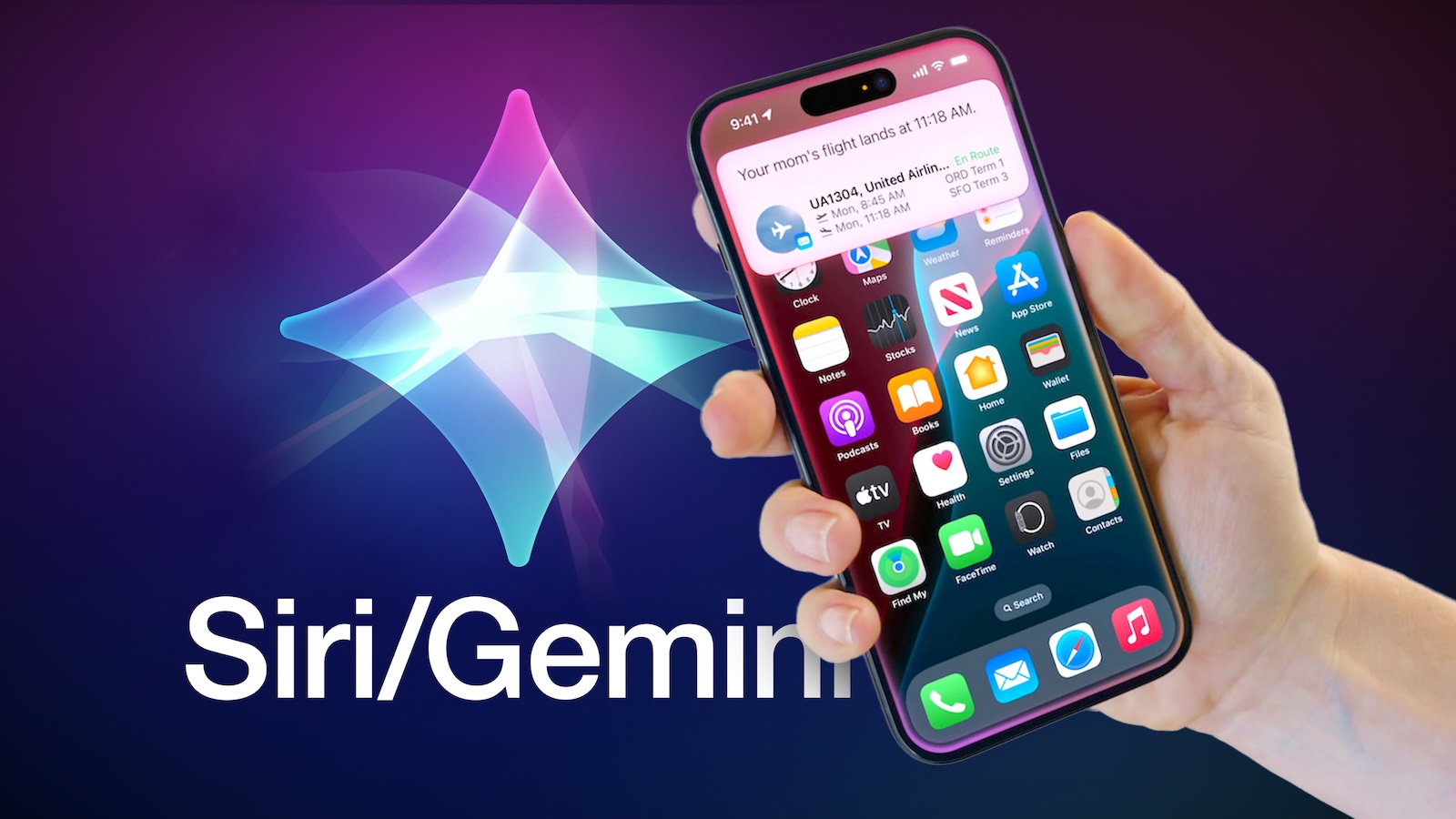
One of the most exciting and potentially transformative announcements expected from Apple in February is the reveal of a more personalized version of Siri. This next-generation virtual assistant is slated to be powered by Google Gemini and is anticipated to be unveiled in the second half of February, according to industry insider Mark Gurman of Bloomberg.
Siri, first introduced in 2011, revolutionized how we interact with our devices. However, in recent years, it has faced criticism for not keeping pace with competitors in terms of contextual understanding, natural language processing, and personalized responses. This revamped Siri aims to address those criticisms head-on, promising a truly intelligent and proactive assistant.
The Power of Google Gemini and Apple Intelligence
The collaboration with Google Gemini is a pivotal aspect of this new Siri. Gemini is Google's most advanced and capable artificial intelligence model, known for its multimodal reasoning capabilities, meaning it can understand and operate across various types of information, including text, code, audio, image, and video. By integrating Gemini, Apple is leveraging a leading AI engine to significantly boost Siri's intelligence and conversational abilities.
According to Gurman, this more personalized Siri will be a core component of iOS 26.4. The beta version of iOS 26.4 is expected to become available in February, with a public release projected for March or early April. This timeline suggests that iPhone 15 Pro users, or those with newer models, could experience the new-and-improved Siri in just a few months. The "Pro" requirement likely stems from the need for enhanced processing power and the advanced Neural Engine found in Apple's latest chips, which are essential for running sophisticated AI models efficiently and with privacy in mind.
The nature of the partnership is intriguing: while powered by Google Gemini, the revamped Siri will still run on a new "Apple Intelligence" model that has Gemini's technology "baked in." This approach allows Apple to retain control over the user experience and, critically, maintain its strong stance on user privacy and data security. It signifies a strategic move for Apple to rapidly accelerate its AI capabilities by collaborating with a leader in the field, while ensuring the integration aligns with Apple's core values.
What Personalized Siri Means for Users
As previewed by Apple and detailed by Gurman, the assistant "should be able to tap into personal data and on-screen content to fulfill tasks." This represents a monumental shift from Siri's current capabilities. Instead of being a purely command-driven assistant, the new Siri will be context-aware, understanding the nuances of your daily life and your interactions with your device.
Apple first teased this more personalized version of Siri at WWDC 2024, demonstrating an iPhone user asking Siri about their mother's flight and lunch reservation plans. Crucially, Siri was able to retrieve this information directly from the Mail and Messages apps, showcasing its ability to understand context and access relevant personal data (with appropriate user permissions and likely on-device processing to protect privacy). This goes far beyond simply setting a reminder or checking the weather; it's about Siri acting as a truly proactive and intelligent personal assistant.
Imagine asking Siri to summarize a lengthy email thread, draft a polite reply based on the context of your calendar, or manage complex smart home routines with natural, conversational language. These are the types of capabilities that the personalized Siri, powered by Gemini and Apple Intelligence, is expected to bring. It aims to make interactions feel more natural, intuitive, and helpful, anticipating needs rather than merely responding to explicit commands. This is a critical step in making AI a more integrated and indispensable part of our daily digital lives.
Challenges and the Road Ahead
The journey to this revamped Siri hasn't been without its hurdles. The original development of a fully personalized Siri reportedly experienced significant issues internally at Apple, leading the company to turn to Google Gemini. Building a robust, secure, and truly intelligent AI assistant capable of understanding and processing natural language at scale is an immense technical challenge. This partnership highlights Apple's pragmatism in leveraging external expertise when necessary, especially in a rapidly evolving field like AI, while still ensuring its long-term vision for "Apple Intelligence" remains intact.
The announcement of Personalized Siri in beta in February, with a full rollout in the spring, marks a pivotal moment for Apple's AI strategy. It signals a serious commitment to catching up and potentially surpassing competitors in the realm of virtual assistants, ultimately promising a more powerful, intuitive, and personalized experience for millions of iPhone users worldwide.
Other Known Dates: February's Calendar of Apple Events
Beyond the major software releases and AI advancements, February is dotted with several other important dates for Apple's ecosystem, covering everything from gaming to student development, major cultural events, and corporate governance.
- Thursday, February 5: New Games Arriving on Apple Arcade
On this day, Apple Arcade, Apple's subscription gaming service known for its ad-free and in-app purchase-free experience, will welcome another four games to its growing library. Among these exciting additions is "Retrocade," a nostalgic app designed to let users play beloved classic arcade games such as Asteroids, PAC-MAN, Breakout, Galaga, and Space Invaders. This move appeals to both seasoned gamers seeking a trip down memory lane and new players looking to experience timeless classics. Furthermore, a significant highlight will be an arcade version of the hugely popular PC strategy game, "Sid Meier's Civilization VII." Bringing a title of this caliber to Apple Arcade underscores Apple's commitment to offering a diverse and high-quality gaming experience, extending the platform's appeal to a wider audience and solidifying its position in the competitive gaming market. Apple Arcade remains a key pillar of Apple's expanding services division, aiming to provide premium gaming experiences across all Apple devices.
- Friday, February 6: Submissions Open for the 2026 Swift Student Challenge
Apple will begin accepting submissions for the 2026 Swift Student Challenge. This annual competition, which encourages and celebrates the next generation of coders, will be open for entries from Friday, February 6, through Saturday, February 28. The challenge invites students from around the world to showcase their coding skills by building an interactive app playground using Apple's Swift Playgrounds app. Swift is Apple's powerful and intuitive programming language, used to build apps across all of Apple's platforms. Winning the challenge is a significant achievement for aspiring developers, and some of the winners receive the unparalleled opportunity to spend three days at Apple Park, Apple's corporate headquarters, during WWDC 2026 in June. This prize offers invaluable networking opportunities, mentorship, and a deep dive into Apple's developer ecosystem, highlighting Apple's dedication to fostering talent and innovation within the developer community.
- Sunday, February 8: Super Bowl LX Halftime Show, Sponsored by Apple Music
The biggest event in American sports, the Super Bowl, will feature its much-anticipated Halftime Show on Sunday, February 8, and for the second consecutive year, Apple Music is the official sponsor. This high-profile sponsorship not only aligns Apple Music with a global cultural phenomenon but also provides immense visibility for the streaming service. This year's performer is the globally acclaimed Puerto Rican rapper and singer, Bad Bunny. His selection promises an electrifying and widely watched performance, reaching hundreds of millions of viewers worldwide. The Halftime Show is not just a musical performance; it's a spectacle that generates massive buzz and conversation, making it an incredibly effective platform for Apple Music to reinforce its brand, attract new subscribers, and celebrate popular culture. The collaboration underscores Apple's continued investment in entertainment and its strategic efforts to integrate its services into major cultural events.
- Tuesday, February 10: Ending Support for Original Apple Home App Architecture
On this day, Apple will be ending support for the original architecture of its Home app. A few years ago, Apple undertook a significant re-architecture of the Home app, designed to improve its underlying performance, reliability, and security, while also laying the groundwork for future smart home technologies like Matter. This upgrade was crucial for enhancing the responsiveness of smart home accessories and ensuring a more robust smart home experience. For users who have not yet updated to the new architecture, Apple warns that they might experience issues, including potential loss of functionality, degraded performance, or security vulnerabilities. It's imperative for all Home app users to ensure their app and associated devices are updated to the latest architecture to avoid any disruption to their smart home setups. This move signifies Apple's commitment to maintaining a cutting-edge and dependable smart home platform, encouraging users to embrace the latest technological advancements for optimal performance and safety.
- Tuesday, February 24: Apple's Annual Shareholders Meeting
Apple will be holding its annual shareholders meeting at 8 a.m. Pacific Time. Continuing the trend from previous years, the meeting will once again be held virtually. This allows shareholders from around the globe to participate without needing to travel. Shareholders of record as of January 2, 2026, are eligible to vote on various corporate matters, including the re-election of the company's board of directors, and can submit questions to Apple's executive leadership. While these meetings provide a platform for corporate governance and transparency, they are often "unremarkable from a news perspective" for the general public. Apple rarely uses these forums to announce future products or provide detailed strategic insights that would typically capture headlines. Instead, the focus is generally on past financial performance, corporate responsibility, and formal procedural matters, ensuring a stable and accountable leadership for the company. It's a crucial event for investors but typically offers little in the way of new product or feature reveals.
As February unfolds, it's clear that Apple is not just maintaining its current offerings but actively pushing the boundaries of what its devices and services can do. From enhancing privacy and connectivity in iOS 26.3 to taking a monumental leap in artificial intelligence with the personalized Siri, this month promises a rich tapestry of developments for every Apple user.
The steady stream of updates to Apple Arcade reinforces its commitment to high-quality gaming, while the Swift Student Challenge highlights Apple's investment in the future of coding. The Apple Music Super Bowl Halftime Show sponsorship showcases the brand's cultural influence, and essential updates to the Home app underscore its dedication to a reliable smart home ecosystem. Even the annual shareholders meeting, while primarily a corporate event, reflects Apple's ongoing commitment to its stakeholders.
These developments collectively paint a picture of a company relentlessly focused on innovation, user experience, and strategic growth across its diverse portfolio. Each announcement, whether a small tweak or a major overhaul, contributes to the cohesive and ever-evolving Apple ecosystem that millions around the world rely on daily. So, stay tuned, update your devices, and prepare to interact with your Apple products in exciting new ways as February brings a fresh wave of Apple's ingenuity.
This article, "What to Expect From Apple in February, Including Revamped Siri in Beta" first appeared on MacRumors.com
Discuss this article in our forums
from MacRumors
-via DynaSage

Post a Comment