Apple is Exploring an 'iPhone Flip'
Apple Might Be Working on a Foldable "Flip" iPhone
Big news for Apple fans! It seems Apple is thinking about making a foldable iPhone that folds in half like a classic flip phone. This idea, which could lead to a "square, clamshell-style" design, comes from Bloomberg's well-known reporter, Mark Gurman. This is an exciting development as many tech companies are now offering foldable smartphones, and Apple is certainly keen to explore this growing market.
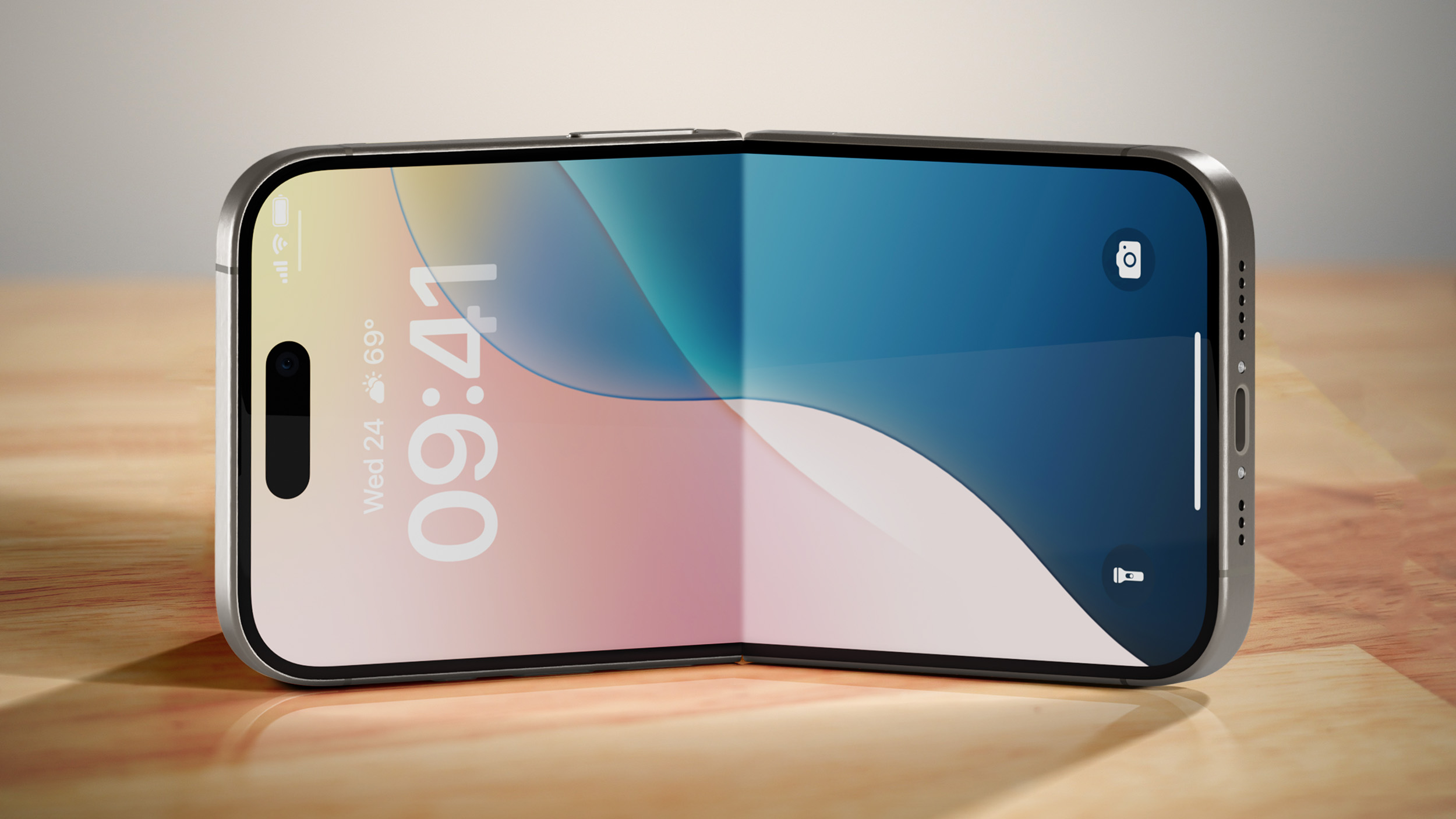
What is a "Flip" iPhone?
When we talk about a "Flip" iPhone, it's not likely to be the final name Apple uses. This kind of phone would be designed to fold vertically, essentially making it half its original size when closed. Think of it like a compact mirror or an old-school flip phone. This design is focused on making the device smaller and easier to carry. If Apple does release such a device, it would directly compete with popular foldable phones already on the market, such as Samsung's Galaxy Z Flip 7 and the modern Motorola Razr. These phones have gained popularity for their blend of a full-sized smartphone experience with the convenience of a much smaller footprint when folded.
When Could We See This?
Interestingly, this "clamshell" or "flip" iPhone is expected to come out after Apple's very first foldable iPhone. That first foldable model is predicted to launch sooner, possibly in September of this year. This suggests that Apple is not just dipping its toes into the foldable market but plans a multi-stage approach, offering different foldable designs to cater to varied customer preferences. It shows a commitment to the foldable phone category, indicating Apple sees a long-term future in this innovative design.
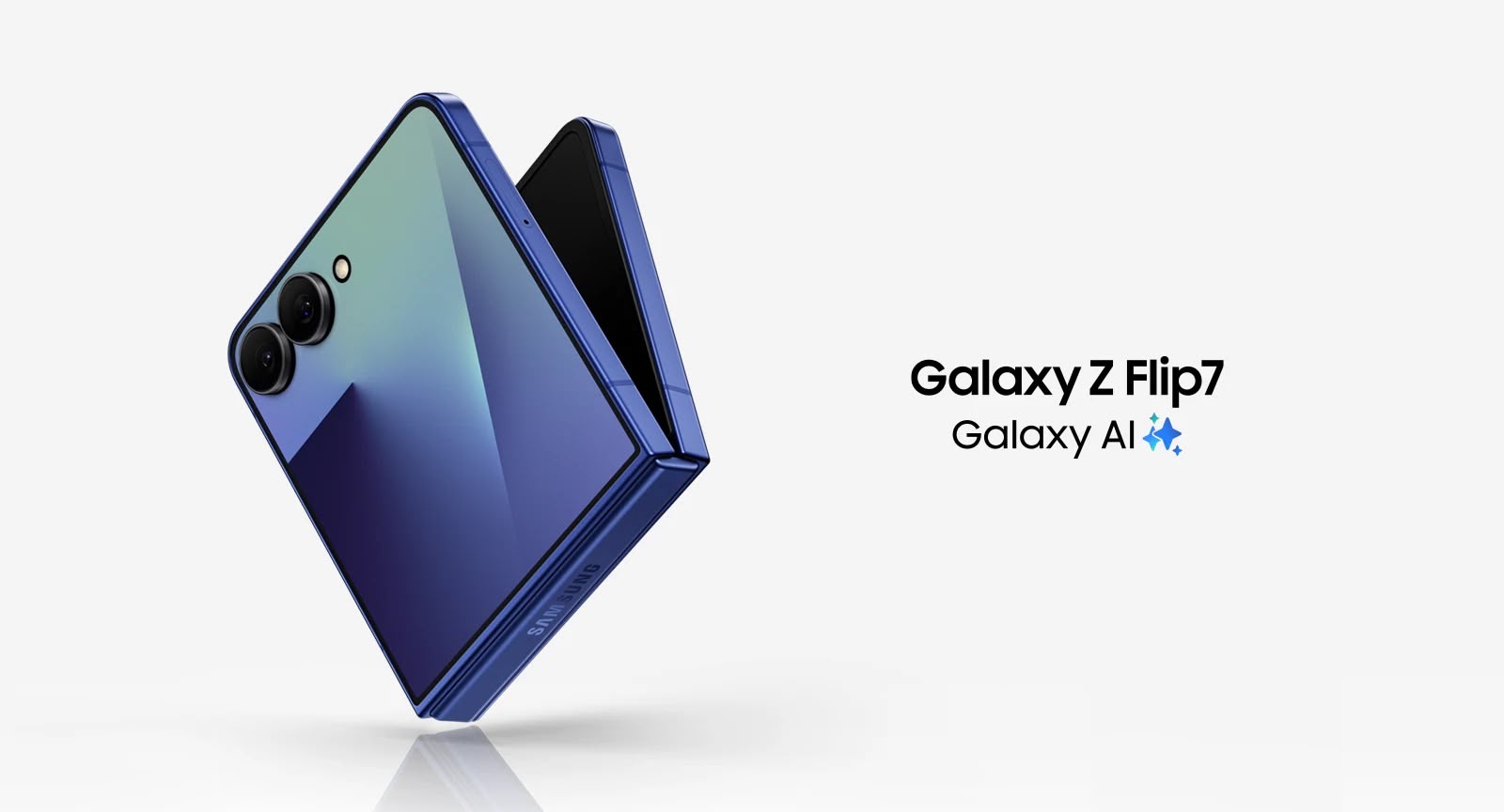
Two Types of Foldable iPhones: Book-Style vs. Flip-Style
It's important to understand that Apple is rumored to be working on two distinct types of foldable iPhones, each designed for a different purpose:
1. The Book-Style Foldable iPhone (First Release)
The first foldable iPhone, expected this year, will likely open up like a book. This design is similar to Samsung's Galaxy Z Fold 7. The main advantage of this style is that it offers a much larger screen when unfolded. Users can expect a big 7.7-inch internal display, perfect for enjoying videos, playing games, and working with multiple apps at once (multitasking). Imagine having a tablet-sized screen that can fold down into a standard phone size for easy carrying. This design aims to combine the productivity and entertainment benefits of a larger screen with the portability of a smartphone.
2. The Clamshell or Flip iPhone (Later Release)
On the other hand, the rumored clamshell iPhone would have a different focus. Instead of offering a huge internal screen, its main goal would be portability and fitting easily into your pocket. When folded, it would be much smaller than a regular smartphone, making it incredibly convenient for people who value compactness. While it might not have the expansive screen real estate of the book-style foldable, its design would appeal to those looking for a stylish, space-saving device that still offers a full iPhone experience when opened. This design is more about making a full-sized phone disappear into your pocket or a small bag, enhancing convenience without compromising core features.
Why is Apple Exploring These Options?
Mark Gurman explains Apple's strategy: "Apple is betting that its first foldable iPhone will be successful enough to generate real demand for the category and that customers will want additional shapes and sizes, much as they have with traditional slab-style iPhones." This means Apple believes that if their first foldable phone (the book-style one) is popular, it will create a strong market for more foldable devices. Just as people choose between different sizes and styles of regular iPhones (like the iPhone mini, standard, Pro, and Pro Max), Apple thinks customers will want choices in foldable phones too. This approach allows Apple to test the waters with one design and then expand its offerings based on market feedback and consumer demand. It's a smart way to enter a new product category, starting with a design that might appeal to power users and then broadening the appeal with more compact options.
Apple's history shows a tendency to refine existing technologies and designs, bringing them to the mainstream with its signature polish. While other companies have been in the foldable space for a few years, Apple's entry could significantly legitimize and popularize the technology. By offering different form factors, Apple aims to capture a wider audience, from those who need a large screen for productivity to those who prioritize ultimate portability.
Is a Flip iPhone Guaranteed?
Despite the excitement, Gurman also points out that a clamshell iPhone is "far from guaranteed to reach the market." This is an important detail. Apple constantly explores many ideas and prototypes internally, but not all of them become actual products. The company has a reputation for only releasing products when they meet its strict standards for design, performance, and user experience. There could be technical challenges with the hinge mechanism, screen durability, battery life, or even market research suggesting lower demand than anticipated. Therefore, while the exploration is happening, it's not a definite promise that we'll see an "iPhone Flip" on store shelves. However, the fact that Apple is actively "exploring" it at all is a strong indicator of their interest in this form factor and the broader foldable market. It means engineers are likely working on prototypes, testing materials, and evaluating the feasibility of such a device. This is a crucial step in Apple's product development cycle, often preceding a public announcement if the project progresses successfully.

The Future of Foldables
The entire tech industry is watching Apple's move into foldables with great interest. Apple's entry could either validate the foldable market further or reshape it entirely. Their focus on durability, software optimization, and seamless user experience could set new benchmarks for foldable phones. The potential for a clamshell iPhone, following a book-style foldable, suggests a comprehensive strategy to address different user needs and preferences within this emerging category.
Imagine the possibilities: a large screen for work and entertainment that folds into a pocket-friendly device, or a sleek, compact phone that unfolds to reveal a full iPhone experience. These innovations could change how we interact with our mobile devices, blurring the lines between smartphones and tablets even further. As technology advances, we can expect improvements in flexible screen technology, battery efficiency, and hinge designs, making foldable phones more robust and appealing.
What This Means for Consumers
For consumers, more competition in the foldable market generally means better products and potentially more competitive pricing. If Apple enters the "flip" phone market, it will push other manufacturers to innovate further, leading to a richer variety of choices and more advanced features. This could mean foldable phones become more accessible and reliable for everyone.
The prospect of an "iPhone Flip" also brings up exciting possibilities for iOS. Apple's operating system is known for its user-friendliness and powerful features. Adapting iOS for foldable screens, especially a clamshell design, would open up new ways to use apps, notifications, and widgets. For instance, a small external screen on a folded clamshell iPhone could display quick information, notifications, or even allow for quick replies without opening the main display. When unfolded, the full power of iOS would be at your fingertips on a larger, single screen.
The design implications are also significant. Apple's aesthetic is highly valued, and a foldable iPhone would likely boast a premium build quality and a refined hinge mechanism, setting it apart from current offerings. Durability and the seamless integration of hardware and software are key Apple strengths, and these would be critical for the success of any foldable device they release.
Ultimately, while the "iPhone Flip" is still in the exploration phase, its potential arrival signifies Apple's commitment to pushing boundaries and adapting to the evolving landscape of personal technology. It's a clear signal that foldable phones are here to stay, and Apple intends to play a significant role in their future development.
This article, "Apple is Exploring an 'iPhone Flip'" first appeared on MacRumors.com
Discuss this article in our forums
from MacRumors
-via DynaSage

Post a Comment